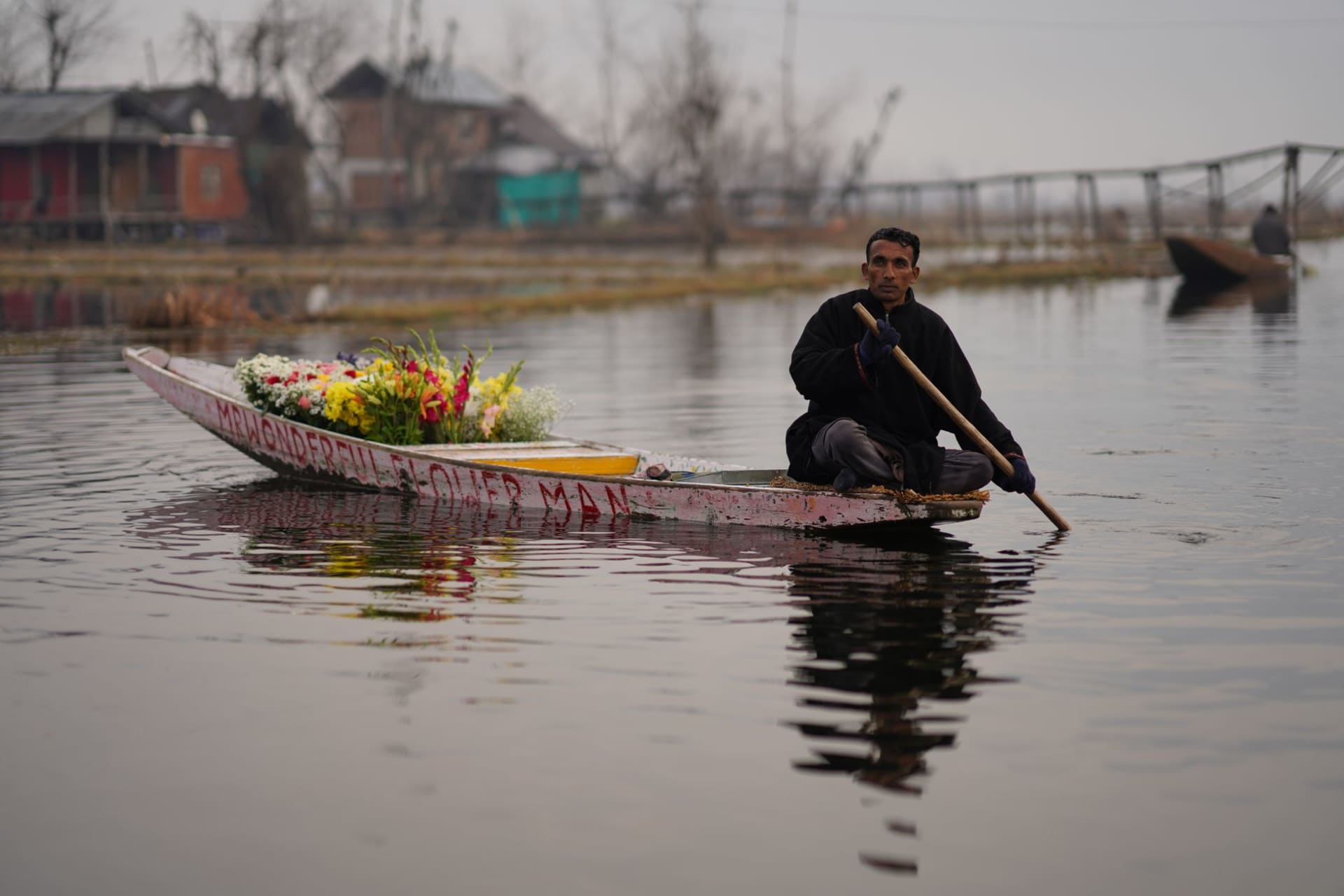
Nagin Lake
"The water here is the colour of something you can't quite name — not quite blue, not quite green, not quite right."
Nagin Lake sits at the northwestern corner of the Dal Lake complex, separated from the main lake by a narrow causeway and connected by channels that the shikaras move through at all hours. I found it by accident — asked my boatman to take a longer route back to the houseboat one evening, and we passed through a gap in the reeds and the water opened up into something different. Less crowded. The weeping willows hung into the water on all sides. The light, which at that hour was going golden, hit the surface at an angle that made it look lacquered.
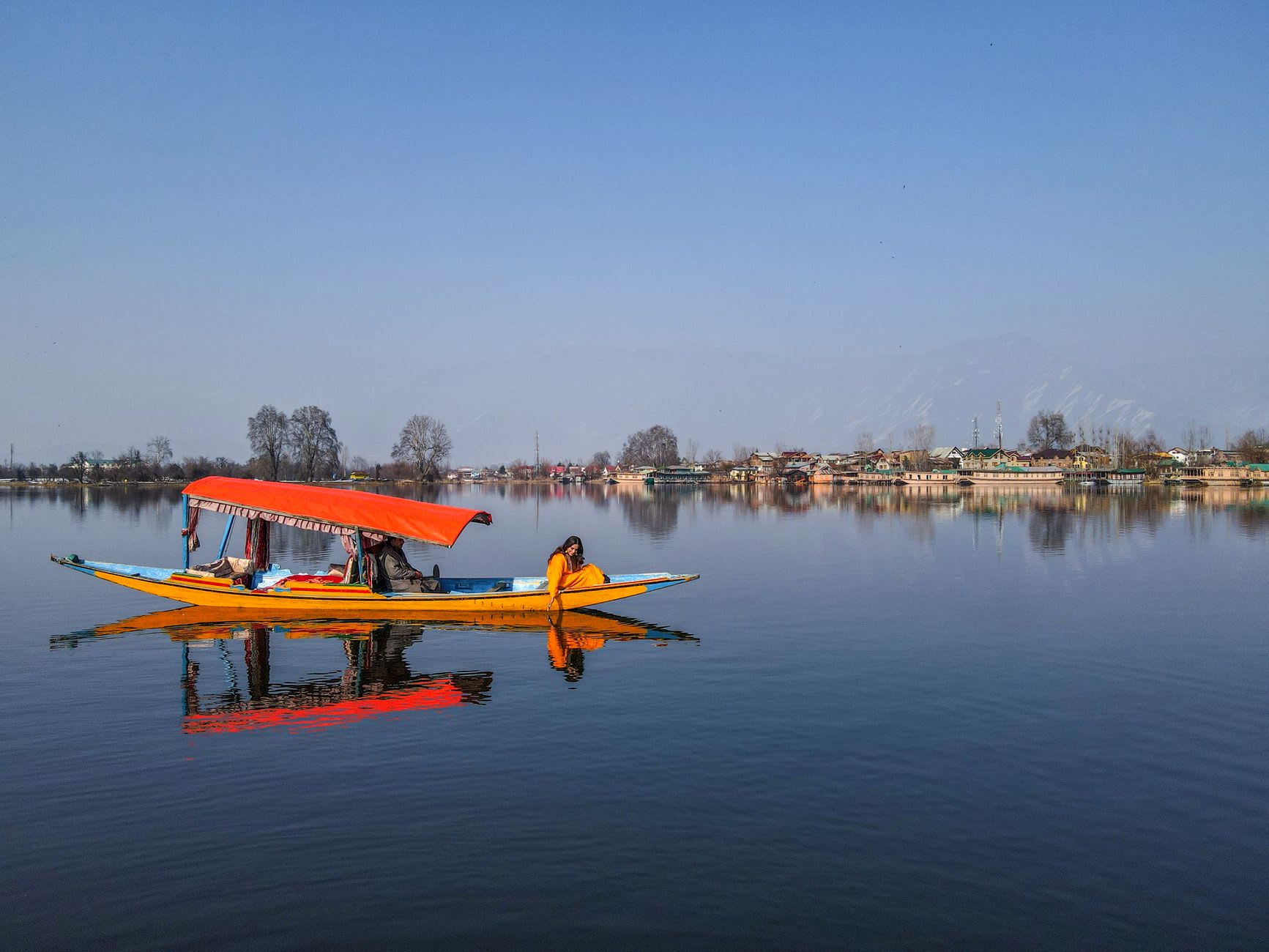
Nagin is sometimes called “the jewel in the ring of Dal” — a phrase I’d read in a guidebook and dismissed as the kind of language that travel writing generates automatically. Standing at its edge at six in the morning, I revised my position. The lake is genuinely smaller and quieter than Dal, which means the ratio of nature to tourism is inverted: more birds, less commerce, longer stretches of uninterrupted shoreline. The water is cleaner, partly because it receives less direct houseboat waste. I swam in it once, in late August, which is not something I would have contemplated in the main lake.
The houseboats here are older on average and less renovated — which is either a drawback or the entire point, depending on your relationship with patina. The ones I saw had the original carved walnut ceiling panels, the brass fittings gone slightly green, the windows that let in morning light at an angle that makes the dust motes look intentional. Staying on one of these was the experience I had expected from Dal Lake and didn’t quite get: the sounds at night were frogs and water birds, not the outboard motors that cut through Dal at all hours. Breakfast came on a tray brought by a boy who paddled across from the bank in a small wooden dinghy. I ate it on the deck watching a grey heron stand motionless in the shallows for forty minutes before deciding to move.
The western shore of Nagin runs beneath a low hill planted with chinars — the Kashmiri maple that is native to Central Asia and turns extraordinary colours in autumn. In October those trees go from green to red to near-orange over the course of a few weeks, and the reflections in the lake turn the water the same colours. I spent an afternoon on that shore doing nothing in particular, and a family from Kashmir settled nearby with a thermos of noon chai — the pink salt tea that is specific to the region — and offered me a cup without ceremony. We sat without common language and shared the view, which was enough.
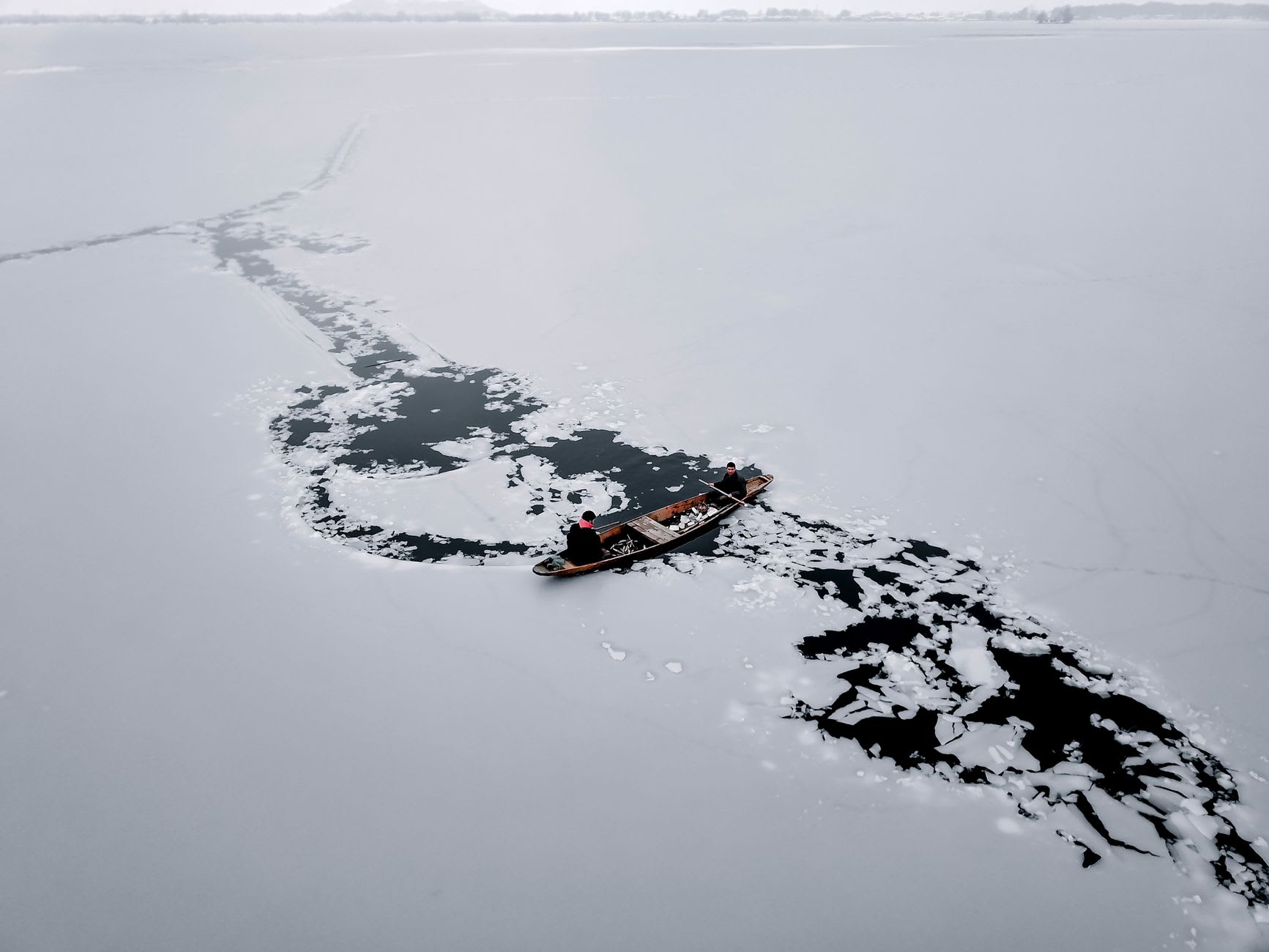
When to go: September and October are the finest months — the chinar colours, the clear air, and the light that comes through at a slant that photographers spend whole days chasing. June through August is warm and manageable; the lake is at its greenest then. Avoid the winter months unless you’re specifically seeking the strange beauty of mist over still water in temperatures close to freezing.