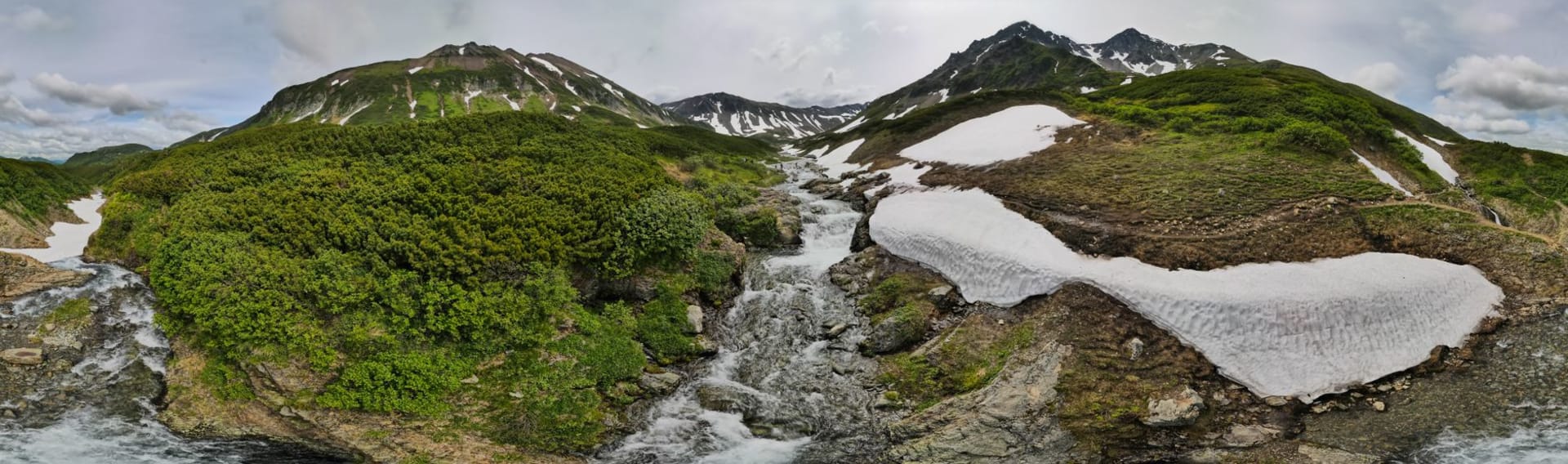
Valley of Geysers
"You don't visit the Valley of Geysers. It permits you to witness it, briefly, before you leave."
The helicopter drops through cloud and you expect to see forest, but instead the valley opens below you in colours that have no business existing together: terracotta orange, cadmium yellow, deep prussian blue from the pools, all of it threaded with steam columns rising in pulses, some thin and idle, some full-throated eruptions shooting fifteen meters into the grey sky. The pilot banks and you see the full length of the Geysernaya River as it winds between geyser fields, and for a moment the scale is so enormous and so wrong — wrong in the sense of existing beyond the limits of what a place should be — that you simply stare and say nothing.
I’d read about the Valley of Geysers before coming to Kamchatka the way you read about things you’re not sure you’ll actually see. It is accessible only by helicopter, a forty-minute flight from Petropavlovsk into the Kronotsky Reserve, and weather closes the window unpredictably. My first attempt was cancelled. My second, the helicopter turned back twenty minutes out. On the third morning, we broke through cloud over a ridge and there it was, all of it at once, and I understand now why people don’t talk about it the way they talk about other places they’ve visited.
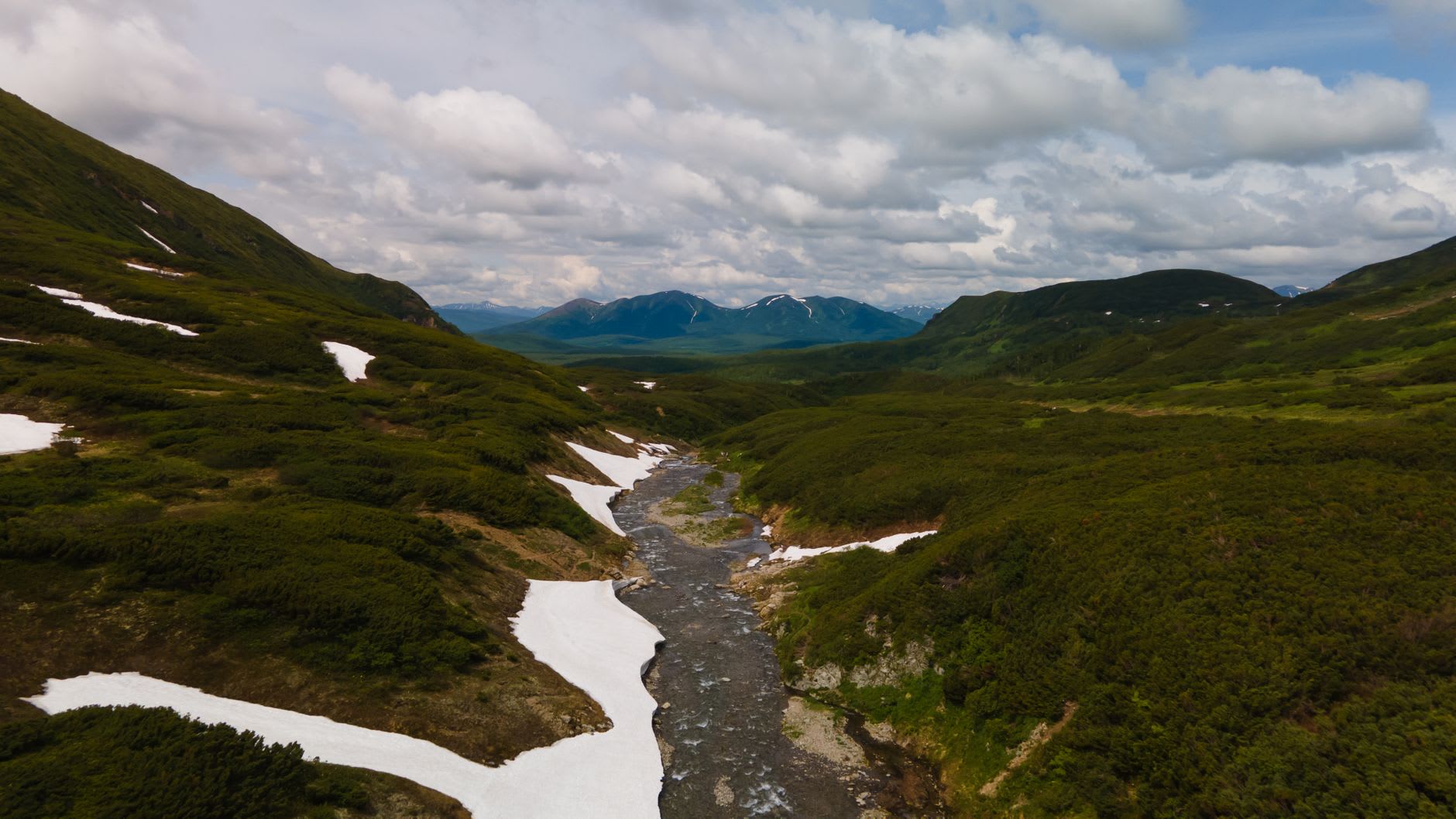
You walk on boardwalks, which is both a conservation measure and a practical necessity. The ground around the geysers is not stable ground — it is a crust over superheated water, and in places it is inches thick above voids that could swallow a person. The sulfur smell is constant, an eggy, industrial sharpness that catches at the back of the throat. Some geysers erupt on schedules so regular that guides can predict them to within minutes; Velikan, the largest, fires every five or six hours, a column of water and steam that dwarfs the people watching from the boardwalk. Others are unpredictable, sudden, erupting sideways from the riverbank with no warning. You stand at the railing and the earth below you breathes.
The colours are the thing I keep returning to when I try to describe it. The mineral deposits around each vent build up over centuries into formations that range from pale cream to deep rust to an almost violent orange, stained by iron, sulfur, and the thermophilic bacteria that are among the only organisms on Earth that can survive these temperatures. In the right light — overcast, which is the usual — these colours become saturated in a way that seems digitally enhanced until you remember there is no one here with a filter.
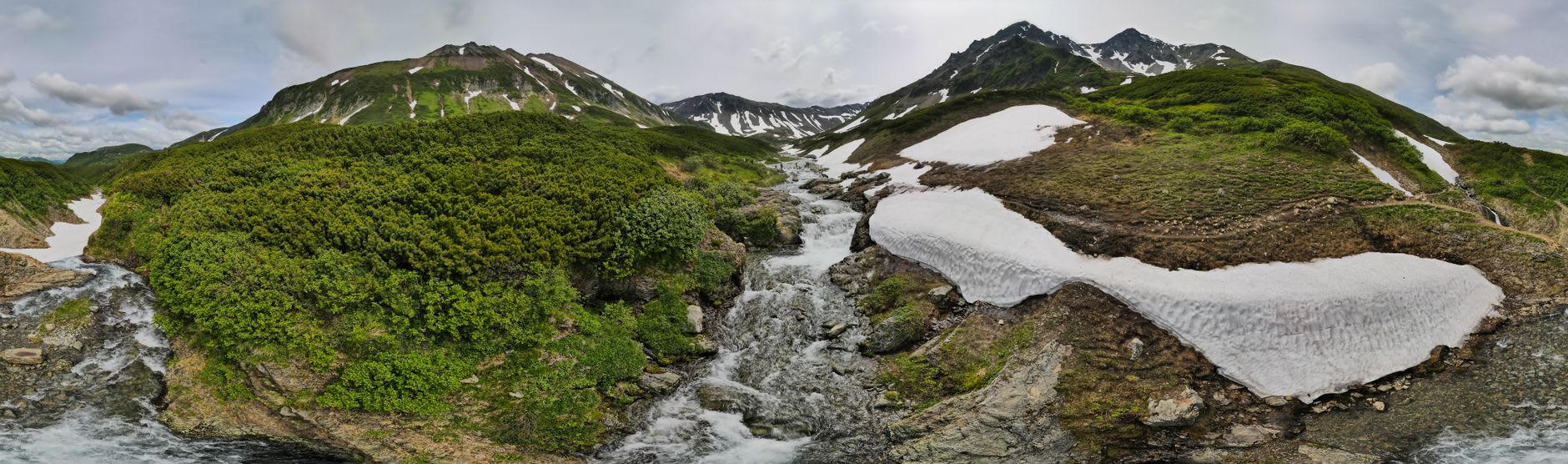
The valley was partially buried by a landslide in 2007, which dammed the river and created a lake that flooded several major geysers. Many recovered, some did not. The landscape you see now is not the landscape that was described in the Soviet-era expeditions — it has shifted, been remade, and will shift again. This impermanence feels appropriate. The valley has been doing this for ten thousand years and will continue without any particular regard for what we think it should look like.
When to go: July through early September is the only practical window when helicopter operators run regular flights from Petropavlovsk. August tends to have the most stable flying weather, though no day is guaranteed. Book through an established local operator and build at least two extra days into your schedule for weather delays — most people need them.