
Kronotsky Nature Reserve
"Three bears fishing the same bend in the river, and not one of them cared that I was standing thirty meters away."
From the hillside above the Kronotskaya River I watched three bears work the same stretch of water for over an hour. The largest was a mature male, perhaps three hundred kilograms, moving with the particular unhurried efficiency of something that has no natural predators. The other two — a female and what I took to be a juvenile from that season — stayed downstream, aware of the male, accommodating themselves to his presence without confrontation. All three were fishing. The sockeye salmon were running that week, thousands of fish per hour pushing upriver, and the bears barely had to try. They stood in the current and swatted, and the fish came to them. I had a guide beside me and a satellite phone, but the actual management of the situation — my safety, my distance, the etiquette of this encounter — felt entirely at the bears’ discretion.
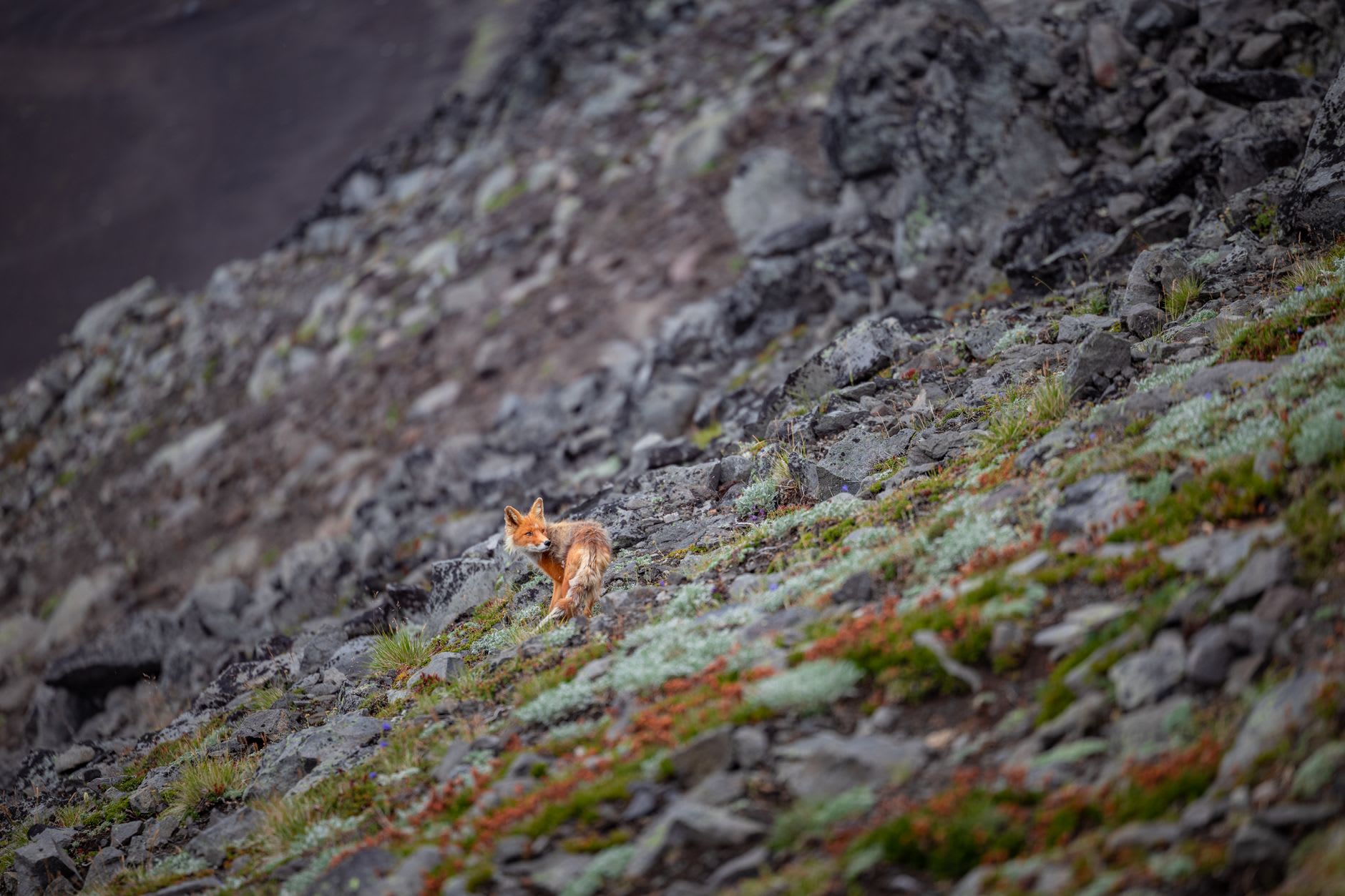
Kronotsky Nature Reserve covers over a million hectares of the eastern Kamchatka coast, established in 1934 and expanded repeatedly since. It contains the Valley of Geysers, the Kronotsky caldera lake, and eleven volcanoes including the near-perfect cone of Kronotsky Volcano itself, rising 3,528 meters from the coast. The reserve is home to the highest concentration of brown bears on Earth — roughly a thousand animals in a protected space where hunting has been prohibited for nearly a century — and the difference this makes to bear behavior is immediately apparent. These animals are not afraid of people. They are not aggressive toward people. They are simply indifferent to people in a way that is both thrilling and quietly humbling.
Access to the reserve requires permits and must be arranged through the reserve administration, typically well in advance. Most visitors arrive by helicopter from Petropavlovsk, which deposits you at the Valley of Geysers and allows bear watching on the rivers as part of an organised excursion. Extended stays with camping require more planning and typically involve a guide from the reserve’s small permanent staff — researchers, rangers, and a handful of seasonal workers who live on the reserve for months at a time and develop a familiarity with specific bears, tracking individuals across years.
The salmon season is the engine of everything. From late July through September the rivers run with fish — king, sockeye, coho, pink — in volumes that are difficult to process visually until you’ve seen it. A shallow gravel river in full run looks like it’s moving wrong, like the water itself is solid and writhing. Bears time their year around this abundance: they spend August and September gorging on salmon, putting on the fat reserves that will carry them through hibernation, and the reserve’s bear population concentrates at the best fishing spots with a social logic that rangers can predict almost down to the day.
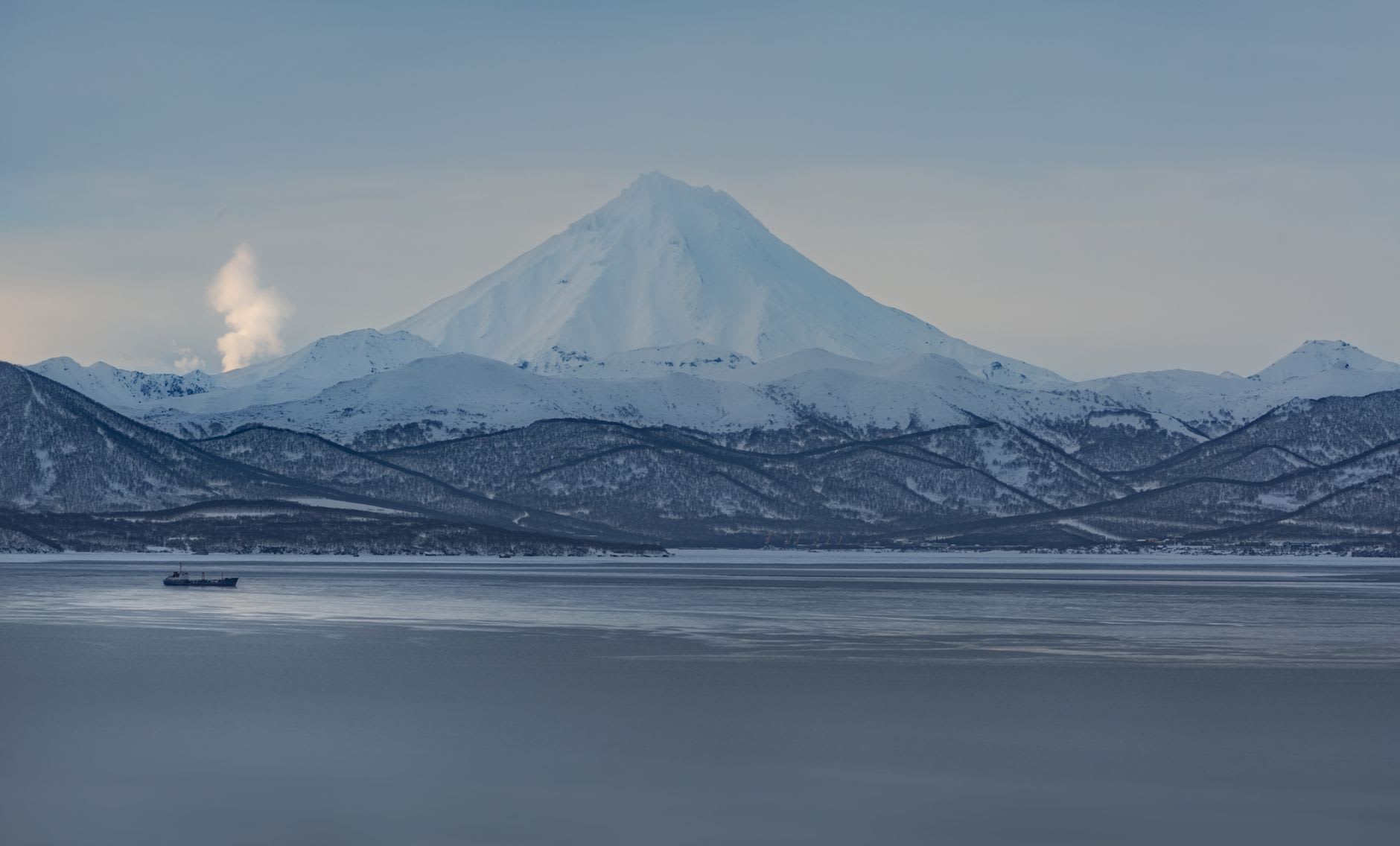
What the reserve also contains, and what is harder to photograph and therefore less discussed in the usual coverage, is silence. Large silence. The interior of Kronotsky, away from the geysers and the rivers, is one of the quietest places I’ve been — not the silence of absence but the silence of a landscape so large and so complete that it can absorb sound without reflection. I sat in a meadow two kilometers from the nearest river and heard nothing for twenty minutes except wind and, once, very far away, what might have been a bear moving through brush.
When to go: Late July through mid-September for salmon runs and bear watching. The Valley of Geysers is accessible through the same window. Permits must be arranged months in advance through the Kronotsky Reserve administration in Petropavlovsk. Budget a minimum of three days in the area; the helicopter schedule and weather will determine the rest.