Tsodilo Hills
"Lia stood in front of a giraffe painted a thousand years ago and just went quiet."
Four sacred hills rising from the Kalahari sand, etched with over 4,500 rock paintings and thousands of years of San history.
The first thing that struck me about Tsodilo Hills wasn’t the paintings — it was how suddenly the hills appear. We’d been driving for what felt like forever across flat, scrubby Kalahari sand, and then out of nowhere these four rock formations rise up like something dropped from the sky. Our guide, a young San man who grew up in the village at the base of the hills, told us the names before we’d even parked: Male, Female, Child, and a smaller unnamed hill that locals just call the grandchild. He said it without a hint of tourist-brochure flatness, like he was introducing us to family.
We spent the better part of a day hiking between the Female and Male hills, and I lost count of how many rock paintings we passed — the site holds more than 4,500 of them, and every twenty minutes our guide would stop, point at a faded red shape on the rock, and explain what it meant to his people. Eland, giraffe, geometric patterns nobody fully understands anymore. Some of it is over a thousand years old. I kept touching the rock near the paintings, not the paintings themselves, just to feel how warm the stone gets under that sun, and thinking about how many hands had stood in that exact spot before mine.
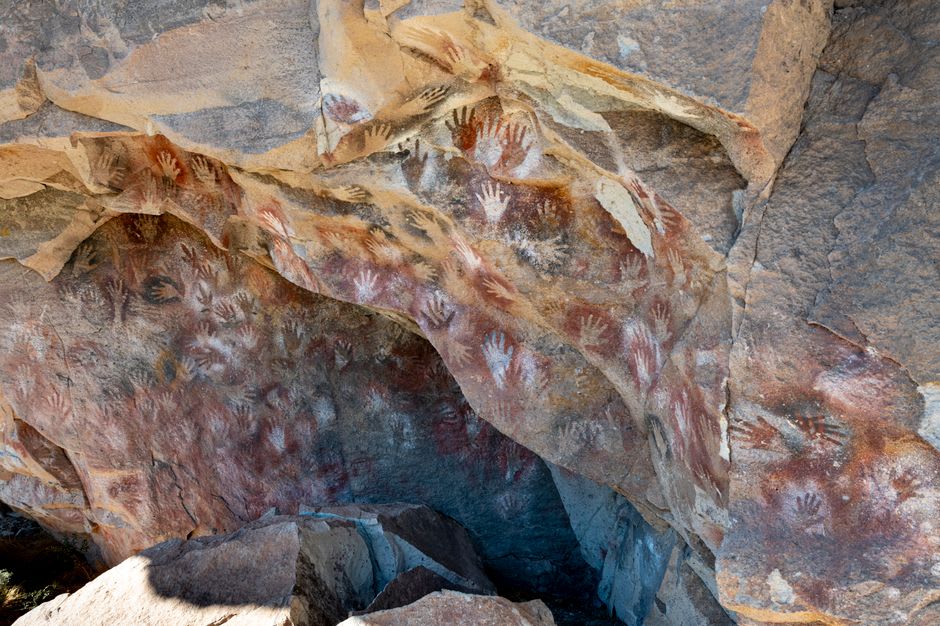
What got me most, though, wasn’t the art — it was learning that this place isn’t a museum to the San, it’s alive. They still consider Tsodilo sacred, tied to their ancestral spirits and creation stories, and our guide talked about the hills the way you’d talk about a relative’s house, somewhere you lower your voice a little. Archaeologists have found evidence that people lived here for tens of thousands of years, which is a number I can’t really wrap my head around, but standing there in the shade of an overhang with San rock art above me, it felt less like ancient history and more like a very long conversation still in progress.
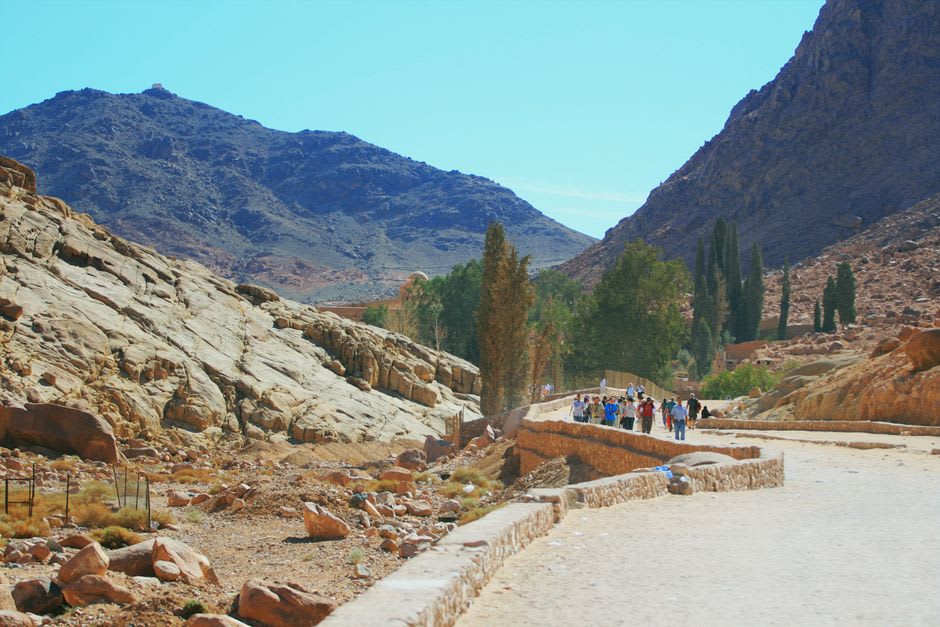
Lia and I camped nearby that night, and I remember lying there listening to how absolutely silent the desert gets once the sun drops, thinking about UNESCO calling this place the “Louvre of the Desert” — a name I found a little too tidy for what it actually feels like out there, but I understood it by the time we left.
When to go: We went in June, right in the cooler dry stretch between May and August, and I was grateful for it — the hiking between hills is real work, and I can’t imagine doing it under the full heat of the Kalahari summer.
Keep exploring
More from Kalahari Desert
 kalahari-desert
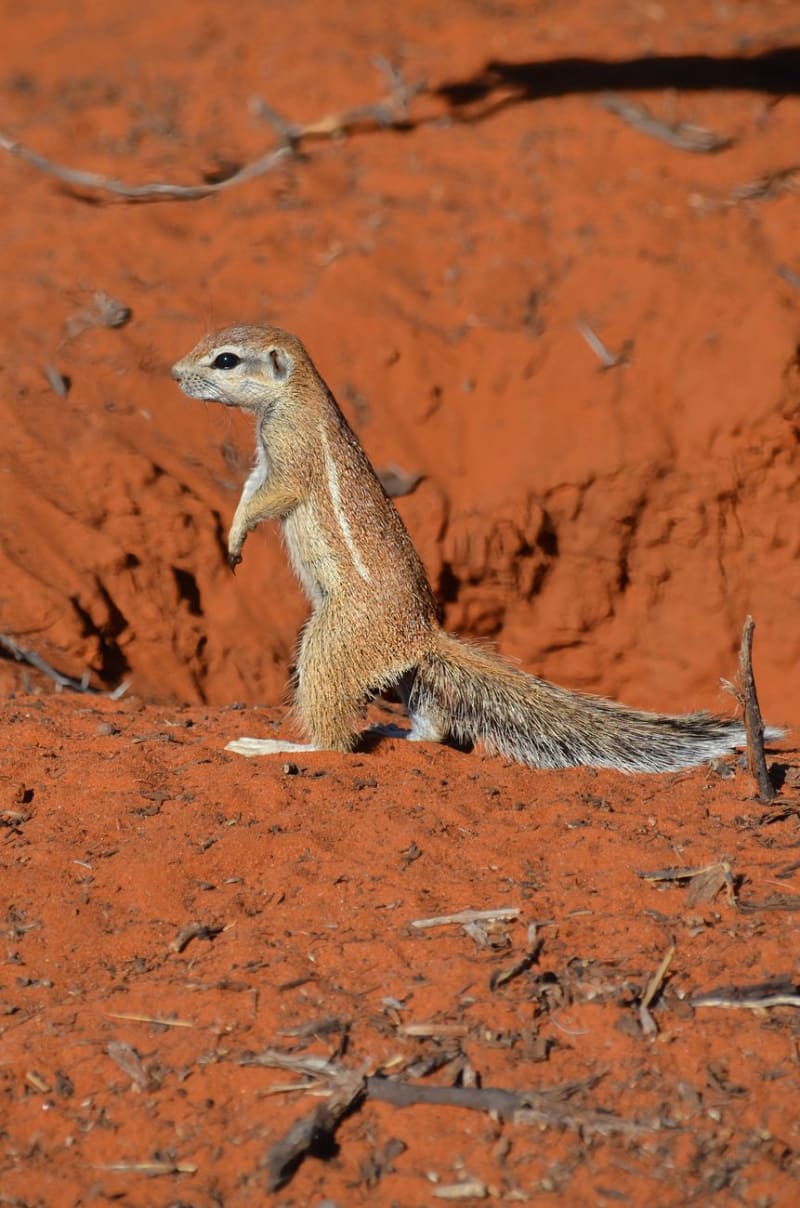
 Tswalu Kalahari
South Africa's largest private reserve, a stretch of red dunes and grass mountains where the rarest, shyest desert creatures get the run of the place.
Explore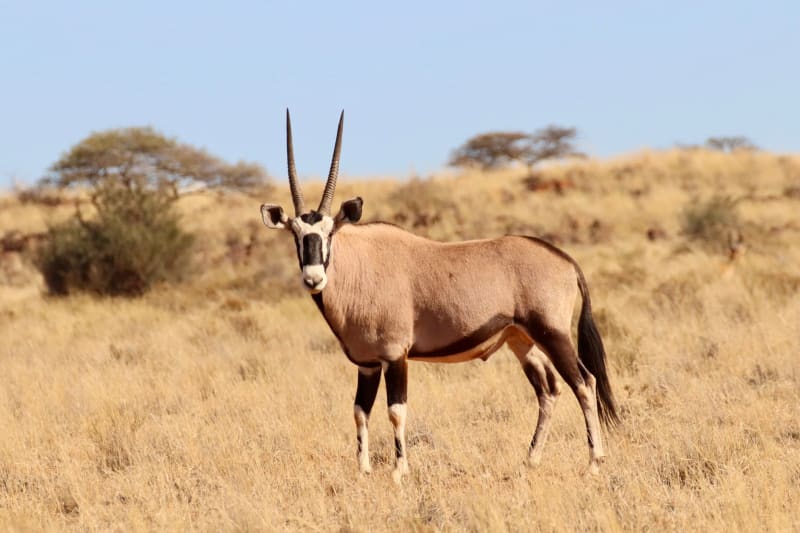 kalahari-desert
 Twee Rivieren
The front door to the Kgalagadi — a South African border camp where the red dunes begin and the wilderness announces itself within the first ten minutes.
Explore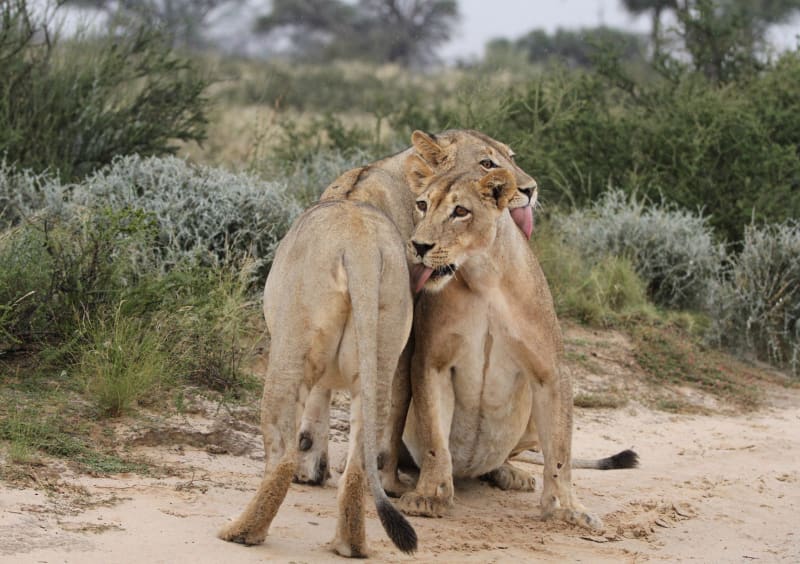 kalahari-desert
 Upington
The unlikely Kalahari gateway — a sun-hammered desert city on the Orange River where the vineyards start and the paved road ends.
Explore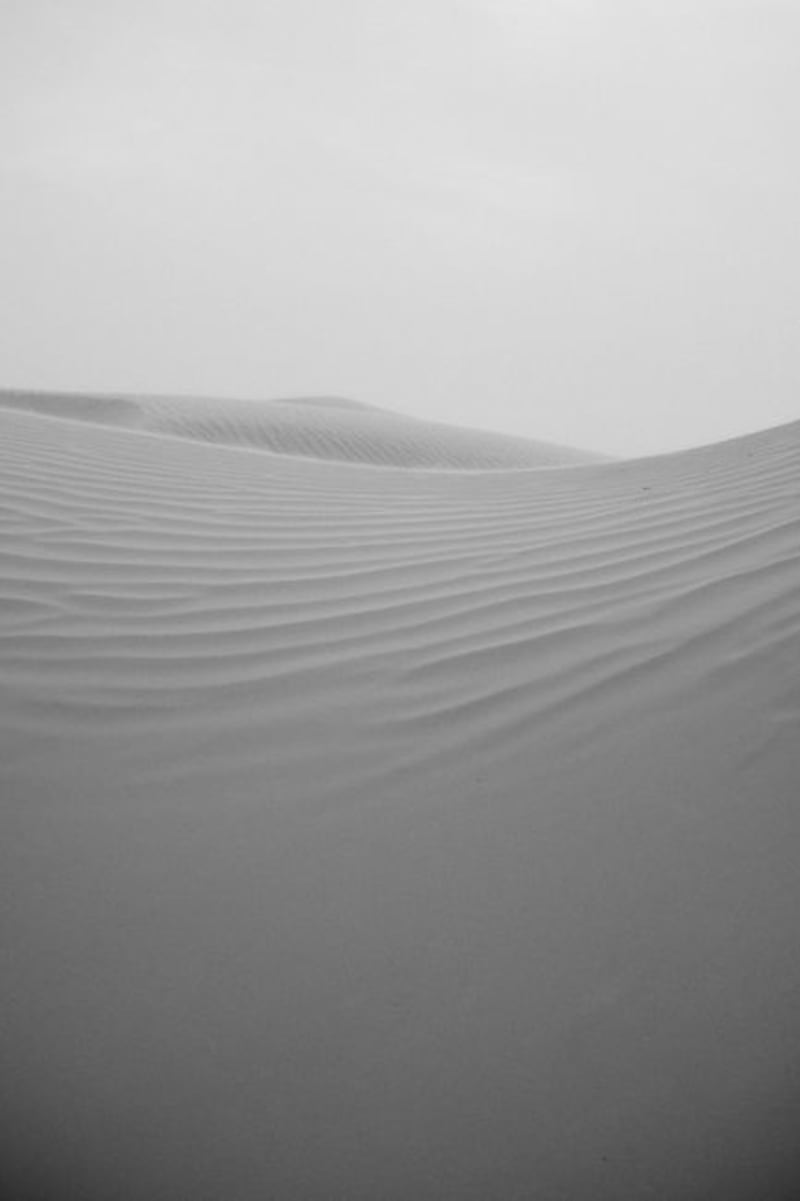 kalahari-desert
 Witsand Nature Reserve
A remote pocket of the southern Kalahari where white dunes rise against red sand and roar when they collapse.
Explore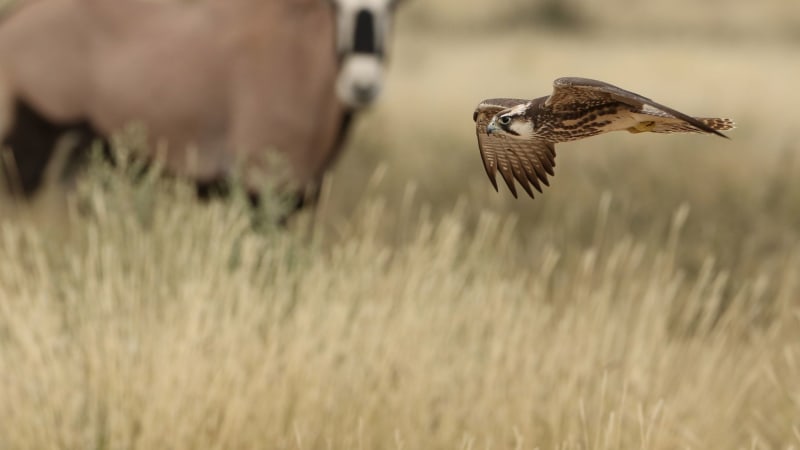 kalahari-desert
 Central Kalahari Game Reserve
Africa's largest game reserve is a place of such vast emptiness it feels less like a park and more like a reckoning.
Explore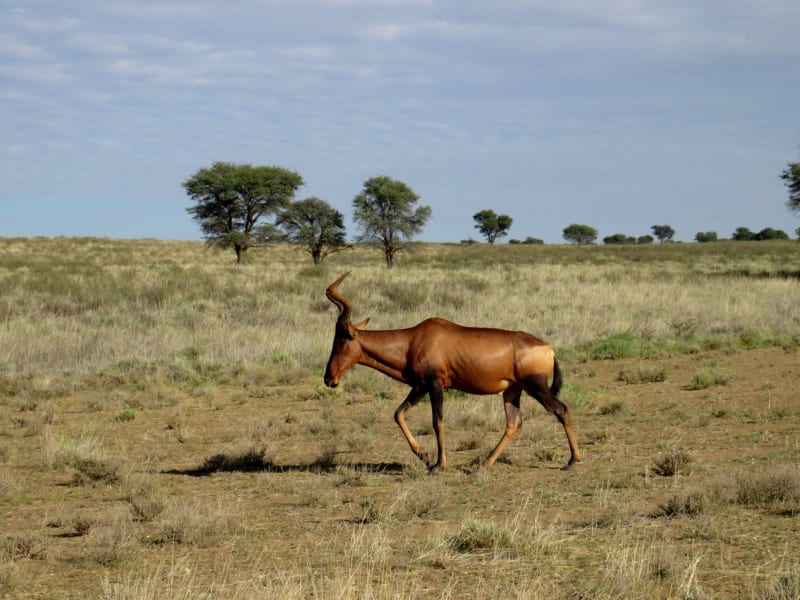 kalahari-desert
 Deception Valley
A fossil river that looks wet but is bone-dry — where the Kalahari's predator-prey drama plays out without an audience.
Explore