Africa
Kalahari Desert
"The desert that refuses to be what you think a desert is."
A semi-arid sea of red sand and silver grass where meerkats stand sentinel, black-maned lions hunt at night, and the silence is so complete you can hear your own pulse.

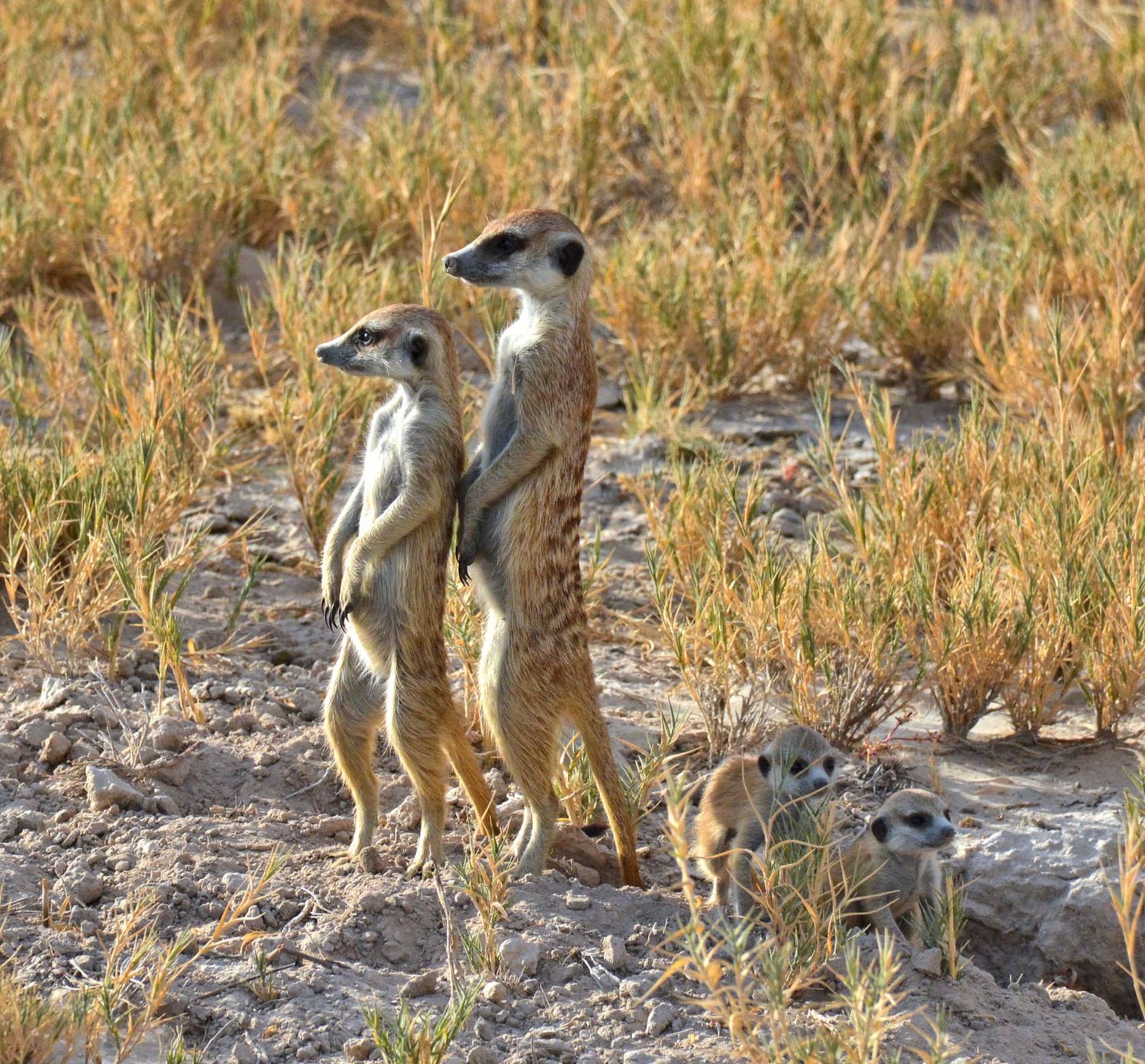
The first thing the Kalahari teaches you is that you had the wrong idea. It is not the dead, bleached wasteland the word “desert” conjures — it is green after the rains, copper-red underfoot, and loud with life at dusk. I arrived at a small camp near Nxai Pan in early evening, when the light hit the acacia scrub at a low angle and turned everything the color of old honey. A family of meerkats posted on a termite mound twenty meters from the track, scanning the sky for raptors, entirely indifferent to my presence. That indifference, I came to understand, is the Kalahari’s defining characteristic. The animals here have not been habituated to safari vehicles over decades of tourism. They simply have no reason to care about you.
The Central Kalahari Game Reserve is the place most travelers never reach, which is exactly why it deserves the effort. Getting there requires a proper 4x4 and the nerve to drive deep sand tracks for several hours without seeing another vehicle. The reward is a landscape on a scale that resets your nervous system. Deception Valley, despite the name, is not deceptive at all — it is a fossil river channel lined with ancient trees where the predator-prey dynamic plays out exactly as it should, without the audience. I spent two days watching a clan of brown hyenas dismantle a wildebeest carcass and felt something clarify in my thinking that had been muddy for months.
The San people — the Bushmen — have lived in and around the Kalahari for at least twenty thousand years, which is a span of time that makes every other civilization seem like a passing enthusiam. At Grasslands Bushman Lodge near Ghanzi, a tracker named Toma spent a morning teaching me to read sand the way I read a page: the drag mark of a puff adder, the depth of a kudu print gauging how recently it passed, the hollow where a bat-eared fox had listened to termites underground. That morning rearranged something in how I think about knowledge — what it is, and where it actually lives.
When to go: May to September for the dry season, when game concentrates around the few remaining water sources and the nights are sharp and cold. June and July offer the best predator sightings. December to March sees the rains transform the landscape into something lush and vivid, with newborn animals everywhere — a different but equally compelling experience.
What most guides get wrong: They route everyone through Botswana’s northern Okavango and Chobe circuits, treating the Kalahari as a transit zone rather than a destination. The result is that one of Africa’s most profound wilderness experiences stays nearly empty while the Okavango gets crowded with high-spending tourists convinced they are having an “off the beaten path” experience. The Kalahari demands more self-sufficiency and less comfort, and it returns the favor with a silence and a sense of scale that the busier parks simply cannot offer.
Explore
Places in Kalahari Desert
 kalahari-desert
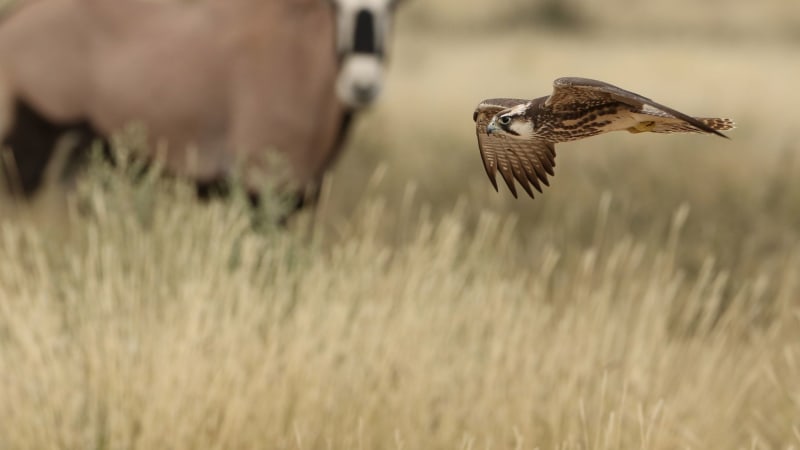
 Central Kalahari Game Reserve
Africa's largest game reserve is a place of such vast emptiness it feels less like a park and more like a reckoning.
Explore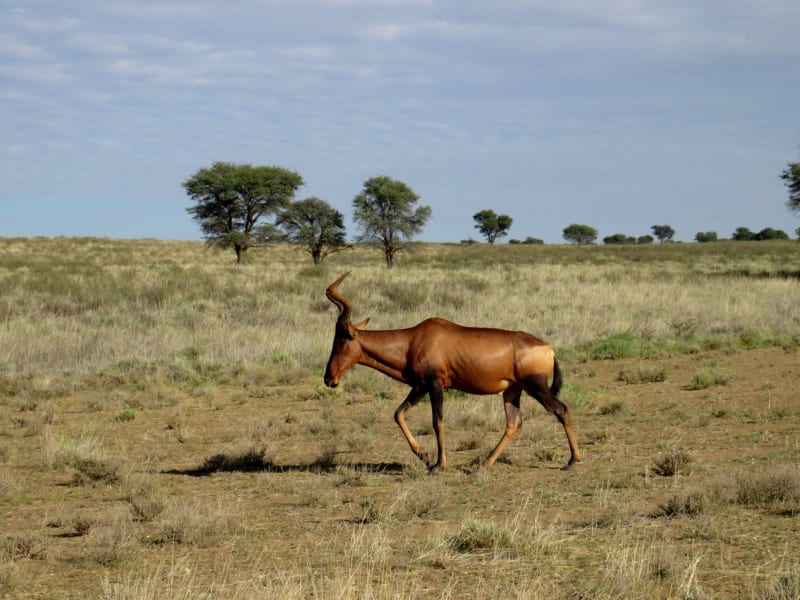 kalahari-desert
 Deception Valley
A fossil river that looks wet but is bone-dry — where the Kalahari's predator-prey drama plays out without an audience.
Explore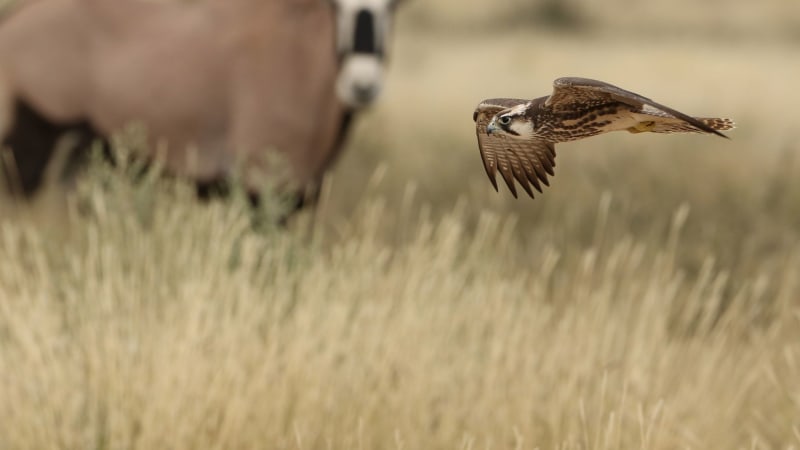 kalahari-desert
 Ghanzi
A scrubby Kalahari cattle town that happens to be the best place on earth to learn what the desert has looked like for twenty thousand years.
Explore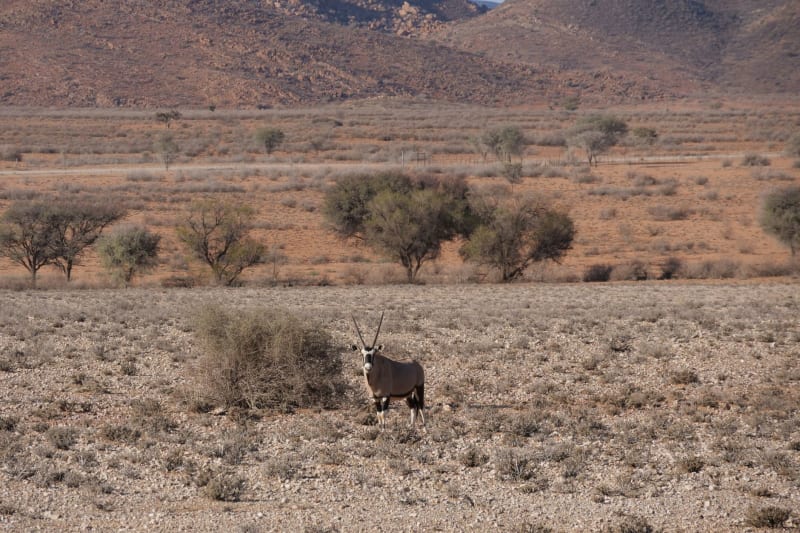 kalahari-desert
 Kgalagadi Transfrontier Park
Where red dunes meet dry riverbeds and black-maned lions patrol a wilderness that operates according to its own severe and satisfying logic.
Explore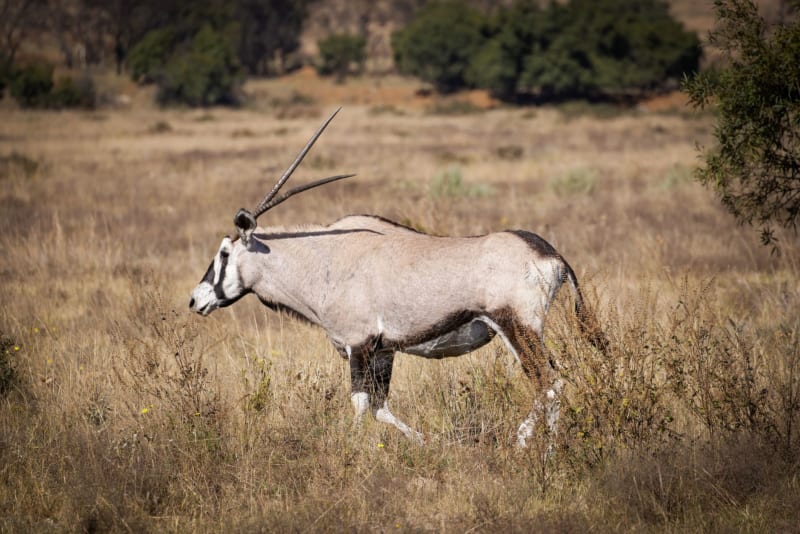 kalahari-desert
 Khutse Game Reserve
The Kalahari's accessible edge — close enough to Gaborone for a long weekend, remote enough that the lions don't know you exist.
Explore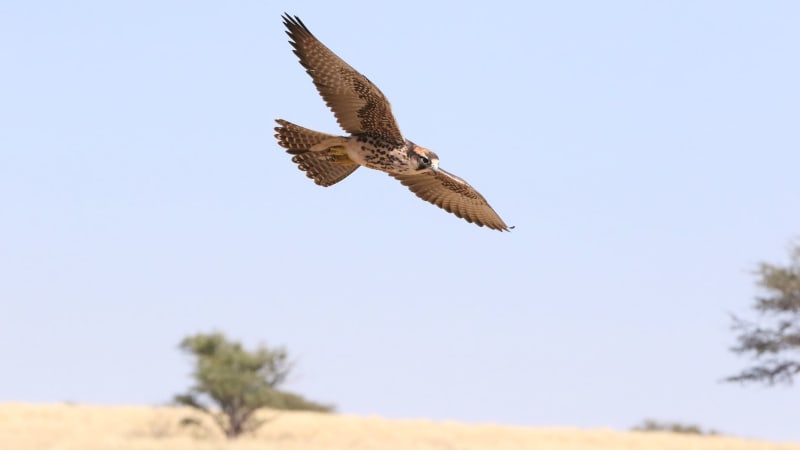 kalahari-desert
 Mabuasehube
The most remote corner of the Kalahari system, where self-sufficient travelers are rewarded with a wilderness most people will never see.
Explore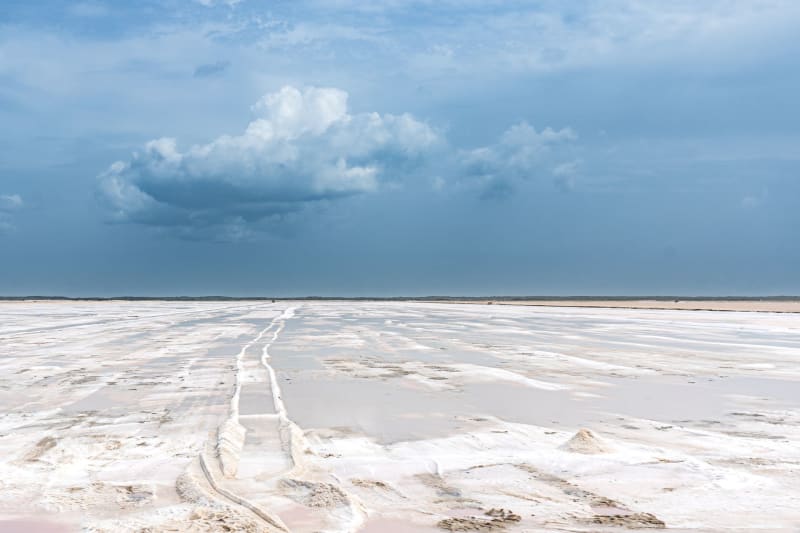 kalahari-desert
 Makgadikgadi Pans
The fossilized floor of an ancient lake — a void so flat and white it makes you feel genuinely small for the first time in your adult life.
Explore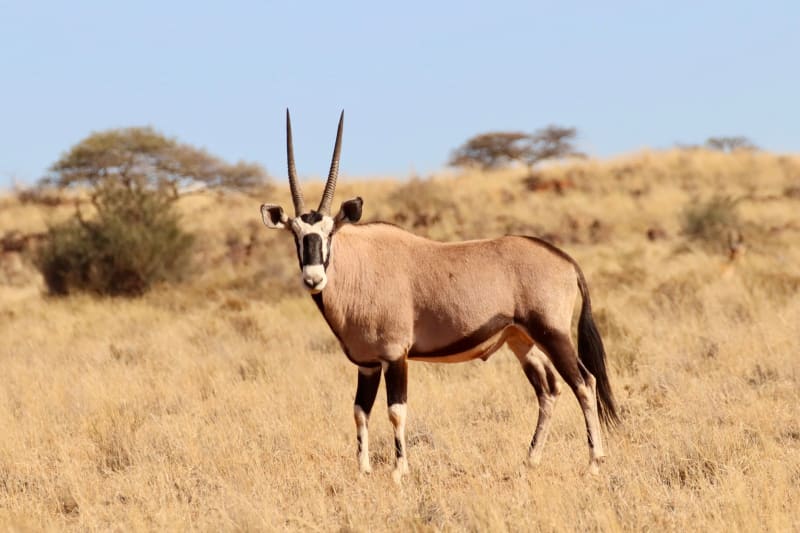 kalahari-desert
 Nxai Pan National Park
A salt pan ringed by ancient baobabs where elephants drink at sunset and the light turns everything the color of molten copper.
Explore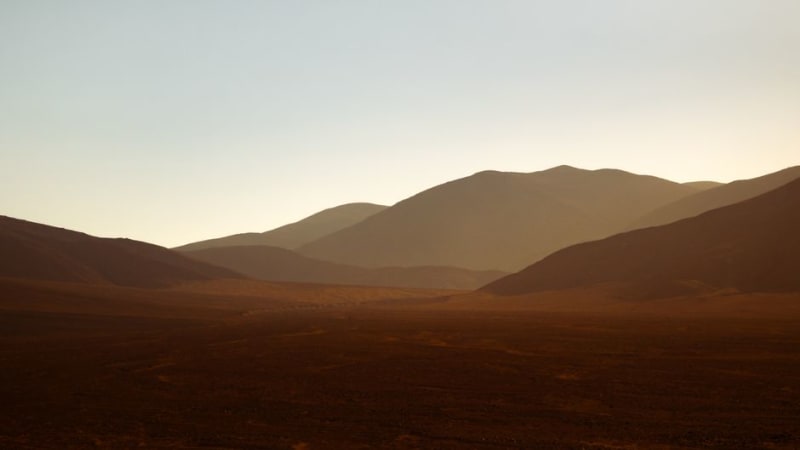 kalahari-desert
 Tsodilo Hills
Four sacred hills rising from the Kalahari sand, etched with over 4,500 rock paintings and thousands of years of San history.
Explore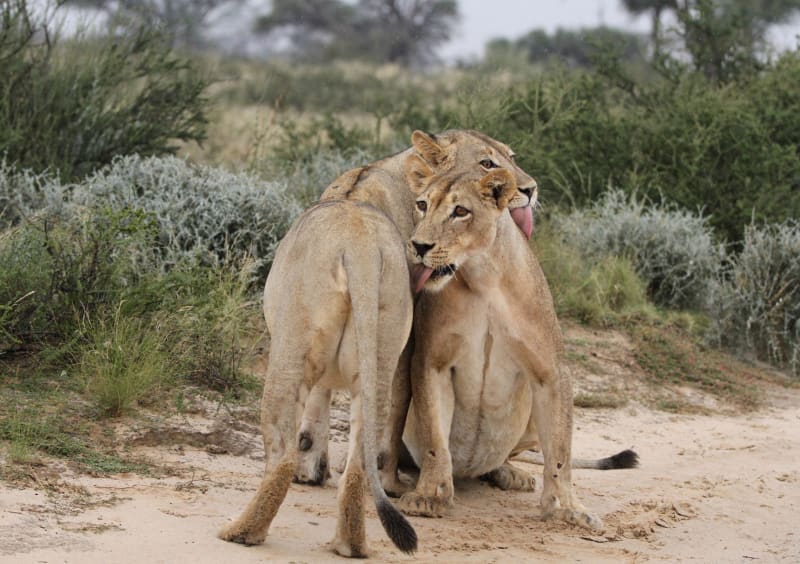 kalahari-desert
 Tswalu Kalahari
South Africa's largest private reserve, a stretch of red dunes and grass mountains where the rarest, shyest desert creatures get the run of the place.
Explore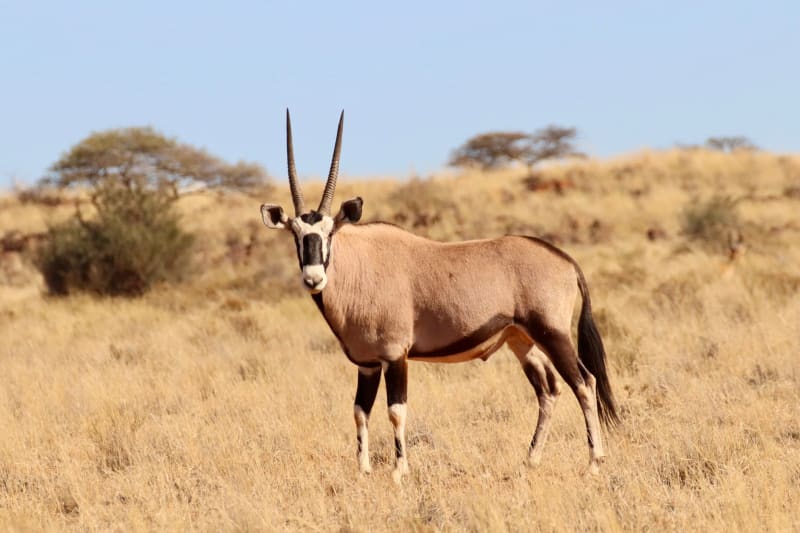 kalahari-desert
 Twee Rivieren
The front door to the Kgalagadi — a South African border camp where the red dunes begin and the wilderness announces itself within the first ten minutes.
Explore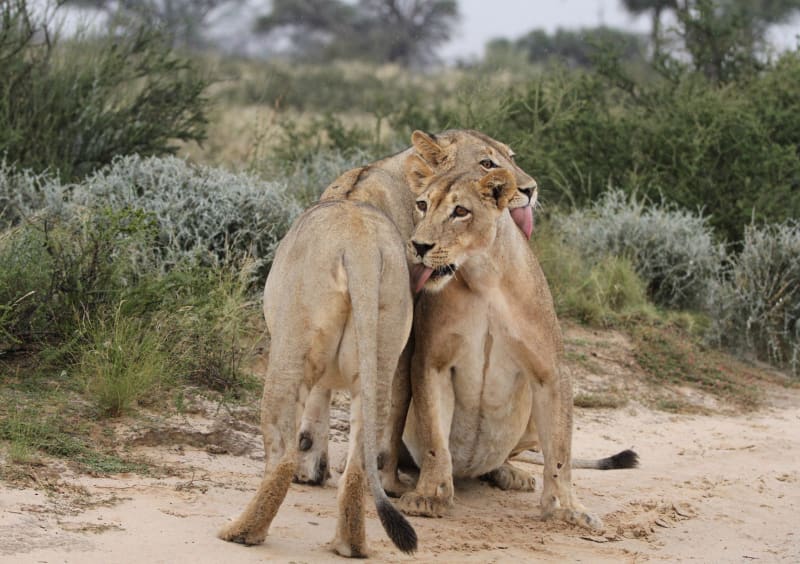 kalahari-desert
 Upington
The unlikely Kalahari gateway — a sun-hammered desert city on the Orange River where the vineyards start and the paved road ends.
Explore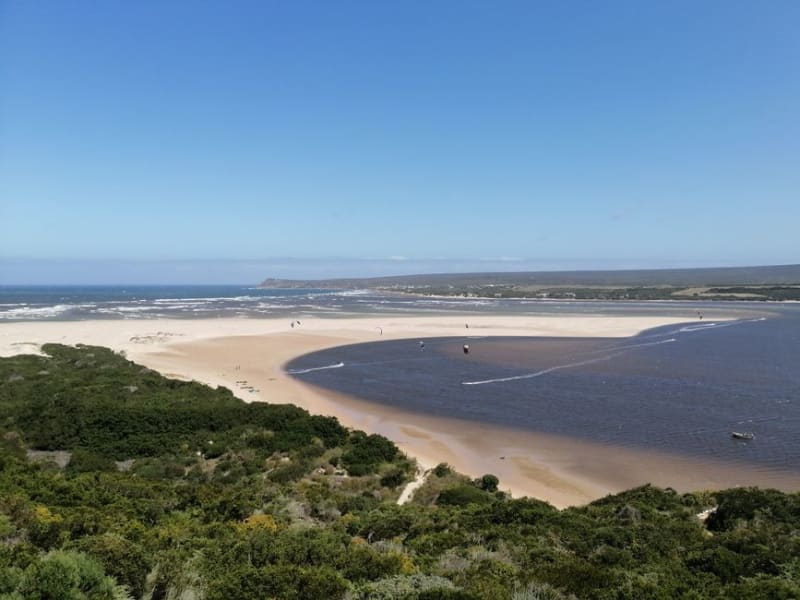 kalahari-desert
 Witsand Nature Reserve
A remote pocket of the southern Kalahari where white dunes rise against red sand and roar when they collapse.
Explore