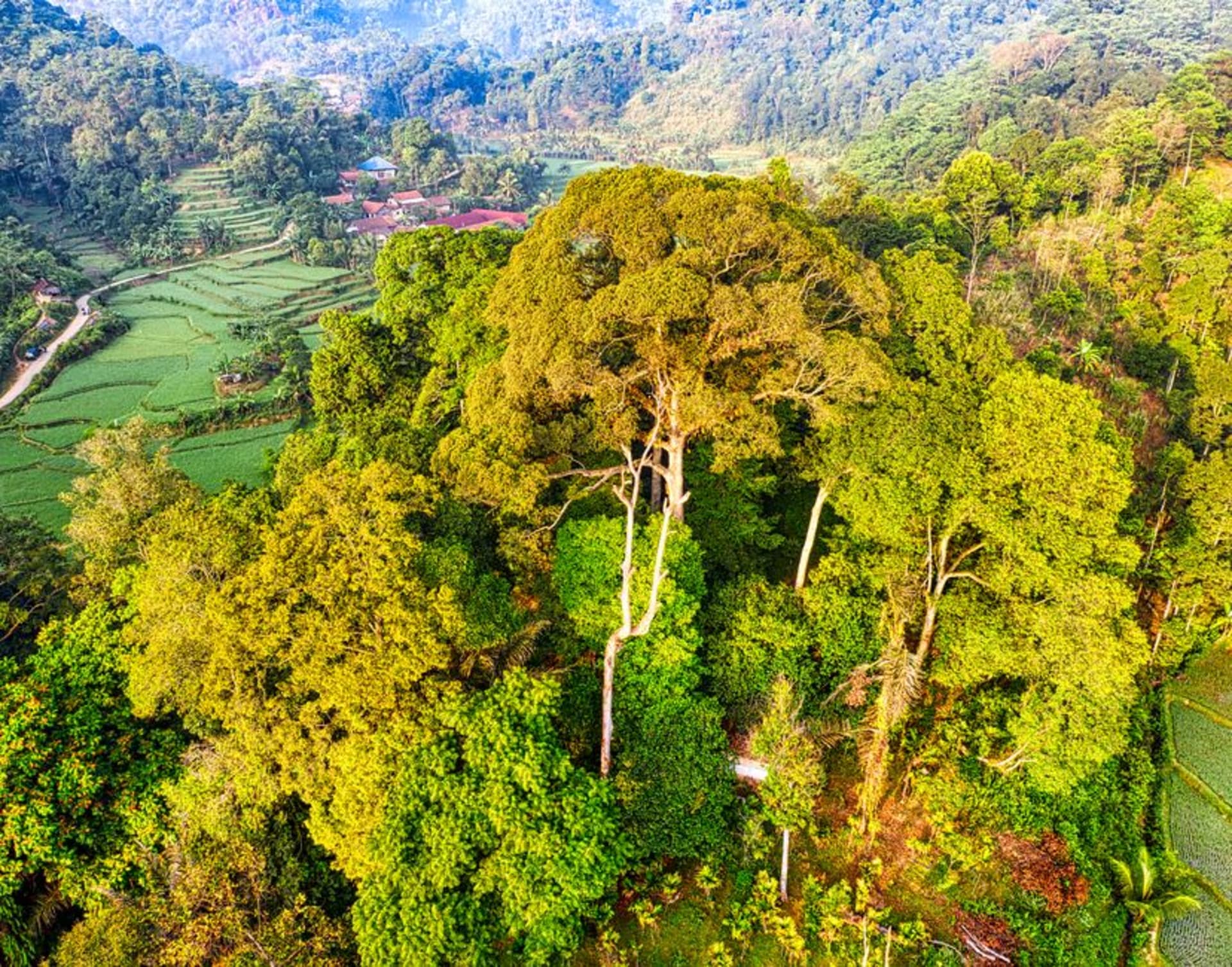
Ujung Kulon National Park
"We never saw the rhino. We heard the forest holding its breath, and that was enough."
A wild, roadless peninsula at Java's southwestern tip where fewer than 80 Javan rhinos survive in forest reborn from Krakatoa's ashes.
I’ll admit it plainly: Lia and I went to Ujung Kulon knowing the odds. Fewer than 80 Javan rhinos left on the entire planet, every single one of them tucked into this one peninsula at the far southwestern tip of Java, and most of them so shy that camera traps go years without a clean shot. Our guide, a wiry man named Yusuf who’d been walking these trails since he was a teenager, told us on the first night not to come chasing a photograph. Come to feel how empty a place can be and still be completely alive. He was right, and it took me the better part of two days to understand what he meant.
We arrived by boat from Sumur, motoring along a coastline that felt like it belonged to nobody, because for a long time it didn’t. The 1883 eruption of Krakatoa, whose broken remnant Anak Krakatau you can spot from the park’s marine buffer on a clear day, wiped this whole region flat and drove people out for a generation. What grew back did so without fences, without farms, without roads cutting through it. Walking the interior trails, past strangler figs the size of small buildings and mud wallows churned up by banteng cattle, I kept thinking about that history — that this jungle isn’t ancient in the way Borneo’s is, it’s a scar that healed into something wilder than what came before.
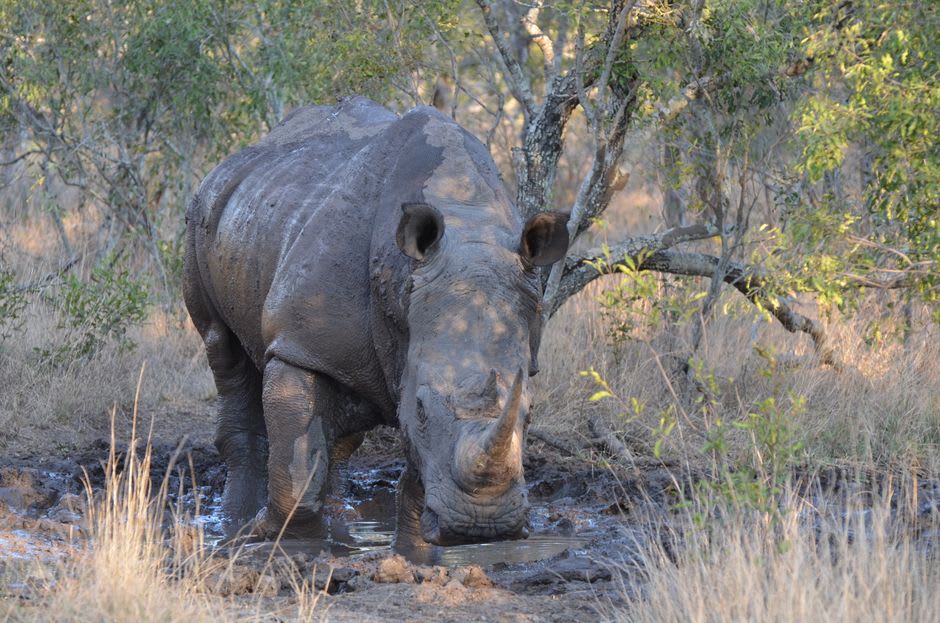
We did find tracks, twice — a deep, three-toed print pressed into drying mud near a salt lick, still sharp enough that Yusuf guessed it was under a day old. Lia crouched over it for a long minute without saying anything, and I remember feeling this odd mix of thrill and grief at the same time, knowing we were looking at evidence of one of maybe eighty animals alive anywhere. That night we camped near the mangroves on the park’s edge, ate grilled fish that our boat captain had caught that afternoon, and listened to hornbills crash through the canopy above the tent until well after dark.
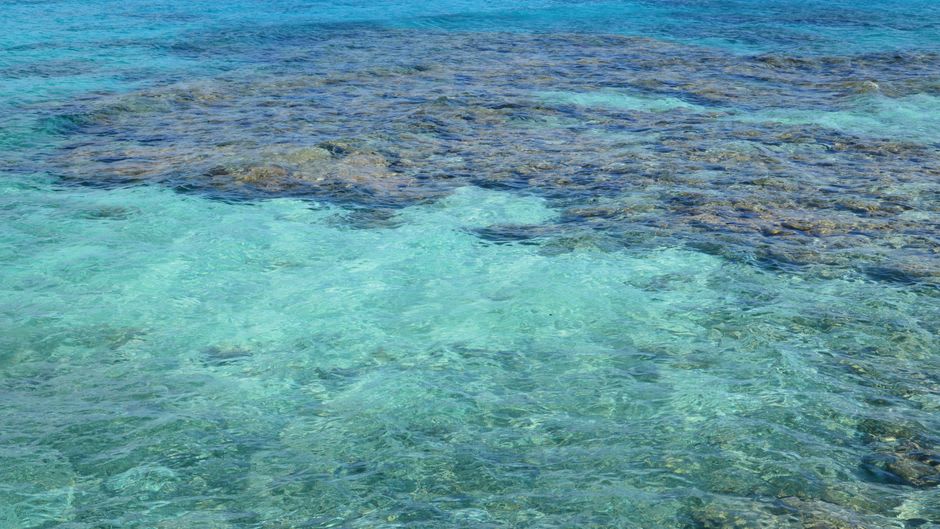
The last morning we snorkeled the reef just off Peucang Island, and it struck me how few UNESCO sites let you go from primary rainforest to living coral in the space of an afternoon. Ujung Kulon has held that World Heritage status since 1991, and standing on the beach afterward, salt still drying on my shoulders, I understood why: this isn’t a park protecting one thing, it’s protecting an entire, uninterrupted system — forest, mangrove, reef, and the last rhinos threading quietly through all of it.
When to go: Aim for the dry season, roughly May through September, when the trails stay firm enough to reach the interior and your odds of spotting wildlife — rhino tracks included — go up considerably.