
Mount Merapi
"The villagers came back because the soil grows everything — the volcano takes and gives and they have simply decided to accept the terms."
The most active volcano in Indonesia, where communities rebuilt on lava fields within months of eruption because the soil is simply too good to leave.

The Jeep tour into the Merapi disaster zone left Kaliurang at eight in the morning and my guide, Pak Heri, had been living on the volcano’s flank since he was born. He lost his house in the 2010 eruption. He rebuilt it in the same location. When I asked him why, he was quiet for a moment and then pointed to the edge of the road where a banana plant was growing out of what was still, technically, a hardened lava flow. “My grandfather planted the same thing in the same spot after 1953,” he said. “We know the cycle.”
Merapi — the name means Mountain of Fire in Javanese — erupts frequently, typically several times per decade with a major event every few years. The 2010 eruption was the largest in a century, killing three hundred and fifty people and displacing three hundred thousand more, burying entire villages under pyroclastic flow and depositing a layer of ash across central Java that was still visible months later. By 2012, most families had returned and rebuilt. The logic is not fatalism. It is agricultural pragmatism: volcanic soil on Merapi’s flanks grows salak fruit, coffee, and vegetables of a quality that flatland farmers in Java cannot approach, and for communities who have farmed here for generations, the calculus of risk is different than it appears to outside observers.

The disaster zone tour visits the petilasan — the preserved ruins of villages destroyed in 2010 — where houses stand half-buried in solidified lava, corrugated metal roofs poking above the grey surface, a mosque minaret emerging from the flow at a tilt. One of the houses belongs to the famous Mbah Marijan, the spiritual gatekeeper of Merapi who refused to evacuate in 2010 because he believed his role was to stay and perform the ritual offerings that kept the volcano appeased. He was killed by the pyroclastic flow. His house is now a site of quiet pilgrimage, and when I visited, there was a fresh offering of flowers and rice on the step.
The hiking option — for those with the legs and the predawn motivation — follows a trail from Selo village on Merapi’s north side to a viewpoint at around two thousand five hundred meters. The active summit, at two thousand nine hundred and thirty meters, requires permits and a guide and conditions that change daily based on the volcano’s current activity level. I did not summit. I reached the viewpoint in the grey hour before dawn, watched the cone materialize out of darkness, saw the thin plume of gas from the summit catch the first light and turn briefly white, and decided that was enough engagement with an active system for one morning.

Back in Kaliurang, a small hill resort town on Merapi’s southern flank, I ate a lunch of fresh corn ears and fried cassava at a roadside stall where the salak fruit — that strange, scaly-skinned fruit that tastes like a cross between pineapple and apple and slightly astringent persimmon — was piled in baskets everywhere. The salak here, grown in the volcanic soil, is measurably sweeter than what I had bought in Yogyakarta’s market two days before. This is what Pak Heri meant. You understand the tradeoff better when you taste it.
When to go: The dry season (May through September) offers the clearest summit views and the safest trail conditions for hiking. Check the current volcanic activity status through the Indonesian Volcanology Center before any summit or high-altitude attempt — Merapi’s alert level changes with eruption activity and access is restricted accordingly. Jeep tours of the disaster zone run year-round from Kaliurang.
Keep exploring
More from Java
 java
java Pangandaran
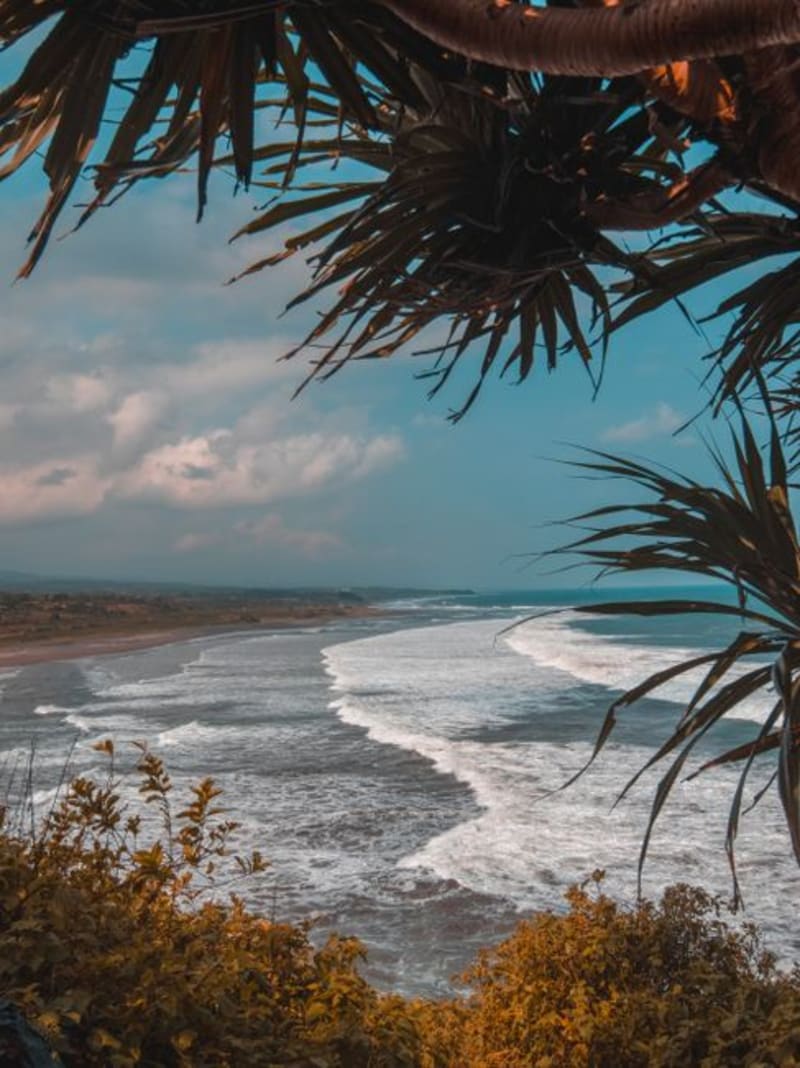
A peninsula town in West Java where you can watch the sun rise over one beach and set over another, still rebuilding its spirit since 2006.
Explore java
java Prambanan
A ninth-century Hindu temple city so perfectly proportioned it makes you question everything you thought you knew about ancient engineering.
Explore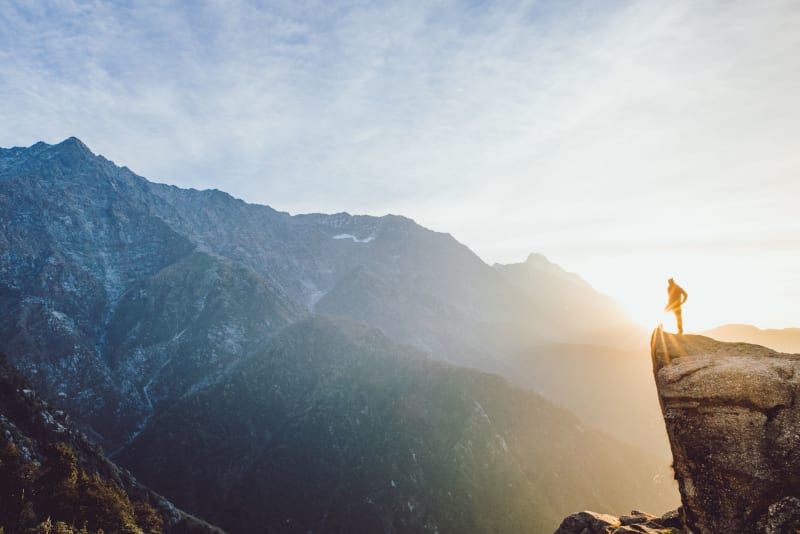 java
java Solo
Yogyakarta's quieter, older rival where Javanese court culture runs deepest and the batik is unambiguously the finest in Java.
Explore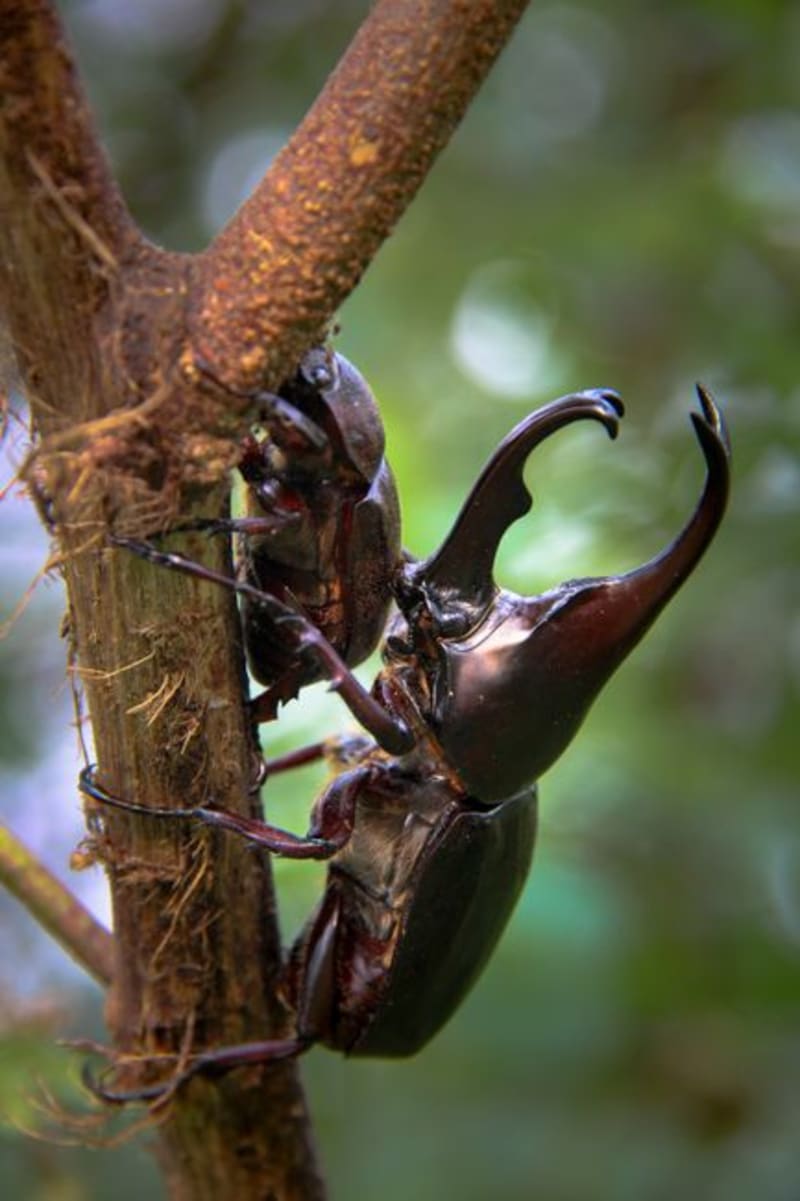 java
java Ujung Kulon National Park
A wild, roadless peninsula at Java's southwestern tip where fewer than 80 Javan rhinos survive in forest reborn from Krakatoa's ashes.
Explore java
java Yogyakarta
Java's cultural soul: a sultan's city where gamelan drifts through morning air and batik wax still burns in back-alley workshops.
Explore java
java Bandung
West Java's highland city of art deco architecture, volcanic crater lakes, and a fashion district that remade Indonesian street culture.
Explore