Yokote
"Come in, come in — the smallest voice I've ever been invited by, from inside a dome of snow."
Deep in Akita's snow country, Yokote spends its winters buried — and then, one February night, lights it all up. Hundreds of kamakura, hollow domes of packed snow, glow from within like paper lanterns while children inside offer you sweet rice wine. It is one of the gentlest, strangest festivals we found in all of Japan.

We had been warned that Akita in February is not a place you visit so much as endure, and the train in from the coast made a decent case for that — snow stacked to the windowsills of houses, the whole world reduced to white and the black scribble of bare trees. Then we came out of Yokote station into a dusk already thick with falling snow, and by the time full dark arrived the town had done the thing we’d come for, and I stopped feeling cold about it entirely.
The night the snow glows
The Kamakura festival happens every 15th and 16th of February, and it is roughly seven hundred years old. All across Yokote, townspeople build kamakura — squat domes of snow, hollowed out and big enough to sit several people, with a small altar inside dedicated to the water deity. At nightfall they light a candle in each, and the whole town fills with soft, buttery domes of light glowing up through packed snow. Inside sit the local children, and as you pass they call out — “Haitte tanse! Ogande tanse!” — come in, pray to the god, and here, have some. We ducked into one, knees to our chins, and a boy of maybe eight solemnly handed us cups of hot amazake and a grilled rice cake, taking his duties as host with total seriousness.

Little candles on the riverbank
Down along the Yokote River, the festival does something quieter and, to me, even lovelier. On the snowbanks people carve hundreds of tiny mini-kamakura, each no bigger than a shoebox, and set a single candle in each. From the bridge you look down on a whole hillside of them — a scattering of small flames on blue snow, flickering, going out one by one and being relit. Lia leaned on the railing without speaking for a long time. It was properly, achingly cold, the kind that finds the gaps in your gloves, and neither of us wanted to leave.

Yakisoba and a castle in the snow
Yokote has a second, warmer claim to fame: its yakisoba, a local obsession of thick springy noodles topped with a fried egg and, oddly and rightly, pickled ginger. We ate it standing at a steamy counter with our coats still on, grateful past words. The next morning, the snow having eased, we climbed to Yokote Castle — a small hilltop keep, more town lookout than fortress — and stood in knee-deep drifts looking out over a valley smoothed white to the mountains. The kamakura were gone by daylight, just wet mounds now, but the memory of all that low warm light held on the whole train ride home.
Getting There
Yokote sits in the Ōu basin of inland Akita, on the JR Ōu Main Line. From Akita Station it’s about ninety minutes by local train, or take the Akita Shinkansen to Ōmagari and change. The Kamakura festival is fixed to 15–16 February, so plan around those two nights and book a room early — the town’s few inns fill fast, and many visitors stay in Akita city and come in for the evening. Dress far warmer than you think you need to; this is genuine snow country, and the magic all happens standing still, outdoors, after dark.
Keep exploring
More of Tōhoku
Keep exploring
More from Tōhoku
 japan
japan Kakunodate
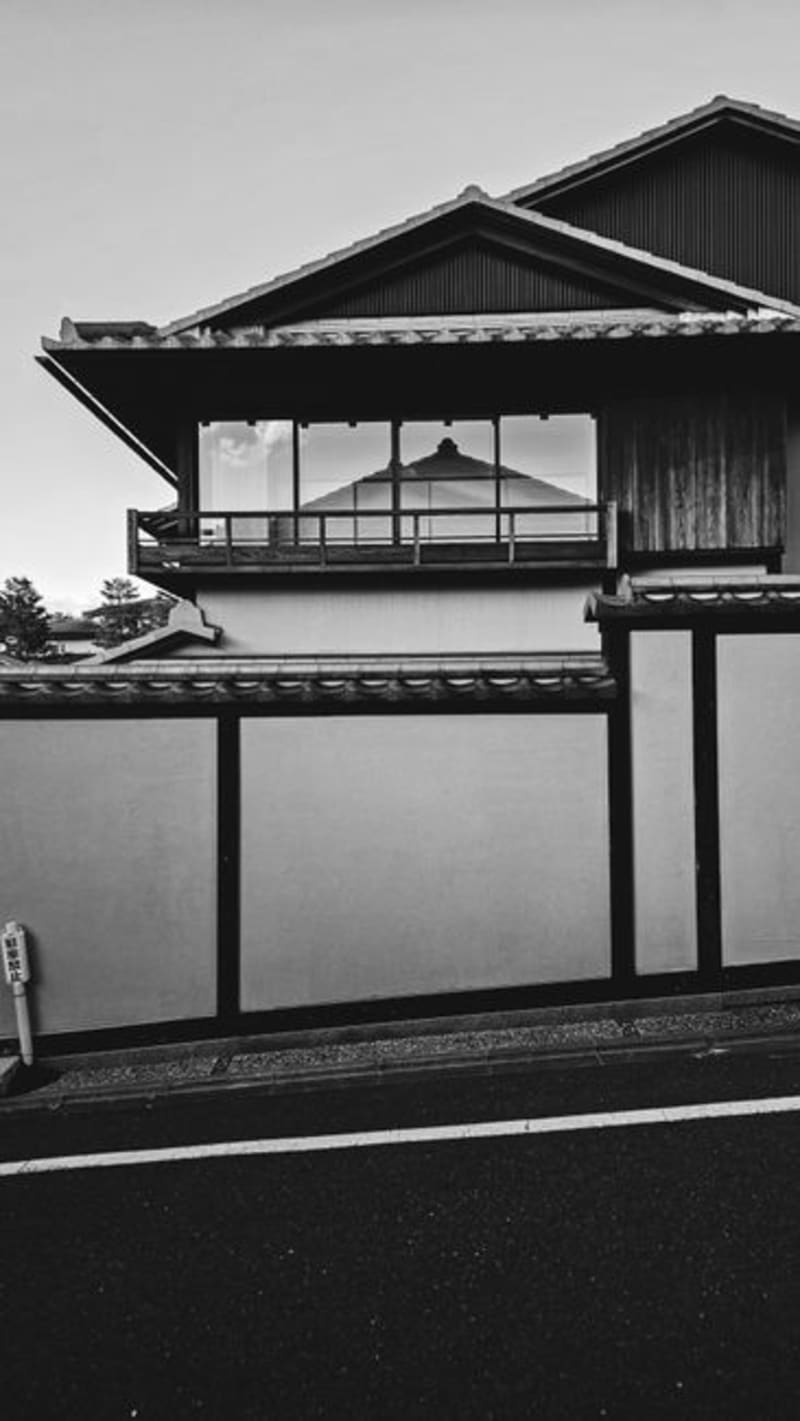
A preserved samurai quarter in the Akita mountains, where dark-timbered mansions stand behind long earthen walls beneath tunnels of weeping cherry trees. The little Kyoto of Tōhoku, at its most breathtaking for two weeks in spring.
Explore japan
japan Lake Tazawa
A startlingly blue crater lake in the mountains of Akita, the deepest in Japan, with the golden Tatsuko statue standing in its shallows. Serene, vivid, and close to the wild cedar baths of Nyūtō. A place that seems lit from below.
Explore japan
japan Akita
A Tōhoku castle city on the Sea of Japan, home of the summer Kantō festival where performers balance towering poles hung with lanterns. Green Senshū Park on the old castle grounds, kiritanpo hotpot on cold nights, and some of the finest sake in the country.
Explore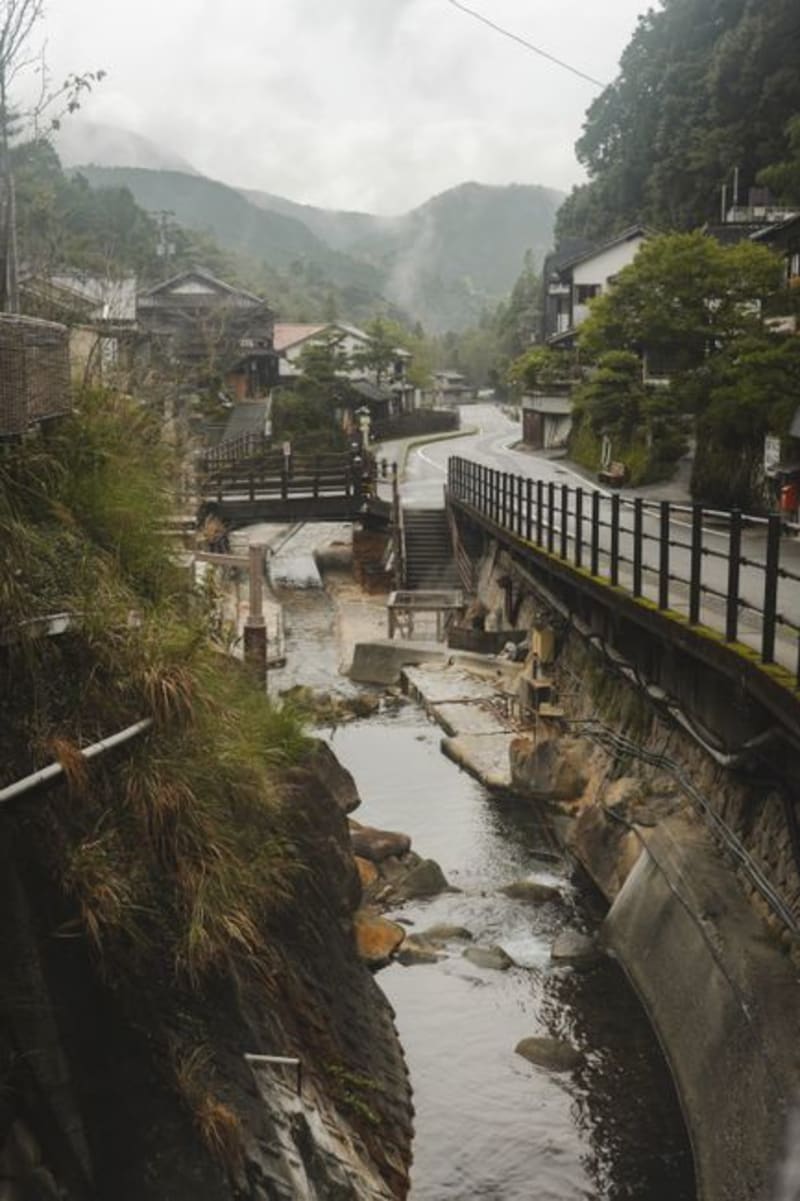 japan
japan Nyūtō Onsen
A cluster of secluded, centuries-old hot-spring inns hidden deep in the Akita mountains. Milky-white open-air baths steaming in the forest, thatched-roof ryokan warmed by irori hearths, and the feeling of having slipped clean out of the modern world.
Explore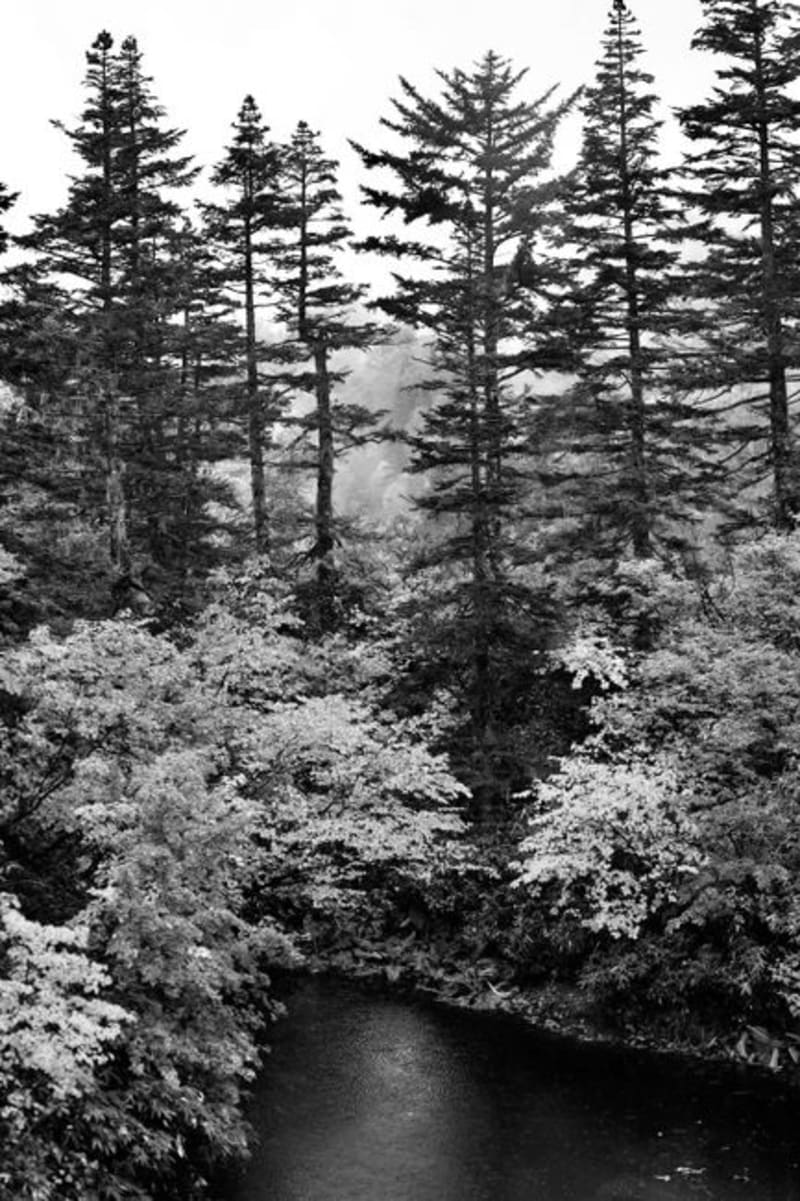 japan
japan Hanamaki
An Iwate hot-spring town that gave the world Miyazawa Kenji — poet, teacher, dreamer of a private utopia he called Ihatov. The onsen are old and generous, the countryside soft and wide, and the whole place seems half-lit by one gentle man's imagination. It's quiet in a way that gets under your skin.
Explore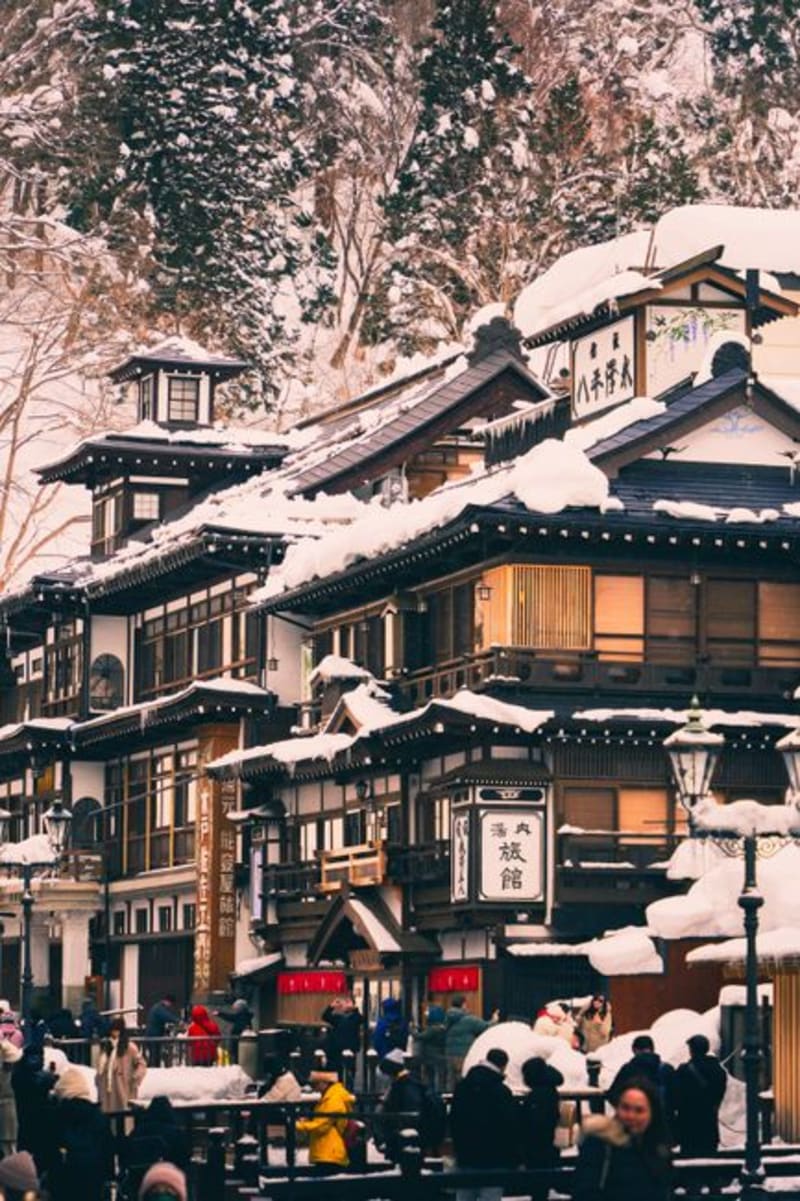 japan
japan Naruko Onsen
A Miyagi hot-spring town wedged into a gorge that catches fire every autumn. Sulfur drifts through the streets, kokeshi dolls watch from every shopfront, and the bathhouses run water in colors you don't expect. It's a working onsen town, worn and warm, with none of the polish and all of the soul.
Explore