Genbikei Gorge
"You knock on a board, and a basket of dumplings comes flying across the ravine."
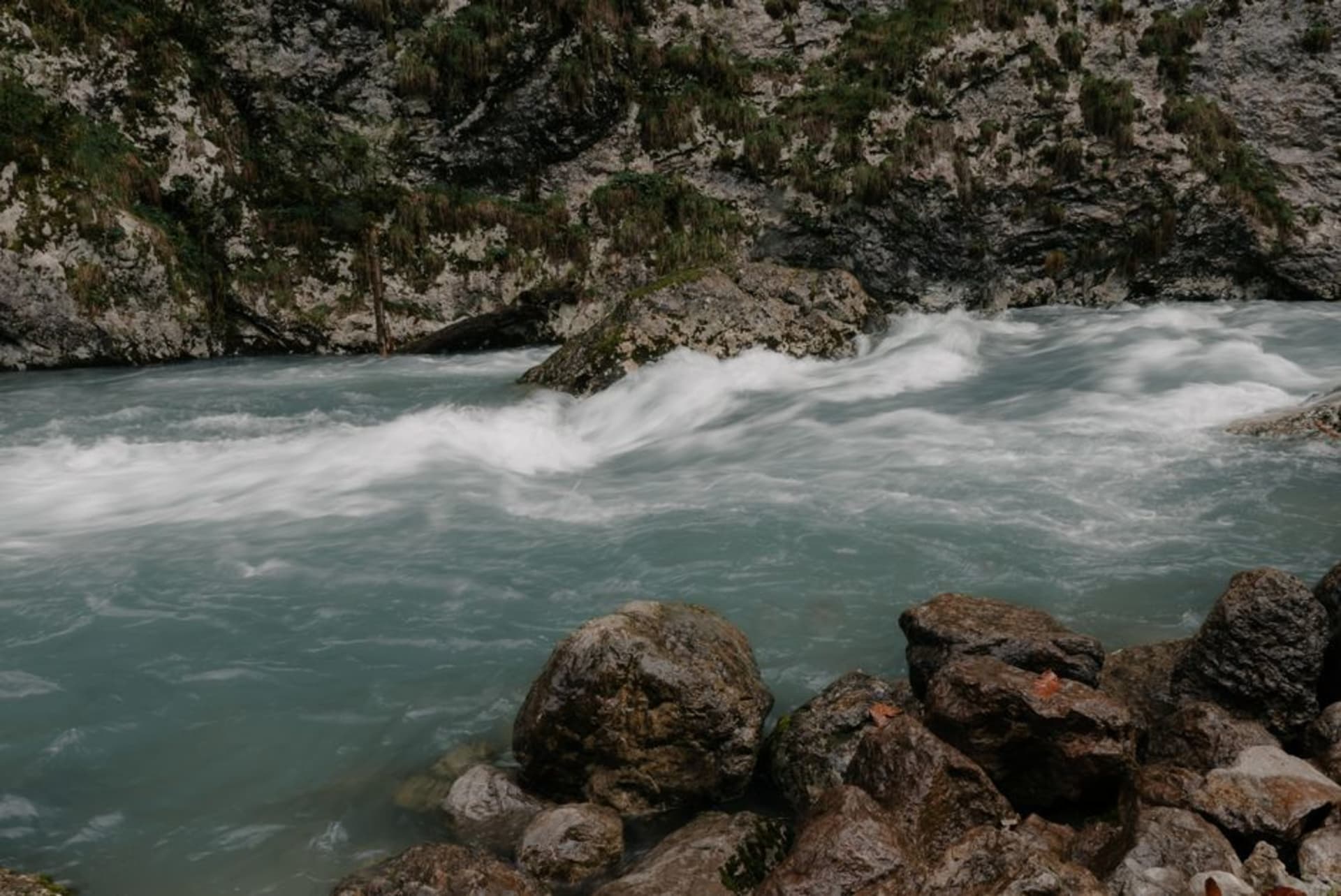
A short, violent, gorgeous ravine where the Iwai River throws itself over jagged rock in a froth of white and jade. The signature trick: dumplings that fly to you across the gorge on a rope and pulley. It is loud, it is silly, and it is one of my favourite half-hours in all of Tohoku.

I will admit we came to Genbikei for the flying dumplings and not the geology, which is a slightly shameful thing for a travel writer to confess. But Lia had seen a photo of a wooden basket zip-lining across a gorge with dango inside it, and once she’d seen it there was no un-seeing it. What surprised us both was that the gorge itself — a churning, muscular little ravine less than a kilometre long — turned out to be the real show, and the dumplings merely the encore.
The rapids up close
Genbikei is everything its gentler neighbour Geibikei is not. Where Geibikei is glassy and slow, Genbikei is all noise and motion: the Iwai River squeezing through hard rock, hammering out potholes and cauldrons, throwing spray high enough to mist your face from the footbridge. You walk along the rim on a path that keeps delivering you to new vantage points — a jade pool here, a white chute there, the water so aerated in places it looks like boiling milk. We stood on the red-railed bridge for a long time just watching one particular hollow where the current spun in a permanent circle, going nowhere with enormous effort.

Kakko dango, delivered by rope
Here is how the famous thing works. On the far bank of the gorge sits a little shop. On your side, a wooden board and a hammer hang beside a basket clipped to a rope-and-pulley line strung across the water. You put your money in the basket, whack the board with the mallet to signal the shop, and the basket goes sailing back across the gorge. A few minutes later it comes zipping back — the kakko dango inside, three skewers of soft mochi dumplings with sweet bean paste, sesame, and mitarashi, plus a cup of green tea, unspilled. Lia rang the hammer far too enthusiastically and we both watched our little basket fly out over the rapids like it was the most natural delivery system in the world. The dango were genuinely good: warm, chewy, not too sweet.

The quiet upstream stretch
Most people cluster at the dumpling line and the main falls, so we walked further upstream where the crowd thins and the river calms into clearer, glassier pools. There’s a Buddhist statue tucked among the rocks, and the light comes down green through the trees. We sat on a warm boulder eating the last dumpling and Lia pointed out that this — a ravine you can cross in half an hour, with a snack flown to you on a string — was somehow more memorable than half the grand temples we’d queued for. I didn’t disagree. Genbikei doesn’t ask much of you and gives back more than it should.

Getting There
Genbikei is in Ichinoseki, southern Iwate, and pairs naturally with Geibikei Gorge — despite the near-identical name, they’re two different ravines about a twenty-minute drive apart. From Ichinoseki Station (JR Tohoku Shinkansen), local buses run to Genbikei in around thirty minutes, or it’s a quick taxi. The dumpling shop keeps daytime hours and closes in bad weather, so go earlier rather than later, and bring small coins for the basket.
Keep exploring
More of Tōhoku
Keep exploring
More from Tōhoku
 japan
japan Ginzan Onsen
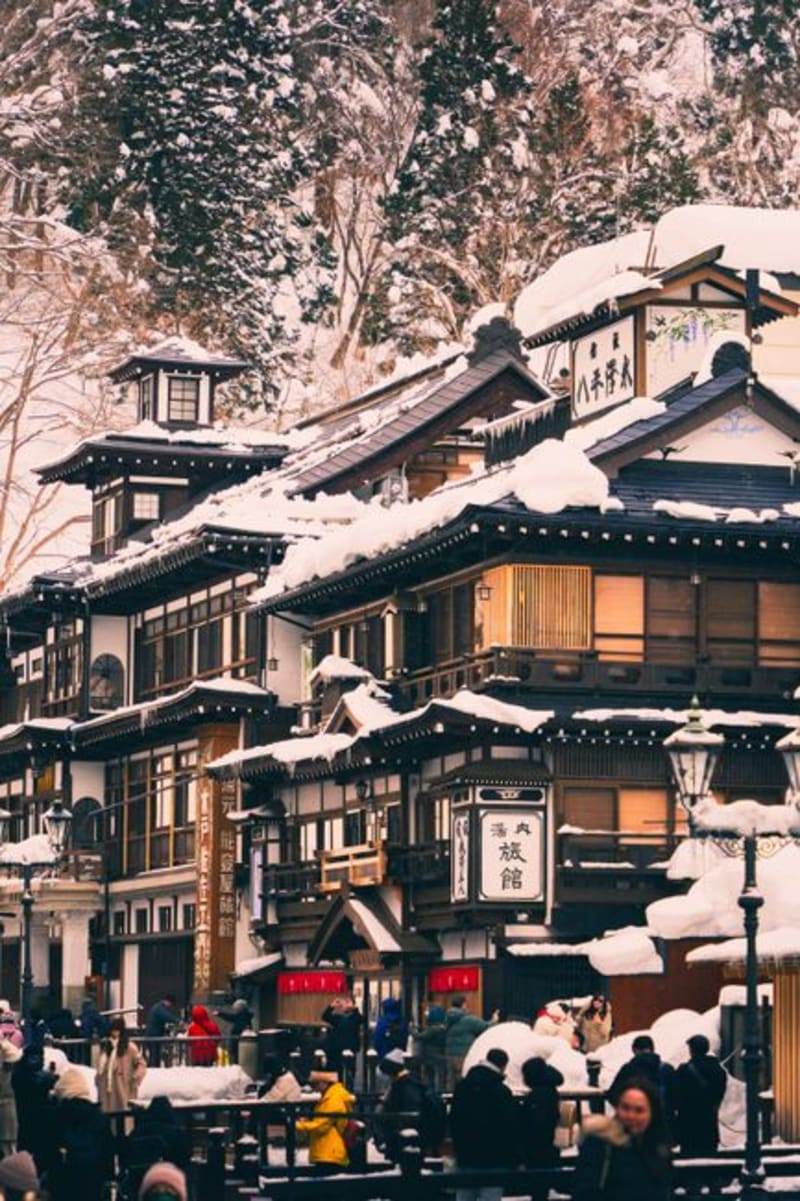
A jewel of a hot-spring town buried deep in the Yamagata mountains, where tall wooden Taishō-era inns line a narrow river and gas lamps glow over the snow at night. Remote, storybook, and almost impossibly atmospheric. The Japan of an old dream.
Explore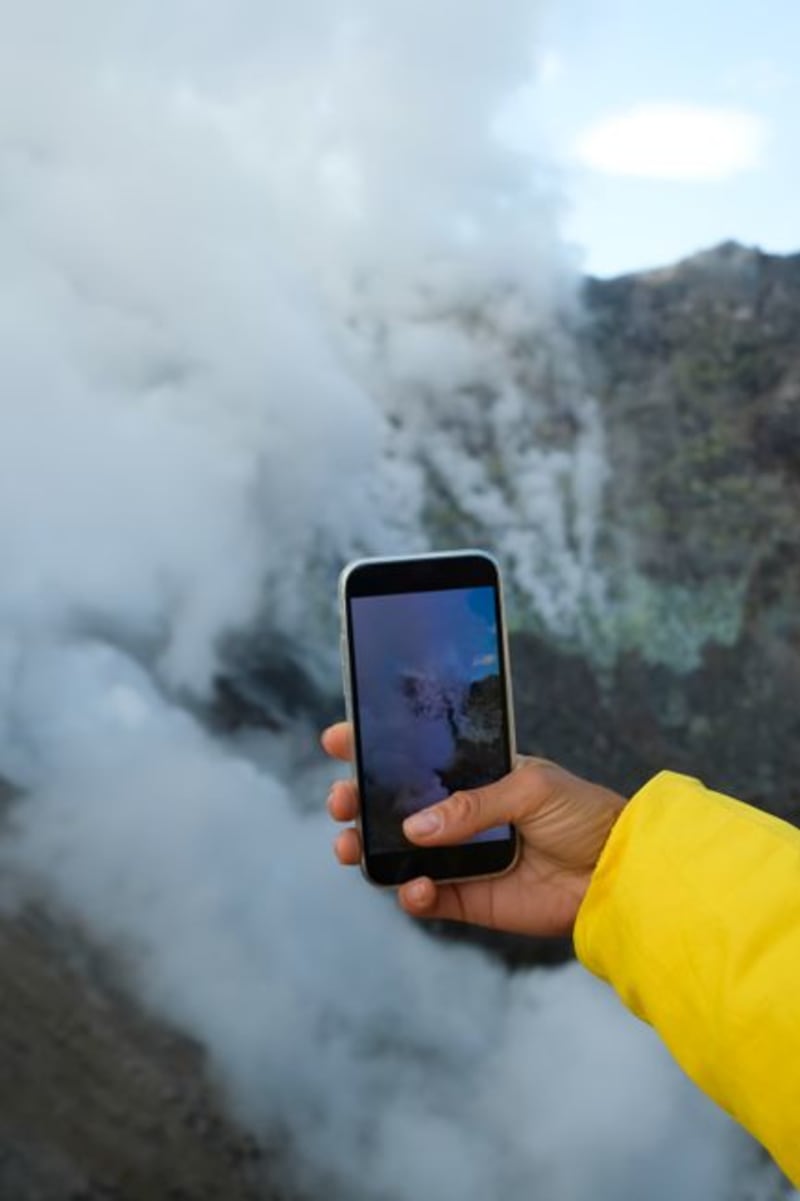 japan
japan Goshikinuma
A gentle walking trail below shattered Mount Bandai, threading past a string of volcanic ponds that refuse to be the same colour twice. Turquoise, jade, cobalt, a milky pale blue — the same minerals, the same light, and yet each pool its own impossible shade. We walked it slowly and argued happily about the names of colours.
Explore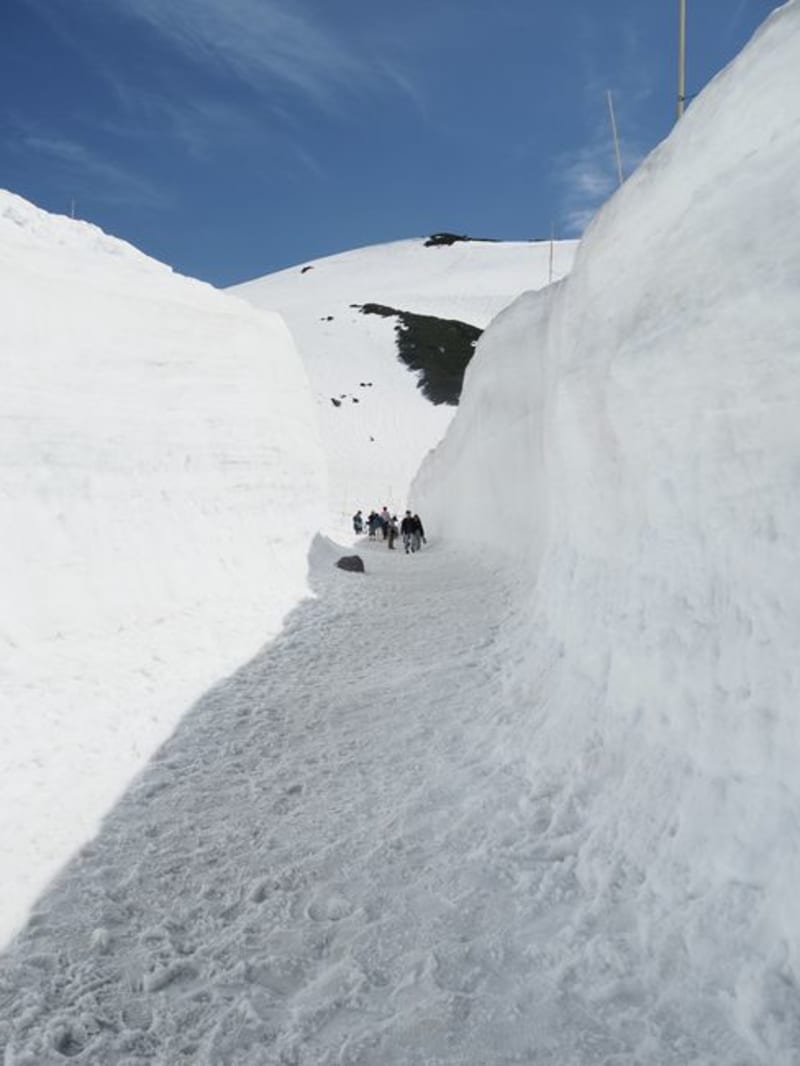 japan
japan Hachimantai
A high volcanic plateau straddling Iwate and Akita, all alpine marsh and crater ponds and open sky. A dramatic spring snow-corridor drive, remote hot springs, and blazing autumn colour on the roof of Tōhoku.
Explore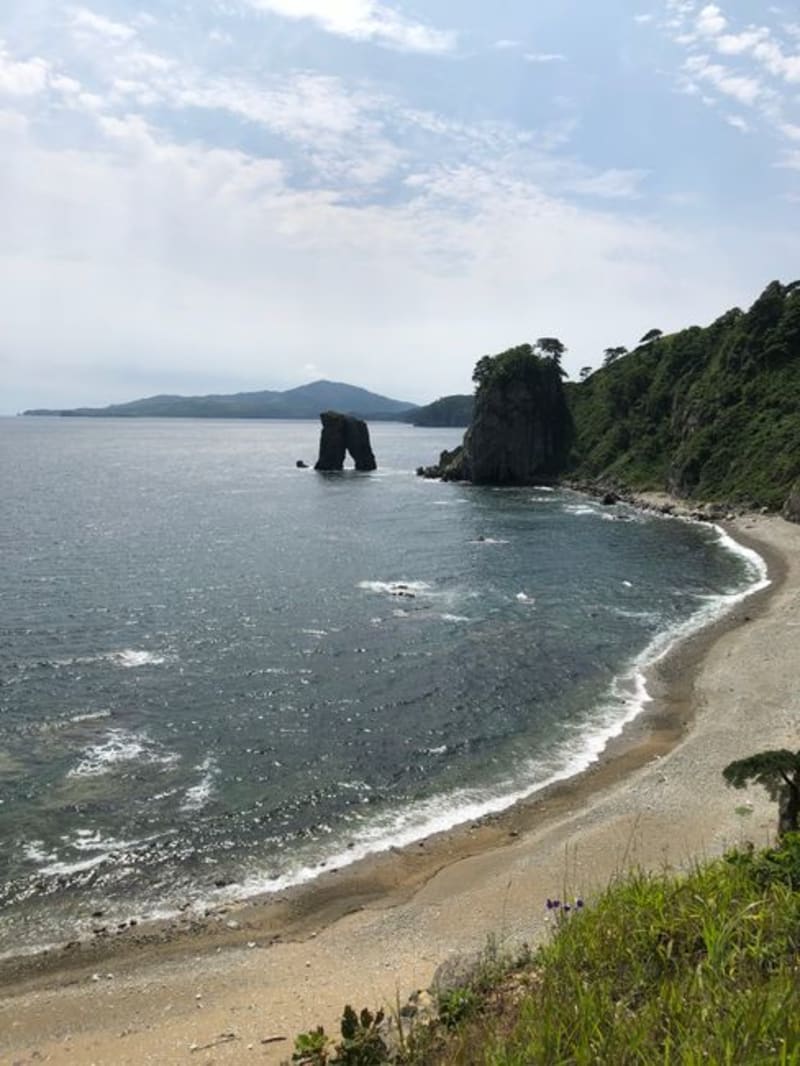 japan
japan Hachinohe
An Aomori port city that keeps its back to the tourist trail and its face to the Pacific. A vast Sunday-dawn market, a warren of tiny drinking alleys, seafood pulled from cold northern water, and a green coast where the grass runs right down to the tide.
Explore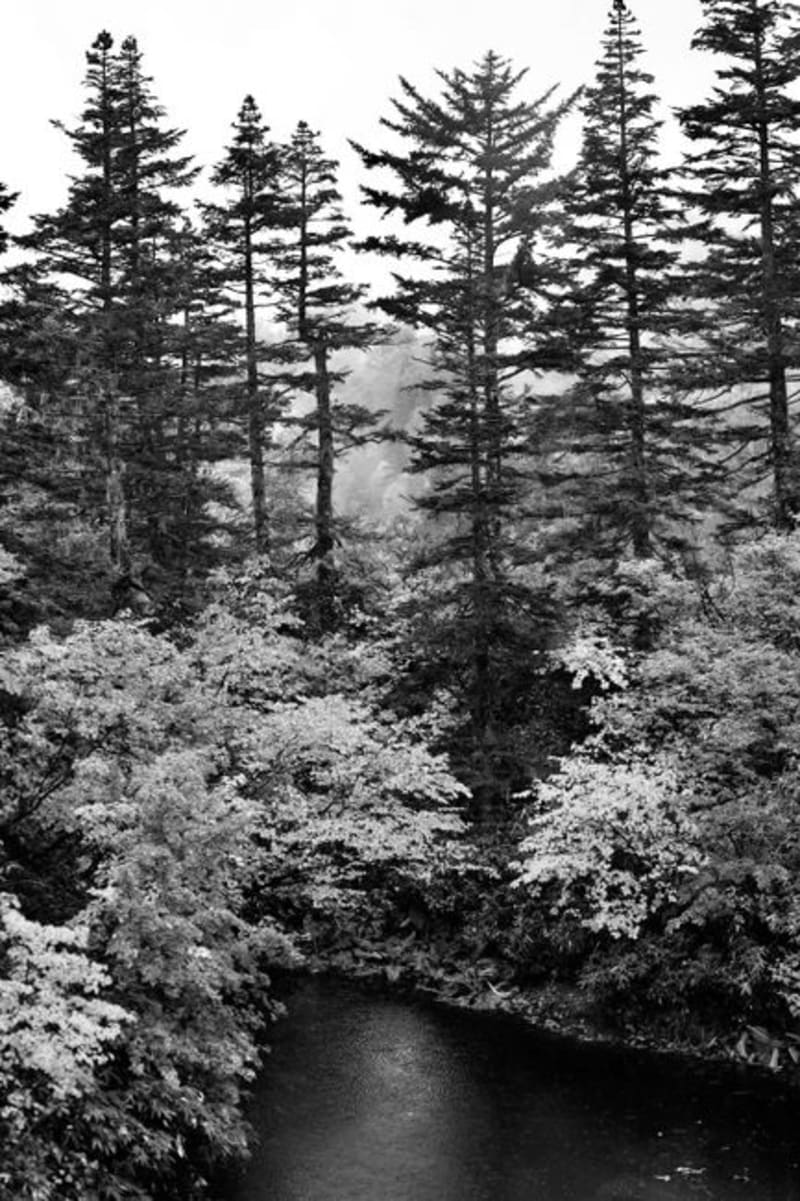 japan
japan Hanamaki
An Iwate hot-spring town that gave the world Miyazawa Kenji — poet, teacher, dreamer of a private utopia he called Ihatov. The onsen are old and generous, the countryside soft and wide, and the whole place seems half-lit by one gentle man's imagination. It's quiet in a way that gets under your skin.
Explore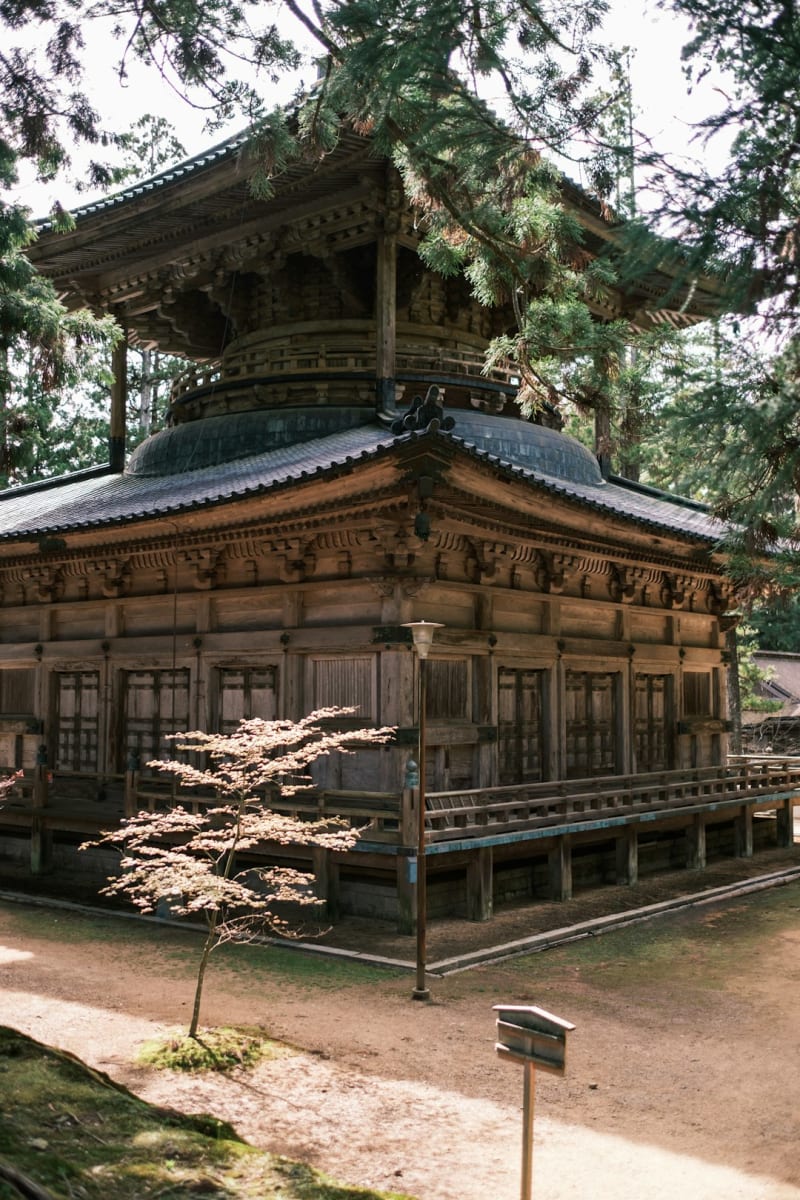 japan
japan Hiraizumi
A vanished northern capital in the Iwate hills, where a hall of solid gold leaf survives under glass and a Pure Land garden still mirrors the paradise its builders longed for. A UNESCO site that whispers rather than shouts.
Explore