Kume Island
"Some beaches you visit. Hatenohama, you just stand on and stop talking."
A quiet Okinawan island where a seven-kilometer sandbar floats between two shades of blue and silk looms still click in wooden houses.

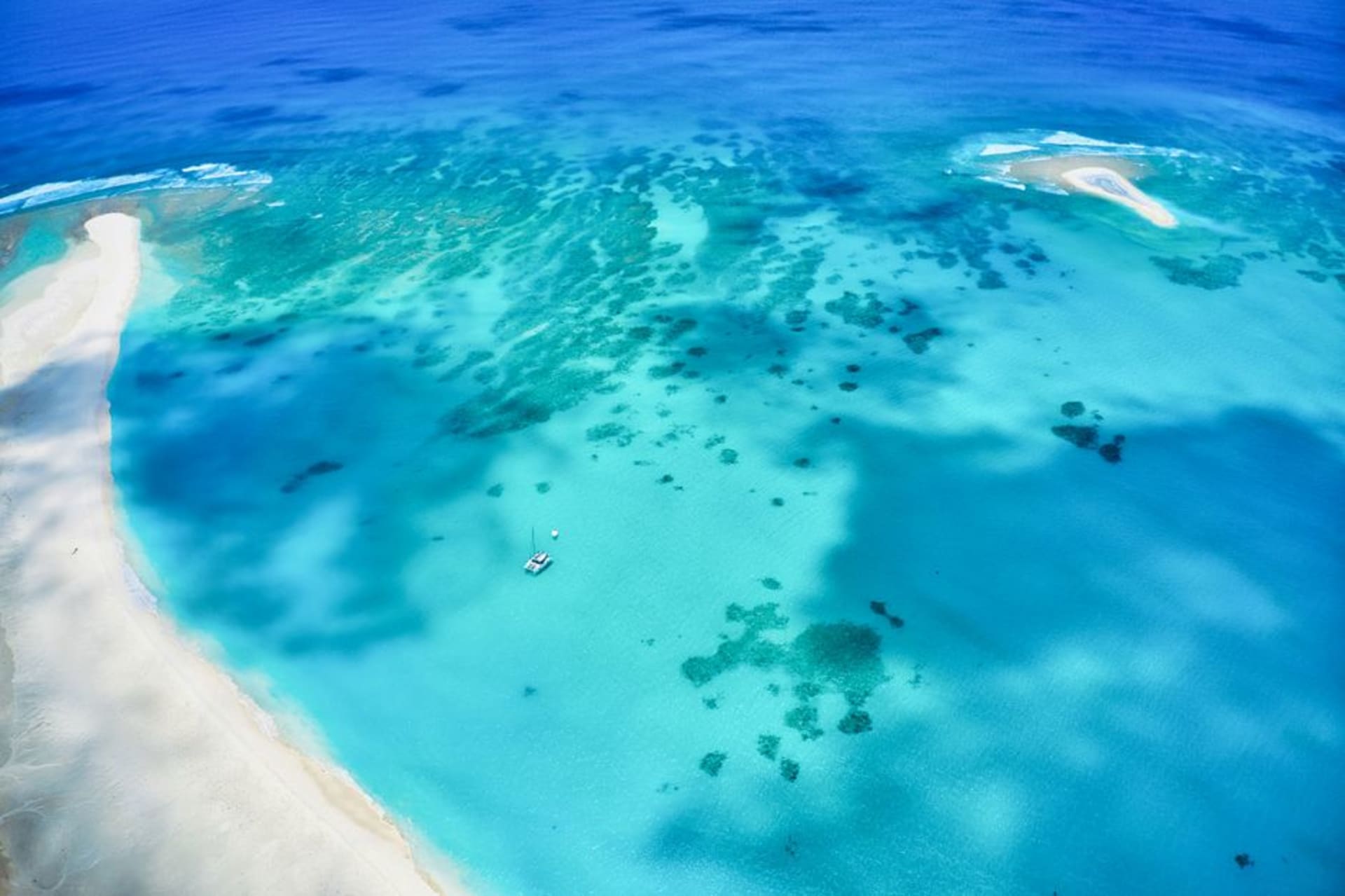
We took the small propeller plane from Naha almost on a whim — Lia had seen a photo of a sandbar with no land in sight, just white sand cutting the sea in half, and refused to believe it was real until we were standing on it. Kume Island sits about 100 kilometers west of the main island, close enough for a day trip but far enough that almost nobody bothers, and that absence of crowds is the first thing you notice. The boat out to Hatenohama took maybe fifteen minutes, and then the water changed color three times before we even reached the sand — navy, then teal, then that impossible glassy turquoise you assume is Photoshopped until you’re wading through it.

Hatenohama has no shade, no vendors, nothing growing on it at all — just seven kilometers of sand so fine it squeaked under our feet, with sea on both sides like we were walking a tightrope across the ocean. We’d packed lunch in a cooler because we’d read there was nothing out there, and we ended up eating musubi sitting directly in the sand, watching a couple of local fishermen work the shallows with nets. I remember thinking it was the closest I’d come to feeling like I was somewhere genuinely outside of time.
Back on the main island, we spent an afternoon at Uezu House, a traditional residence built around 1750 that’s now a registered Important Cultural Property — one of the oldest houses still standing in Okinawa. The wood had that dark, oiled patina that only comes from centuries of hands and weather, and an older woman tending the grounds told us, through a mix of gestures and the little Japanese I’ve picked up, that families had lived and cooked in that same kitchen for generations. Later that day we wandered into a small workshop where a weaver was working a Kumejima-tsumugi loom, the UNESCO-recognized silk tradition the island is known for — the rhythm of the shuttle, the concentration on her face, felt like watching a small, private ceremony we’d been let into by accident.

What surprised me most was learning about the island’s deep-sea water research facility, which pulls up exceptionally clean water from far offshore and turns it into everything from cosmetics to the local soft-serve ice cream we bought at a roadside stand — cold, faintly mineral, oddly perfect after a day in the sun. Kume Island doesn’t try to convince you of anything; it just sits there being quietly, thoroughly itself, and somehow that was more memorable than half the “must-see” spots we’d rushed through elsewhere in Okinawa.
When to go: Aim for April to June or October — the water is warm, the light is soft, and you’ll dodge the worst of the typhoon season that can shut down the boats to Hatenohama in peak summer.
Keep exploring
More of Kyūshū & Okinawa
Keep exploring
More from Kyūshū & Okinawa
 japan
japan Zamami Island
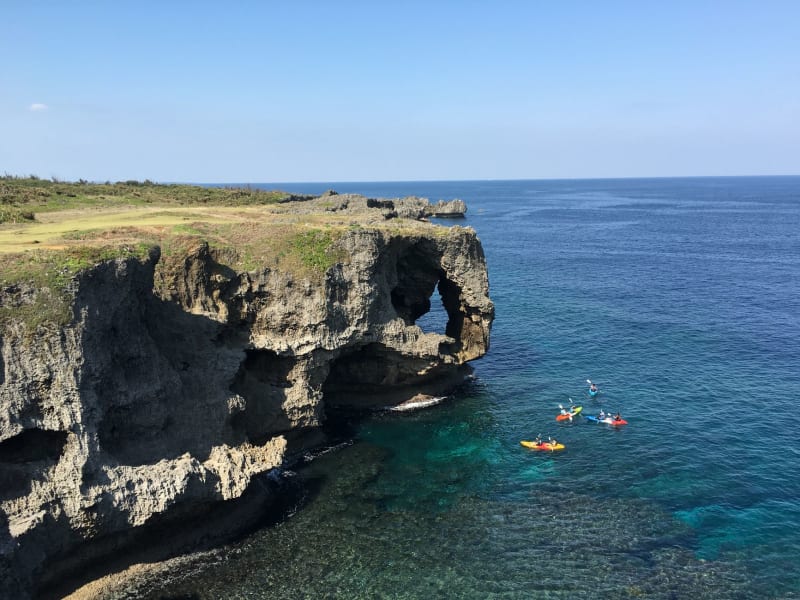
A one-hour ferry from Naha delivers you to water so clear and coral so alive it makes tropical beaches elsewhere feel like imitations.
Explore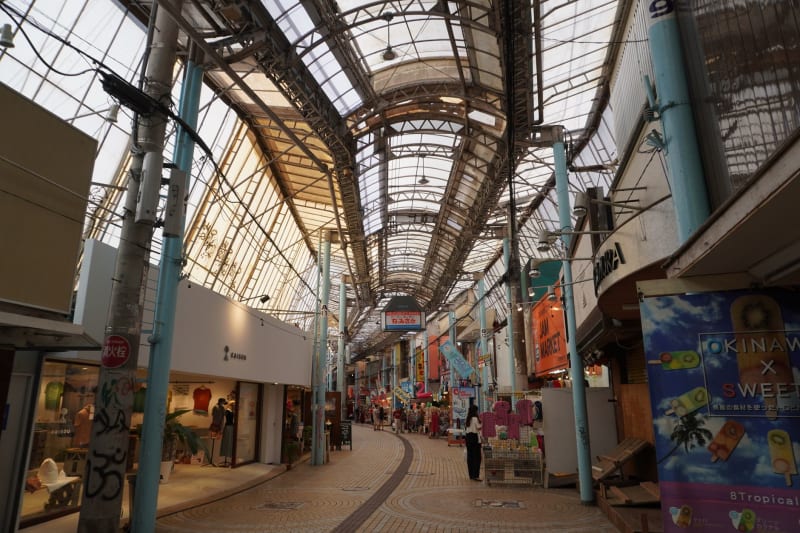 japan
japan Itoman
The southern tip of Okinawa — a fishing town with the island's most important war memorial and the weight that comes with it.
Explore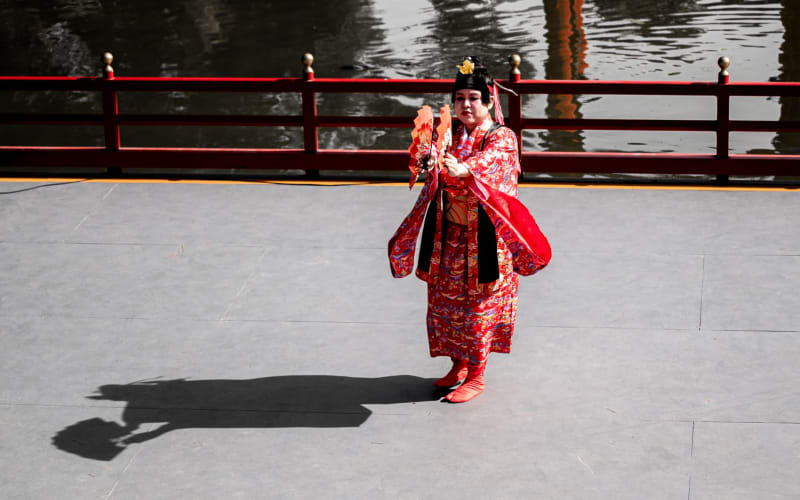 japan
japan Shuri Castle
The burnt-and-rebuilt heart of the Ryukyuan kingdom — a castle that belongs to a civilization Japan absorbed but never erased.
Explore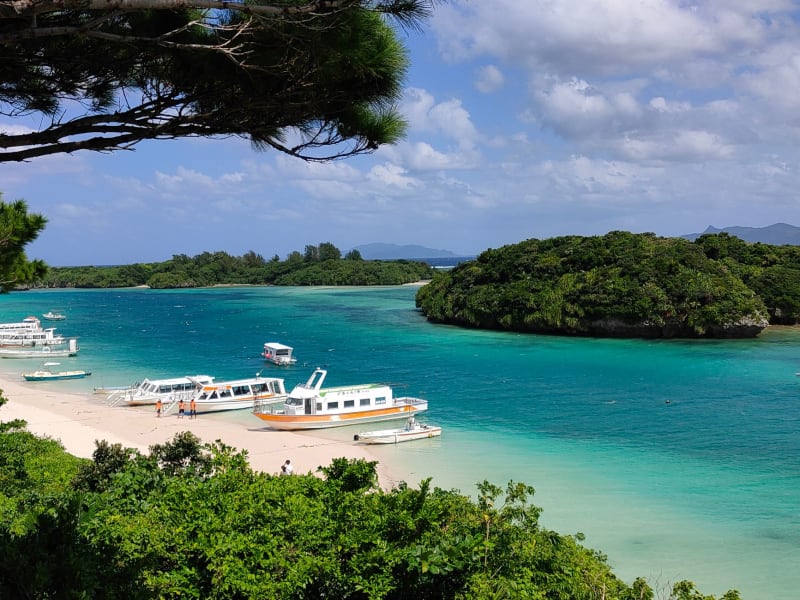 japan
japan Kouri Island
A small bridge island off northern Okinawa with two beaches, a love legend, and water so clear it makes you distrust colour.
Explore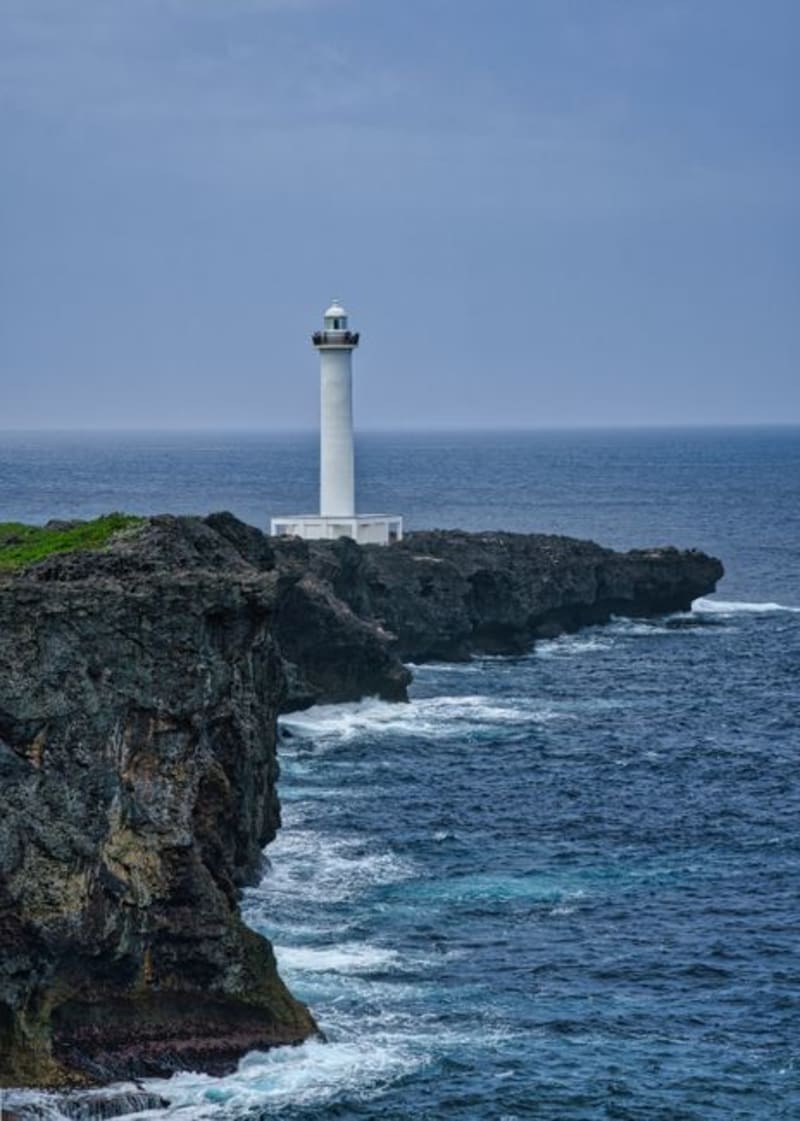 japan
japan Cape Hedo
Where Okinawa runs out of land and the East China Sea crashes into the Pacific along raw limestone cliffs.
Explore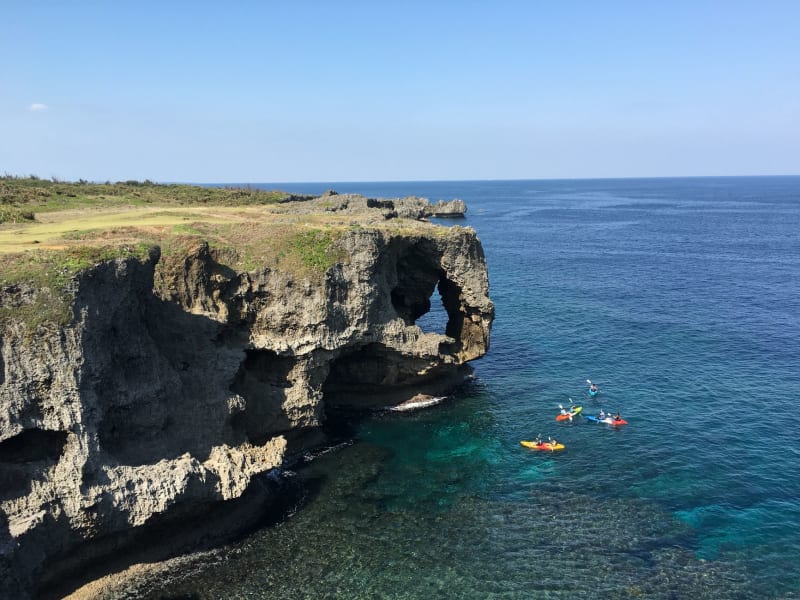 japan
japan Iriomote Island
Ninety percent jungle, one paved road, and more wild cats than foreign visitors — Japan's last genuinely untamed island.
Explore