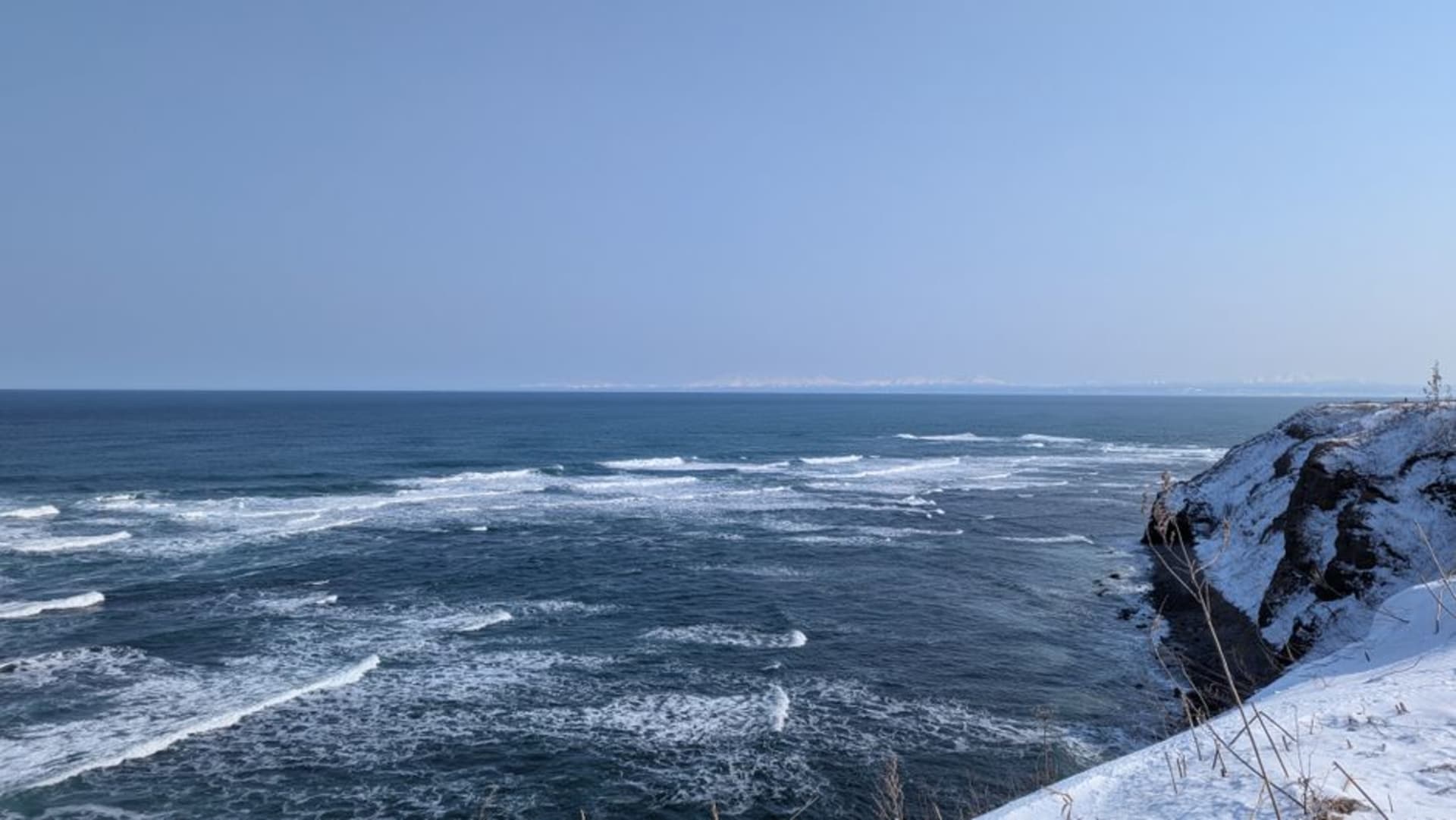
Kunisaki Peninsula
"Around every bend, another Buddha carved straight into the rock, quietly watching the road."
A syncretic Buddhist-Shinto mountain culture practiced since the 8th century has left this peninsula scattered with thousands of carved stone Buddhas, and its oldest temple hall is Kyushu's oldest surviving wooden structure.

We came to Kunisaki without much of a plan, just a loop of mountain roads circling out from Beppu that a hostel owner had recommended almost apologetically, saying it wasn’t as famous as it deserved to be. That turned out to be a serious understatement. The peninsula has practiced a distinct fusion of Buddhist and Shinto belief since the 8th century, and the physical evidence of it is everywhere: thousands of stone Buddhas carved directly into the peninsula’s volcanic rock, some tucked so deep into the forest that we only found them because a faded signpost pointed the way. Lia, who usually sets the pace on these drives, kept insisting we pull over for just one more.
Stone Buddhas in the Forest
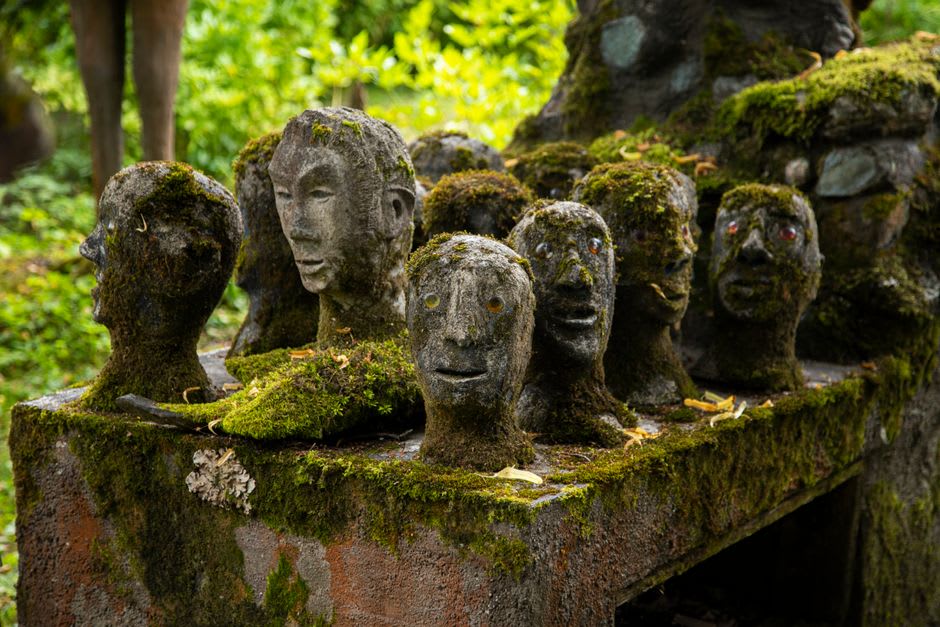
Local legend credits a single monk with carving an enormous number of these Buddhas by hand, a claim that felt more like devotion than literal history but which nonetheless shaped how we looked at every statue we found. Some stand in clearings barely wide enough for two people, moss creeping up their shoulders, while others sit half-swallowed by tree roots that have grown around them over centuries. We found the largest cluster after a short, quiet hike through cedar forest, the light filtering down in slow shifting patches, and stood there for a while simply looking at faces worn soft by rain and time. It’s the kind of quiet, unmonetized spirituality that’s increasingly hard to find layered this thick.
Kyushu’s Oldest Wooden Hall
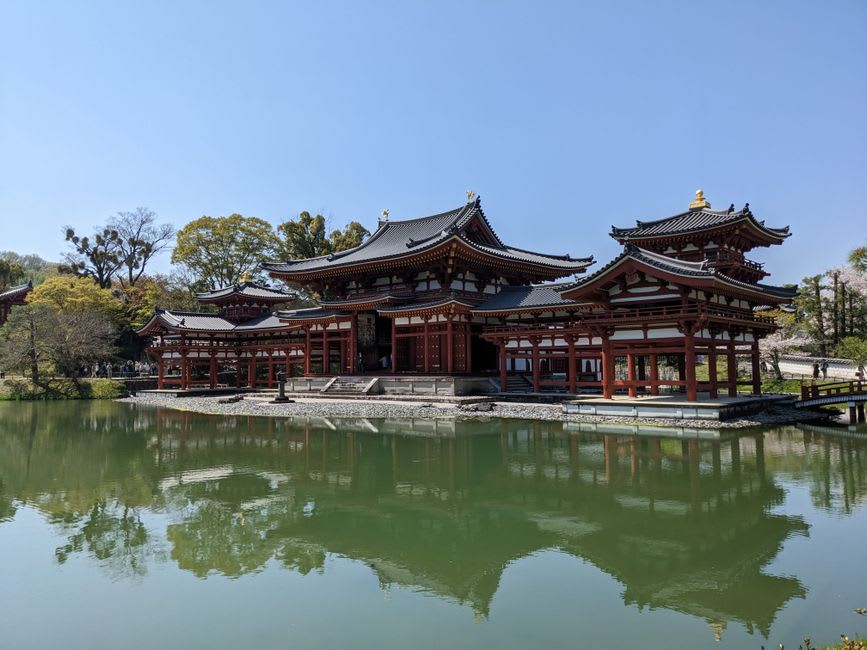
Further along the loop we stopped at a temple whose main hall dates to the late Heian period, making it the oldest surviving wooden structure in all of Kyushu and a designated national treasure. It doesn’t look flashy from the outside — dark timber, a modest scale, set against the hillside without much fanfare — but knowing its age changed how carefully we looked at every joint and beam. A caretaker monk let us step inside briefly and pointed out details in the woodwork that had survived centuries of typhoons and earthquakes, speaking about the building the way you’d talk about an elderly relative who has simply refused to give up.
The Loop Road at Dusk
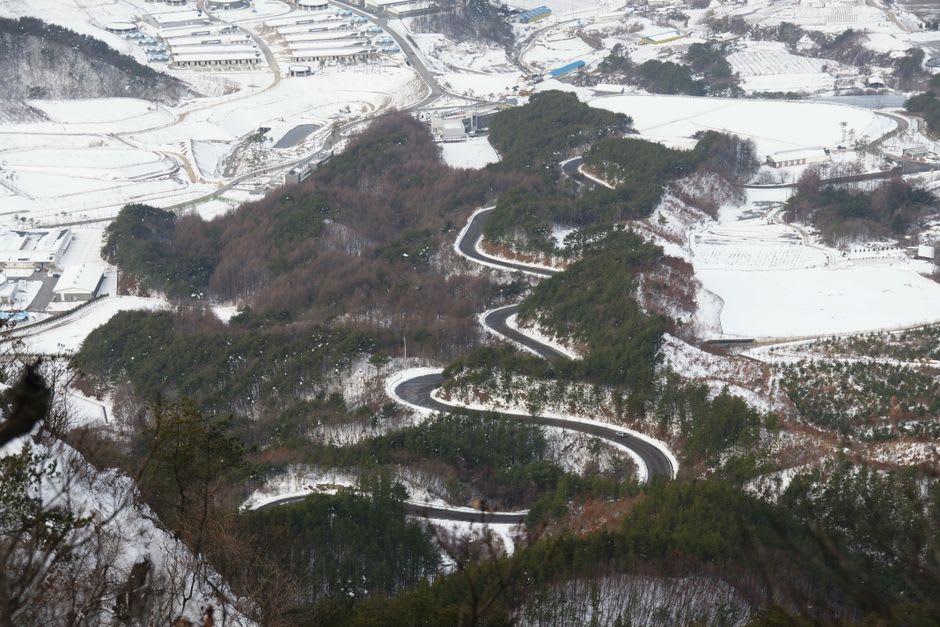
We ended up driving most of the peninsula’s mountain loop in a single long afternoon, stopping wherever a shrine gate or a carved cliff face demanded it, and finished as the light dropped low and gold through the cedar forest. There’s a particular quiet to Kunisaki at that hour, temple bells occasionally drifting up from a valley we couldn’t see, mist starting to pool in the lower folds of the mountains. Lia said it was the first time all trip she’d felt like we’d found somewhere genuinely underexplored, and for once I didn’t think she was exaggerating for effect.
Getting There
Kunisaki Peninsula is best explored by rental car, starting from either Beppu or Oita City, both a reasonably short drive from the peninsula’s base. Public transport across the peninsula’s interior is sparse, with the stone Buddhas and temple halls often set well off any bus route, so a car really is the practical way to see more than a fraction of it. Give yourself a full day for the loop road, and don’t rush it — the peninsula rewards the kind of unplanned stop that a fixed itinerary tends to squeeze out.
Keep exploring
More of Kyūshū & Okinawa
Keep exploring
More from Kyūshū & Okinawa
 japan
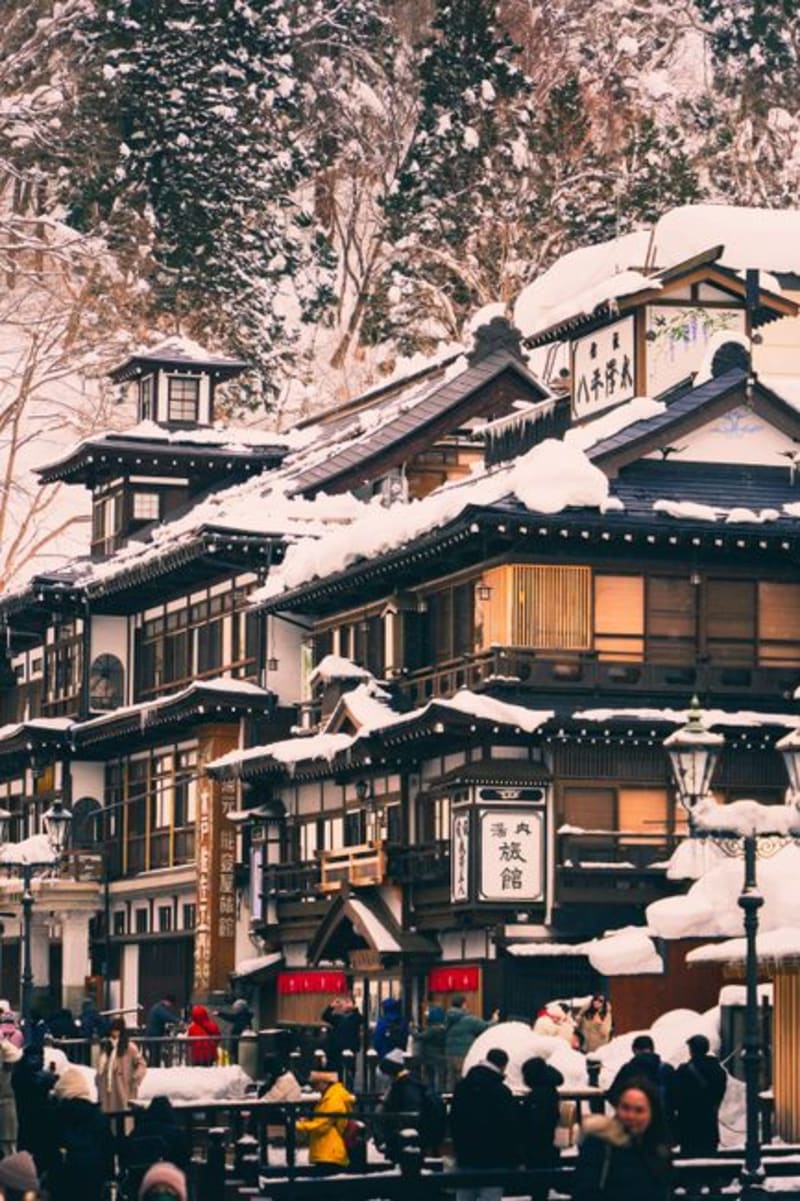
japan Kurokawa Onsen
A rustic hot-spring village hidden in the hills of Kumamoto, all wooden bathhouses, lantern-lit lanes, and open-air baths beside a rushing river. Made for wandering from one steaming pool to the next.
Explore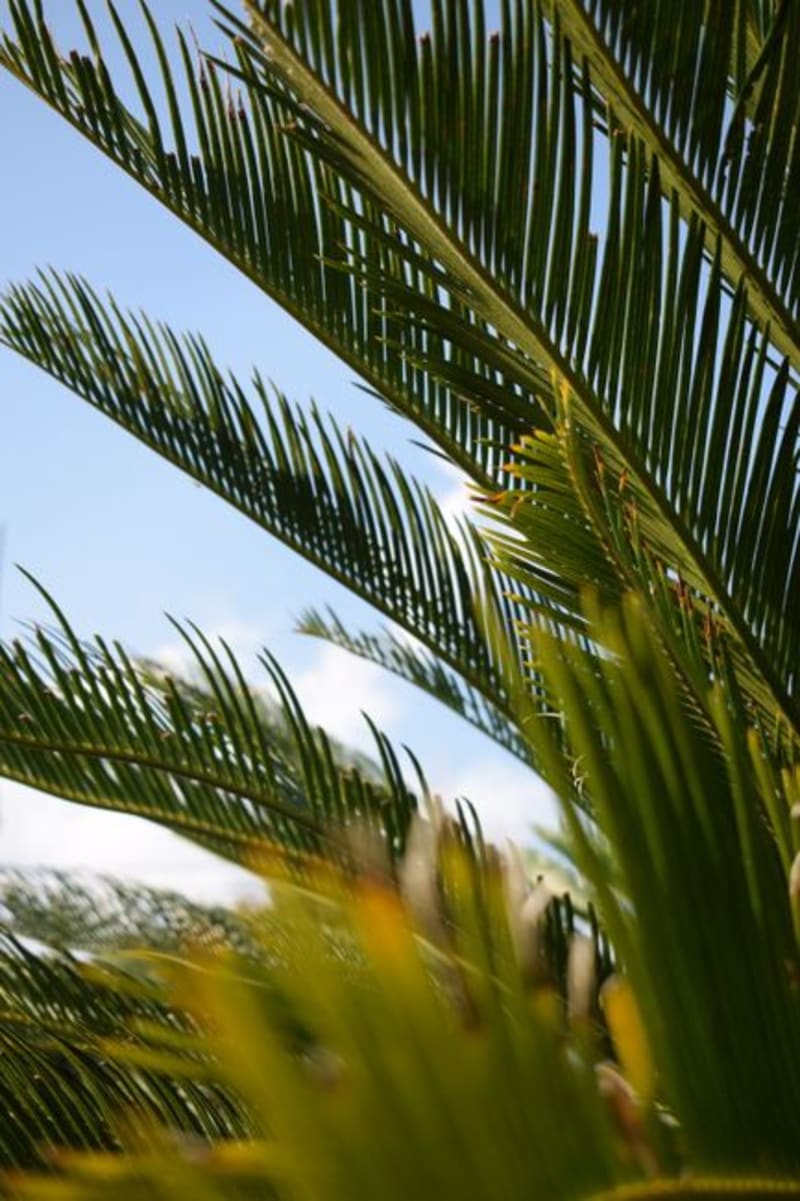 japan
japan Miyakojima
A flat coral island adrift in the Okinawan blue, ringed by beaches so bright they look edited and stitched to its neighbours by long, low bridges over impossible water. Miyakojima is snorkelling, sugarcane, and the particular slowness of island time. We slowed down, and it slowed us further.
Explore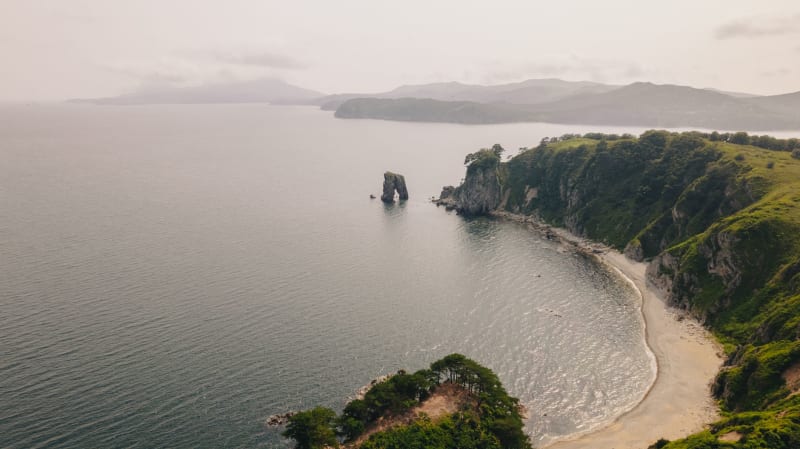 japan
japan Motobu Peninsula
Northern Okinawa's best base — where the island's largest aquarium faces the open sea and Nakijin Castle holds quieter Ryukyuan history.
Explore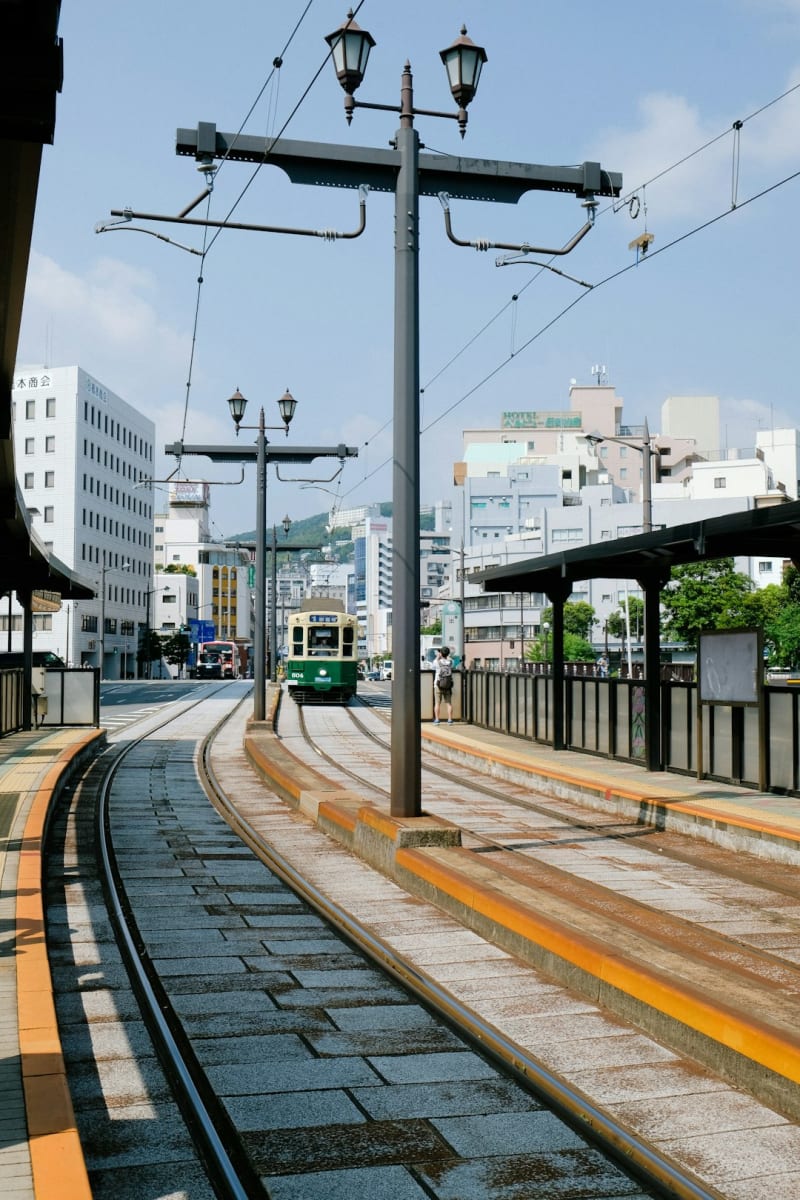 japan
japan Nagasaki
A hillside harbor city on Kyūshū with a history unlike any other in Japan — Dutch and Chinese traders, hidden Christians, streetcars, and a night view that spills down the slopes into the sea.
Explore japan
japan Naha
The sun-warmed capital of Okinawa, where mainland Japan loosens into something slower and more tropical. A market street that never quite sleeps, the reconstructed heart of the old Ryūkyū Kingdom, and a sea that changes the color of everything.
Explore japan
japan Obi
Nicknamed 'Kyushu's Little Kyoto,' this castle town in Nichinan flourished for centuries under a local clan and became one of the region's first preservation districts, its moss-covered walls and koi canals still intact.
Explore