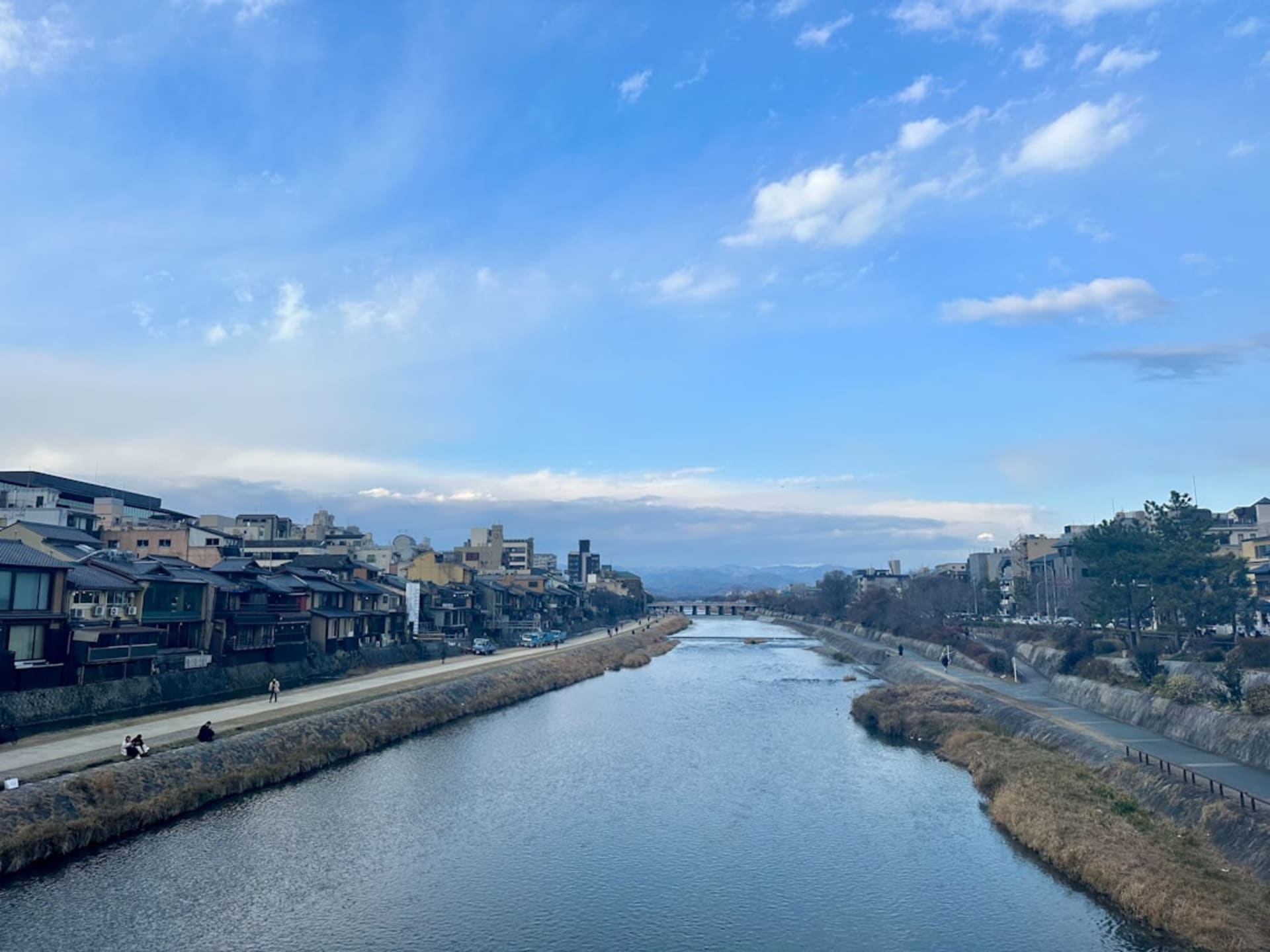
Kamogawa
"After the tunnels, the sea just appeared — and Lia rolled the window down for it."
A Chiba town strung along the open Pacific, where surfers wait on grey dawn swells, a famous aquarium keeps orcas, and terraced sea-rice paddies fall in green steps toward the water. Close enough to Tokyo to be a day's escape, far enough to feel like the coast has finally opened up.
We came to Kamogawa the lazy way, on the train down the Bōsō Peninsula, and for most of the ride Lia and I saw nothing but hillside and tunnel and the backs of quiet towns. Then, somewhere past Awa-Kamogawa, the land dropped away and there it was — the open Pacific, grey-blue and enormous, with nothing between us and it but a strip of sand and a few surfers sitting out on the swell like patient birds. Lia rolled the window down without a word. After the closeness of Tokyo, that first breath of salt air felt like the top of a bottle coming off.
The Surf Coast
Kamogawa’s beaches face straight out at the ocean, and the town has grown up around that fact. Maebara Beach runs long and grey right in front of the main strip, a place where retirees walk their dogs at dawn and surfers pull on wetsuits in the car park before the sun is properly up. We watched from a seawall bench with two cans of coffee, saying little, as one wave after another lifted the line of black figures and set them down again.
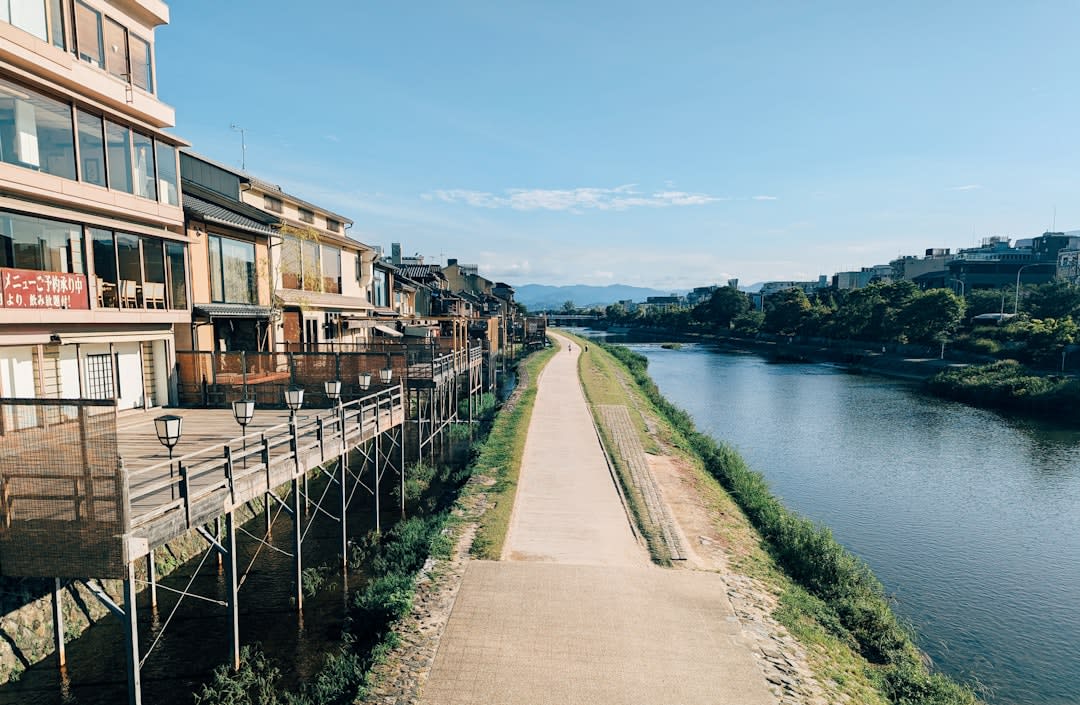
I am no surfer — I tried once in Portugal and mostly drank the Atlantic — but there is something steadying about watching people who are good at it. The rhythm is slow. You wait, you wait, and then everything happens at once. Lia said it was like watching people fish, and she was right. We spent a whole slow morning doing nothing else, and I have rarely felt time pass so kindly.
The Sea-Rice Terraces
Inland from the beaches, up a winding valley, are the Ōyama Senmaida — the “thousand rice paddies,” a hillside carved into hundreds of small terraced fields that step down toward the sea. It is one of the few places in Japan where you can stand among rice paddies and see the Pacific glinting beyond them. We drove up on a hazy afternoon and walked the narrow grassed banks between the flooded terraces, each one holding a separate rectangle of white sky.
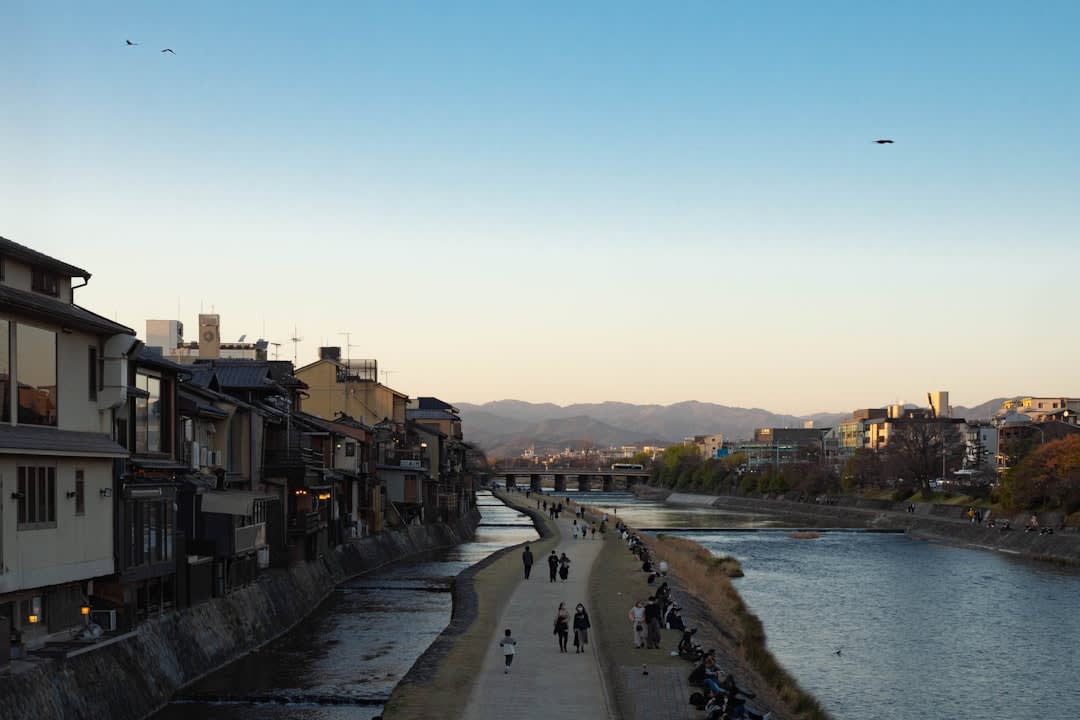
An old farmer was working one of the lower plots, bent double, and he straightened to nod at us before going back to it. In autumn they light the terraces with thousands of LED candles for a festival, but I was glad to see them plain and working, mud on the banks, frogs going off in the reeds. It is a genuinely rural corner an easy reach from the capital, and almost nobody was there.
The Aquarium and the Town
Back on the coast, Kamogawa’s other claim is Kamogawa Sea World, one of the few aquariums in Japan that keeps orcas, and a place families come from across Kantō to see. We are ambivalent about big marine parks, and I won’t pretend otherwise — but the beluga and the tide-pool touch tanks won Lia over, and the sheer scale of the killer-whale show, water sheeting off the glass, is undeniably a spectacle. Make of it what you will.
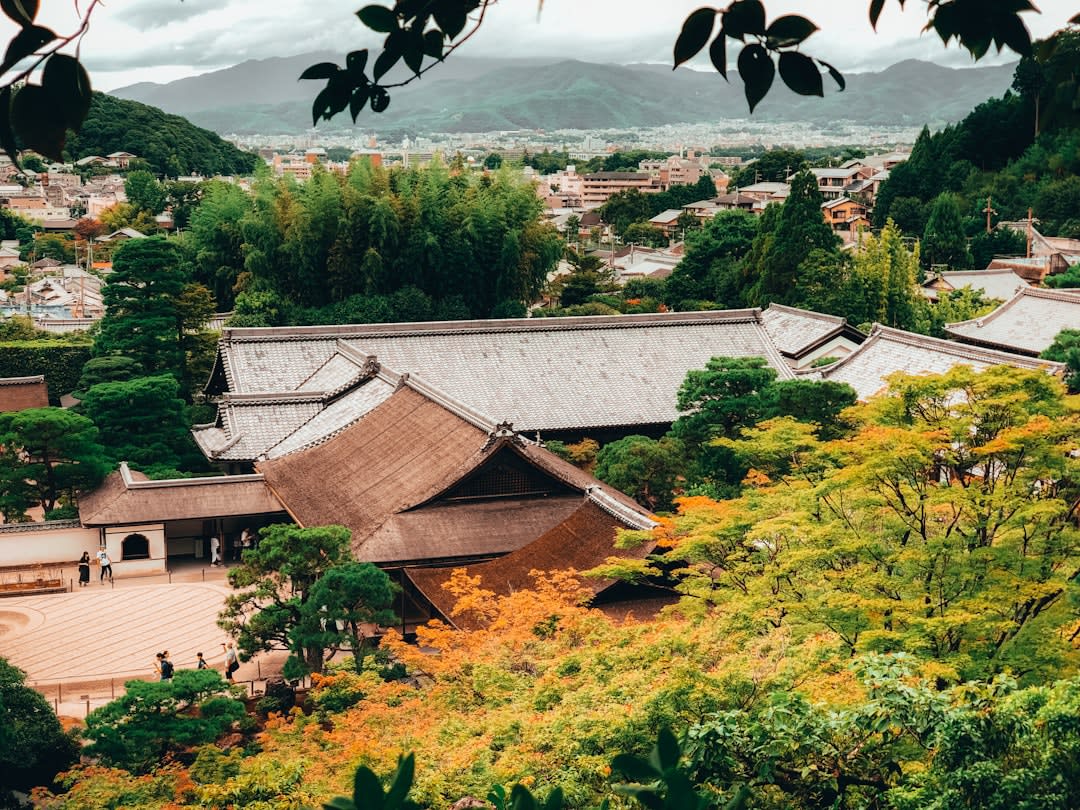
We liked the town itself better in the evening, when the day-trippers had gone and the little izakayas near the station filled with locals. We ate grilled horse mackerel — aji, the pride of the Bōsō coast — and drank cold beer, the sea a dark sound two streets away. For a place so close to Tokyo, Kamogawa keeps its own unhurried weather.
Getting There
Kamogawa sits on the outer, ocean side of the Bōsō Peninsula in Chiba. The most comfortable way is the direct limited-express — trains run down from Tokyo Station to Awa-Kamogawa, taking a little under two hours along the coast. Local trains on the Uchibō and Sotobō lines are slower and cheaper. Driving is genuinely worth it here if you want to reach the rice terraces and the quieter inland valleys, roughly two hours from Tokyo via the Aqua-Line. Once in town, the beaches are walkable, but a car or the local bus helps for Sea World and the paddies.
Keep exploring
More of Kantō