Mori
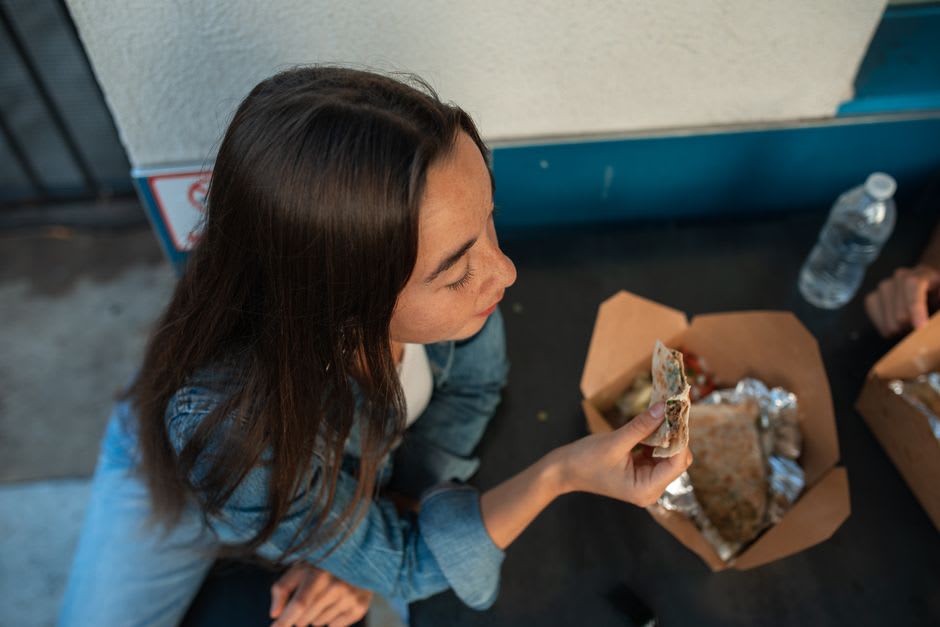
"Lia held the little squid up to the window light like she was inspecting a jewel, then just ate it."
A small fishing town under the shadow of an active volcano, famous nationwide for ikameshi, whole squid stuffed with rice and simmered in dashi, a train-station bento that has topped Japan's ekiben rankings since the 1940s.

We stopped in Mori purely for lunch, which I realize is a strange reason to write an entire piece about a town, but Mori itself seems entirely fine with existing that way. It’s a small stop on the line out of Hakodate, and its whole national reputation rests on one thing sold at the station: ikameshi, a whole squid stuffed with rice and simmered slowly in dashi until it’s dark and glossy. Lia had read that this particular ekiben had been ranked among the best in the country repeatedly since the 1940s, which for a humble train bento is a genuinely long reign, and she wasn’t willing to pass through Mori without trying it at the source.
Squid, Stuffed and Simmered
We bought two boxes straight off the platform and ate them on a bench outside the station rather than waiting for a train seat, both of us too impatient. The squid comes whole, body cavity packed with glutinous rice, then braised for a long time in a soy-and-dashi broth until the skin turns a deep mahogany and the whole thing has the texture of something that’s had all the time in the world to get tender. Lia held hers up to the light for a second like she was appraising it, then just ate it, and went quiet in the specific way she goes quiet over food she actually loves. It’s simple, a little sweet, a little smoky, and entirely unlike anything either of us had eaten elsewhere in Japan. We understood the decades of ranking within about three bites.
A Volcano Over the Harbor
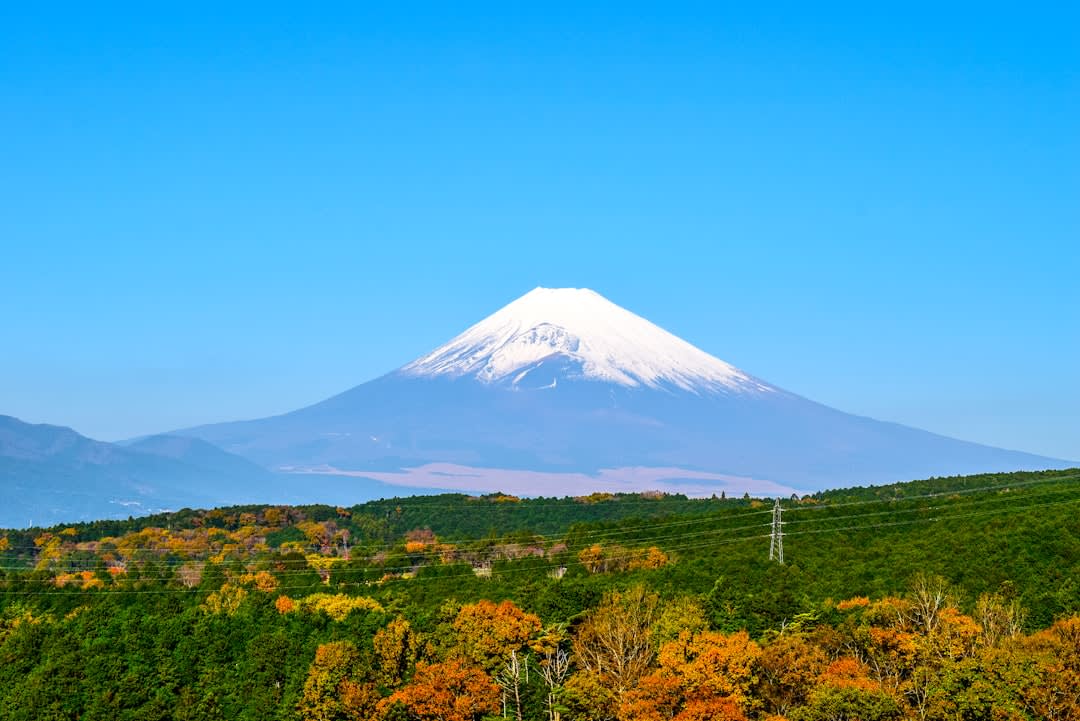
What you notice once you look up from the food is Mount Komagatake, an active volcano that rises directly behind the town, its slopes visible from almost anywhere near the harbor. It’s not a distant backdrop the way some volcanoes are elsewhere in Japan — it looms, close and present, over a working fishing harbor that’s been catching squid in its shadow for generations. We walked down to the water after lunch and watched boats coming in, nets stacked on the decks, gulls working the wake behind them, all of it framed by that dark volcanic shape rising up behind the rooftops. There’s something quietly striking about a town whose signature dish comes from the same waters sitting directly beneath an active mountain, as if the squid and the volcano were always part of the same story.
An Easy, Unhurried Stop
Mori doesn’t ask much of you beyond an hour or two, and that’s part of its charm. We wandered the streets near the station a little longer than we needed to, past small shops and quiet residential blocks, nobody in any particular rush. It felt like the kind of town people pass through by the thousands every year without ever really stopping, which made stopping feel a bit like being let in on something. By the time we got back on the train, both of us were still faintly smelling of dashi, already talking about coming back just to eat the same lunch again.
Getting There
Mori sits about thirty minutes by train from Hakodate on the JR Hakodate Main Line, making it an easy stop on the way toward Toyako or Sapporo rather than a destination requiring a special trip. Ikameshi is sold right at the station platform and in shops nearby, so you don’t need much lead time — just get off, buy a box, and eat it on a bench or back on the train. If you have a little longer, the harbor and the volcano views are worth the short walk down from the station before you continue on.
Keep exploring
More of Hokkaidō
Keep exploring
More from Hokkaidō
 japan
Muroran
A working port on Hokkaidō's southern coast where heavy industry and raw sea cliffs share the same shoreline. White lighthouses on wind-scoured capes, a strange blue archway of rock at Cape Chikyū, and a night skyline of steel and steam that glows like a small galaxy.
Explore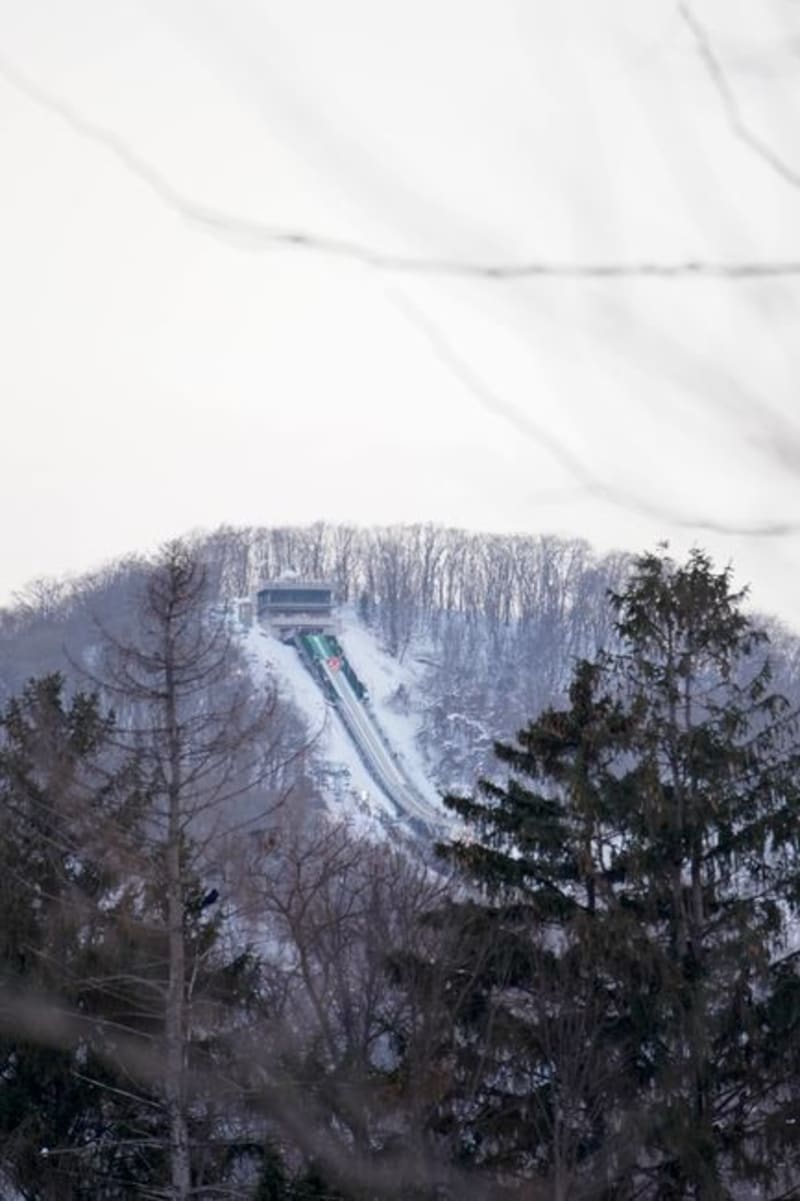 japan
Nayoro
A northern Hokkaidō town where millions of sunflowers bloom each August across several fields, including a hillside planting at Sun Pillar Park with its own observation deck, and where local shops sell oil pressed from the very seeds you've just walked past.
Explore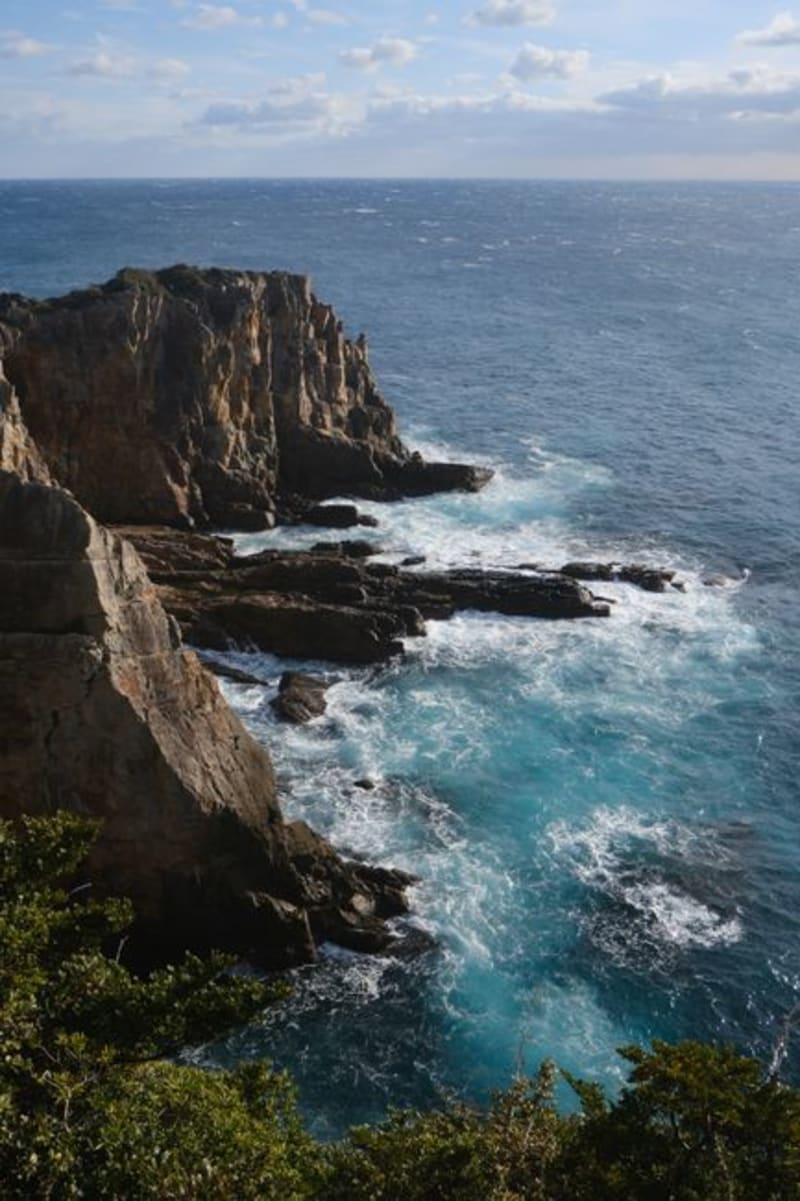 japan
Nemuro
The easternmost city in Japan, a windblown peninsula where the sun rises first and the crabs come in fat. Nemuro looks out across the water at islands Japan and Russia still argue over, and it feels like the honest end of somewhere. We came for the birds and the first light and left with cold hands and a full notebook.
Explore japan
Nibutani (Biratori)
The cultural heart of the Ainu people in Hokkaidō, where two museums on a hillside above the Saru River open into hands-on workshops in wood carving and traditional music rather than just glass cases of artifacts.
Explore japan
Niseko
A ski resort of near-mythical powder snow spread beneath the perfect cone of Mount Yōtei. International and lively in winter, green and quiet in summer, with rafting rivers and hiking trails when the snow is gone.
Explore japan
Noboribetsu
Hokkaidō's greatest hot-spring town, built beneath a steaming red-rock crater called Hell Valley. Sulfur on the wind, water so mineral-rich it comes in a dozen kinds, and demon folklore watching over the streets.
Explore