Matsumae
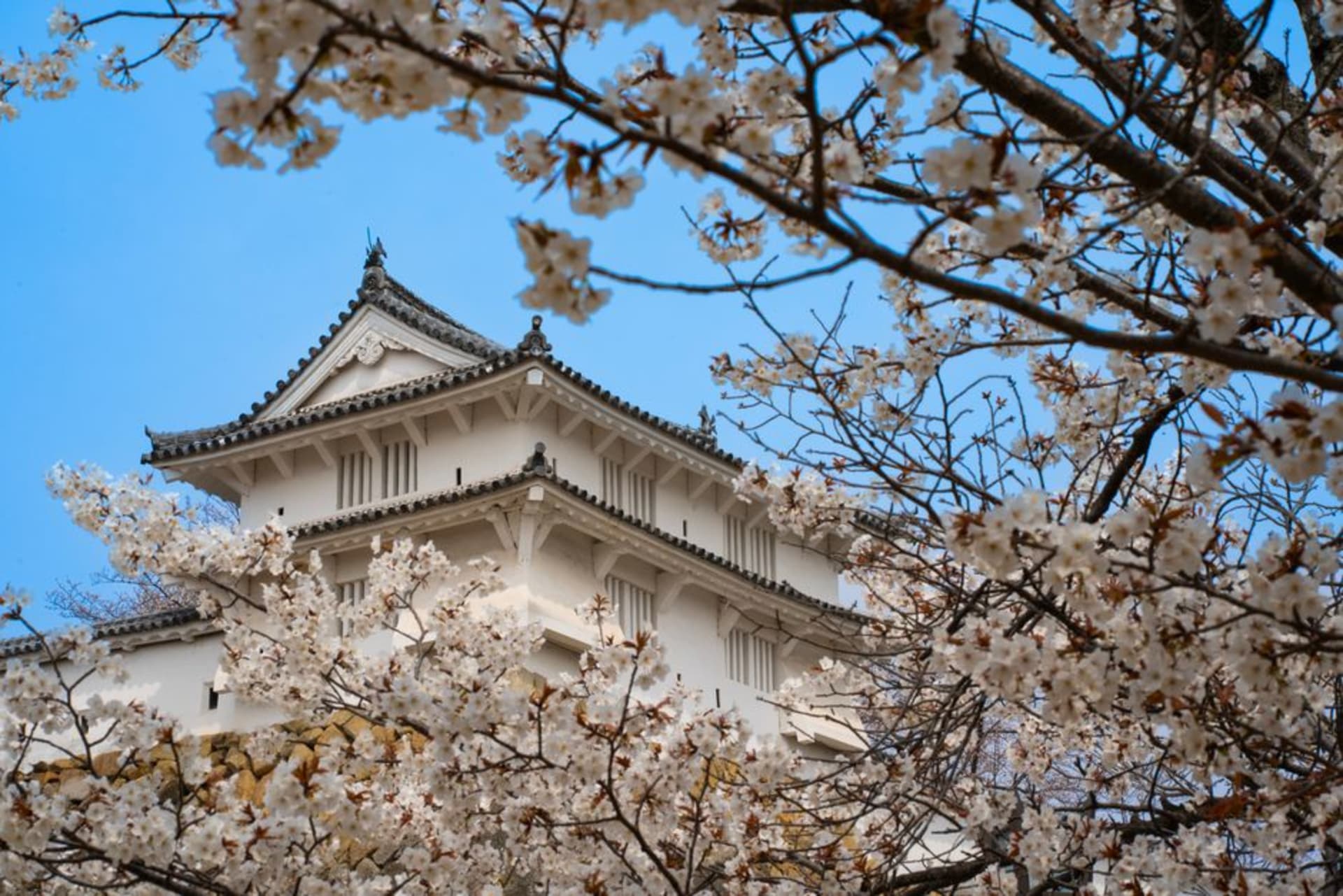
"Lia said it looked like a castle that had wandered up from the mainland and decided to stay."
Hokkaidō's only feudal castle keeps watch over a small town at the island's southern tip, where ten thousand cherry trees turn a whole spring into a slow, pink exhale. It is the far edge of a frontier that once thought of itself as the far edge of Japan. We came for the blossoms and stayed for the quiet.
The bus from Kikonai emptied out long before we reached Matsumae, until it was just Lia and me and a woman with a bag of leeks, rolling along a coast where the Tsugaru Strait chewed at black rocks the whole way. We had almost skipped it. A castle at the bottom of Hokkaidō, three hours from anywhere, felt like the kind of detour you tell yourself you’ll regret. Instead we stepped off into a town that smelled of sea and wet cherry bark, and I understood within about four minutes that we’d got it right.
The only castle on the island
Matsumae Castle is not large, as Japanese castles go, and there is something almost apologetic in the way it sits above the town rather than looming over it. But it is the only feudal castle Hokkaidō has, built by the clan who for centuries were Japan’s single official window onto this northern island and the Ainu who lived here. The current keep is a 1960s rebuild — the original burned in 1949 — and I braced myself for concrete disappointment. What I got instead was a view: the grey strait, the tiled roofs, and beyond them the pale suggestion of Honshū on the horizon. Lia stood at the parapet a long time. “You can see where Japan ends,” she said, and she wasn’t quite joking.
Ten thousand trees, a hundred kinds of pink
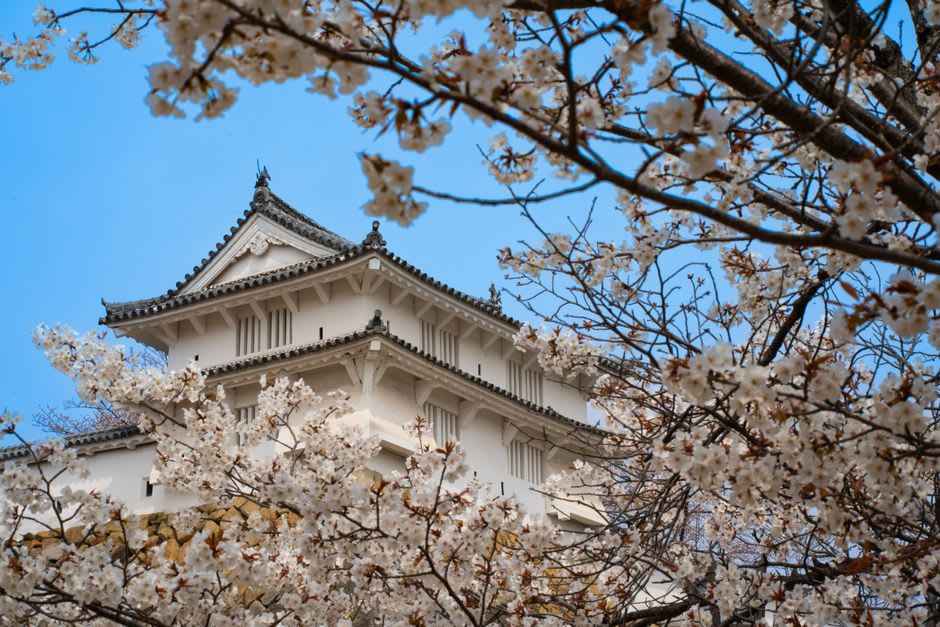
We had arrived, by luck more than planning, in the last week of the blossom. Matsumae grows something like ten thousand cherry trees across two hundred and fifty varieties, and because they bloom in a staggered relay from late April into May, the town holds one of the longest sakura seasons in all of Japan. We walked the park behind the castle under branches so heavy they’d been propped with wooden crutches. Some trees were snow-white and already dropping; others, the late doubles, were only now clenching into deep rose fists. An old man tending a rope barrier told us, unprompted, the name of his favourite tree — Blood-of-the-Dragon, or something close — and touched its trunk like an old friend.
Temple row and the taste of the strait
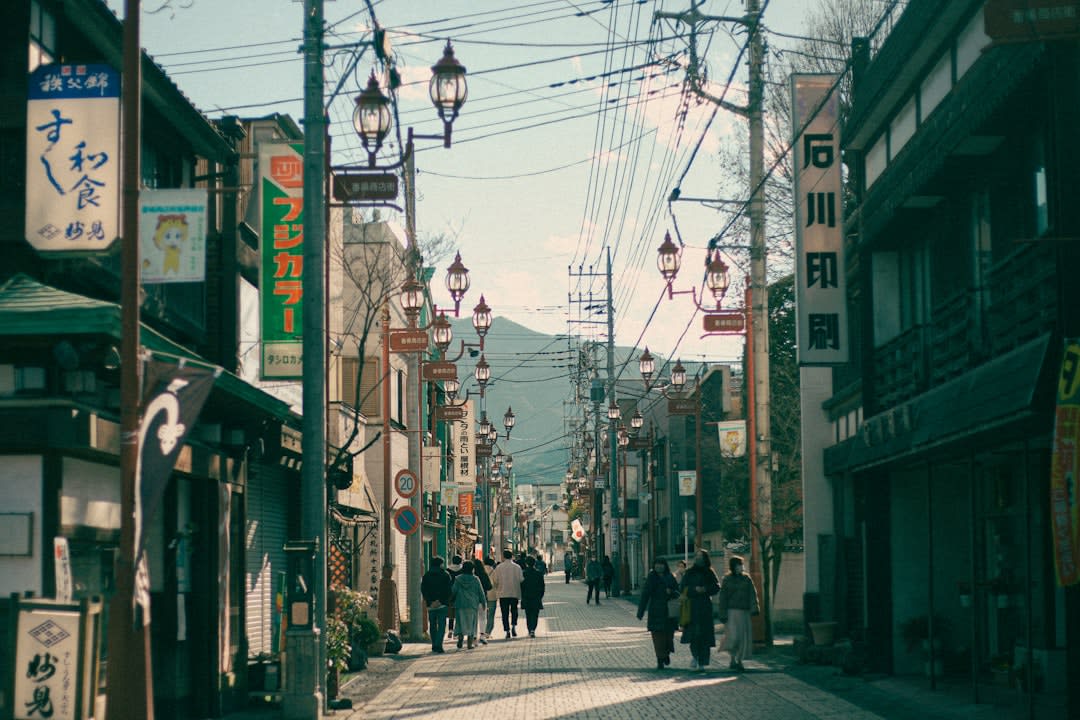
Below the castle runs a lane of temples, the Terra-machi, where the Matsumae clan buried its dead. We wandered it in the flat afternoon light, past mossy gates and a bell no one was ringing, and met almost no one but a cat. Later we ate at a counter near the port — the day’s catch of the strait, which here means firm cold-water squid and a bowl of rice that tasted of nothing but itself, which is to say of everything. Lia, who claims not to like squid, ate mine too. Outside, the wind had picked up, and petals were coming down the street sideways like a soft, pink weather all its own.
Getting There
Matsumae sits at the southern tip of Hokkaidō with no train of its own. Take the Hokkaidō Shinkansen or a local line to Kikonai Station, then the roughly ninety-minute bus down the coast to Matsumae — a beautiful ride, so take a window seat on the sea side. Coming from Aomori on Honshū, the strait crossing plus the bus makes for a long but rewarding day; better to stay a night in one of the small inns near the castle. Aim for the last week of April into mid-May for blossoms; come in winter and you’ll have the keep, the strait, and the snow almost entirely to yourself.
Keep exploring
More of Hokkaidō