Miyoshi
"We stood above a valley that had turned into an ocean overnight, and said nothing at all."
An inland Hiroshima town where three rivers meet and, on the right autumn dawn, a sea of fog drowns the valley below the hills. It has quietly become wine country too, and its river once staged a thousand years of cormorant fishing. We came for the fog and stayed for everything under it.
Someone in a Hiroshima bar told us that if we wanted to see a sea in the mountains, we should go to Miyoshi in autumn and get up before we wanted to. That was the whole tip. So we took a slow train inland to where the Basen, Saijō, and Kanō rivers braid together, set an alarm for a cruel hour, and climbed a dark hillside called Takatani with a thermos and low expectations. What we saw at dawn I will not forget.
The Sea of Clouds
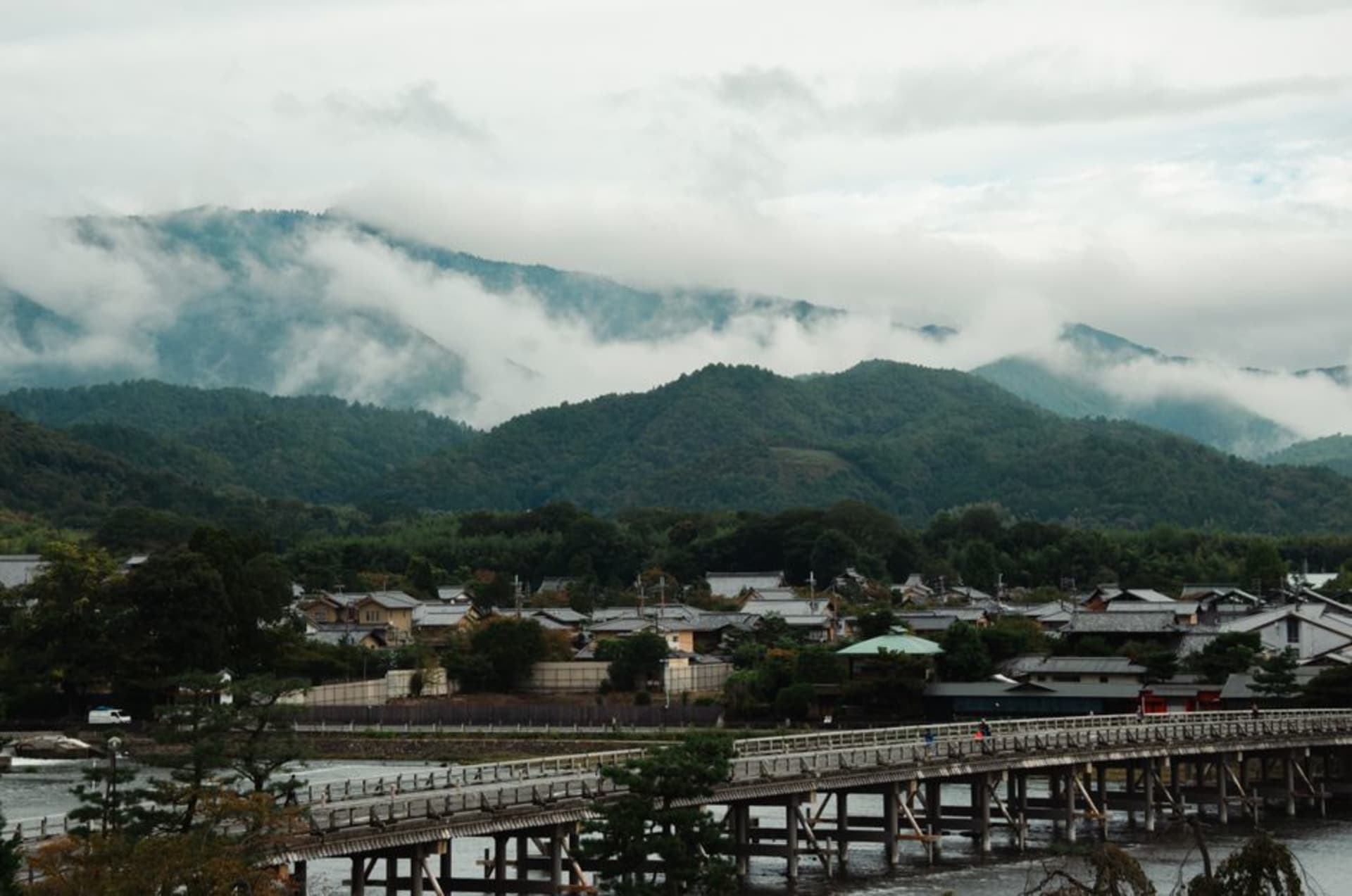
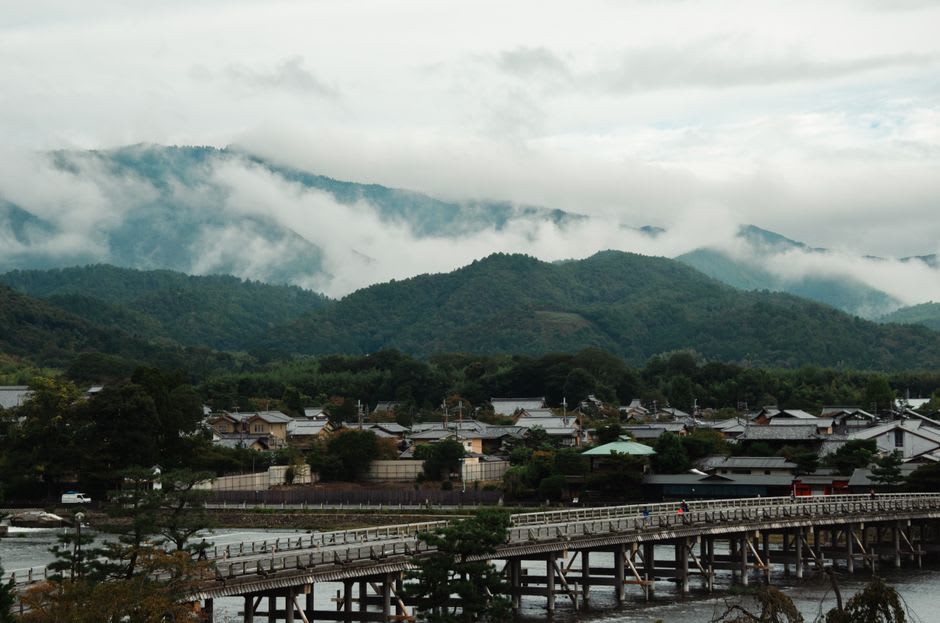
From the Takatani lookout, when the conditions align — a cold clear night after a warm damp day — the whole river valley fills with fog, and the town simply vanishes beneath a rolling white ocean, hilltops poking through like islands. We stood above a valley that had turned into an ocean overnight, and said nothing at all. A handful of other early risers murmured and poured coffee. Slowly the sun burned it off, and Miyoshi reassembled itself piece by piece below us — a bridge, a roof, a road — as if the town were being drawn back into being.
Wine Where You’d Least Expect It
Back down in daylight, Miyoshi surprised us again. The hills that make the fog also make good grapes, and the town has a winery — Tomonoura is more famous, but here the wine is the story — with a shop and tasting room overlooking the vines. We’re French, so I’ll admit we came skeptical and left corrected. The reds were honest and the local grape variety, tasted cold in the afternoon, went alarmingly well with the region’s beef. Lia bought two bottles and carried them the rest of the trip, refusing to open them until we were somewhere that “deserved it.”
Ukai on the River
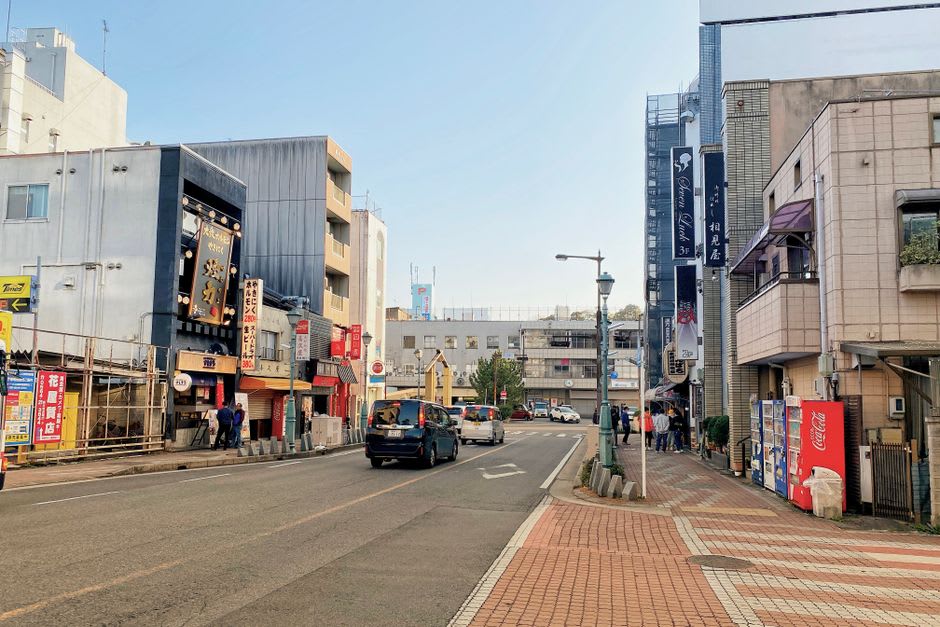
In summer Miyoshi keeps alive an art almost gone from Japan: ukai, cormorant fishing by torchlight, practised on the Basen River for over four centuries. We just missed the season, but the small museum by the water showed us the ropes, the leashed birds, the braziers that hang off the bows of the boats. An old fisherman there described how each cormorant knows its own master’s voice, and I believed him completely. Even out of season the riverbank was lovely at dusk, herons standing in the shallows where the torches would soon burn, the three rivers sliding together into one.
Getting There
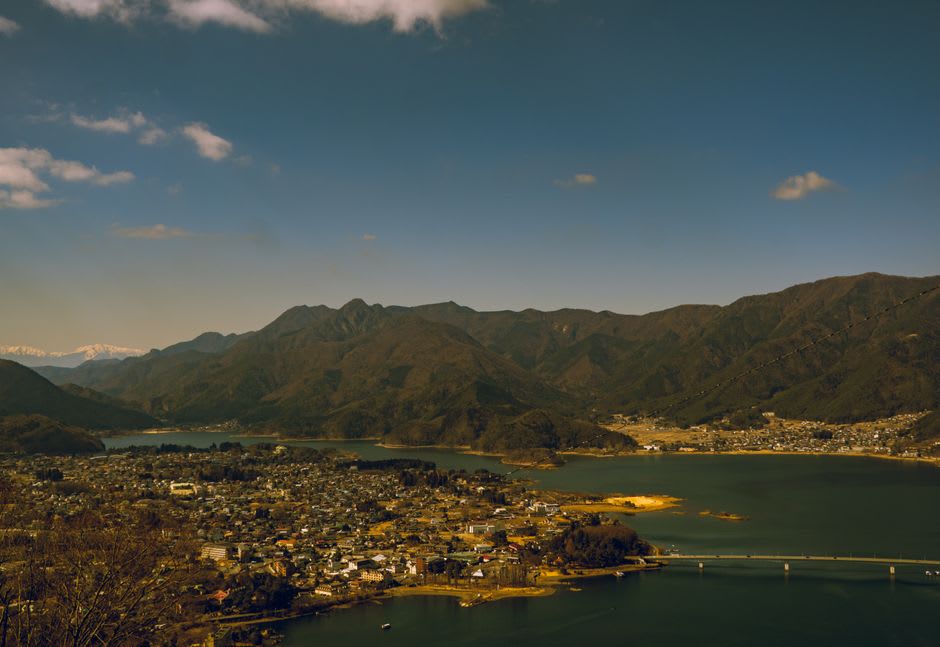
Miyoshi sits in the hills of northern Hiroshima Prefecture, about an hour and a half by highway bus from Hiroshima city — the bus is faster and more frequent than the winding rail line, so that’s how we went. For the sea of clouds you’ll need a car or a pre-dawn taxi up to the Takatani lookout, and the right weather: crisp, still autumn mornings after a mild wet day are the ones to chase. Check the local forecast, set the alarm, and don’t be discouraged if the first dawn fails — ours nearly did before the fog rolled in.
Keep exploring
More of Chūgoku