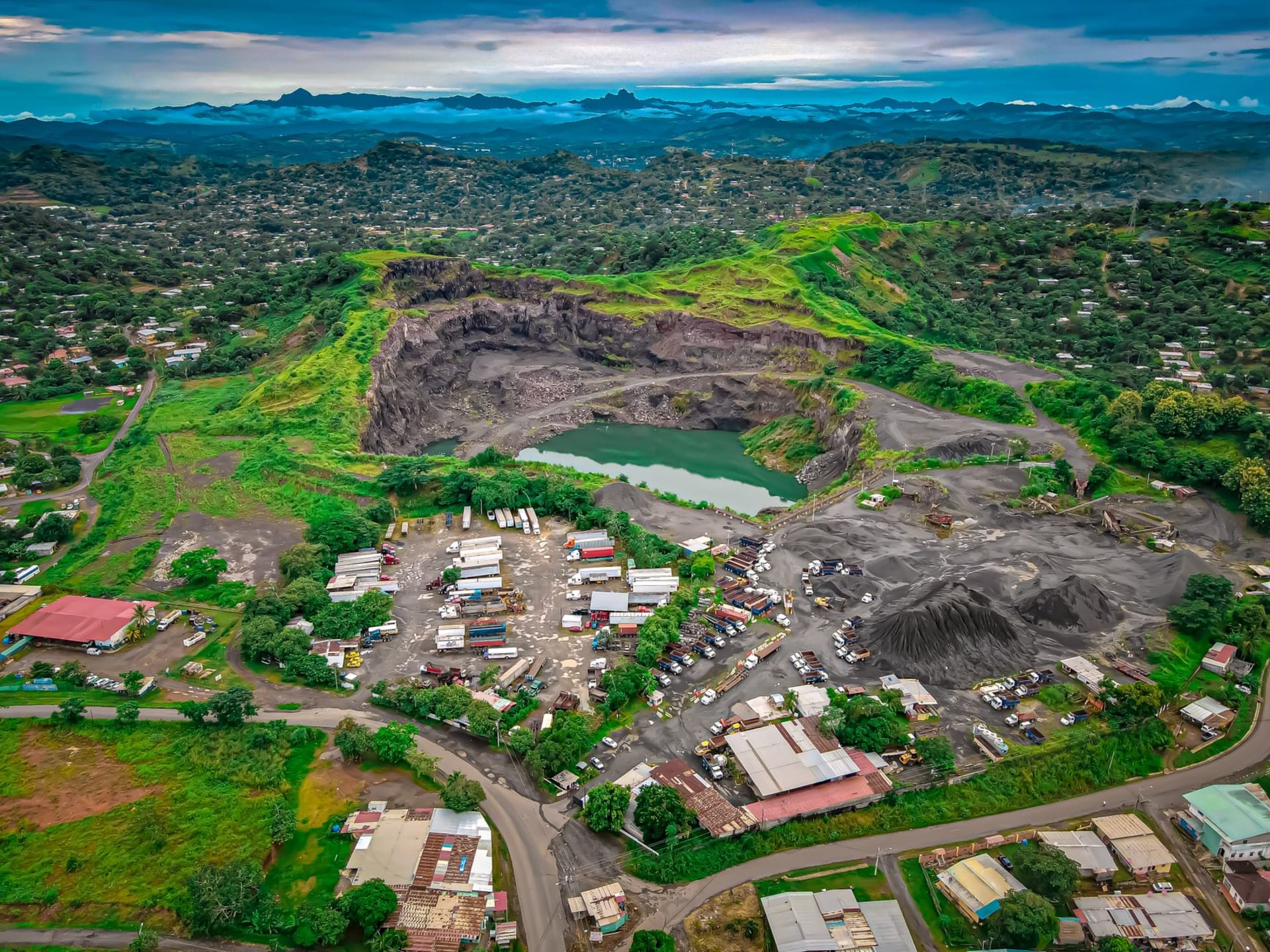
Trench Town
"Every time I hear reggae anywhere in the world, I'm hearing the sound of this specific postcode."
Junior picked me up at my Kingston guesthouse at eight in the morning and we drove west through the city in his old Toyota, the radio playing dancehall at a volume that precluded conversation and felt entirely appropriate. Trench Town is a community in the southwestern part of Kingston — government-built yards constructed in the 1940s and 1950s, concrete block housing arranged around shared courtyards, named after a man named Trench who owned the land before the government acquired it. It is not a place most Kingston hotels will direct you toward, and arriving without a local guide would be a significant misreading of the situation. Junior is from here. He knows everyone. He introduced me as his French friend who wanted to understand something, which is a different category of tourist than the ones who want to see where Bob Marley slept.
Trench Town Culture Yard — the community center built around the original government yard where Marley, Peter Tosh, and Bunny Wailer rehearsed in the 1960s — preserves the physical space of those early years with a curator’s care and a community’s pride. The rehearsal shed is still there. The original rusting bus that served as a home base is still there. Photographs from the period cover the walls, and the weight of what was created in this very specific concrete yard, by very specific young men who were poor and unknown and making music that was about to change everything, is present in a way that museum replicas can never manufacture.
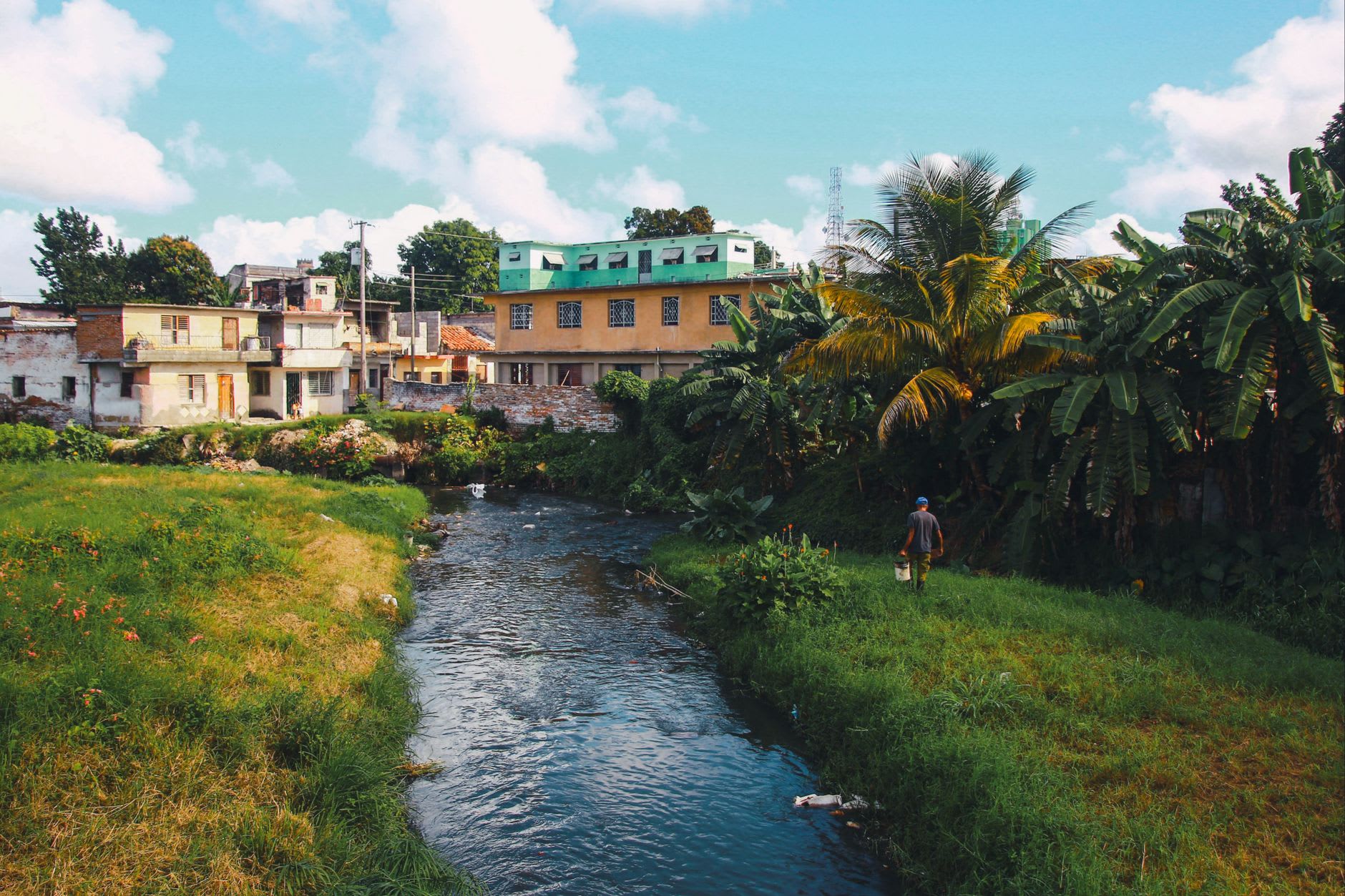
Walking the lanes of Trench Town with Junior that morning, I understood something about the relationship between place and sound that I had only understood abstractly before. The yards are dense and alive — several families sharing the same courtyard, conversations passing between windows, the smells of cooking and laundry and diesel mixing in the narrow lanes. Sound carries differently in this kind of architecture: bass frequencies gather in the concrete yards, voices from different apartments layer, the city’s ambient roar reflects off walls into unexpected acoustics. The natural sound environment of Trench Town is a proto-sound-system, Junior said, and the music that came out of here absorbed and translated all of it.
He took me to a woman named Miss Gloria who has been cooking in the same spot on Maxfield Avenue for forty years, a small concrete room with four tables, a blackboard menu, and a pot of brown stewed chicken that has been simmering since before six in the morning. The chicken was falling off the bone, the gravy deeply savory and faintly sweet with browning sauce, served with white rice and kidney beans. I ate everything. Miss Gloria watched me eat with the calm satisfaction of someone who has seen this reaction many times and has not tired of it.
The murals throughout the community are worth the walk alone — Bob Marley, of course, in a dozen different renditions, but also Marcus Garvey, who grew up in nearby Saint Ann and whose philosophy of Black self-reliance and Pan-Africanism shaped Rastafarianism and, through it, reggae’s entire political consciousness. Other murals are abstract: Ethiopian colors, lions, the red-gold-and-green that appears on everything from gates to rum bottles to the jerseys of the men playing football in the dust. The visual language of Trench Town is its own grammar, and spending a morning learning to read it changes how you hear the music.
When to go: Trench Town is visitable year-round, but morning visits — between eight and noon — are preferable both for safety and for atmosphere. Do not visit without a community guide arranged through the Trench Town Culture Yard or a reputable Kingston tour company. The Culture Yard runs guided tours on weekday mornings. February, around Marley’s birthday on the 6th, brings commemorative events to the yard that are worth planning around.