Caribbean
Jamaica
"Jamaica hit me harder than anywhere I expected it to."
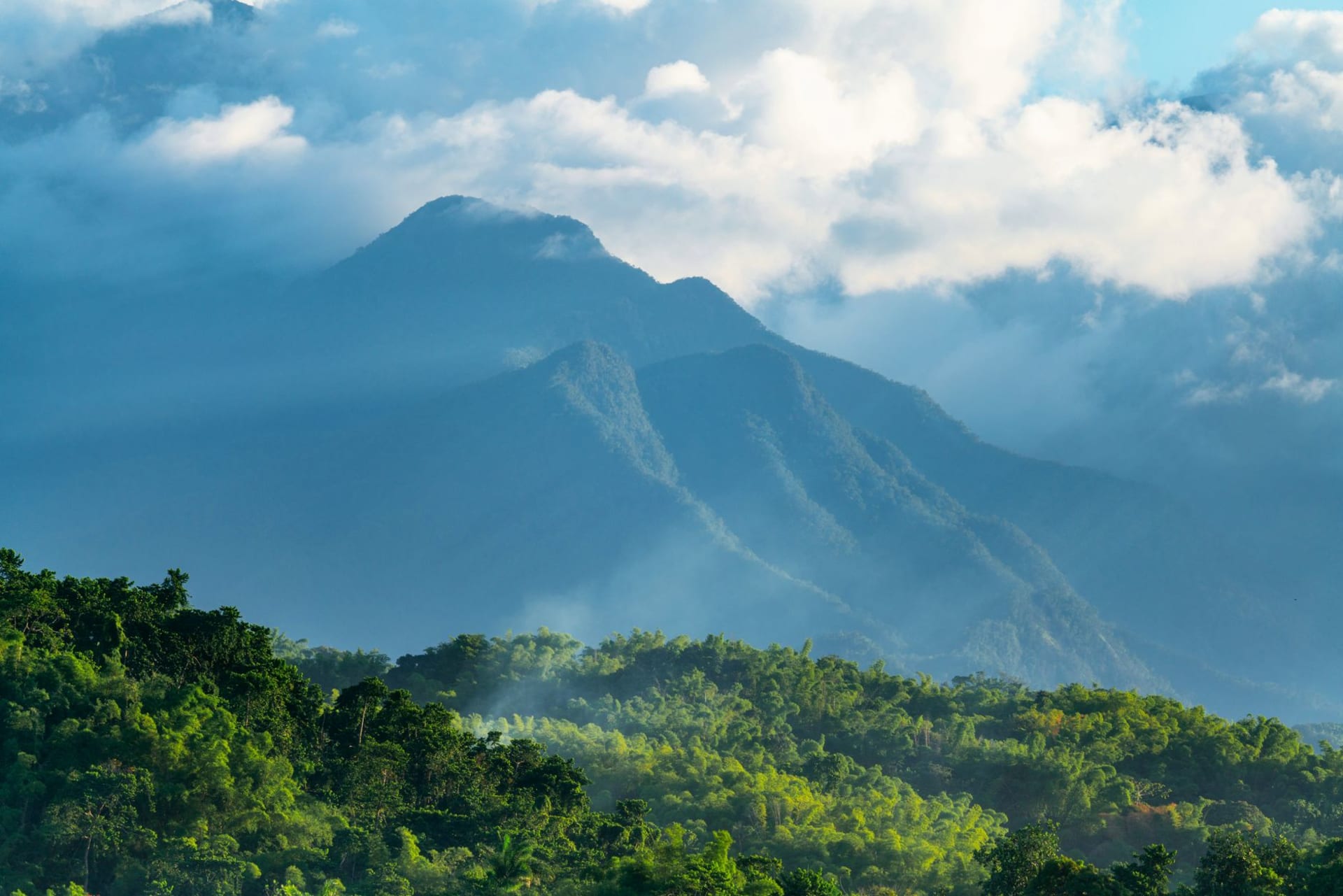
The plane banked over Kingston at dusk and I could see the Blue Mountains catching the last light above the city’s sprawl — actual mountains, the kind you forget exist on a Caribbean island until you’re looking at them. That was the first surprise. I’d built Jamaica up in my head as beaches and Bob Marley tourism and Sandals resorts, and the mountains were a quiet correction before I’d even landed.
I spent three days in Kingston before anyone in my guesthouse understood why. They all wanted me to go to Negril. But Kingston is the whole point — it is one of the most musically dense cities in the Western Hemisphere, and walking through Trench Town in the afternoon with a local guide, hearing dancehall leaking from every doorway while women hung laundry between zinc fences, I understood why this small island produced a sound that reshaped popular music worldwide. The Bob Marley Museum on Hope Road is genuinely moving, less shrine than time capsule — his guitar still on the wall, his bedroom barely touched, the bullet holes from the 1976 assassination attempt still visible in the kitchen. The city around it is chaotic and alive in a way that most Caribbean capitals aren’t, and Devon House on the same road does the best ice cream I have eaten in the tropics: coconut, guava, soursop, all made from scratch.
Then the Blue Mountains, which required a predawn drive up hairpin roads in a shared taxi that seemed to be held together by optimism. The coffee up there — the real Blue Mountain coffee, not the export blend — tastes nothing like what gets sold internationally. At Clifton Mount Estate I had a cup at sunrise in the mist that was sweet, clean, and almost floral. I came back down to the coast after two nights and the jerk at Scotchies near Montego Bay was everything jerk is supposed to be: pimento wood smoke, scotch bonnet heat that builds slowly, chicken falling off the bone, eaten off a piece of newspaper at a picnic table with a Red Stripe. It cost almost nothing.
When to go: November through April is the dry season and by far the most comfortable — humidity drops, the mountains are clear in the mornings, and the water is flat for swimming. July and August are peak hurricane risk and brutally humid, though flights are cheaper. December is busiest but the weather justifies it.
What most guides get wrong: They sell Jamaica as a resort destination with a reggae soundtrack, which is a profound misunderstanding. The island’s soul is in Kingston, not Negril. The mountains are as spectacular as anything in the Caribbean. The food — jerk, ackee and saltfish, curry goat, festival bread — is a serious culinary tradition, not a gimmick for tourists. If you spend your entire trip inside a Sandals compound you have not been to Jamaica, you have been to a themed hotel. Rent a car, drive into the interior, eat at roadside stalls, and give Kingston at least two full days. That is where the island makes sense.