
Port Antonio
"Port Antonio is what the rest of Jamaica's north coast would look like if development had forgotten to arrive."
The road from Kingston climbs over the Blue Mountains and comes down the northeastern slope into a landscape that genuinely surprised me — banana plantations rising on steep hillsides, rivers crossing the coast road every few kilometers, the vegetation so dense and dark green it looks almost tropical in the excessive, self-parodying sense. Then Port Antonio appears below you: two harbours separated by a narrow peninsula, the town arranged along the water in a loose collection of wooden balconied buildings and stone Victorian structures, the whole thing framed by the Portland hills rising behind it. I stopped the car and stood at the overlook for several minutes before driving down.
Errol Flynn discovered Port Antonio in the 1940s when his yacht sheltered here during a storm, and he liked it enough to stay for years, buying Navy Island in the middle of the harbour and throwing parties that became famous throughout the Caribbean. The Flynn legacy is present but not overwhelming — a bar named after him, occasional mentions on menus, a few faded photographs in the old Musgrave Market. What he presumably found was the same thing I found: a town that moves at its own pace, unbothered by the resort industry that has shaped Montego Bay and Negril into something more internationally legible.
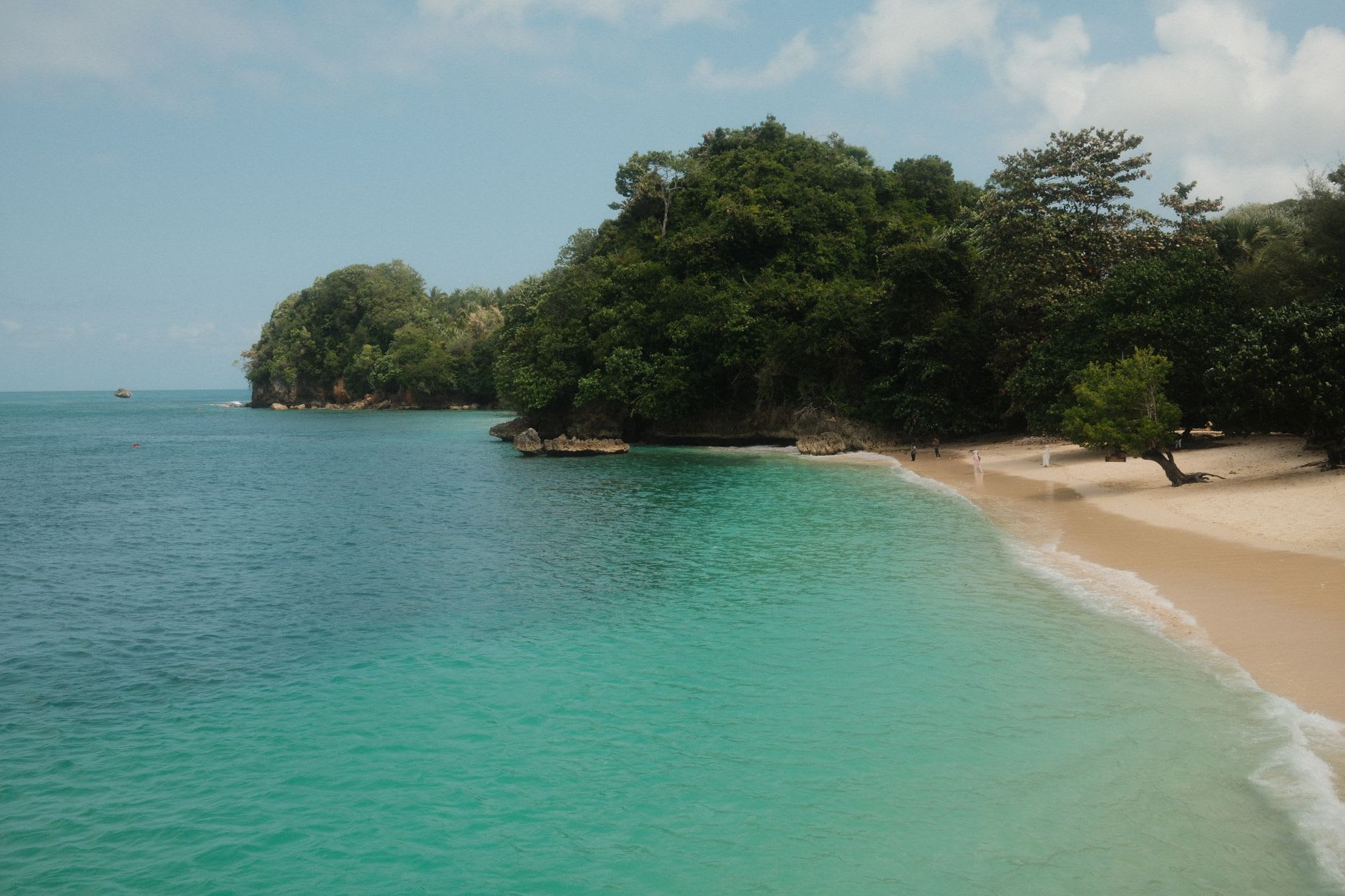
The Blue Lagoon is about seven kilometers east of town, where a mineral-fed freshwater spring meets the sea in a cove backed by dense forest. The color is not a photographic exaggeration — the meeting of cold, freshwater depth and warm Caribbean salt creates a blue that shifts from deep indigo at the center to turquoise at the edges to emerald green where the freshwater flows. You swim in it and feel the layers of temperature, cold below, warm above, the water so clear that the depth is vertiginous. A man named Wellington charges a small fee to use the wooden dock and sells cold drinks from a cooler, and the whole operation feels magnificently informal.
Rio Grande rafting is a half-day commitment that starts upriver and drifts you down through gorges, past banana groves, through a landscape that moves with the current at exactly the speed you want to see it. The bamboo rafts are poled by guides who have been doing this for decades and have the commentary of people who have watched tourists react to the same river turns a thousand times with genuine, renewable pleasure. The arrival at the coast comes with a certain melancholy — the journey always feels too short — and the raft captain ties off at a small restaurant where the fish is fried while you change out of wet clothes.
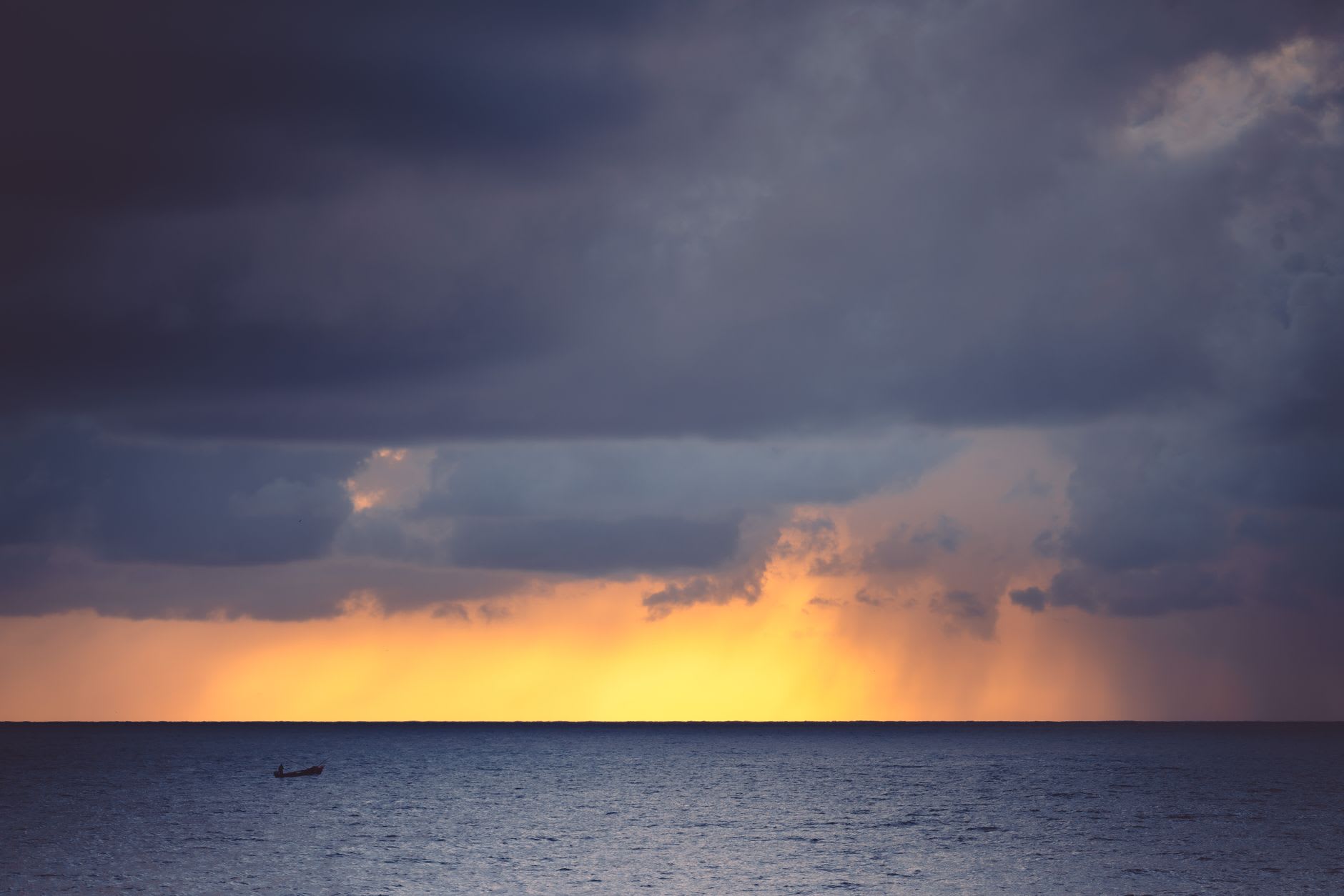
Boston Bay, a few kilometers east of the Blue Lagoon, is where jerk was invented — or at least where it was first commercialized into a roadside institution. The vendors here have been at their pits for generations, and the claim to authenticity is not a marketing line. The pork in particular, rubbed with scotch bonnet and allspice and slow-cooked over pimento wood that fills the whole bay with fragrant smoke, has a depth that the inland versions can’t quite replicate. I ate standing up, in the light rain that falls most mornings on the Portland coast, watching pelicans work the grey water, and it was one of those meals that arranges itself into memory without asking permission.
When to go: November through April is drier and more comfortable, though Portland Parish is the wettest part of Jamaica and some rain is always possible. The lush vegetation owes itself entirely to that rain. February and March hit the sweet spot of dry season with the landscape at its most verdant. The Blue Lagoon is clearest in summer; Rio Grande rafting runs year-round.