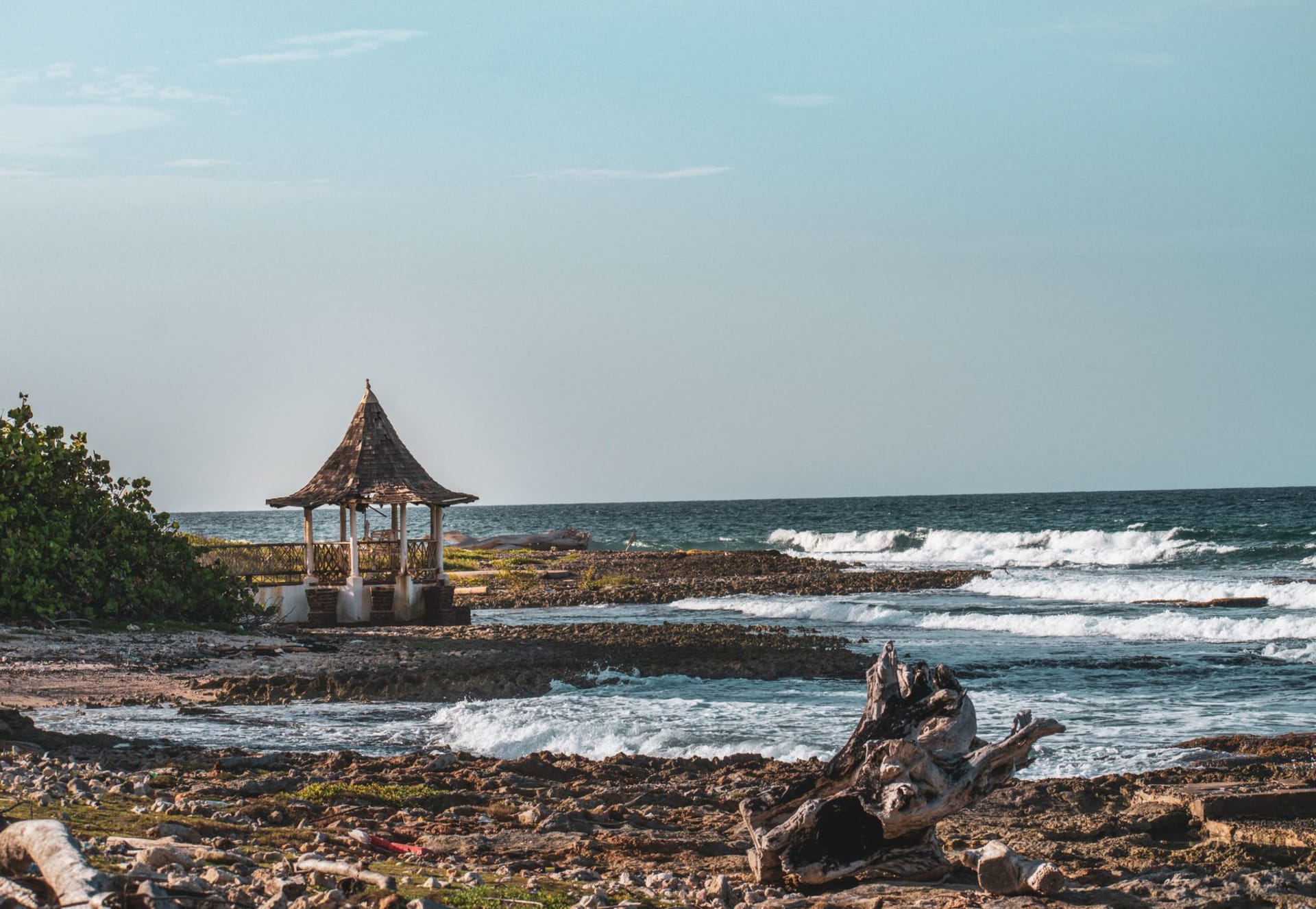
Black River
"The crocodiles watch you the way everything in this swamp watches you — with the patience of something that has been here since before you were possible."
A sleepy colonial port town on the south coast where crocodiles haunt the mangrove swamps and painted wooden houses lean into the Caribbean heat.

Black River is a town that knows you probably weren’t planning to stop. The main road runs through quickly enough, and most travelers on the south coast use it as a fuel and lunch stop before pressing on toward Treasure Beach or the interior. But I pulled over in front of a Victorian building with green shutters and a veranda that extended over the pavement, and something about the light on the peeling paint stopped me. I found a guesthouse. I stayed two nights. The town rewarded both.
The Black River is Jamaica’s longest, emptying into the Caribbean at this town after draining the Great Morass — one of the largest remaining wetlands in the Caribbean, covering over 120 square kilometers of mangrove, sedge marsh, and open water. The American crocodiles that inhabit it are not a tourist invention; they are large, numerous, and genuinely wild, and the swamp safaris that run from the town dock take you into the mangrove channels in flat-bottomed boats where the guide cuts the motor and you drift in silence past creatures that may be three or four meters long, motionless on mud banks with their mouths open to regulate body heat, supremely indifferent to the presence of a boat full of people making suppressed noises.

The morning tour is the one to book. The light in the mangrove channels at seven in the morning is diffuse and golden, the water still, the birds — jacanas, herons, egrets, kingfishers, the occasional whistling duck — active and unconcerned. The guide on my tour was a man named Delroy who has been running these boats for twenty years and calls the individual crocodiles by names, pointing out behavioral patterns with the offhand expertise of someone who has spent more time with reptiles than with most people. The largest one he calls Mayor, and the Mayor was precisely where Delroy said he would be.
The town itself is worth a slow afternoon. The waterfront has a colonial dignity that is gently losing its battle with tropical entropy — the custom house from 1837, the church with its cast-iron Victorian Gothic detail, the old warehouse buildings that once processed sugar and rum. Black River was the first town in Jamaica to have electricity, Delroy told me on the return trip, as if this explained something about its character. The streets are wide and quiet and the pace is resolutely unhurried. I ate at a small cookshop on the main road: ackee and saltfish, boiled green banana, a cup of coffee the color of mahogany.

The nearby Middle Quarters is famous for its pepper shrimp — small, freshwater shrimp peppered aggressively with scotch bonnet and sold by women standing at the side of the road in paper bags. The tradition is decades old, the vendors are always there, and the shrimp are so spiced that the heat arrives at a three-second delay after the first bite, as if the scotch bonnet needed time to introduce itself. I ate an entire bag on the roadside and spent the next twenty minutes in a state of pleasurable distress, cooling my mouth with the last of a warm Red Stripe.
When to go: November through April is drier and more comfortable, though the swamp is navigable year-round. The crocodiles are most active in the cooler morning hours, and the birding in the morass peaks during the northern winter migration from November through February. Avoid visiting after heavy rain if possible — the river runs high and turbid and the visibility in the channels drops.
Keep exploring
More from Jamaica
 jamaica
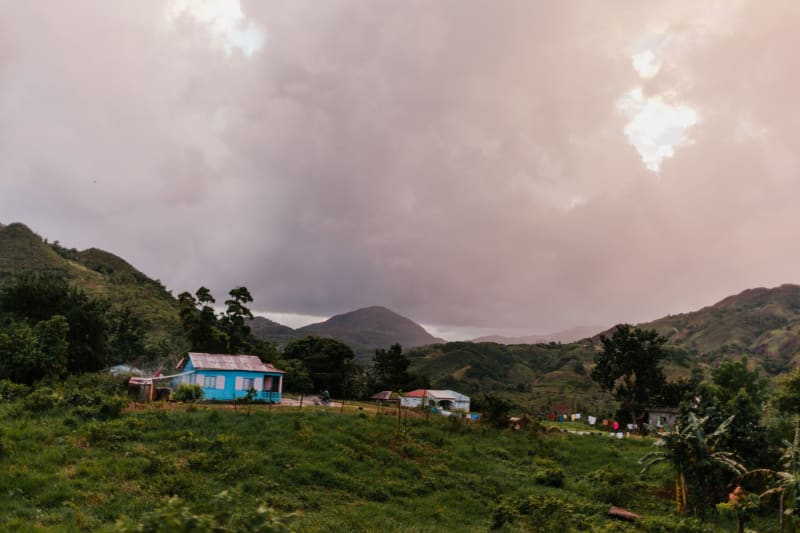
 Blue Mountains
Cloud-wrapped peaks above Kingston where the world's most complex coffee grows in mist so thick it erases the valley below.
Explore jamaica
 Cockpit Country
A karst wilderness of thousand sinkholes and sealed valleys in Jamaica's interior — Maroon territory, bird-loud, and one of the Caribbean's last true wildernesses.
Explore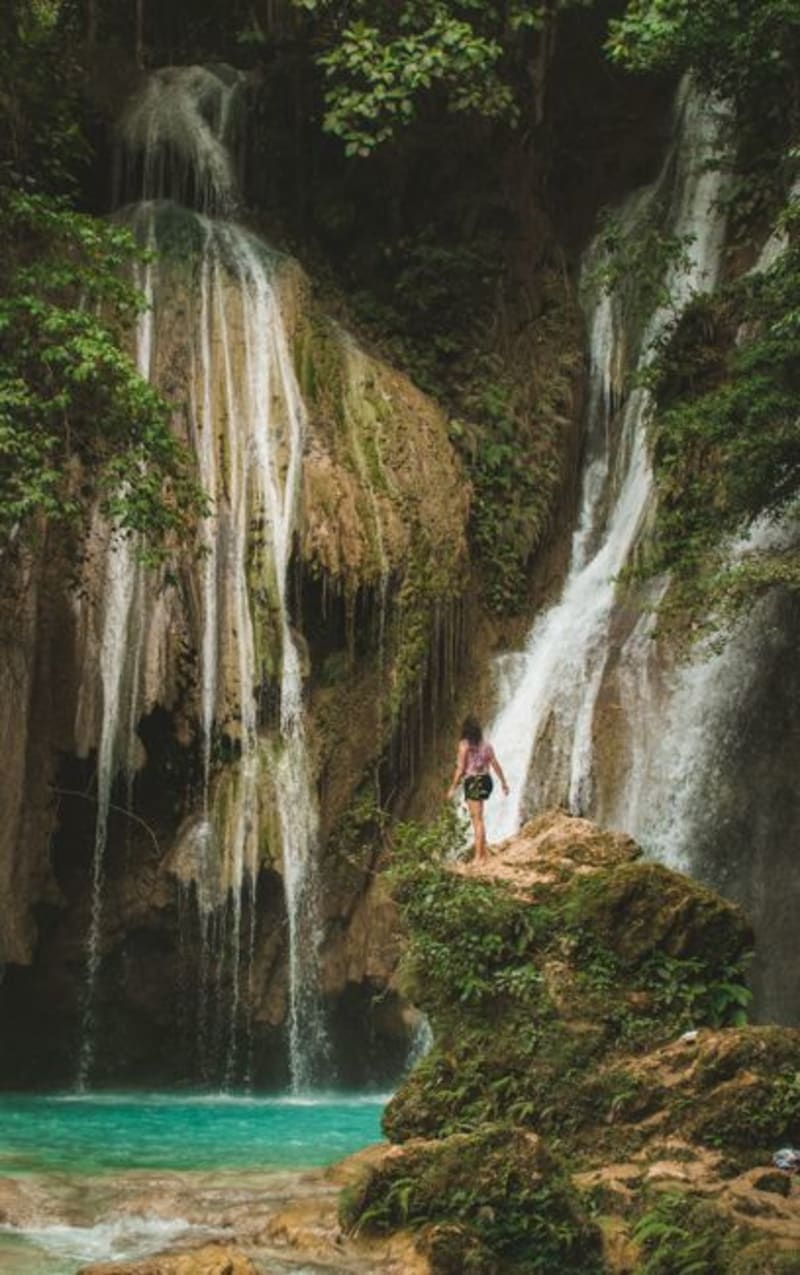 jamaica
 Dunn's River Falls
A staircase of travertine rock and cold river water tumbling straight into the Caribbean Sea, climbed hand in hand with strangers.
Explore jamaica
 Kingston
The Caribbean's most musically dense capital — chaotic, alive, and the only place where Jamaica truly makes sense.
Explore jamaica
 Montego Bay
Jamaica's second city hides its real character behind a resort strip — find Scotchies and the old downtown and the island clicks into focus.
Explore jamaica
 Negril
Seven miles of pale sand interrupted by limestone cliffs where the Caribbean turns electric at sunset and the whole island slows down.
Explore