Syracuse
"Plato tried to reform this place with philosophy. I just tried to keep up with the walking tour."
Once a rival to Athens itself, now a limestone island city where Caravaggio's last masterpiece hangs a few steps from a spring the Greeks thought was sacred.
It’s easy to forget, wandering Syracuse’s honey-colored streets, that this was once one of the most powerful cities in the ancient Mediterranean — for a period in the fifth century BC, larger and richer than Athens. The historian Thucydides devotes long, admiring stretches of his history to Syracuse’s defeat of the Athenian invasion in 413 BC, a catastrophe so total it arguably broke Athens’ momentum in the Peloponnesian War. Standing in the ancient quarries where thousands of captured Athenian soldiers were reportedly left to die of exposure, I felt the specific vertigo you get when a footnote from a college history class turns into a physical, walkable place.
Ortigia, the Island
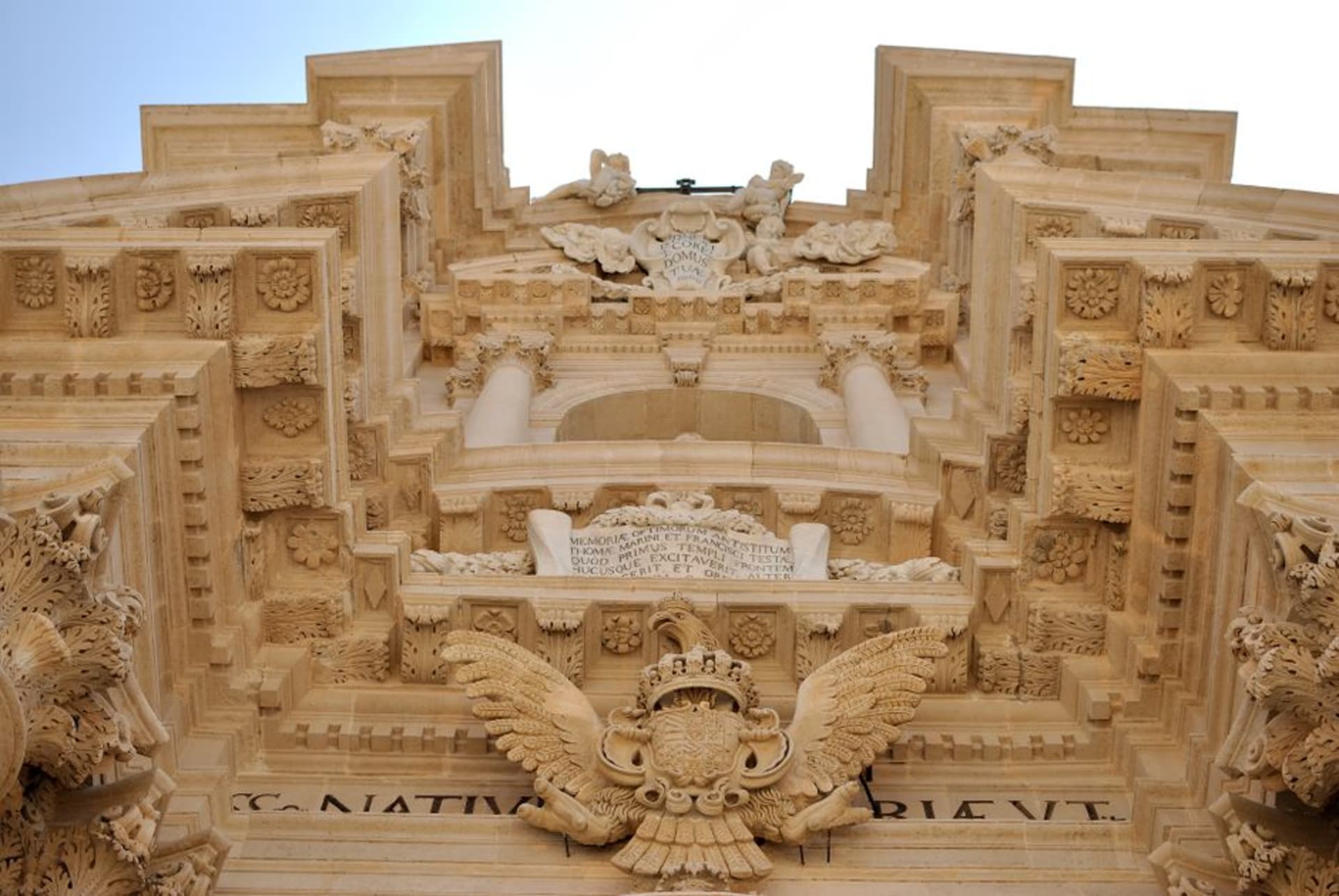
The old heart of Syracuse is Ortigia, a small island connected to the mainland by two short bridges, and it might be the most purely pleasurable place to walk aimlessly that I found anywhere in Sicily. The Duomo is the headline act — a Baroque cathedral facade grafted directly onto the columns of a fifth-century-BC Greek temple to Athena, so that if you look closely at the nave walls, you’re looking at 2,500-year-old fluted stone columns still doing structural work. Few buildings anywhere let you read that much history in a single glance.

A short walk away is the Fonte Aretusa, a freshwater spring bubbling up meters from the sea, ringed with papyrus plants — genuinely rare in Europe outside Egypt — and wrapped in a myth about a nymph fleeing a river god by diving beneath the ocean and resurfacing here. The Greeks believed it was sacred; I mostly just found it a strange, peaceful spot to sit with a granita and watch the fishing boats.
Caravaggio’s Last Word
In the church of Santa Lucia alla Badia hangs Caravaggio’s Burial of St. Lucy, painted in 1608 while he was on the run from a murder charge in Rome, hiding out in Sicily and, by most accounts, spiraling. The painting is dark, almost violently unfinished-looking, the figures dwarfed by a cavernous empty upper register — and knowing the desperation behind it changes how you look at the paint. Across town, the Neapolis Archaeological Park holds the Greek theater where Aeschylus premiered plays in the fifth century BC, and the Ear of Dionysius, a limestone cave with such extraordinary acoustics that legend says a tyrant used it to eavesdrop on prisoners’ whispers.

The market on Ortigia, just off Via Trento, runs loud and chaotic most mornings — swordfish laid whole on ice, mounds of Sicilian capers, vendors shouting prices that seem to change depending on how amused they are by you. I bought too many blood oranges and ate them sitting on the harbor wall, watching the light do something extraordinary to the old fortifications across the water.
When to go: April-June or September-October, for warm but manageable weather and a market and theater season running at full tilt without August’s heat and crowds.