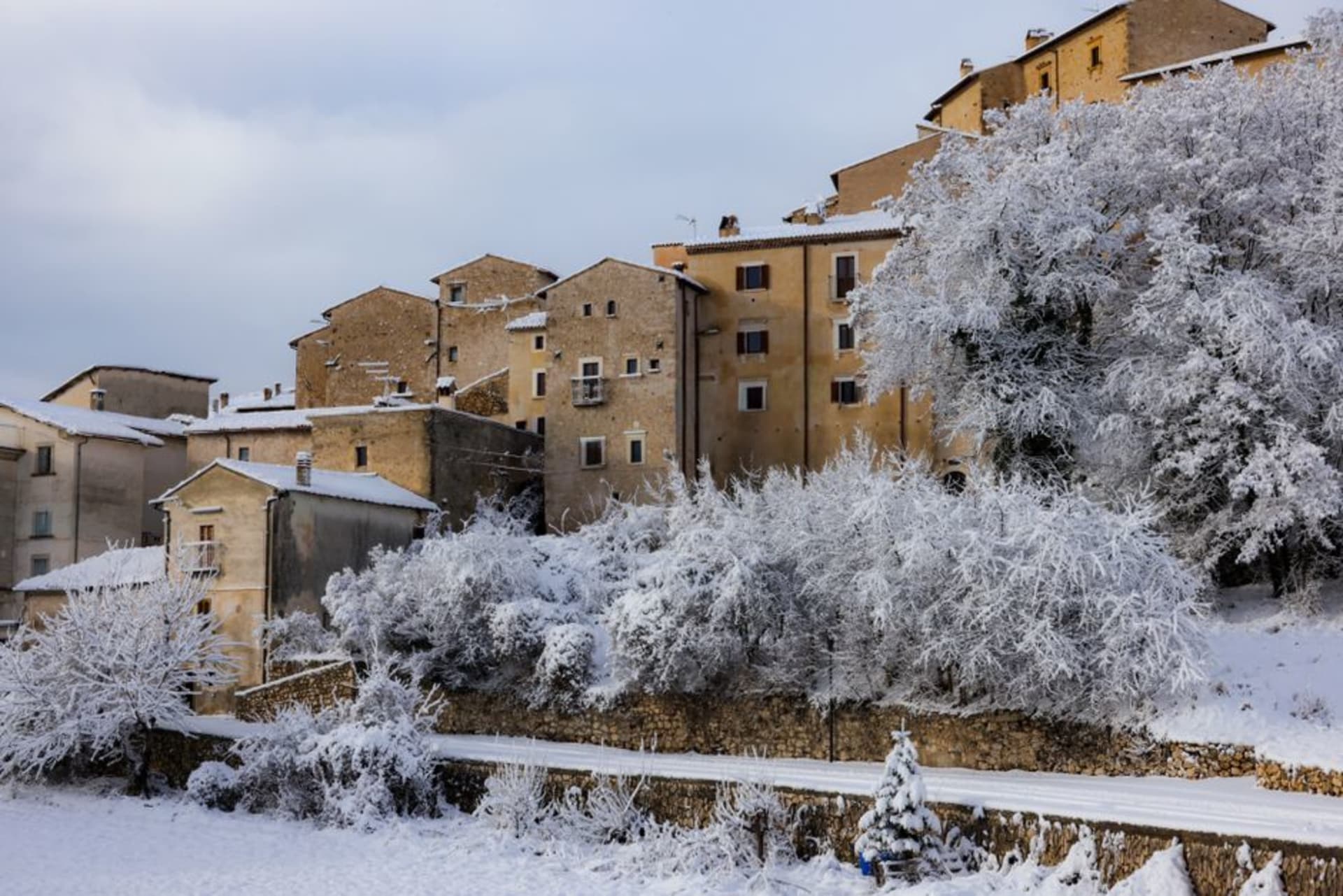
A stone village shaped like a scorpion, clinging to a mountainside above a lake the color of pewter — the Abruzzo nobody warned me about.
Nobody in Rome or Milan ever told me to go to Scanno, and now I understand why — the ones who know keep it quiet. It sits in the Sagittario valley in Abruzzo, inside the Parco Nazionale d’Abruzzo, Lazio e Molise, at close to 1,200 meters, and the village itself is famously shaped like a scorpion when seen from above, its narrow streets curling and doubling back on themselves along the contour of the ridge. I arrived by the same road that has carried travelers for centuries, a series of switchbacks through the Sagittario Gorge that leaves you slightly carsick and entirely unprepared for what waits at the top.
A Village Built for Walking, Not Driving
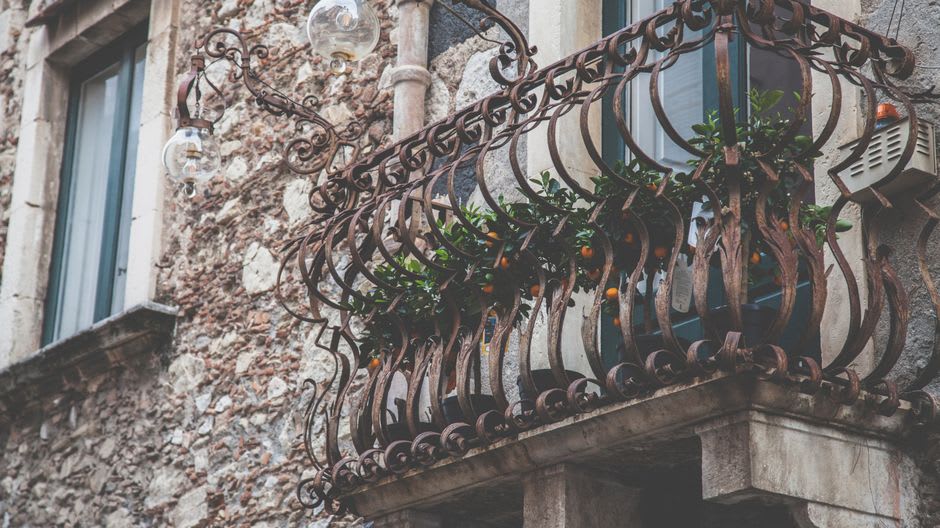
Scanno’s historic center has almost no straight lines. The alleys — vicoli, the locals call them — were laid out for mules and foot traffic, not cars, and they still work exactly that way. Balconies with wrought-iron railings lean over the street close enough to touch from opposite sides. Doorways carry carved stone lintels, some dated to the sixteenth and seventeenth centuries, when Scanno grew wealthy from wool and sheep-farming along the transhumance routes that once moved flocks between Abruzzo and the plains of Puglia. Older women here — fewer every year, but still visible on market mornings — wear a traditional costume that has barely changed in generations: a dark pleated skirt, an apron, a headscarf folded in a particular, instantly recognizable way. Photographer Henri Cartier-Bresson came through in 1951 and made images of Scanno’s women and streets that are still reproduced in books about Italy; walking those same corners, I felt like I’d wandered into one of his frames.
The Lake, and the Long Way Down
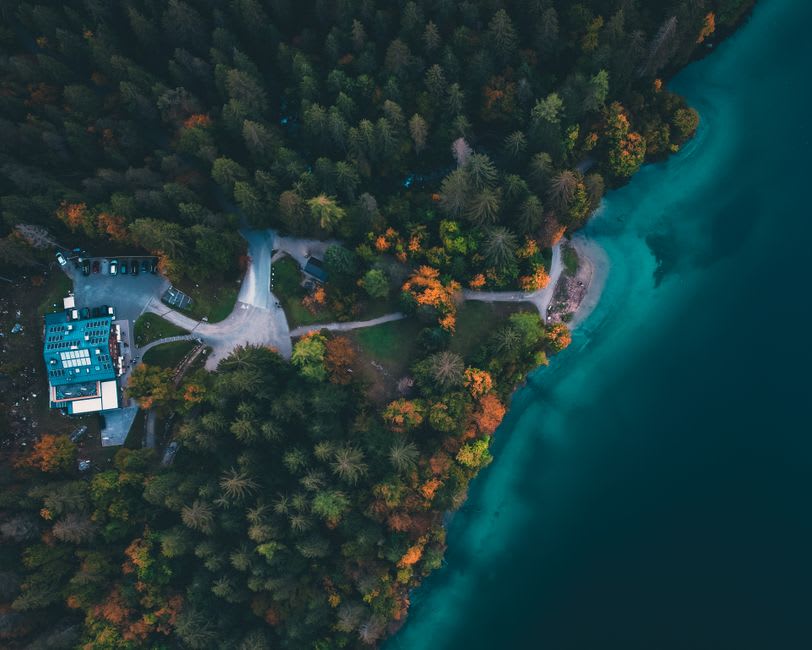
Below the village, Lago di Scanno spreads out in a shape locals compare to a heart — an artificial-looking basin that is actually the result of an ancient landslide that dammed the Tasso stream. It’s the largest natural lake in Abruzzo, ringed by beech forest, and in July the water turns a improbable blue-green under full sun, though I saw it under a lower, grayer sky and liked it just as much — moodier, quieter, more honest somehow. There’s a small church, the Chiesa della Madonna del Lago, perched right at the water’s edge, and I sat on the steps there for the better part of an hour doing nothing, which is not something I do often. The Abruzzo national park around the lake is serious wilderness — Marsican brown bears, one of Europe’s rarest subspecies, still roam these mountains, along with wolves and golden eagles, though seeing one is a matter of luck most visitors don’t get.
Food here leans hard into mountain tradition — Abruzzo is famous for its pecorino and for arrosticini, skewers of grilled mutton cooked over long charcoal braziers called fornacelle, and Scanno adds its own note with mostaccioli, small spiced biscuits, and confetti, the sugared almonds the town has produced since the nineteenth century and still exports for weddings across Italy. I bought a small paper cone of them from a shop that looked like it hadn’t changed its shelving since the 1970s, and ate them slowly on the walk back up to where I was staying, which in Scanno means uphill, always uphill.
When to go: Late June through September gives you warm, walkable weather and the lake at its bluest; if you don’t mind the cold, a snow-quiet winter visit shows you a version of the village that feels almost sealed off from the century.