
Pescara
"Breakfast in the mountains, a swim by lunch — Pescara makes that an ordinary Tuesday."
Abruzzo's seaside city, all wide sandy beach and modernist bones, where the mountains and the Adriatic sit close enough to visit both in one day.
Pescara surprised me by being modern. After weeks of medieval hill towns and stone villages elsewhere in Abruzzo, arriving in a city with wide boulevards, mid-century apartment blocks, and a genuinely long, flat sand beach felt almost disorienting. That’s Pescara’s story, though — the old town was leveled by Allied bombing in 1943, and the city that rose after the war was rebuilt largely from scratch, which is why it feels less like a museum and more like somewhere people actually live and work. It’s now the largest city in Abruzzo, sitting where the Pescara river meets the Adriatic, and it functions as the region’s commercial engine.
The Beach and the Bridge
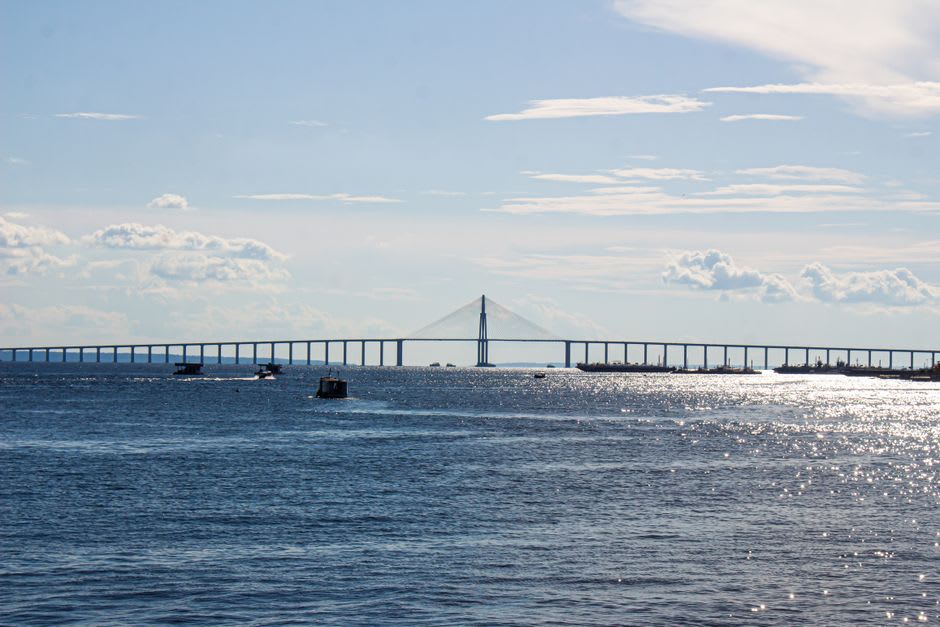
The beach is the reason most Italians know Pescara at all — kilometers of fine sand running along the Adriatic, lined with stabilimenti, the private beach clubs with their rows of striped umbrellas and sun loungers that are as much a part of the Italian summer ritual as gelato. I rented a lounger for an afternoon at one of them, more out of curiosity about the ritual than any real need for comfort, and watched families run the same routine that’s probably played out here every August since the 1950s. The city’s signature piece of architecture is the Ponte del Mare, a striking pedestrian and cycle bridge shaped like a sail that arcs over the river mouth, connecting the northern and southern beach fronts — walking across it at sunset, with the light hitting the Adriatic on one side and the river on the other, is one of the better free things to do on the whole coast.
D’Annunzio’s City
Pescara’s most famous native son is Gabriele D’Annunzio, the poet, soldier, and provocateur whose birth house still stands in the old fishermen’s quarter and is now a small museum. Abruzzese literature runs through Pescara in a way I didn’t expect from a beach city — Ennio Flaiano, the screenwriter behind Fellini’s La Dolce Vita, was born here too. There’s a museum dedicated to him as well, tucked into the same modest streets near the river where fishing boats still tie up each morning and sell the day’s catch straight off the dock. That’s really the move in Pescara: eat brodetto, the local fish stew made with saffron and a dozen kinds of Adriatic seafood, at a trattoria near the port, ideally with a glass of Montepulciano d’Abruzzo, the region’s dependable red.
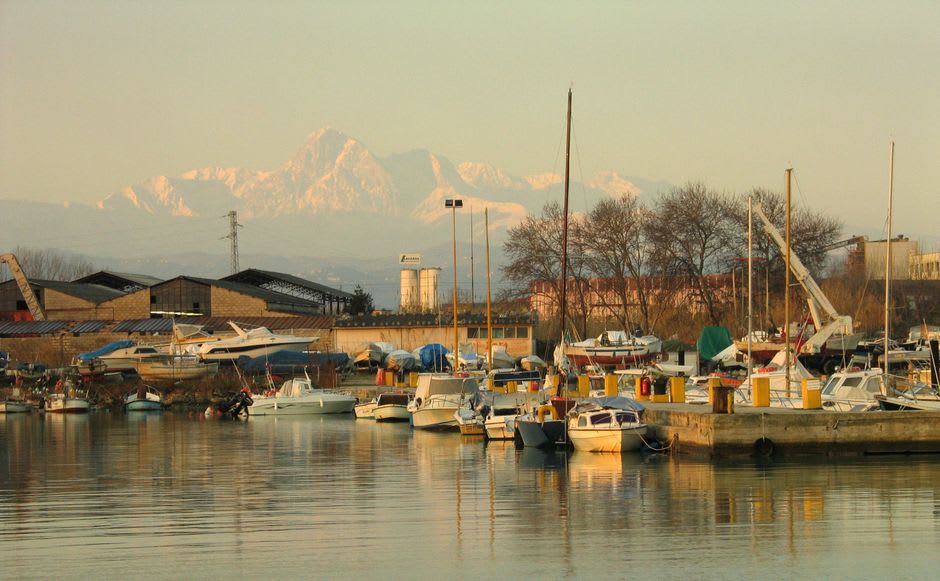
What I liked most about Pescara is what it makes possible logistically — you can be swimming in the Adriatic by ten in the morning and, within ninety minutes, standing at nearly 2,000 meters in the Gran Sasso massif or the Maiella range, Abruzzo’s two great mountain groups. No other Italian region compresses beach and high peaks that tightly together, and Pescara sits right at the hinge point.
When to go: June and September give you warm water and a beach that isn’t wall-to-wall umbrellas. July and August are peak Italian holiday season — lively, loud, and worth it if you want to see the stabilimenti culture in full swing.