A former royal capital where a Carthusian monastery of almost obscene beauty sits twenty minutes from a university town that Italy's kings once ruled from.
Everyone in Milan talks about day trips to Como or Bergamo, and almost nobody mentions Pavia, which sits just half an hour south by train along the Ticino river. That’s a shame, because Pavia was a capital before Milan was much of anything — it served as the seat of the Kingdom of the Lombards in the early Middle Ages, and later as capital of the Kingdom of Italy under Charlemagne. Walking its brick-red streets, you’re moving through a town that once out-ranked the city that now overshadows it.
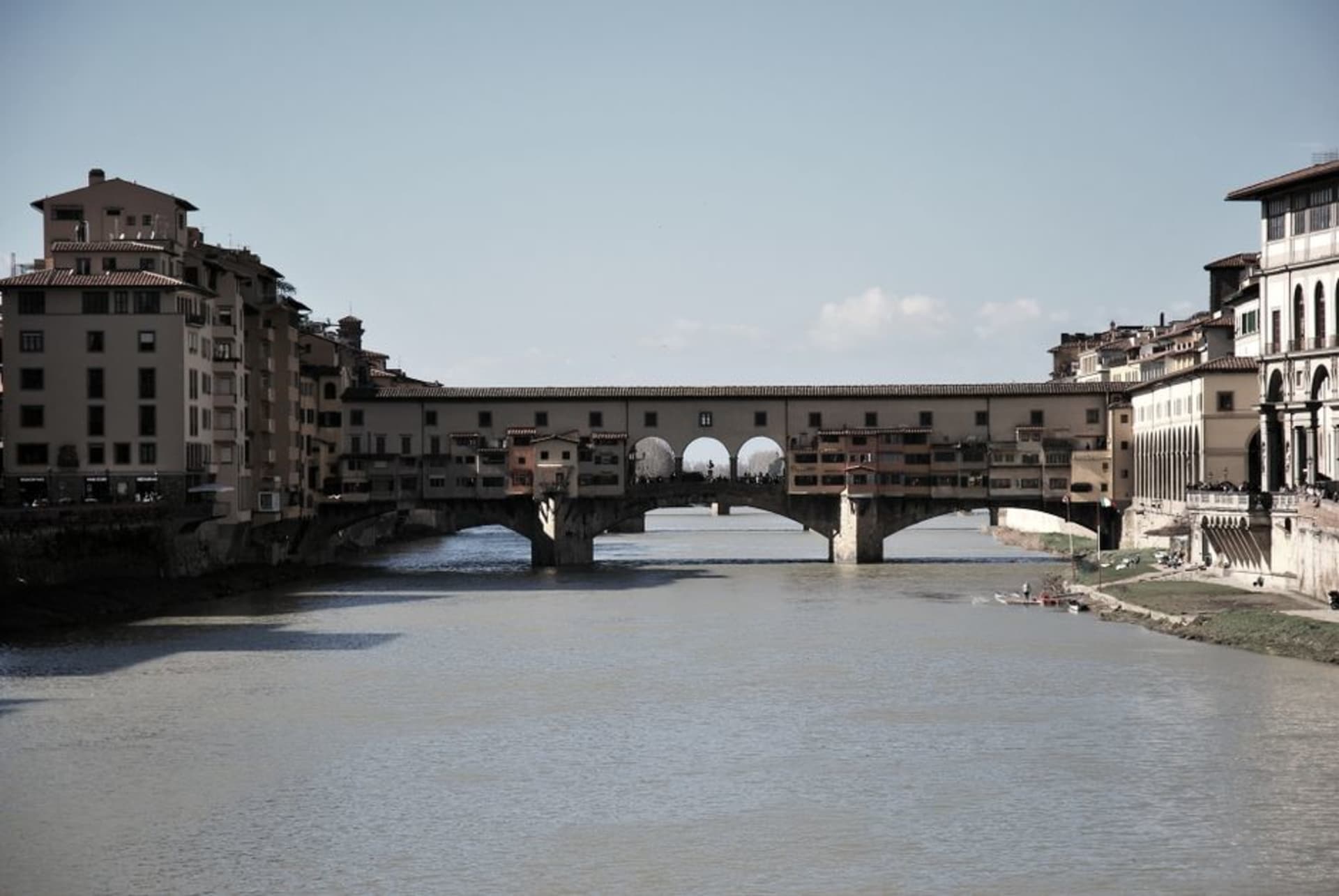
The University of Pavia, founded in 1361 (though it traces intellectual roots back further, to a law school established under Charlemagne), still anchors the town’s identity. Alessandro Volta taught physics here and invented the electric battery in these buildings; you can visit the Volta Temple built in his honor near the Castello Visconteo. The university gives Pavia the energy of a college town without the frenzy of a big city — students on bicycles, cheap trattorias, a river to sit by in the evening. The Ponte Coperto, a covered brick bridge across the Ticino, was rebuilt after the war a few meters from its medieval original and remains the town’s most photographed corner, especially at dusk when the arches catch the last light off the water.

The Certosa
But the real reason to come to Pavia — the reason I’d argue it belongs on any serious Lombardy itinerary — is eight kilometers north, at the Certosa di Pavia. This Carthusian monastery was begun in 1396 by Gian Galeazzo Visconti, the Duke of Milan, originally intended as his family’s mausoleum, and it took over a century to complete. The façade alone is a riot of colored marble, sculpted medallions, and inlaid geometric patterns so dense it borders on excess — Renaissance architects and sculptors across three generations kept adding to it, and the result feels less like a building than an argument for how much beauty a single wall can hold. Inside, the church contains Gian Galeazzo’s own tomb along with that of Ludovico Sforza, “Il Moro,” and his wife Beatrice d’Este, carved in white marble with an intricacy that made me stand there far longer than I’d planned. A small community of Cistercian monks still lives on the grounds and sells the herbal liqueurs and honey they produce, which felt like a fitting, slightly surreal souvenir.

The Castle and the River
Back in town, the Castello Visconteo, built by the same Visconti family in the 1360s, now houses the Musei Civici — a wander through archaeology, medieval sculpture, and a picture gallery that includes a Bellini and works by regional masters most visitors have never heard of. Afterward I did what I suspect most Pavesi do on a warm evening: walked down to the riverbank near the Ponte Coperto and sat with a glass of wine, watching university kids cool their feet in the Ticino as if the town’s grand imperial past were somebody else’s problem entirely.
When to go: Spring or early autumn, when the university is in session and the town has its full rhythm, and when the Certosa’s gardens are at their best.