Olbia
"Nobody comes to Olbia on purpose, and that is exactly why the good trattorias here still cook for locals instead of for photographs."
Everyone treats Olbia as the airport you land at before fleeing to the coast — I stayed two extra days and found a real Sardinian working town with three thousand years of history underneath the ferry terminal smell.
Olbia has an image problem entirely of its own making, or rather of its geography’s making: it is the gateway to the Costa Smeralda, the town with the airport and the ferry port that ninety percent of visitors pass through in a rental-car blur on their way somewhere prettier. I did the same thing on my first trip through Sardinia, and it was only on a second visit, when a delayed ferry stranded me here for two nights, that I actually looked at the place. What I found was a genuinely old Sardinian port town — Phoenician and later Roman, its name derived from the Greek word for “happy” — with a working harbor, a pedestrian old center that empties of tourists by nine at night, and a cathedral that predates almost everything on the coast it feeds tourists toward.
San Simplicio and the Bones of the Old Town
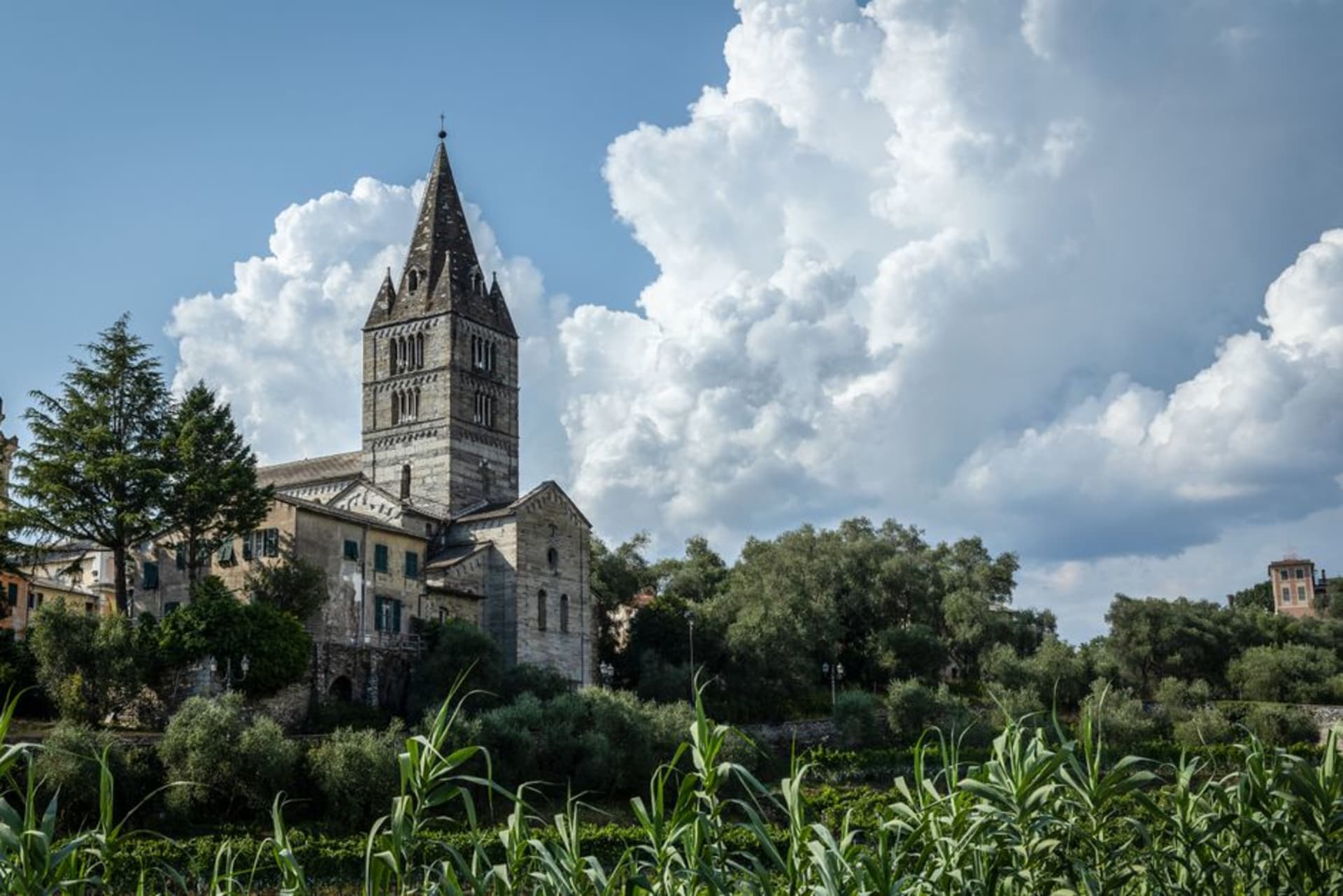
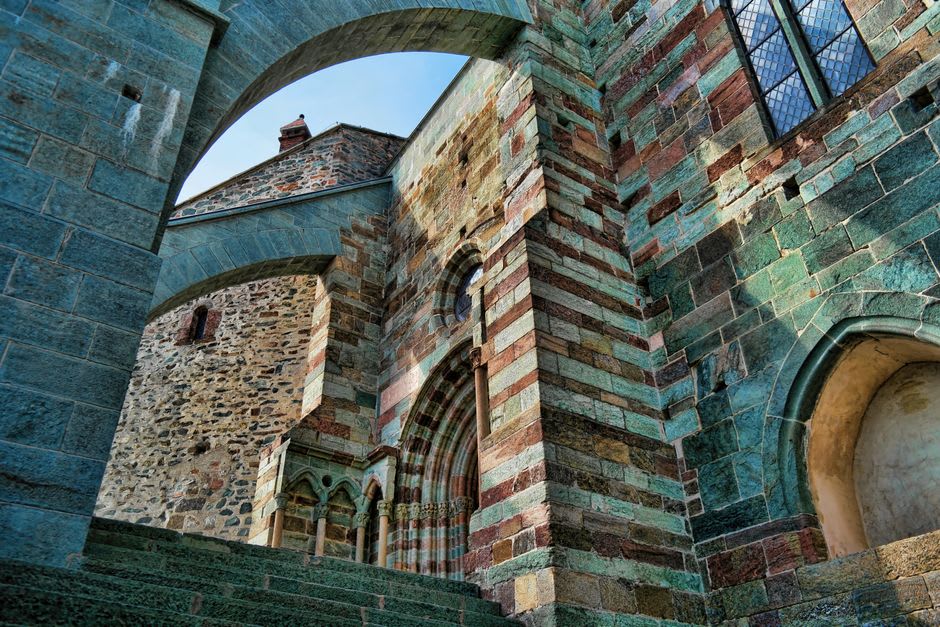
The Basilica di San Simplicio is the reason to take Olbia seriously as a destination rather than a layover. Built in the eleventh and twelfth centuries from pale granite blocks — some of them recycled Roman stone, if you look closely at the irregular sizing along the base — it is a severe, beautiful example of Sardinian Romanesque architecture, almost entirely undecorated on the outside, which somehow makes the interior’s plain stone columns and worn floor feel more moving rather than less. I wandered in on a weekday afternoon and had it entirely to myself except for an elderly man lighting a candle in the side chapel, and the quiet felt earned rather than staged. Every May the town holds the Festa di San Simplicio, one of Sardinia’s most important religious festivals, with a procession of traditional costumes from across the island that I have promised myself I will time a return trip around. The old town’s main pedestrian street, Corso Umberto, runs from near the basilica down toward the harbor, lined with a mix of everyday Sardinian shops and the kind of unpretentious bars where the coffee is good and nobody is trying to sell you a Costa Smeralda day trip.
A Harbor That Has Always Been a Harbor
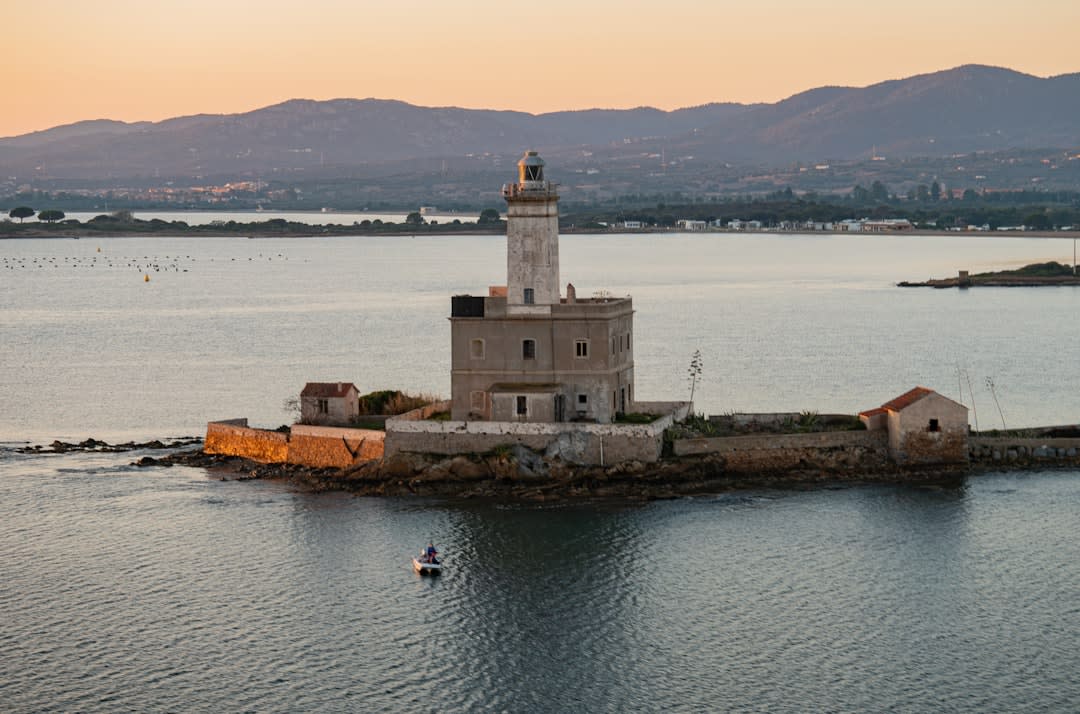
Olbia’s harbor has functioned as a port continuously since Phoenician times, and there is something grounding about eating dinner at a table facing water that has been doing exactly this job — receiving boats, feeding a town, connecting Sardinia to the mainland — for three thousand years. The Museo Archeologico, built out over the water on its own small pier, houses artifacts recovered from Roman-era shipwrecks found in the harbor itself, including the remains of actual sunken vessels, which felt like a more honest introduction to the island’s layered history than anything I later found in the resort towns up the coast. In the evening the passeggiata along the harborfront picks up with families and old men playing cards outside bars, and the seafood restaurants tucked into the streets just back from the water serve fregola with clams and bottarga at prices that made the Costa Smeralda menus I’d seen the week before look like a different currency entirely.
When to go: Late spring, especially around the San Simplicio festival in mid-May, gives you good weather, the harbor at its liveliest, and none of the July-August crowds that flood through the airport on their way elsewhere.