Italy's most unromantic great city — and precisely because of that, the one that feels most honest about who's actually living in it.
Milan gets a bad rap from people who visit Italy for the postcard version — the crumbling palazzi, the operatic decay, the sense that time stopped somewhere around 1600. Milan didn’t get that memo. It’s a working city, gray and fast and businesslike in a way that unsettles visitors expecting La Dolce Vita, and I’ll admit I was one of them the first time I arrived, stepping off the train at Milano Centrale — itself a fascist-era monument of a station, all marble and eagles and scale designed to intimidate — and feeling like I’d landed somewhere colder than the Italy I’d come for. It took me a return trip, and slowing down enough to actually look, to understand that Milan’s coldness is a kind of honesty. This is where Italy makes its money, sets its fashion calendar, and quietly runs its finance and publishing industries, and the city doesn’t feel obligated to charm you into forgiving it for that.
The Duomo and What’s Around It
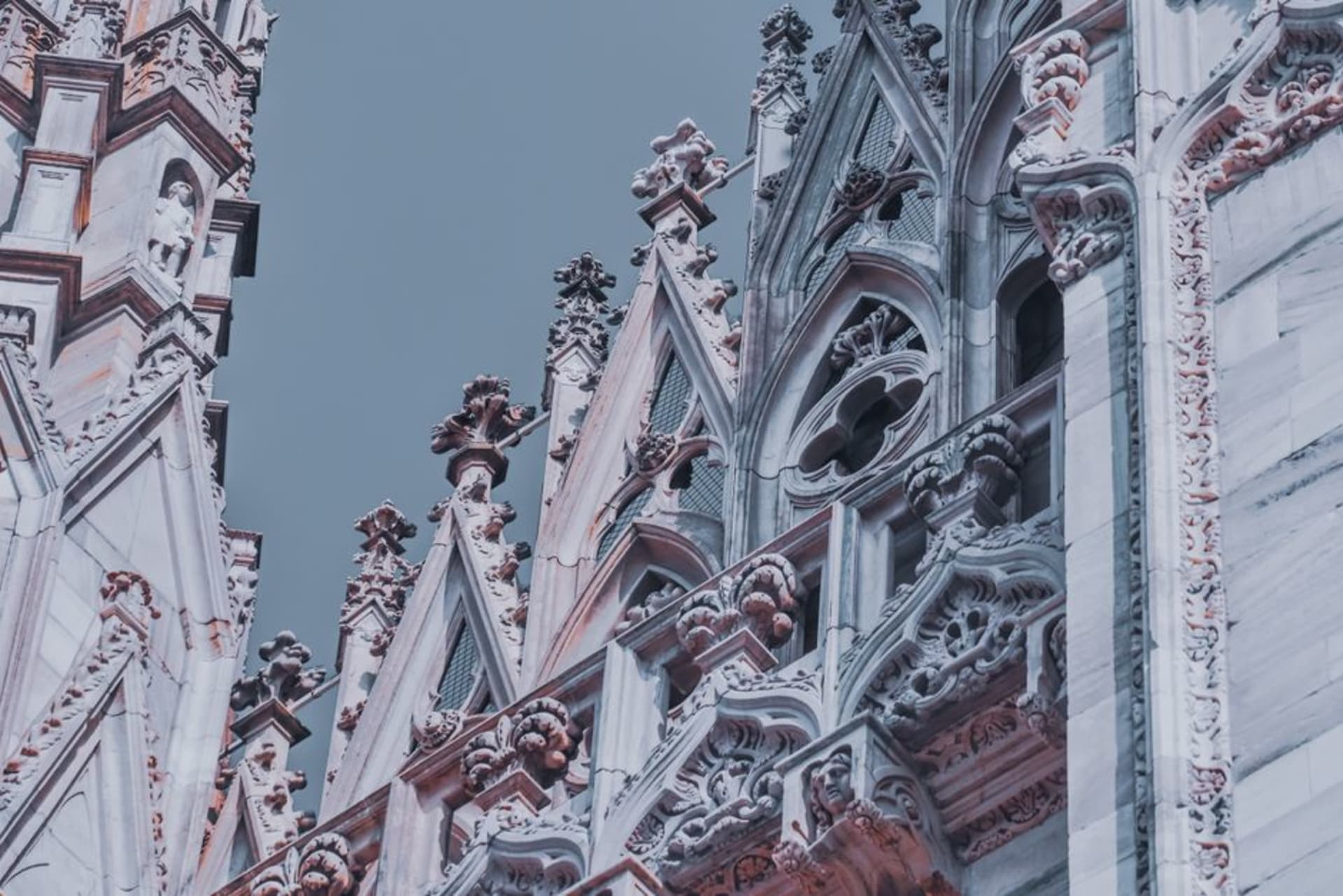
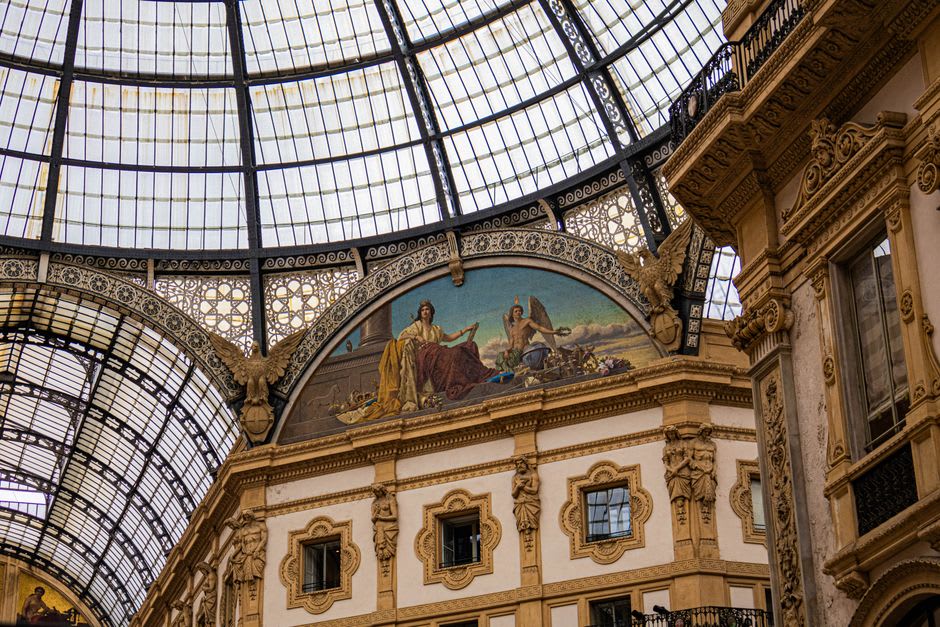
Then there’s the Duomo, which undoes every assumption you walked in with. Nearly six centuries to build, a forest of spires and more than three thousand statues in blinding white marble, and standing beneath it in the piazza — especially at night when it’s lit and the crowds have thinned — I’ve felt the same vertigo I felt looking up at Gothic cathedrals in France, except louder, more excessive, more Italian about it. Climb to the roof terraces if you do nothing else in Milan; walking among the spires with the Alps sometimes visible on a clear day is worth the ticket price alone. Next door, the Galleria Vittorio Emanuele II — one of the world’s oldest shopping arcades, a glass-and-iron cross of a building from the 1860s — is where Milanese life performs itself daily, over espresso taken standing at the bar the way it’s meant to be drunk.
Da Vinci’s Quiet Masterpiece
A short walk from the center, in the refectory of the Convent of Santa Maria delle Grazie, is Leonardo’s The Last Supper — and I mean this as the highest compliment when I say it’s almost anticlimactic to see it in person after a lifetime of reproductions. You get fifteen minutes, timed entry, a small group filed through climate-controlled doors, and then you’re standing in front of a mural that has been flaking off its wall for five hundred years, restored and argued over and nearly destroyed by a WWII bombing that leveled the rest of the refectory around it. It survived by accident of engineering — the wall it’s painted on happened to be reinforced. Book weeks ahead; it’s the hardest ticket in the city for good reason.

Fashion, Football, and Aperitivo
Milan is Italy’s fashion capital, and the Quadrilatero della Moda around Via Montenapoleone is where that reputation gets its retail proof, but the more interesting fashion energy these days is in Brera and increasingly in Isola, the old industrial district reborn around the Bosco Verticale — those vertical forest towers wrapped in actual trees that became an unlikely symbol of the new Milan. In the evening, join the crowds for aperitivo, the Milanese invention where a drink comes with a spread of food substantial enough to double as dinner — it’s a civic ritual here, not a marketing gimmick, and if you can catch a match at San Siro with either AC Milan or Inter playing, do it; the noise alone tells you more about this city than any museum.
When to go: April through June or September to October, avoiding the August shutdown when much of the city genuinely closes for holiday and the sweltering, muggy Po Valley summer heat that settles in by July.