A single Christ statue watches over the most beautiful coastline nobody I know has ever visited.
I found Maratea by accident, which feels appropriate for a region that has spent centuries being overlooked. Basilicata is the instep of the Italian boot, wedged between Campania and Calabria, and it has none of the name recognition of its neighbors — no Amalfi, no Cinque Terre, nothing that trends on anyone’s feed. And yet here is Maratea, forty kilometers of Tyrrhenian coastline so dramatic it makes you wonder what conspiracy of geography kept it quiet. Locals call this stretch the “Perla del Tirreno,” the Pearl of the Tyrrhenian, and for once the nickname undersells the place rather than oversells it.
The town itself is not one town but several, scattered up and down the mountainside like it couldn’t decide where to settle. There’s Maratea Borgo, the historic center, a knot of stone alleys and staircases climbing the slope, dotted with more churches than seems reasonable for a population this small — forty-four of them, if you believe the local count, which I do because I got lost trying to walk past all of them in a single afternoon. Then there’s the frazione of Fiumicello down at sea level, and the port at Maratea Marina, where fishing boats and yachts share the same water without much friction.
The Christ Above the Water
What you notice first, though, from almost anywhere on this coast, is the Redentore — a twenty-two meter statue of Christ the Redeemer standing on the summit of Monte San Biagio, arms spread over the sea below. It went up in 1965, built by the same sculptor tradition that gave Rio its more famous version, and locals will tell you Maratea’s is actually taller if you don’t count the pedestal, a comparison delivered with the particular pride of a place used to losing name recognition contests. I made the drive up in the early evening, when the light goes copper over the water, and stood at the base watching the coastline curl away in both directions — a view that made the switchback road up there feel entirely worth it, even for a passenger who spent most of the ascent gripping the door handle.

Coves, Grottoes, and a Coastline Built for Boats
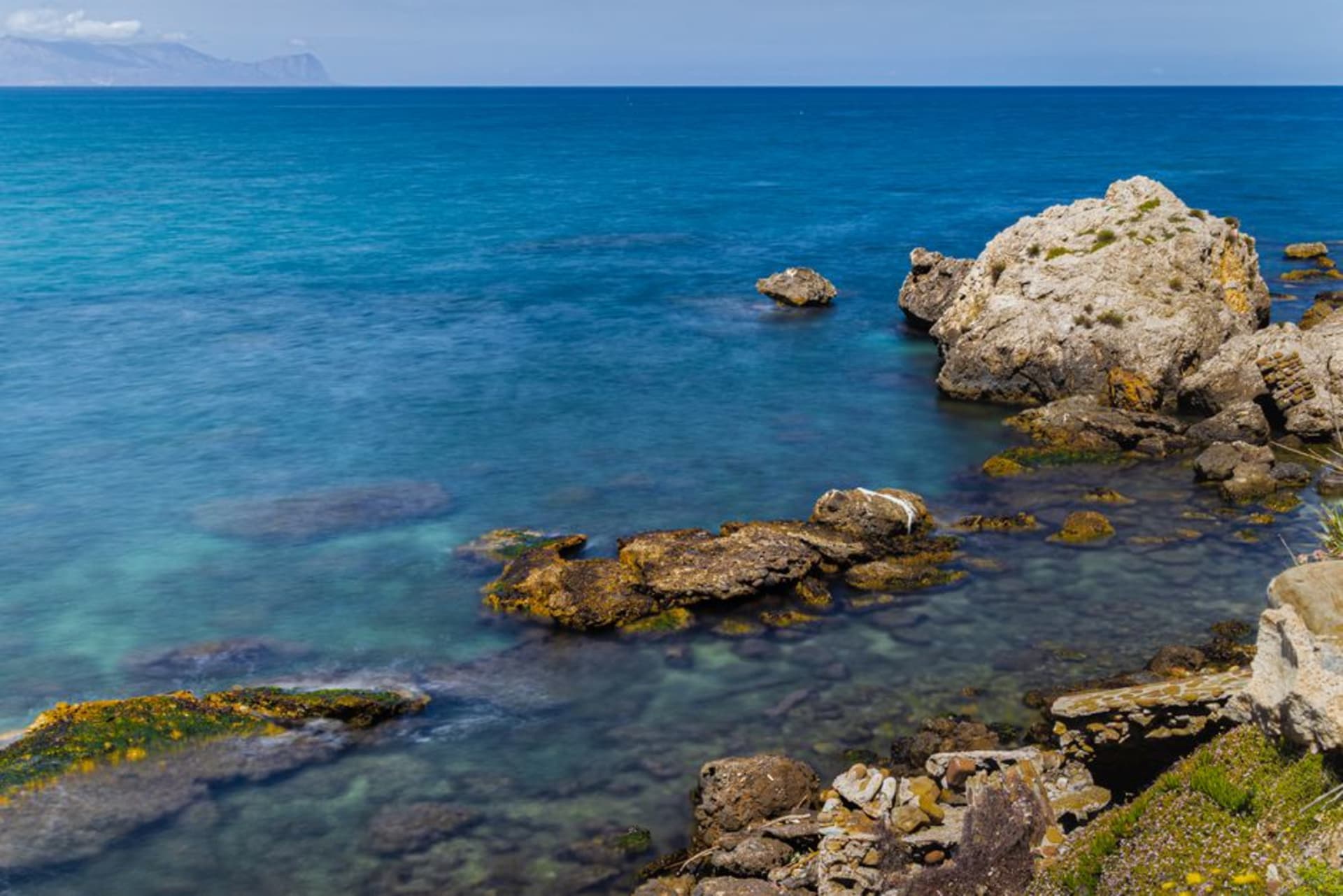
The real business of Maratea happens in the water. The coastline is carved into coves and inlets — Cala Jannita, Marina di Maratea, the little beach at Fiumicello — most of them reachable only by a scramble down stone steps or, better, by boat. I rented one for an afternoon out of the marina, which is the only sane way to see the grottoes properly: the Grotta delle Meraviglie, hung with stalactites that catch the light filtering in from the sea entrance, and a string of smaller caves along the cliffs that boat operators point out with the casual authority of people who’ve done this a thousand times. The water here has that specific Tyrrhenian clarity — not the Caribbean turquoise everyone photographs, but a deeper, more serious blue-green that seems to hold the color of the rock beneath it.
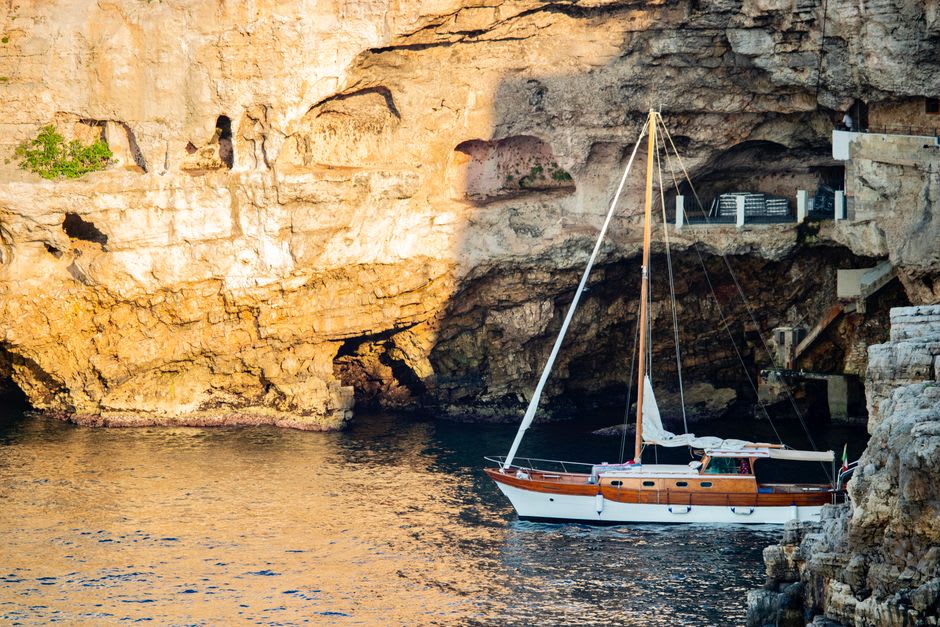
Basilicata’s isolation — it was, for most of its history, one of the poorest and most cut-off regions in Italy, the setting for Carlo Levi’s Christ Stopped at Eboli — is precisely what preserved Maratea. No coastal railway ever cut through here the way it did further north; the roads arrived late and stayed narrow. What that leaves you with now is a coastline that feels handled by locals rather than staged for tourists: family-run trattorias serving stoccafisso alla marateota, dried cod stewed with olives and potatoes, and a harbor where nobody is in a hurry to sell you anything.
When to go: June and September give you warm water and thinner crowds than the August peak, when Italians from Naples and Salerno descend en masse; the shoulder months also spare you the worst of the coastal road traffic.