L'Aquila
"A city rebuilding itself in full view, and asking nothing from you but to notice."
A mountain city still rebuilding itself stone by stone after 2009, and more moving for it — Abruzzo's proud, scarred capital beneath the Gran Sasso.
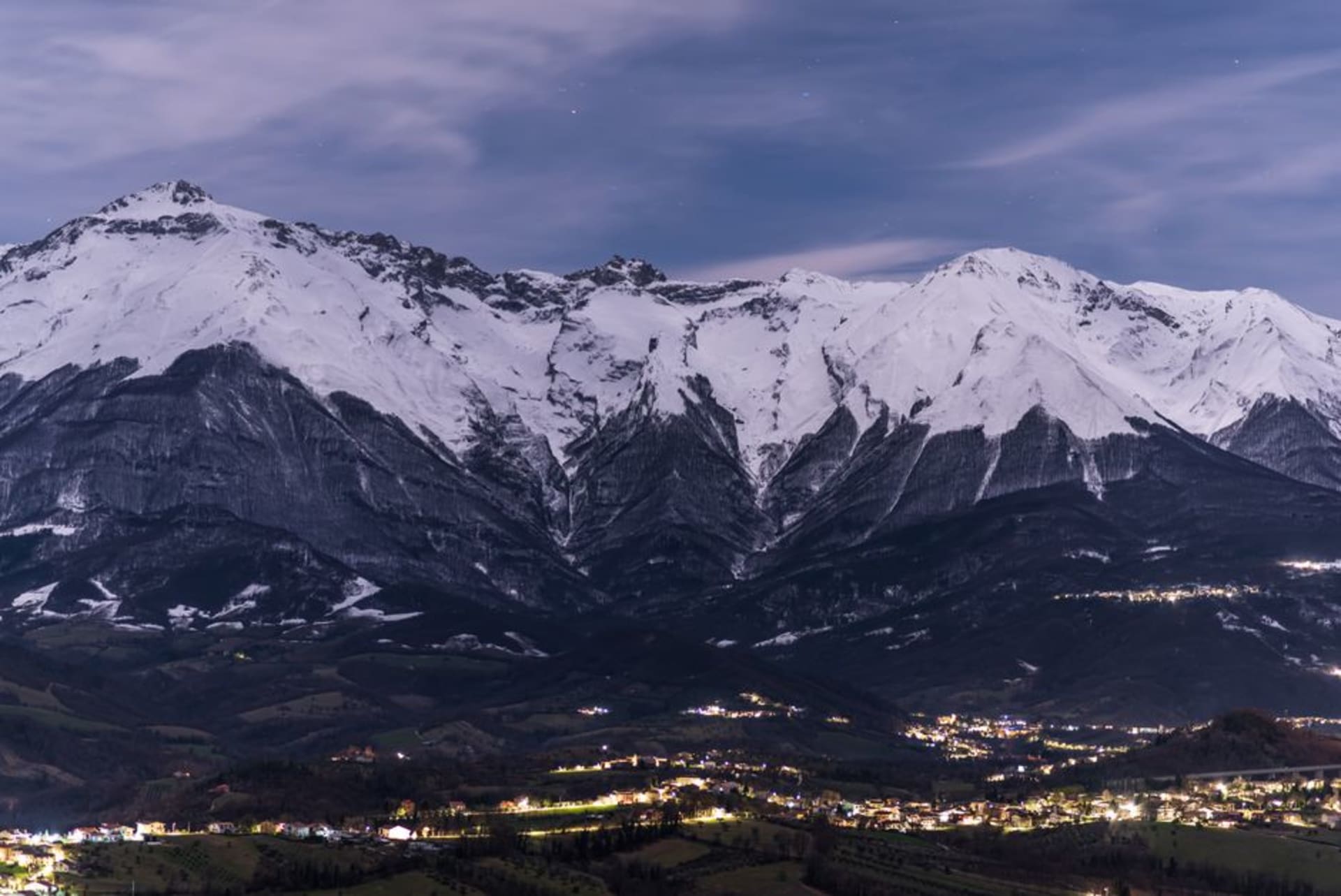
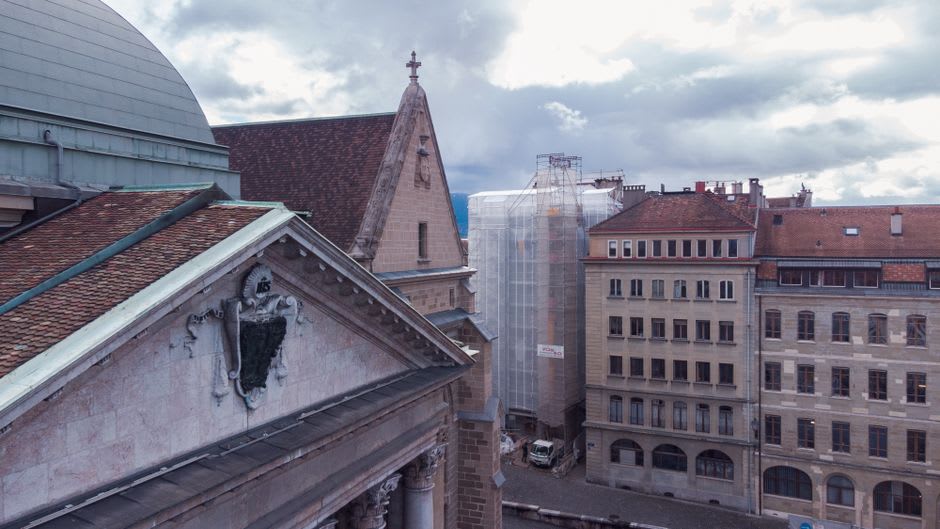
L’Aquila is not an easy place to write about lightly, and I don’t think it wants to be. On April 6, 2009, a 6.3 magnitude earthquake killed over 300 people here and left much of the historic center uninhabitable, and more than a decade later the scaffolding hasn’t fully come down. I arrived by bus from Rome, climbing up through the hills into the Abruzzo interior, and my first impression of the old town was of cranes against the mountains — the Gran Sasso d’Italia, the highest peak of the Apennines, looming over a city still putting itself back together with visible effort. It would be dishonest to pretend that isn’t the defining fact of visiting L’Aquila right now. But it would also be a mistake to let that stop you, because what’s been restored is extraordinary, and the process itself has become part of what makes the place worth seeing.
A City Founded by Committee
L’Aquila has an unusual origin story: it was founded around 1254 not by a single ruler but as a synoecism — a deliberate merger of some ninety-nine surrounding castle-villages into one fortified city, allegedly reflected in the tradition of ninety-nine piazzas, ninety-nine churches, and a fountain with ninety-nine spouts, the Fontana delle 99 Cannelle, built in 1272 and still flowing today. That civic, collaborative founding myth feels almost prophetic given the post-earthquake reconstruction, which has become one of the most closely watched heritage-restoration projects in Europe. The Basilica di Santa Maria di Collemaggio, just outside the walls, is the city’s masterpiece — a Romanesque-Gothic facade of pink and white stone laid in geometric patterns, founded in 1288 by Pietro da Morrone, the hermit monk who briefly became Pope Celestine V and is entombed inside. Its dome collapsed in the 2009 quake and the basilica reopened fully restored in 2017, its facade now more luminous than photos of it from before the disaster.

Beneath the Gran Sasso
What struck me most, walking the half-restored streets, was how the city refuses to be only about its wound. Students still fill the cafes near the university, one of Italy’s oldest, founded in 1596. The Castello Cinquecentesco, a sixteenth-century Spanish fortress, houses the national museum of Abruzzo and somehow survived the earthquake with only minor damage, its thick defensive walls doing exactly what they were built for centuries later. And the setting is simply spectacular: L’Aquila sits at nearly 700 meters, ringed by the Gran Sasso and Monti della Laga national park, and on a clear day the mountain seems to hang directly over the rooftops. I hiked partway up toward Campo Imperatore, the high plateau locals call “Italy’s Little Tibet” for its stark, treeless expanse, and looked back down at the city — scaffolding and all — and understood why people who left after 2009 keep finding reasons to come back.
When to go: June to September for hiking access to the Gran Sasso and mild city weather; the historic center is genuinely cold and exposed in winter, though the surrounding mountains become a serious ski destination.