Fano
"Rome built a gate here two thousand years ago and everyone just kept walking through it."
A Roman port city that never bothered becoming famous, where an Augustan arch still frames the road to Rome and the beach crowd stays refreshingly, blessedly local.
I came to Fano by accident, really — I’d meant to stop for lunch on the way to Pesaro and ended up staying two nights, which happens to me more often on this coast than I like to admit. Fano was Fanum Fortunae to the Romans, named for a temple to the goddess Fortuna that once stood where the Via Flaminia met the Adriatic, and it still carries that origin story lightly, without the self-importance a lot of Roman towns adopt once they realize what they’re sitting on.
Walking Through Augustus’s Gate
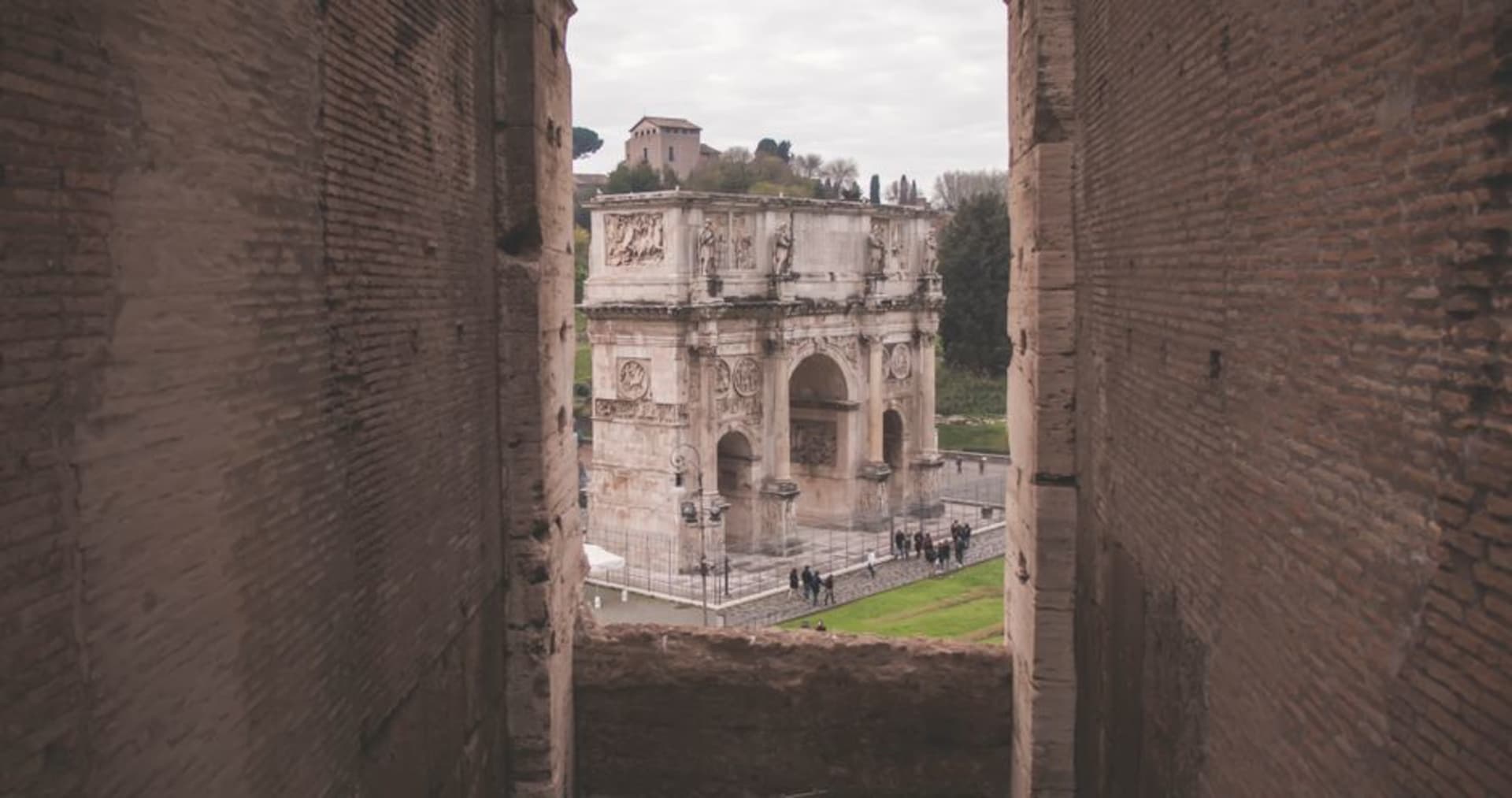
The Arco di Augusto still spans the old Via Flaminia at the edge of the historic center, built in 9 AD to mark the end of the road connecting Fano to Rome — the same road Augustus commissioned, arriving finally at the sea. The arch is battered; a Malatesta cannonball and centuries of weather have taken a visible toll on its upper tier, which was largely destroyed in the sixteenth century, but what remains is still genuinely Roman stone, not a reconstruction, and walking beneath it I had that specific feeling I get in Italy of standing exactly where an enormous number of other people have stood across an enormous span of time, most of them now completely forgotten. Nearby, the Fontana della Fortuna pays quiet tribute to the city’s namesake goddess.
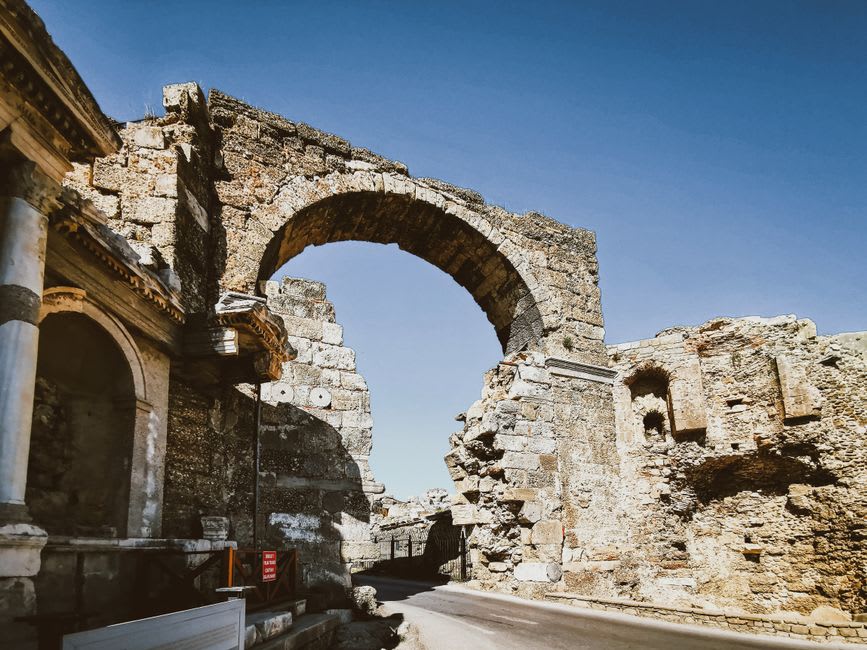
Fano later fell under the rule of the Malatesta family, the same dynasty that built out Rimini, and their fingerprints are all over the old center — the Corte Malatestiana, a fifteenth-century palace complex, now houses the city’s archaeological and art museums, including works by Guercino I hadn’t expected to find in a town this size. But what I actually remember most fondly is less official: the covered market stalls near the port, and the smell of frying that follows you down any street near lunchtime, because Fano takes its seafood extremely seriously.
Brodetto and the Working Beach
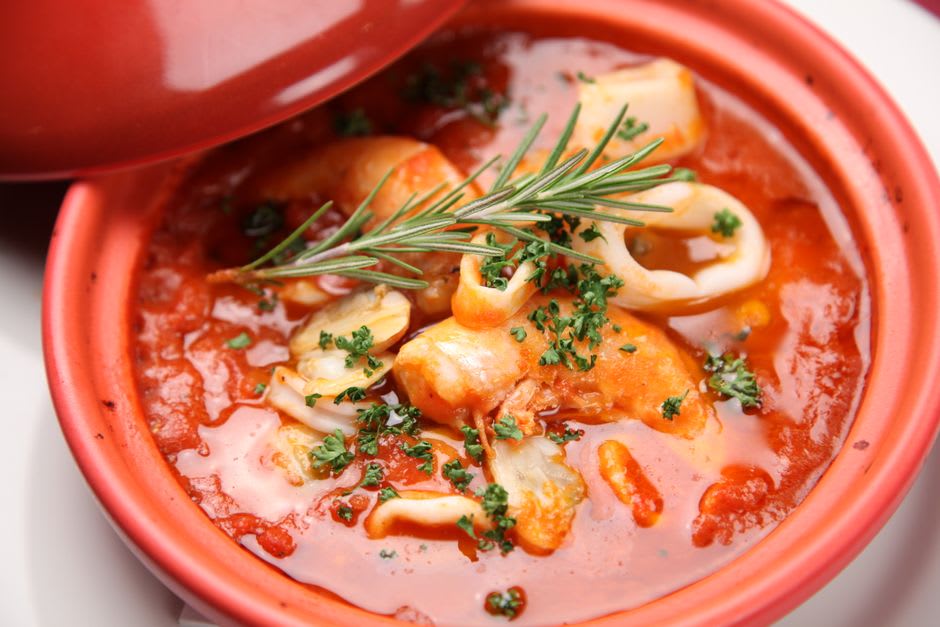
This is, after all, the reputed birthplace of brodetto, the Adriatic fish stew that every coastal town from Rimini to Ancona claims as its own with slightly different recipes and identical conviction. Fano’s version leans on saffron and a wide variety of local catch simmered together in a broth eaten with grilled bread — I had it at a place near the old fishing port, watching actual fishing boats unload actual fish a hundred meters away, which is not a sentence I get to write often. The city’s beaches stretch both north and south of the harbor, sandy and gently shelving, populated mostly by Italian families rather than the international crowds that flood Rimini forty minutes up the coast.
Fano’s other eccentricity is Carnevale — one of the oldest documented carnivals in Italy, dating to at least 1347, famous for its elaborate allegorical floats and, bizarrely, for throwing candy at the crowds by the ton. I missed it on my visit, but locals talked about it with such affection that I’ve already half-decided to come back in February just to see it.
When to go: June or September for warm, uncrowded beach weather without the peak-August scrum; February for Carnevale if you don’t mind the cold and want to see the town at its most unbuttoned.