Cuneo
"The mountains here don't announce themselves gently. They just appear, all at once, at the end of a street."
A city shaped like the wedge that gives it its name, wedged itself between two rivers and the wall of the Alps.
Cuneo means “wedge” in Italian, and the city earns the name honestly — it sits on a triangular plateau squeezed between the Stura and Gesso rivers, a natural fortress that made it a strategic prize for centuries and, later, a stronghold of the Italian Resistance during the Second World War. I hadn’t expected to feel a chill of that history so directly, but Cuneo’s role in the partisan movement is stitched into the town’s identity; this was one of the areas where anti-fascist resistance ran deepest in Piedmont, and the memory is treated with a quiet, unfussy seriousness rather than turned into spectacle.
Arcades and an Alpine Wall
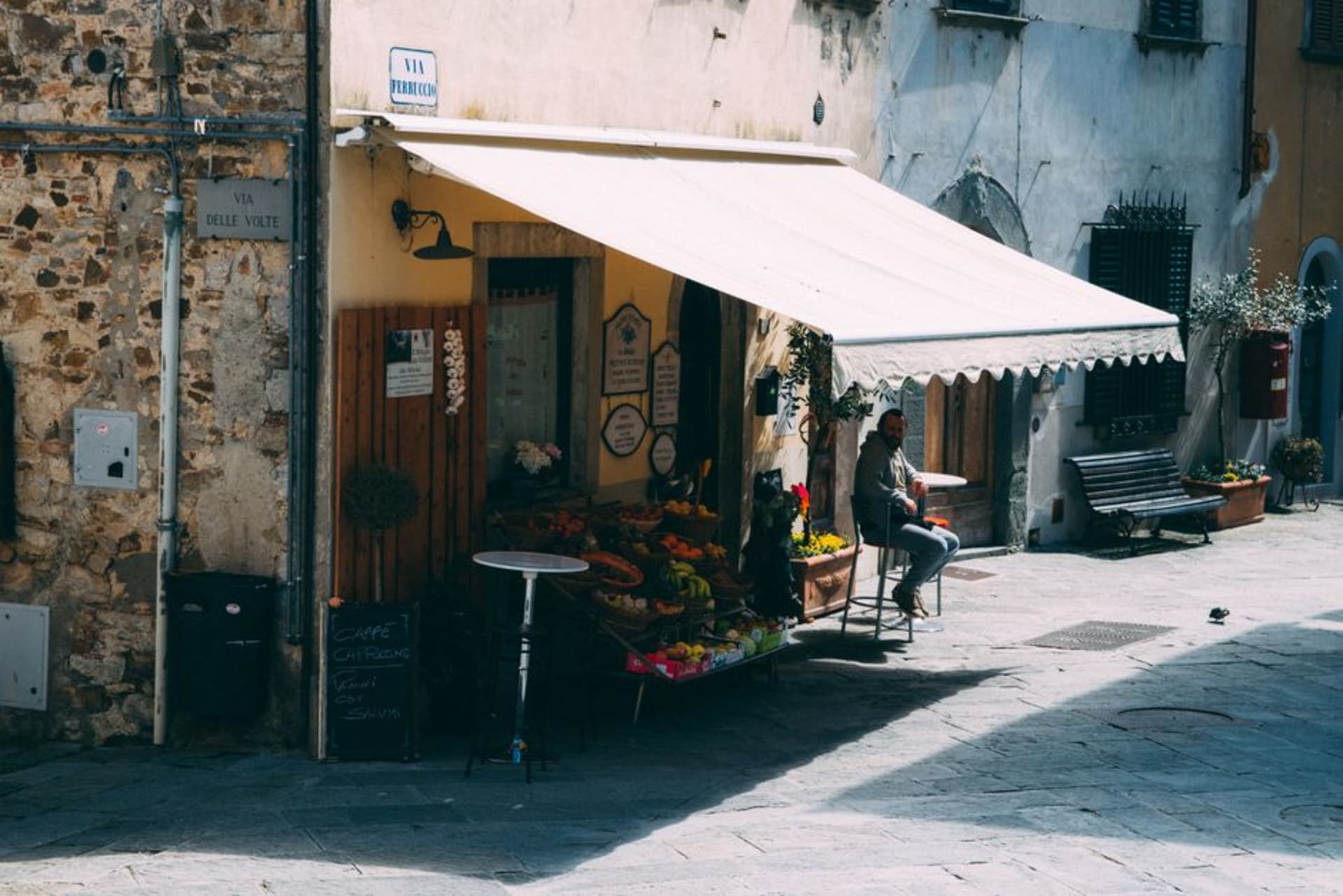
What struck me first, though, was purely visual: Via Roma, the pedestrian spine running through the historic center, is lined almost its entire length with covered stone arcades — porticoed, cool in summer, dry in the rain — a very Piedmontese urban habit shared with Turin. Walk it on a clear winter morning and look south, past the rooftops, and the Maritime Alps rise up almost without warning, close enough that you can pick out individual couloirs of snow. Cuneo sits at the gateway to some of the wildest, least-visited alpine valleys in Italy — the Valle Stura, the Valle Gesso, the Valle Maira — places the Milan weekend crowds haven’t fully discovered, which is precisely their appeal.

A City That Eats Well Without Fuss
Cuneo gave Italy the cuneesi al rhum — small dome-shaped chocolate pastries filled with rum-spiked cream, invented here in the early twentieth century and, according to local lore, packed into care parcels sent to Italian soldiers and prisoners in both world wars, a small sweet defiance against circumstance. I ate one standing at a pasticceria counter with no intention of buying a second and bought a second anyway. The broader Piedmontese table is on full display here too — bagna cauda, the garlic-and-anchovy dip meant for communal winter eating; agnolotti del plin, tiny pinched pasta parcels filled with roast meat; and, this being cattle country at the foot of the Alps, genuinely excellent beef, often served as carne cruda, hand-cut and dressed simply with oil and lemon.

Cuneo doesn’t perform for visitors the way Turin or the wine towns of the Langhe do, and that’s exactly why I’d send someone here — a genuine provincial capital going about its own business, arcades full of locals rather than tour groups, mountains doing their quiet, enormous work in the background of every street.
When to go: Late spring through early autumn for access to the surrounding alpine valleys and hiking trails; a clear day in January or February gives you the sharpest, snow-draped view of the Maritime Alps from Via Roma.