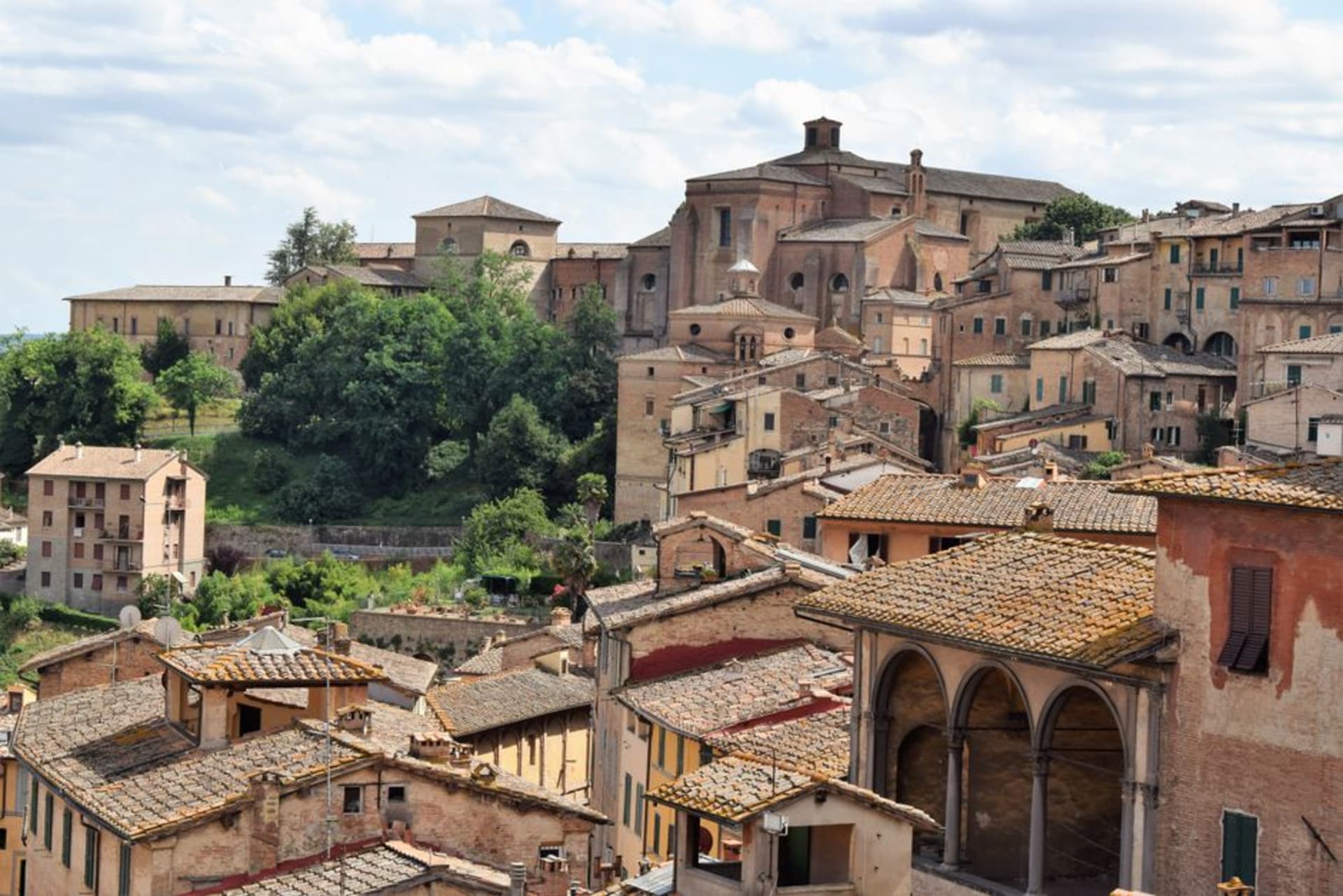
Calabria's most overlooked city, where a medieval old town clings to a hillside above a river that supposedly still guards Alaric's lost tomb.
I ended up in Cosenza almost by accident — a rerouted bus, a missed connection south toward the coast — and it turned into one of those detours that reorders your whole sense of a region. Calabria gets skipped by most travelers heading to Sicily, treated as the toe of the boot you drive through rather than stop in. Cosenza punishes that assumption. The old town, Centro Storico, spills down a steep hill between the Crati and Busento rivers, its buildings stacked so tightly that alleys narrow to shoulder-width and staircases substitute for streets. It felt less like a tourist itinerary and more like eavesdropping on a city that had forgotten anyone was watching.
A City Built on a Rumor
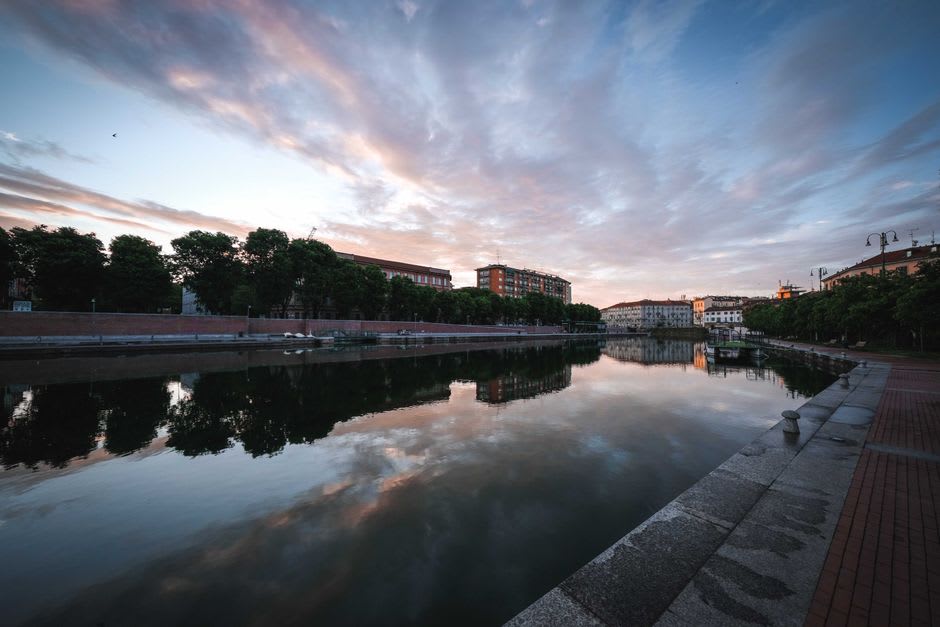
The story that hooked me first was the Busento. According to legend, when the Visigoth king Alaric died here in 410 AD — fresh off the sack of Rome — his men diverted the river’s course, buried him in the riverbed with his treasure, then killed the slaves who did the digging and let the water flow back over the grave to keep it secret forever. Nobody has ever found it. Standing on one of the footbridges over the Busento at dusk, watching the water run brown and unremarkable beneath me, I found myself doing the math on centuries of failed treasure hunters, and grinning at how a small provincial river talks a much bigger game than its size suggests.
Above the old town sits the Castello Svevo, the Swabian Castle, rebuilt by Frederick II in the thirteenth century on foundations that go back to the Byzantines and the Normans before him. It’s not the best-preserved castle in Italy — parts of it are frankly ruins — but the climb up rewards you with a view over the terracotta rooftops and the confluence of the two rivers that explains, instantly, why every power that passed through southern Italy wanted this hill.
Bianchi and the Open-Air Museum
Down in the newer part of the city, along Corso Mazzini, Cosenza runs an outdoor sculpture gallery called the Bianchi MAB — an unusual, slightly surreal collection of contemporary works by artists like Dalí and Manzù installed right in the pedestrian street between the shops. It’s the kind of civic gesture you don’t expect from a mid-sized southern Italian city, and it says something about Cosenza’s stubborn insistence on being more than a stopover.

Food here leans hard into Calabrian intensity — ‘nduja, the spreadable spicy pork sausage that Calabria exports to pizzerias worldwide, shows up on everything, and I ate more of it than was probably wise, spread thick on toasted bread with a glass of the region’s dense, dark Cirò wine. The old town’s cafés are unpretentious, plastic chairs on cobblestones, and nobody seemed to be performing hospitality for a camera — they were just living there, which after weeks of more polished Italian cities felt like relief.
When to go: Late spring (April-May) or early autumn (September-October), when the hill climbs are bearable and the summer heat hasn’t yet turned Calabria into an oven.