Chioggia
"The lagoon town where the boats still go out to work, not just to pose for photographs."
Venice's working little sister, all fishing boats and laundry lines, where the lagoon smells like the actual sea instead of a museum.
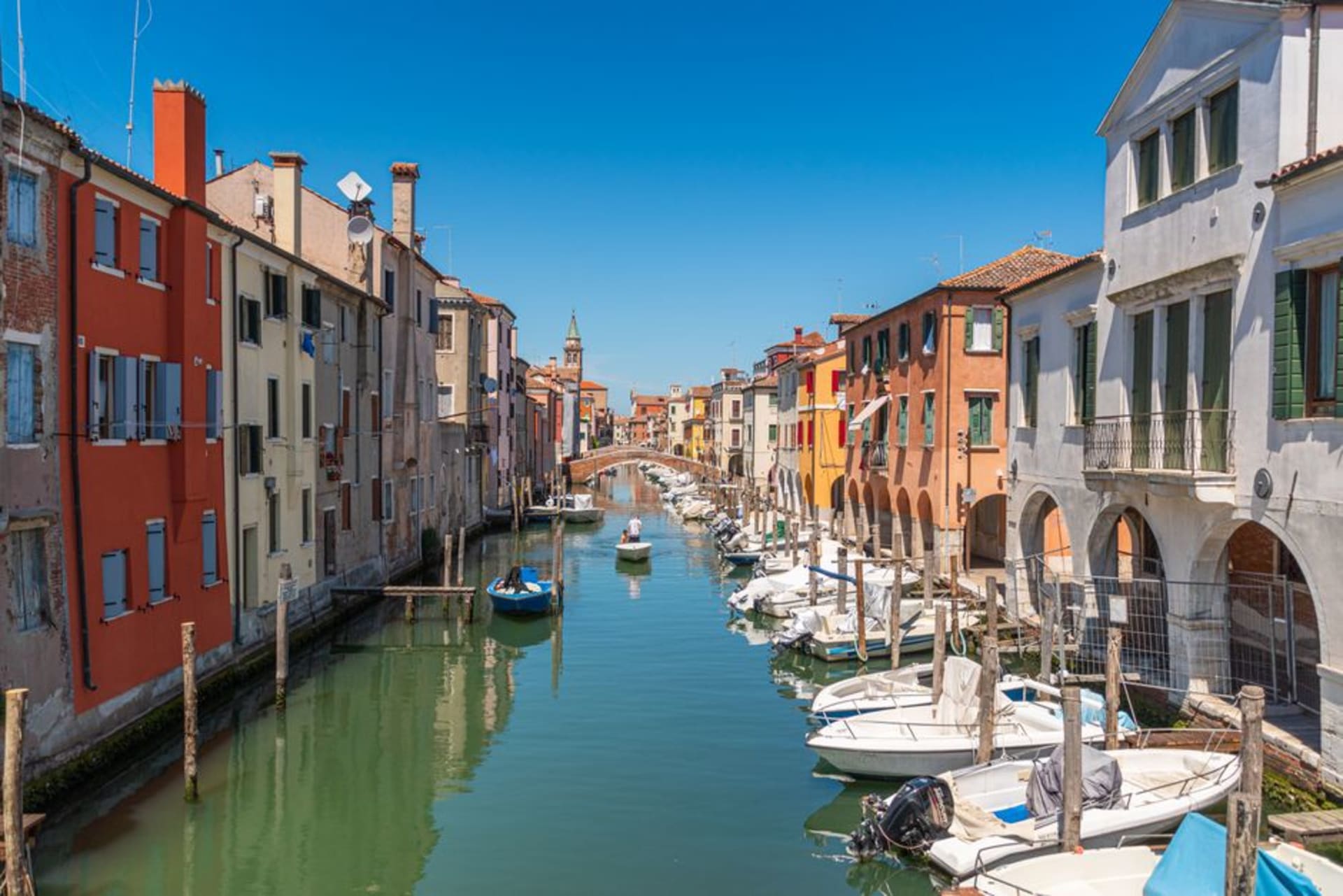
Chioggia sits at the southern mouth of the Venetian lagoon, close enough to Venice that you can see the same silvery light on the water, and different enough that within an hour of arriving I’d completely recalibrated what I expected an Italian lagoon town to feel like. Where Venice has been polished into a stage set, Chioggia is still, unmistakably, a working fishing port. The central canal, the Corso del Popolo, runs straight through town flanked by the smaller Vena canal, and that’s where you find the boats — not gondolas rigged for tourists but real fishing vessels, peeling paint, nets stacked on deck, returning each morning with the catch that supplies half the seafood restaurants in the region.
The city’s layout is often described as a fishbone — a long main street with narrow parallel calli branching off it toward the water on either side, a plan that dates back to its medieval rebuilding and gives Chioggia a rhythm that’s easy to navigate even when you’re lost. Locals here speak their own dialect, distinct even from Venetian, and the city has its own long, occasionally prickly rivalry with Venice — the two fought a bitter war in the fourteenth century, the War of Chioggia, when Genoese forces briefly occupied the town before the Venetians won it back. That history of independence seems to have stuck; Chioggia has never quite let itself be absorbed into Venice’s shadow, even sharing the same lagoon and roughly the same skyline of campanili and terracotta rooftops.
The Fish Market
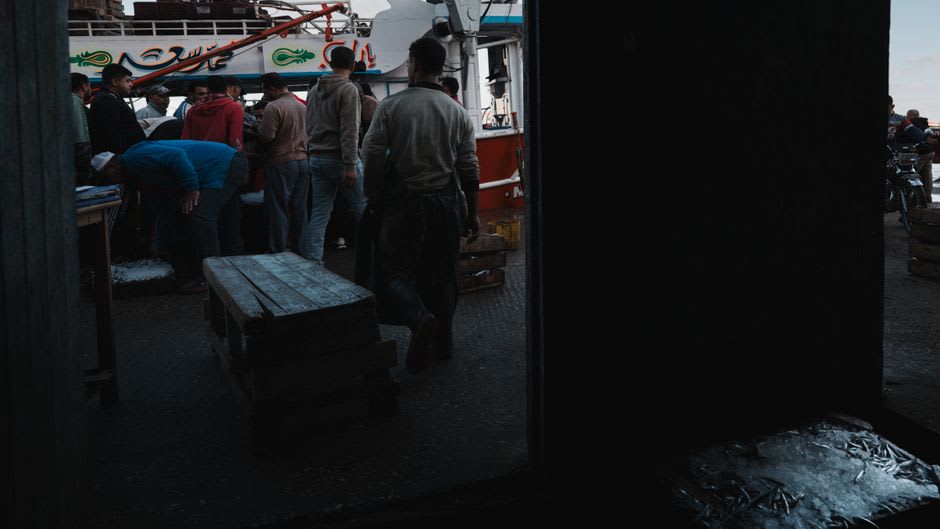
If you want to understand Chioggia, go to the Pescheria early in the morning. Fishermen unload crates straight from their boats along the Vena canal, and the covered market fills with the specific, briny chaos of a place that still runs on the tide rather than a tourist timetable — sardines, scampi, moeche (the soft-shell crabs the whole lagoon prizes in spring), spider crabs, sole. I bought a paper cone of fried fish from a stall nearby and ate it standing on the canal edge, which is about as honest a lunch as you’ll find anywhere in the Veneto.
Sottomarina and the Radicchio Fields
Chioggia is also, confusingly, a namesake for a different variety of radicchio than the one from Treviso — Radicchio di Chioggia, the round, tightly-packed, cabbage-shaped red head that’s probably what most people outside Italy picture when they hear the word. It’s grown in the flat, fertile fields just inland from the lagoon, and the milder round variety shows up grilled or raw in salads all over town. A short walk or bus ride from the historic center gets you to Sottomarina, Chioggia’s beach district, a wide stretch of Adriatic sand that locals from Padua and Verona treat as their default summer coastline — unpretentious, a little brash with its beach clubs and gelato stands, and a useful reminder that this whole stretch of the lagoon has a life that has nothing to do with Venice’s tourist calendar.

When to go: Late spring for moeche season and the round radicchio harvest, or high summer if you want to combine the town with a beach day at Sottomarina.