
Campobasso
"The Italians have a running joke that Molise doesn't exist. I went to prove it does."
Molise's quiet capital, a city so overlooked even other Italians joke it doesn't exist — which is exactly why I went.
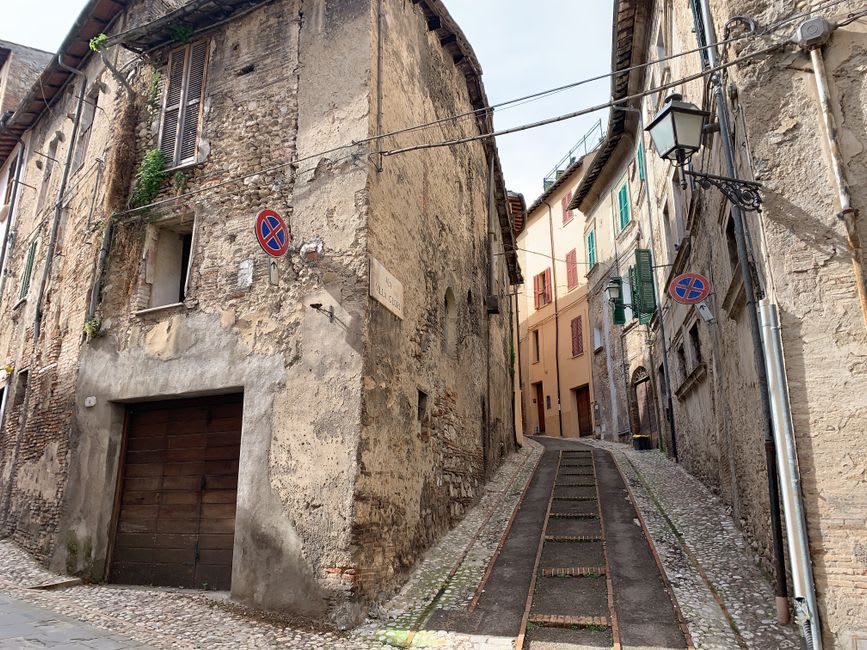
There’s a strange, semi-affectionate joke that circulates in Italy: “Il Molise non esiste” — Molise doesn’t exist. It’s the country’s youngest and least visited region, split off from Abruzzo only in 1963, and Campobasso, its capital, gets left off itineraries so consistently that arriving there felt like a small act of rebellion. What I found was a modest, unhurried provincial capital split cleanly in two: a medieval hill town of narrow lanes climbing toward a Norman castle, and a lower, nineteenth-century grid of wide streets and elegant, slightly faded buildings built after the town expanded down the slope.
Up to the Castle
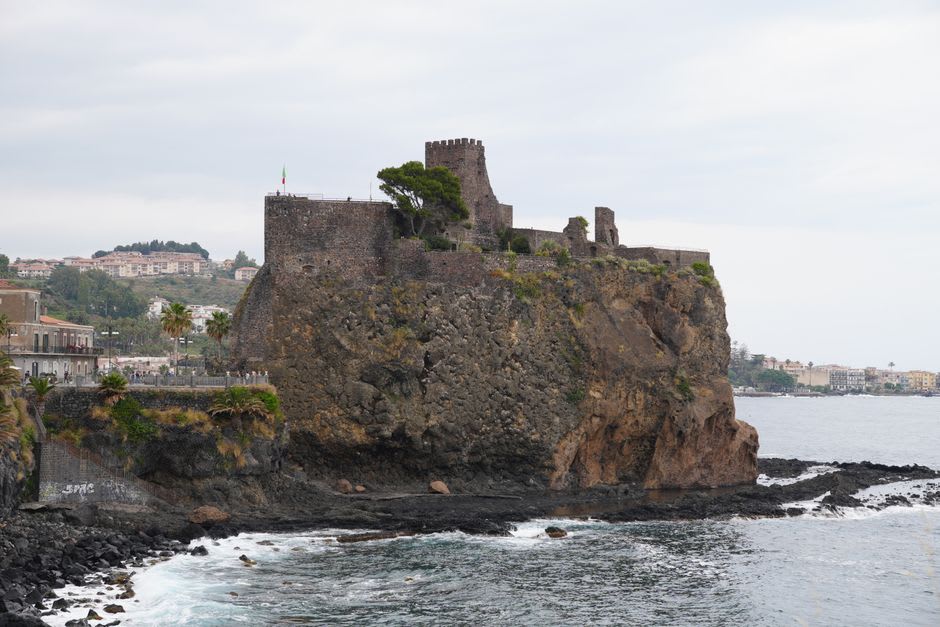
The Castello Monforte sits at the top of Campobasso’s old town, a squarish fortress with roots in the Lombard and Norman periods, later rebuilt by the Monforte family in the fifteenth century. It’s not the most famous castle in Italy, and that’s precisely its appeal — I had the ramparts nearly to myself on a weekday afternoon, with a view over the terracotta roofs of the centro storico to the greener hills beyond. Getting there means climbing through the old town’s steep, quiet vicoli, past Romanesque churches like San Bartolomeo and San Giorgio, both built from the pale local stone that gives this part of Molise its particular, understated color palette. There’s no crowd management here because there’s no crowd — just the sound of your own footsteps on stone and the occasional scooter.
Knives, Bells, and the Sannite Roots
Campobasso has two crafts it’s genuinely known for among Italians who pay attention: coltellinai, the town’s traditional knife-makers, whose workshops have produced hand-forged blades for generations, and the Marinelli bell foundry in nearby Agnone, one of the oldest bell foundries in the world, in continuous operation since at least the eleventh century and recognized by the Vatican as a pontifical foundry. The wider province of Molise carries deep Samnite history too — the ancient Italic people who fought Rome to a standstill more than once before eventual absorption, and archaeological sites scattered through the region still turn up traces of that pre-Roman world.
Molise’s food culture runs through Campobasso in the form of simple, honest dishes: cavatelli pasta with a rustic tomato and pork sauce, caciocavallo cheese hung to age in strings from wooden beams, and torcinelli, offal wrapped and grilled, the kind of dish that tells you a lot about a place that never had much and made the most of everything. I ate at a family-run trattoria where the owner seemed genuinely surprised — pleased, but surprised — that a foreigner had found his way there at all.
When to go: Late spring through early autumn for mild weather and open hill-town streets; if you can time it, the Sagra dei Misteri in June brings elaborate processions of costumed figures balanced on iron structures through the streets, a tradition unique to Campobasso and centuries old.