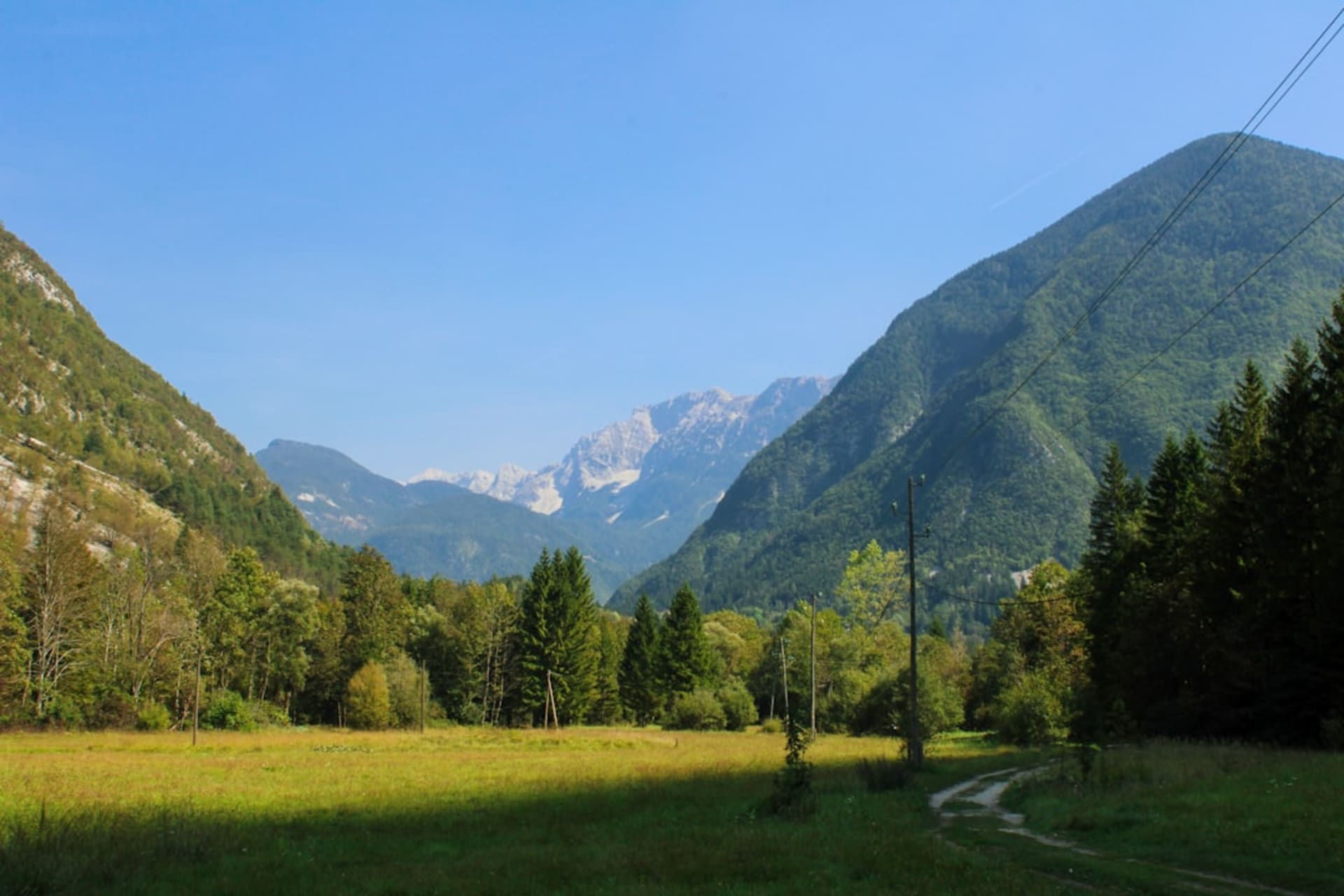
Aosta
"I have stood inside a lot of Roman ruins by now, but none of them had the Alps parked directly behind them like Aosta does."
A Roman garrison town wedged between the highest peaks in Western Europe, where you can stand in a first-century arena and look up to see Mont Blanc's glaciers glinting over the rooftops.
Aosta calls itself, without much modesty, the “Rome of the Alps,” and having grown up two hours from actual Roman ruins on the French side of the border, I arrived ready to be unimpressed. I was wrong within about fifteen minutes. Founded in 25 BC as Augusta Praetoria Salassorum — a garrison town planted by Emperor Augustus to control the mountain passes after his legions finally subdued the local Salassi tribe — Aosta preserves more of its original Roman street plan and monuments than almost anywhere else in northern Italy, and it does so at the bottom of a valley ringed by four-thousand-meter peaks, which is not a combination you get in Rome itself.
Walking Through Two Empires at Once
The town’s Roman bones are still the skeleton of the modern center: the grid of streets inside the old walls follows the original Roman castrum layout almost exactly, and you can walk from the imposing Porta Praetoria, the eastern gate still standing with its double arches, straight down what was once the Decumanus Maximus toward the ruins of the Roman theater, whose facade wall rises over twenty meters and still hosts open-air performances in summer. Just outside the old walls stands the single-arched Arco di Augusto, built to commemorate Augustus’s victory over the Salassi, positioned so that on a clear afternoon you get Roman stonework, a rushing stream beneath it, and the glaciated wall of the Grand Combin or Mont Blanc massif filling the sky behind — a juxtaposition of empires, Roman and geological, that no amount of expectation quite prepares you for. Because Aosta was continuously inhabited rather than abandoned and excavated centuries later, medieval and Renaissance buildings are simply layered directly onto the Roman fabric: I found a Roman cryptoporticus running underneath the later cathedral’s foundations, and a bell tower built straight into a stretch of the original Roman wall, as if nobody here ever saw much reason to tear anything down.

A Valley of Its Own Language and Its Own Table
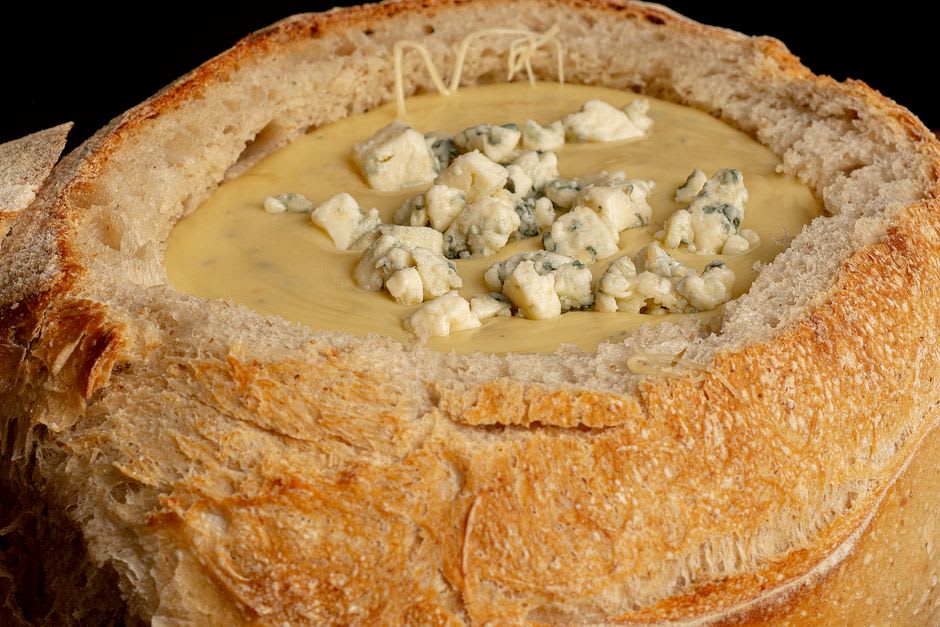
Valle d’Aosta is Italy’s smallest and least populous region, and its only officially bilingual one — French and Italian share equal status on street signs and in schools, a legacy of the region’s long historical ties to the House of Savoy and to French-speaking Alpine culture, and locals in the older cafés still slip into a Franco-Provençal dialect, patois valdôtain, that predates the modern border entirely. As someone who grew up speaking French, hearing it woven casually into an Italian mountain town felt less like a novelty and more like tracing an old family road that never quite got erased by the frontier. The food follows the same cross-border logic: I sat down to fonduta valdostana, a rich fondue made with the region’s own Fontina cheese, and later a bowl of soupe à la valpellinentze — layers of bread, cabbage, and Fontina baked until it resembles a savory bread pudding more than a soup — that tasted exactly like what a mountain valley eats when the snow has locked it in for six months.
When to go: Come in September for clear skies, the mountains fully visible above the ruins, and none of the ski-season crowds that fill the valley in winter on their way up to Courmayeur.