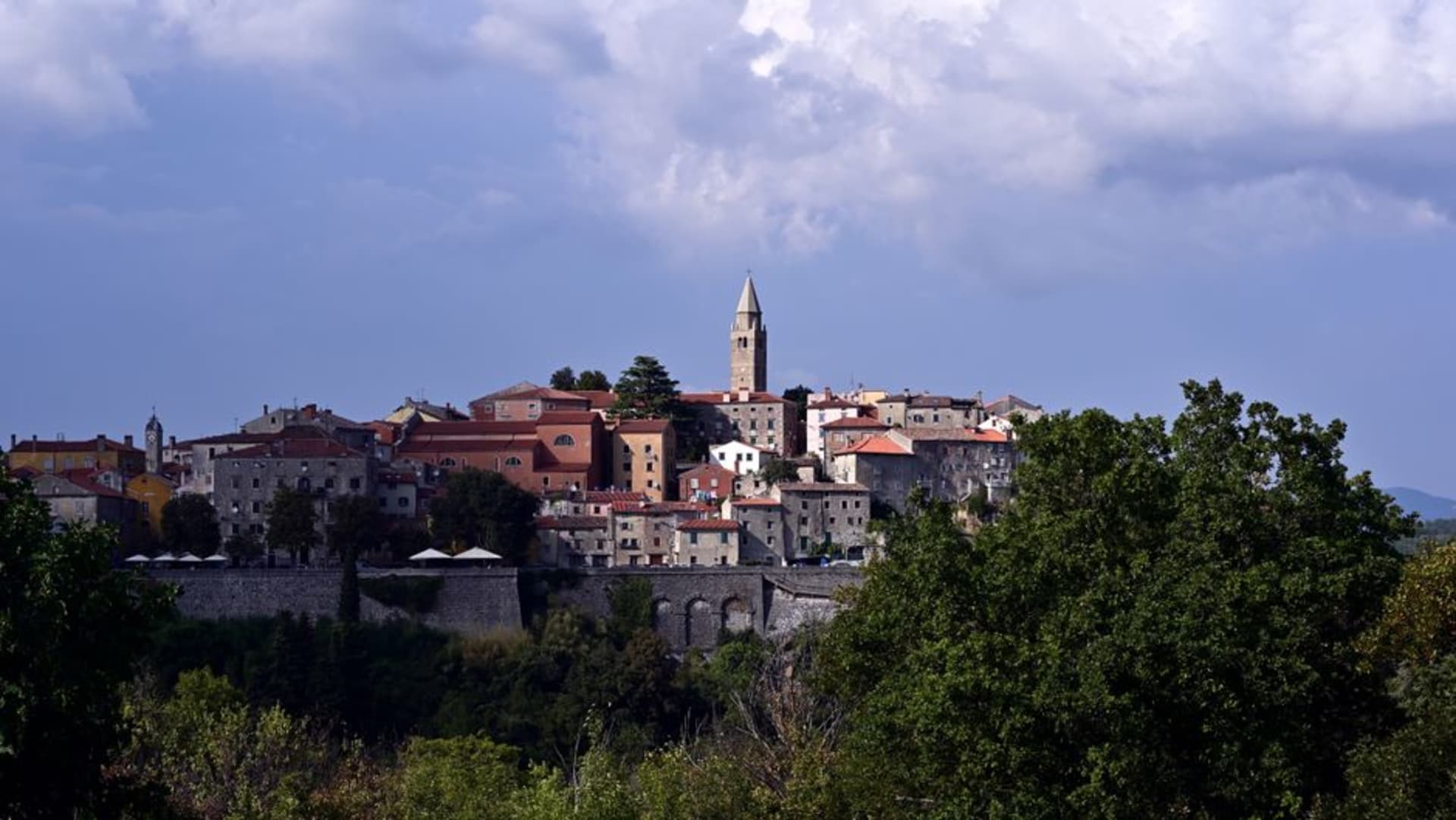
Bale (Valle d'Istria)
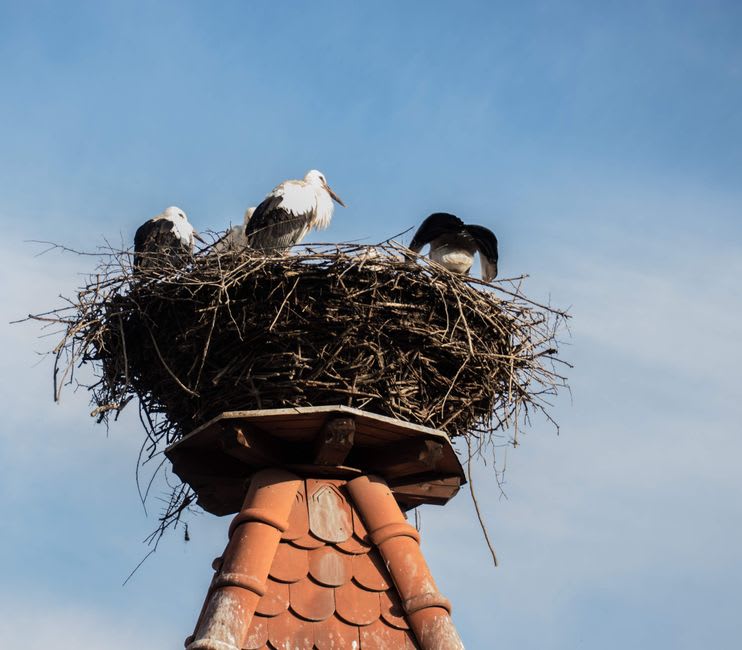
"We came for the castle and stayed for the storks clattering on the rooftops above us."
A hilltop village of stone lanes and olive groves where storks nest on the chimneys and a Venetian castle still shelters its founding family.
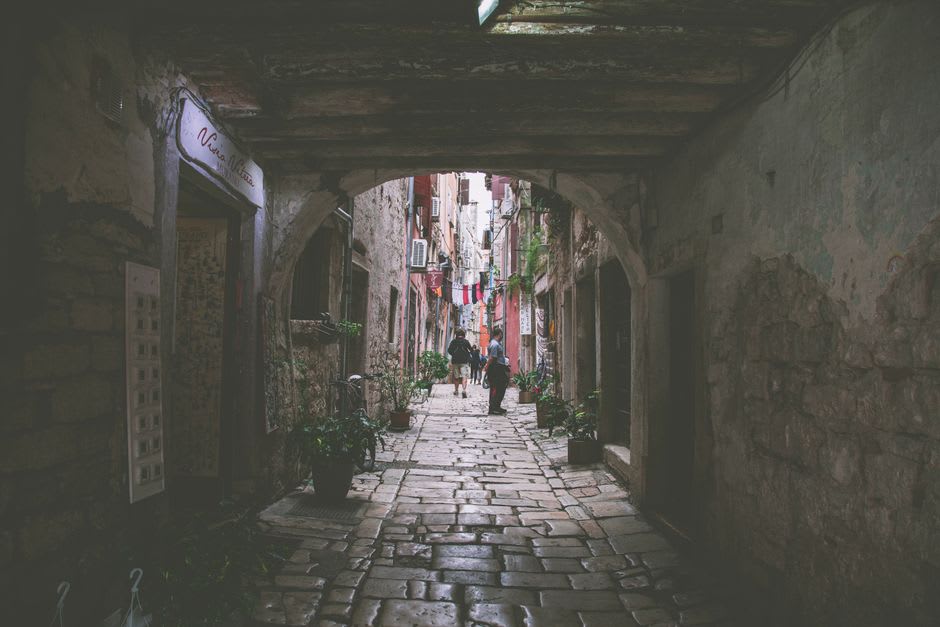
We nearly skipped Bale. Lia had circled Rovinj and Vodnjan on the map and Bale was just the dot in between, the kind of place you drive through without stopping. But the road narrowed into stone, the car slowed almost on its own, and within a few minutes we’d parked at the edge of the old town and forgotten we had anywhere else to be that day. Bale sits inland on a low hill in southwestern Istria, small enough to walk end to end in twenty minutes, but every one of those minutes kept surprising us.
The Soardo-Bembo Castle is what pulls you in first. It’s a fortified Venetian-era residence from the 15th century, and what struck me wasn’t just the weathered stone facade but the fact that it’s still lived in by descendants of the same family who built it. I remember standing under its walls trying to explain to Lia how strange that felt to me, coming from a country where old buildings are usually museums, not homes. We climbed on toward the highest point of the village, where the Church of St. Julian stands watch over the rooftops, and sat for a while on the church steps just listening to the quiet.
That quiet, though, has its own soundtrack. Bale is known locally as a stork-nesting site, and we spotted at least three nests balanced on chimneys and rooftops within the old core, big untidy platforms of sticks with the birds standing motionless above the town like sentries. Lia took an embarrassing number of photos. We ate lunch at a small konoba nearby, olive oil poured generously over everything, and I understood why: the hills around Bale are wrapped in centuries-old olive groves that still anchor the local economy, and you can taste it in every dish.
Before we left, we walked out past the last houses into the groves themselves, gnarled trunks in neat rows catching the late afternoon light. It’s a village that asks nothing of you except to slow down, which after the coastal bustle of Rovinj felt like exactly the right medicine.
When to go: We’d point you toward spring or early autumn, when the temperatures make wandering the stone streets and olive groves genuinely pleasant rather than a sweaty errand.