Europe
Istria
"Istria tastes like Italy and feels like a secret — for now."
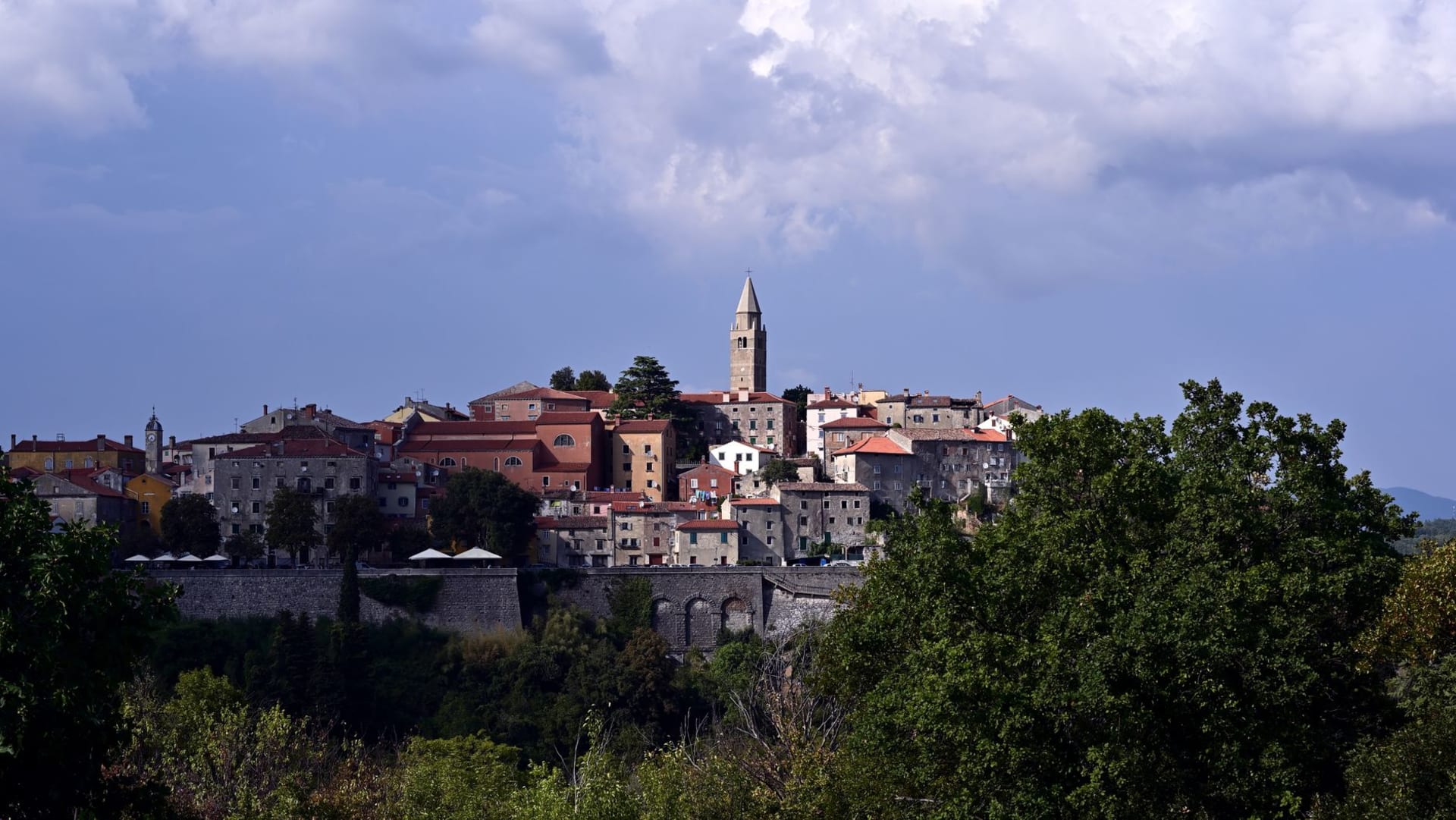
I arrived in Motovun on a Tuesday morning in October, when the truffle hunters were coming down from the forest with mud on their boots and a refusal to say exactly where they’d been. The fog was lifting off the Mirna valley below, the town was almost empty, and a restaurant that seated maybe twelve people was already putting white truffles on eggs at nine in the morning. That first hour in Istria told me everything about what the peninsula is and what it hasn’t yet become.
Istria occupies the wedge of Croatia that juts into the Adriatic above Rijeka, and it carries centuries of Venetian and Italian history in its bones. The architecture of Rovinj — coral-painted houses stacked above a harbor, a campanile that could have been airlifted from Venice — is not a replica. It is the original, or close enough to make the distinction academic. Poreč’s Euphrasian Basilica holds sixth-century Byzantine mosaics that most visitors in a hurry walk past in fifteen minutes; they deserve an hour of stillness. The inland roads between Grožnjan, Oprtalj, and Zavičaj pass through a landscape of limestone ridges and oak forest that the tourist buses never reach — just you, the occasional tractor, and roadside stands selling olive oil in recycled bottles with handwritten labels. The Istrian olive oils are extraordinary. So is the wine: Malvazija Istarska is the white grape the region has been making for centuries, fresh and mineral, never quite the same from one producer to the next. Teran, the red, is something rougher and more honest, the kind of wine that tastes better with grilled lamb than with anything a sommelier might recommend.
The Adriatic coast here is quieter than Dalmatia — less dramatic, arguably more livable. Rovinj gets crowded in July and August but retains a working-fishing-town dignity that Dubrovnik long ago surrendered. The smaller coves between Pula and Rovinj, reachable only on foot or by boat, offer the same transparent water without the soundtrack.
When to go: Late September through mid-November is ideal — truffle season, vendemmia, warm enough for swimming until October, and the peninsula largely returned to itself after summer. Late April and May work well too, with wildflowers on the limestone plateaus and restaurants reopening with genuine enthusiasm after the winter.
What most guides get wrong: They frame Istria as a day trip from Croatia’s coast or a wine-and-truffle weekend. It rewards slower movement than that. The inland villages — Motovun, Grožnjan, Hum (population: around twenty people, the smallest town in the world) — each deserve their own afternoon, not a photo stop on a loop itinerary. And the olive oil deserves as much attention as the truffles; stop at a frantoia during harvest and you’ll understand what fresh-pressed oil actually tastes like.