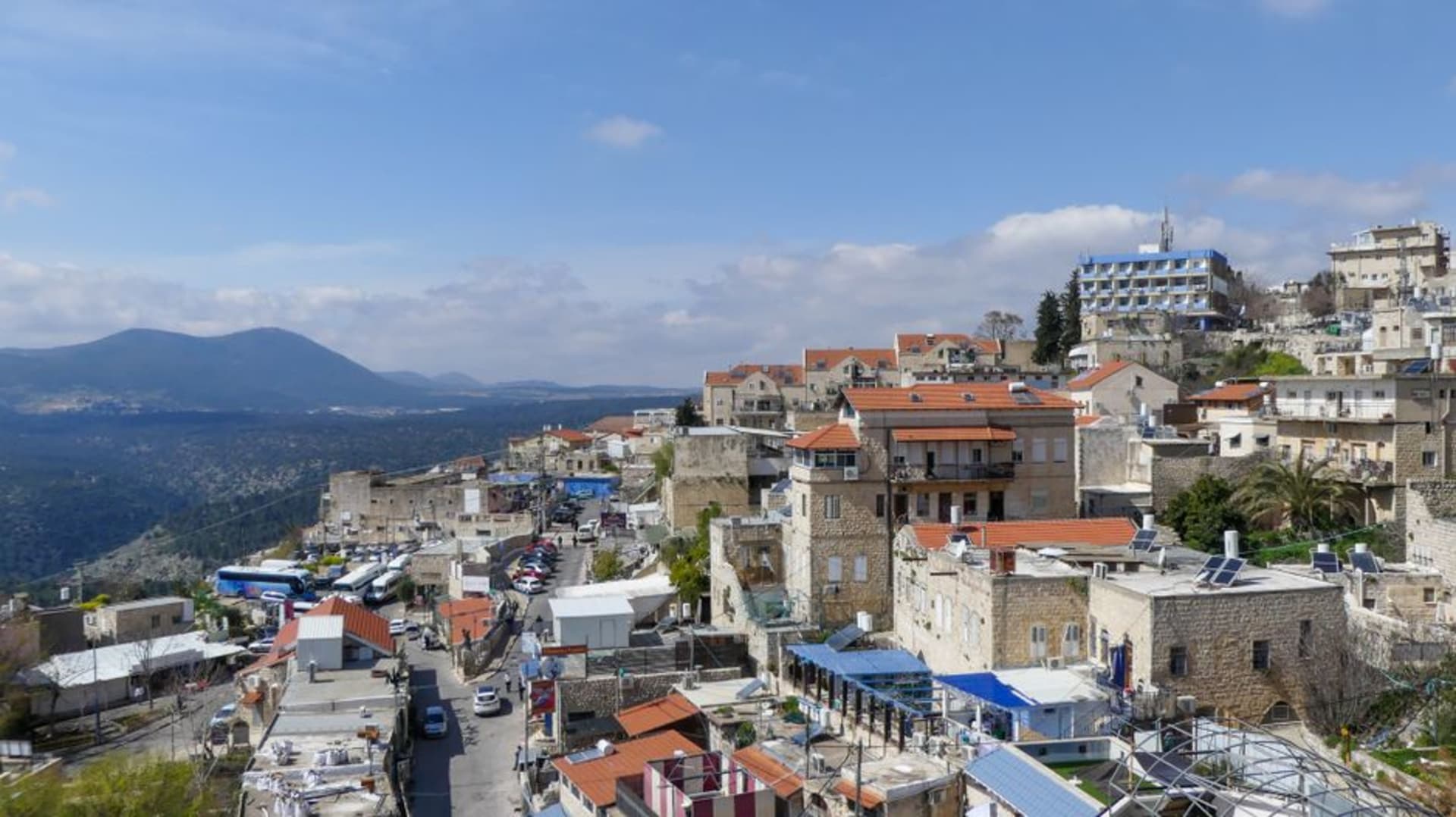
Tzfat
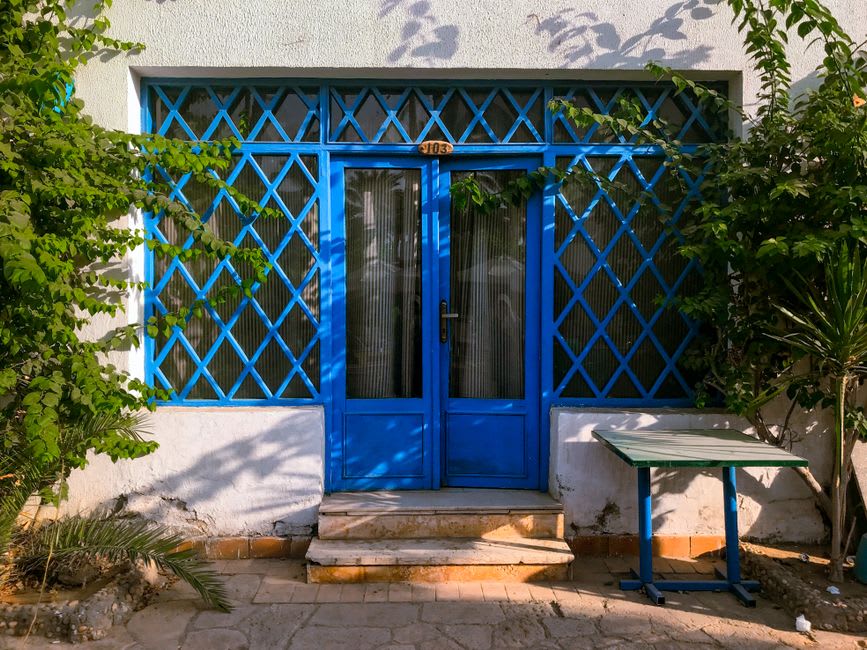
"Every door in the old quarter is painted blue, supposedly to ward off evil. I didn't feel unsafe, but I didn't argue with it either."
A blue-doored mountain town in the Upper Galilee where Kabbalah was born in the sixteenth century and every alley of the old artists' quarter still feels faintly mystical.
I came up to Tzfat from the Sea of Galilee on a whim, mostly because a woman running a guesthouse in Tiberias told me, with real conviction, that I hadn’t seen the real Galilee until I’d gotten lost in Tzfat’s alleys at dusk. She was right in a way I didn’t expect. This is a town built into a mountainside at nearly a thousand meters, cool even in summer, and it carries an atmosphere unlike anywhere else I found in Israel — part artist colony, part deeply religious center, the two coexisting in a way that somehow doesn’t feel contradictory.
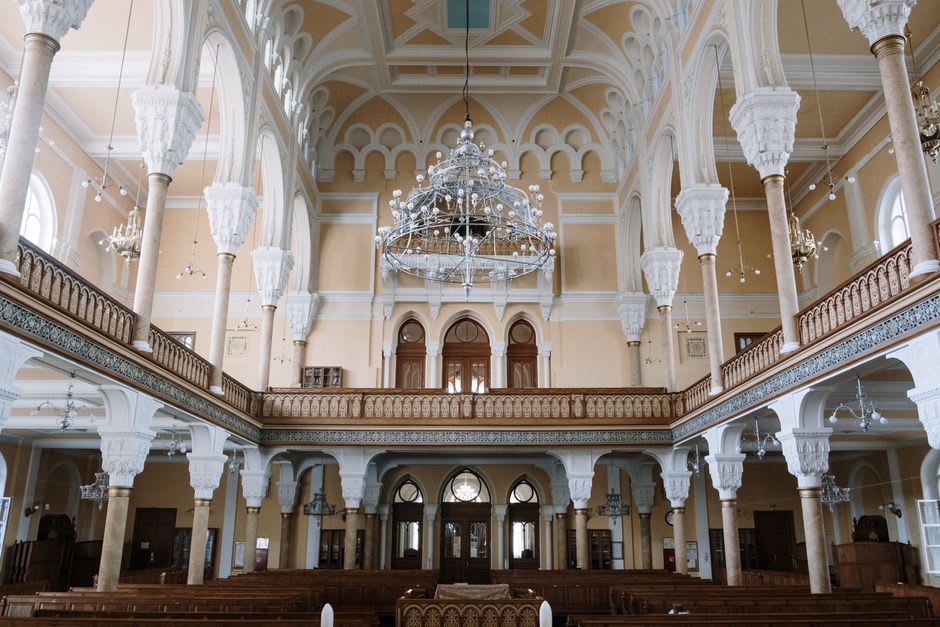
Tzfat became one of Judaism’s four holy cities in the sixteenth century, when it turned into the center of Kabbalistic study after the expulsion of Jews from Spain sent scholars and mystics scattering across the Mediterranean. The old synagogues in the Jewish Quarter — the Ari Ashkenazi, the Abuhav — are still active, low-ceilinged and dim, filled with a hush that has nothing to do with tourism rules and everything to do with genuine reverence. I stood in the Ari Synagogue for a long while, watching men praying quietly near the ark, and felt like an intruder in the best possible sense — welcomed, but aware I was witnessing something that existed long before me and would continue long after.
The artists’ quarter, just up the hill, is the other half of the town’s personality entirely — galleries in converted Ottoman-era buildings, painters working with their doors open, Judaica shops selling hand-blown glass menorahs and mezuzahs next to abstract canvases that have nothing overtly religious about them at all. I bought a small painting of the town’s rooftops from an artist who’d lived there thirty years and told me, unprompted, that the light in Tzfat changes character four times a day and that he’d been trying to paint the fourth one — the deep blue right before dark — for a decade without getting it right.
I ate dinner at a tiny place with four tables where the owner insisted I try the kubbeh soup, a Kurdish Jewish dish of semolina dumplings in beet broth that I’d never heard of and now think about regularly. Below the town, the Galilee hills rolled off into a haze that turned properly purple as the sun went down, and I understood exactly what the guesthouse owner had meant.
When to go: Friday afternoon into Shabbat is genuinely special here — shops close early, the town quiets, and the religious character of the place becomes fully visible. Spring and autumn keep the mountain evenings comfortable rather than cold.