Timna Park
"People have been pulling copper out of this exact ground for six thousand years. The mines are older than most of the religions built afterward."
A desert valley near Eilat holding the world's oldest copper mines and sandstone formations sculpted into arches and towering pillars, still carrying the name of the biblical King Solomon though he likely never mined here.
I drove up from Eilat expecting an hour or two at a roadside geological curiosity and ended up spending most of a day wandering Timna Park, genuinely surprised by how much ground — literal and historical — the place covers. It sits in a broad desert valley ringed by dramatic red and orange sandstone cliffs, and it holds a combination that I hadn’t seen paired anywhere else: some of the oldest copper mines on the planet alongside rock formations sculpted by wind and water into shapes that look almost deliberately designed.
Solomon’s Pillars are the park’s signature sight, tall sandstone columns naturally carved by erosion, named — somewhat romantically and not entirely accurately, since the mines here predate King Solomon by millennia — for the legendary king’s supposed mining operations. The actual mining history goes back roughly six thousand years, with Egyptian expeditions running major copper operations here in the New Kingdom period, leaving behind smelting camps, a small temple to the goddess Hathor carved into a cliff face, and shafts you can still peer down into, dark and cool against the surrounding heat. Walking among the ancient mine shafts, marked and fenced but otherwise mostly left as they were found, gave a strange sensation of standing at the literal starting point of the Bronze Age.
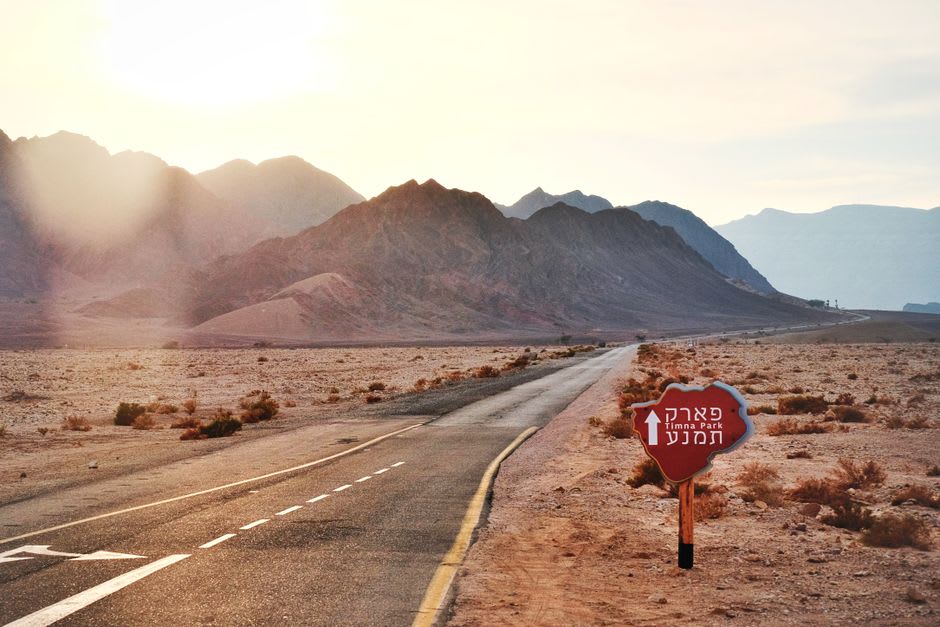
The rock formations themselves are worth the visit even without the history. The Arches, a natural sandstone bridge near the park’s center, catches dramatic shadow at midday, and the Mushroom, a wind-eroded rock genuinely shaped like an oversized fungus, drew the only crowd I saw all day, mostly for photos. I climbed a short trail up toward the pillars in the late afternoon, when the sandstone deepens from orange to a nearly red-purple, and had the whole formation to myself except for a pair of ibex working their way along a ledge above me, entirely unbothered by an audience.
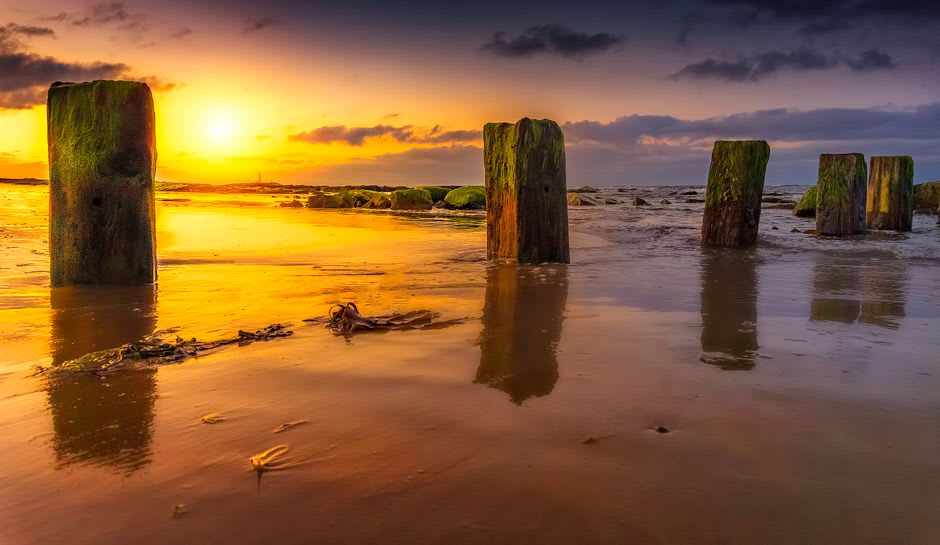
There’s also a small artificial lake near the visitor center, an unexpected patch of blue against all that red rock, where I sat with a falafel from the kiosk and watched the light shift for a solid hour before driving back down to Eilat.
When to go: October through April keeps daytime temperatures survivable — Timna sits in one of the hottest corners of the country and summer visits are genuinely dangerous without careful timing. Late afternoon gives the best light on the rock formations regardless of season.
Keep exploring
More from Israel
 israel
 Tzfat
A blue-doored mountain town in the Upper Galilee where Kabbalah was born in the sixteenth century and every alley of the old artists' quarter still feels faintly mystical.
Explore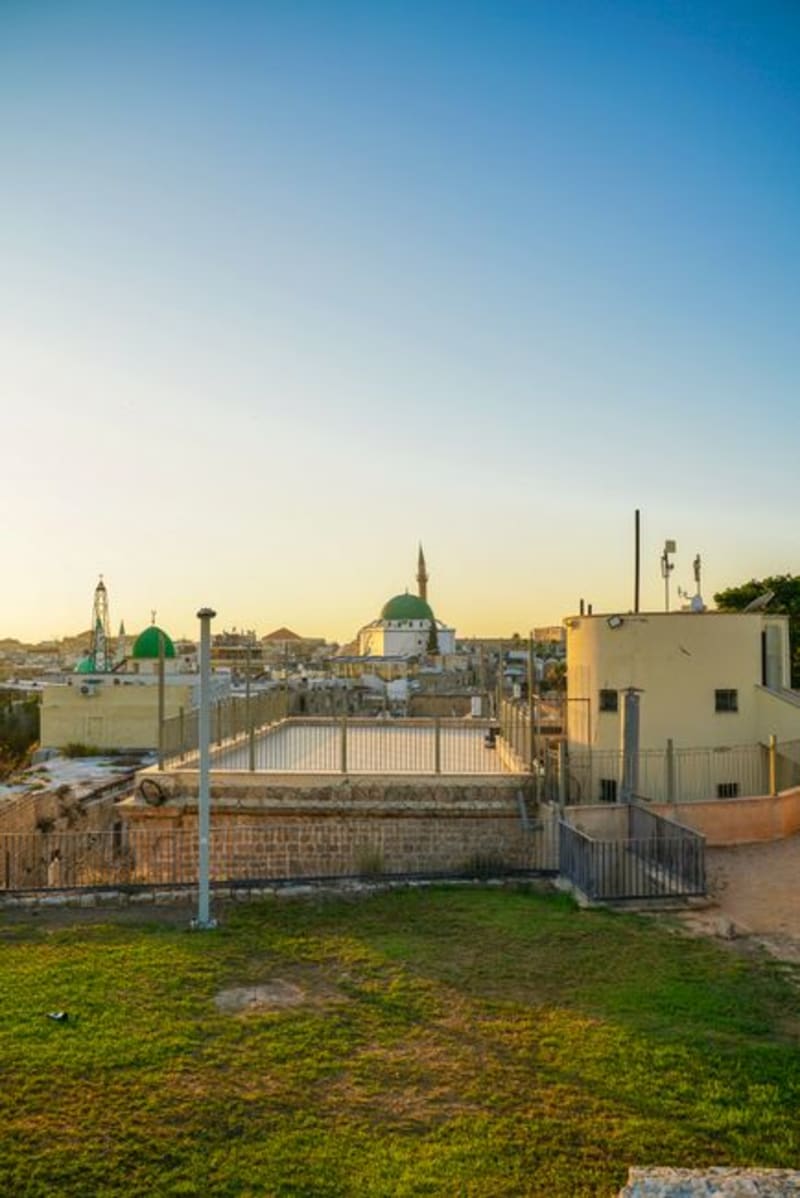 israel
 Akko
A walled Crusader port city where subterranean stone halls sit beneath a living Arab market, and the call to prayer echoes off Ottoman ramparts built on Templar bones.
Explore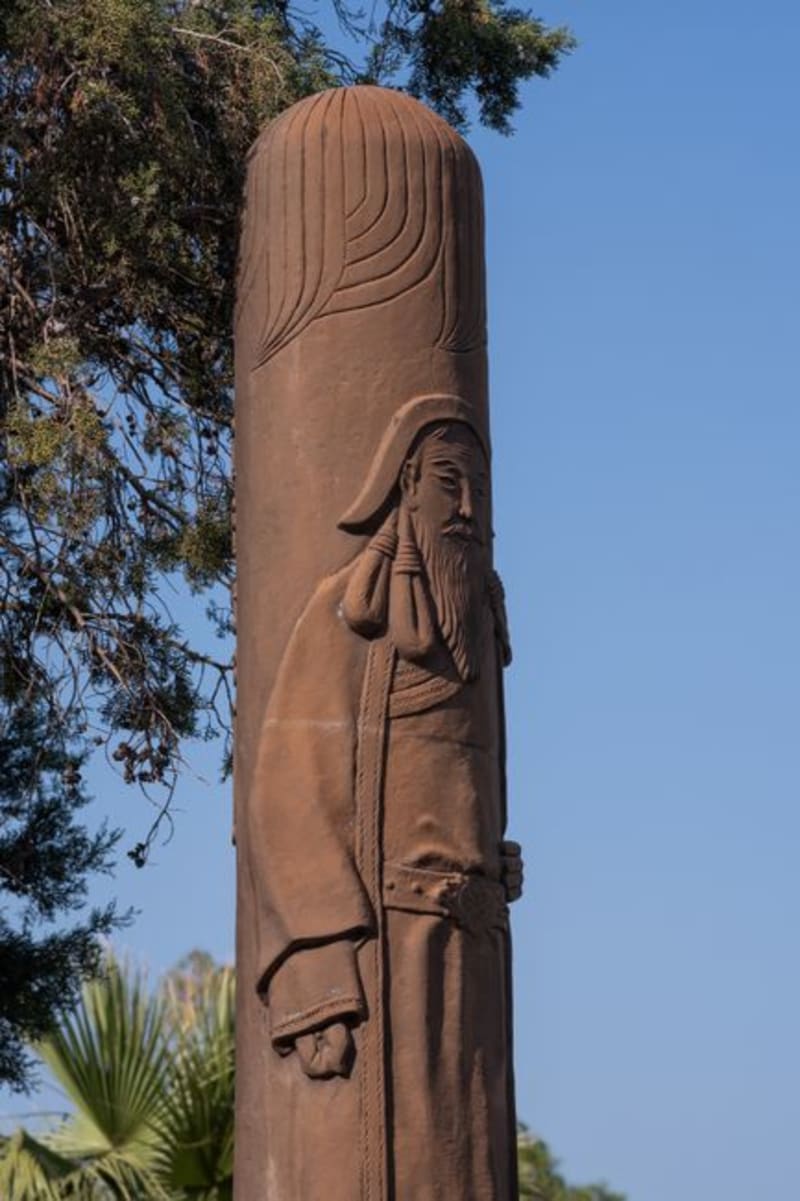 israel
 Ashkelon
A coastal park south of Tel Aviv layering Philistine ramparts, Roman columns, and a Crusader wall over a beach that's been fought over for three thousand years, now mostly used by joggers and picnicking families.
Explore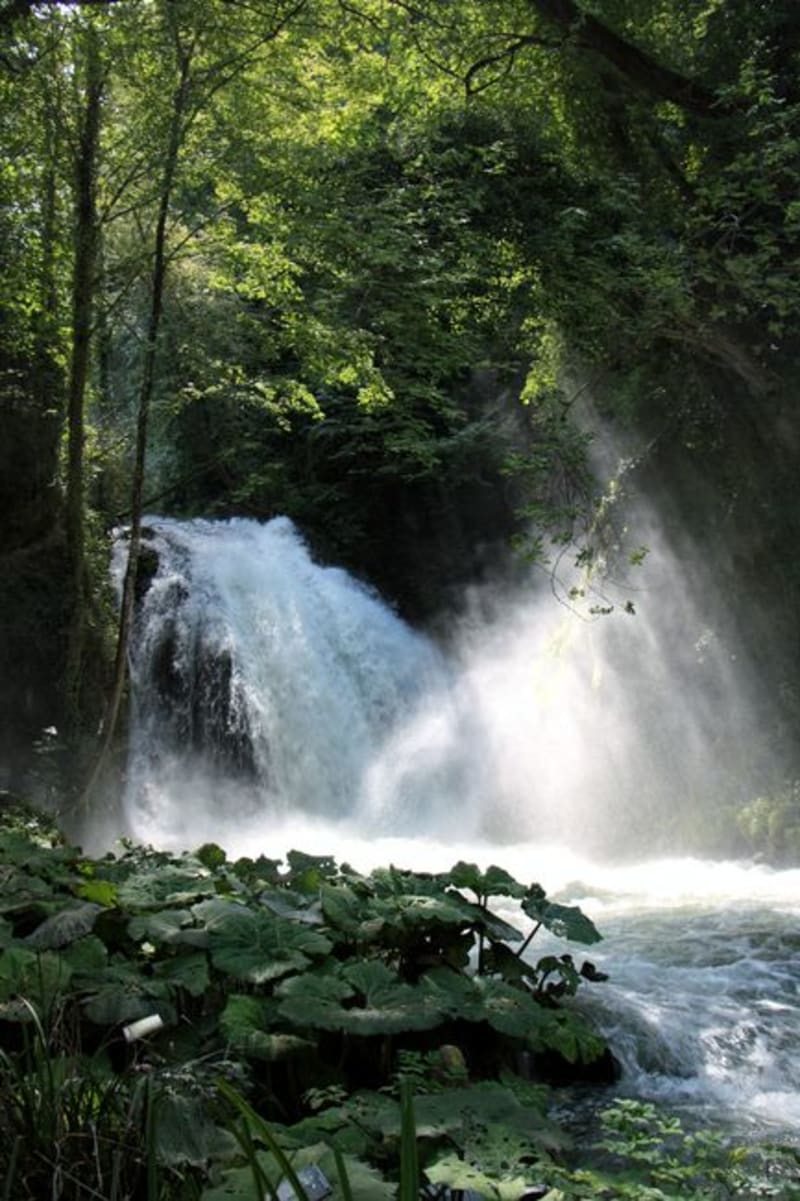 israel
 Banias
A spring-fed nature reserve at the foot of Mount Hermon where the Jordan River's largest source crashes over a waterfall past the ruined niches of an ancient shrine to the god Pan.
Explore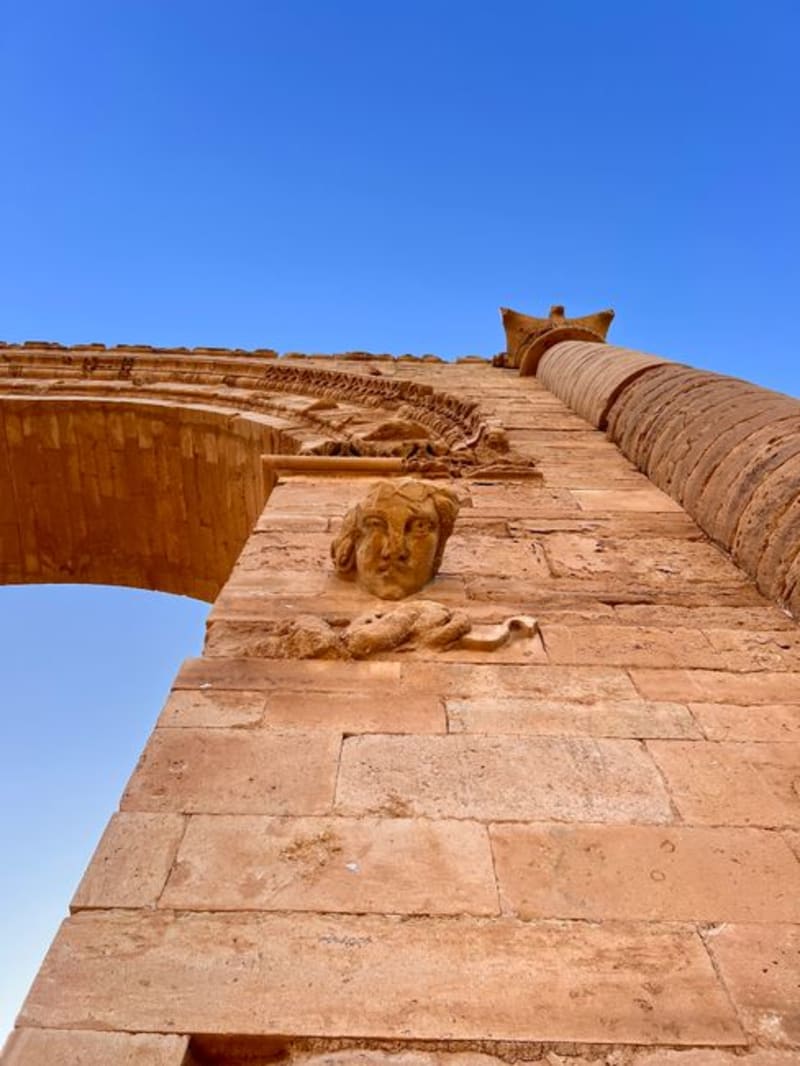 israel
 Beit She'an
The best-preserved Roman city in Israel, its colonnaded main street and 7,000-seat theater buried intact by a single catastrophic earthquake in 749 CE and excavated back into daylight.
Explore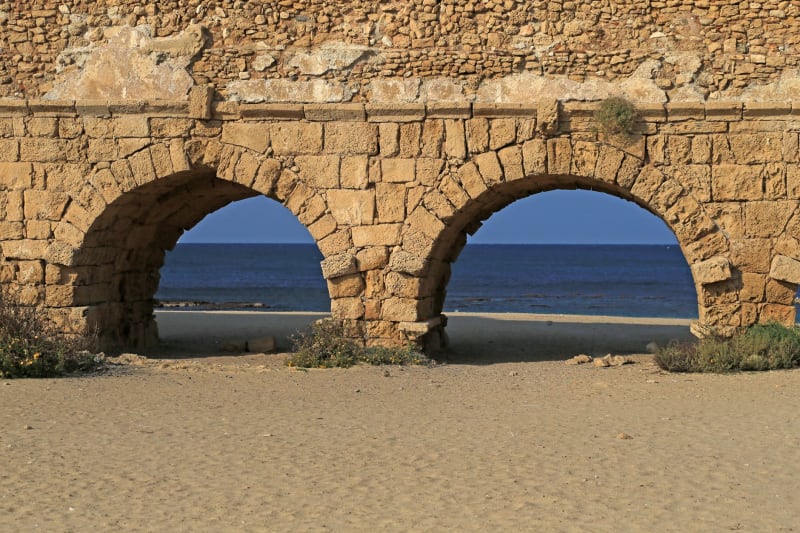 israel
 Caesarea
A Roman port city built by Herod the Great sits half-submerged in the Mediterranean, its amphitheater still hosting concerts where the acoustics are two thousand years old.
Explore