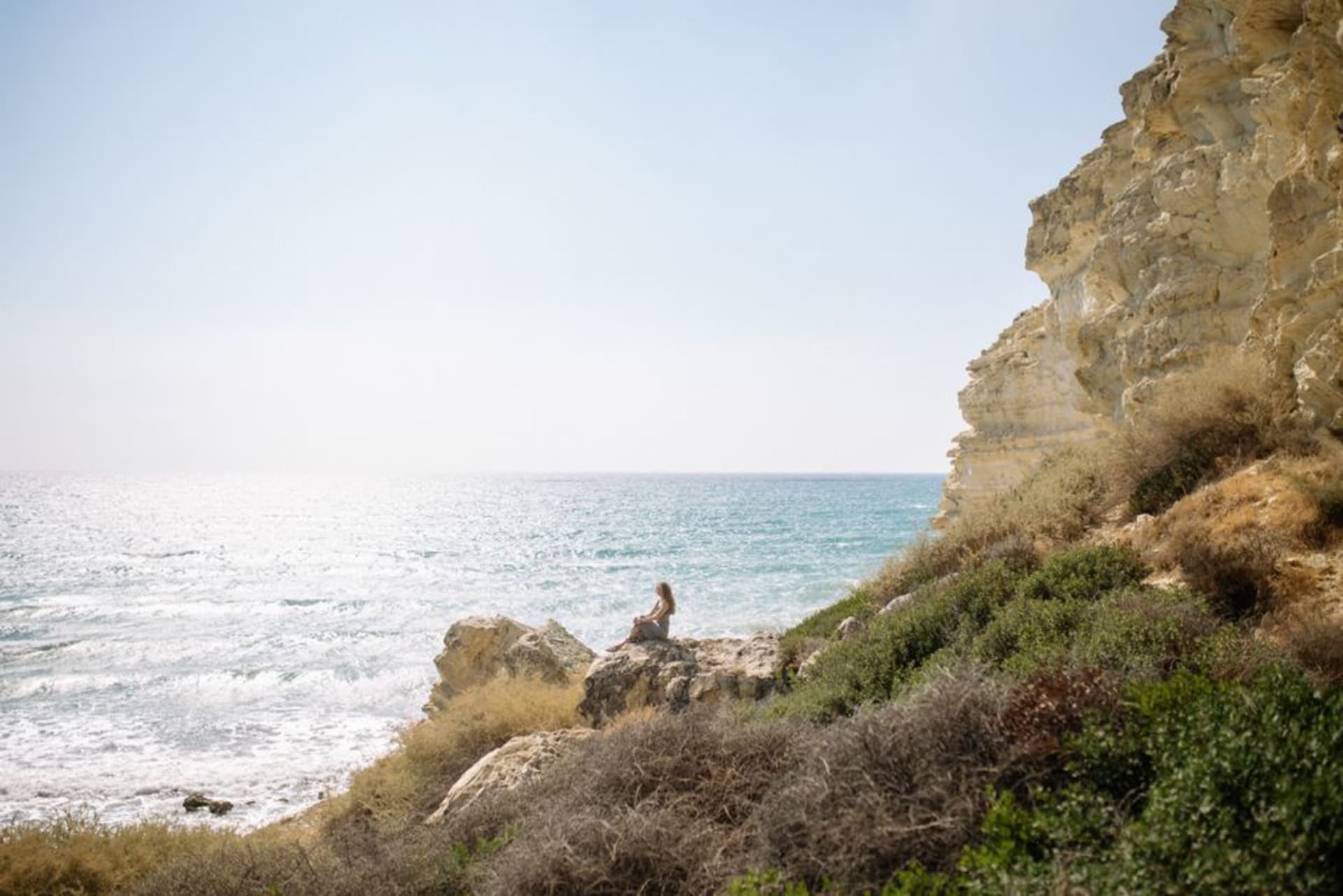
Rosh Hanikra
"The sea has been carving these grottoes for two million years and still isn't finished."
Chalk-white cliffs at Israel's northern border hide sea grottoes carved by two million years of Mediterranean waves, reached by the steepest cable car I've ridden anywhere.
I drove to Rosh Hanikra almost as an afterthought, tacked onto the end of a trip up the coast from Haifa, expecting a scenic viewpoint and not much else. Instead I found one of the strangest, most photogenic corners of the entire country — a place where geology, politics, and a slightly rickety cable car all collide within a few hundred meters of each other.
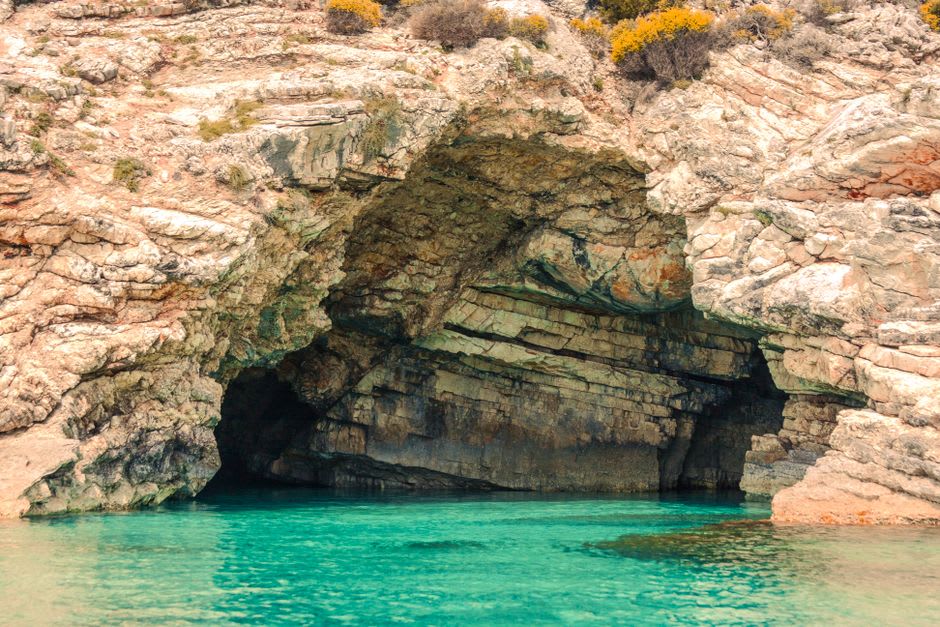
The cliffs themselves are white chalk, the same limestone that runs underground for kilometers along this stretch of coast, and the sea has spent two million years hollowing them into caves and arches at the waterline. The cable car down to the grottoes is short but almost vertiginous — a steep drop over turquoise water that looked, from above, more Aegean than Levantine. At the bottom, wooden walkways wind through the caverns themselves, where the water changes color from teal to something closer to ink depending on the light and the swell, and the sound of waves compressing through narrow rock channels booms in a way that’s oddly percussive, almost musical.
What makes the place stick with you, though, is what sits directly above the grottoes: the border with Lebanon, marked by a fence a short walk from the cable car station, with a defunct rail tunnel nearby that once connected Haifa to Beirut before 1948. Standing there, looking north at hills that are technically another country and a life I couldn’t access, gave the whole visit an edge that the postcard views don’t quite prepare you for. It’s a strange sensation, standing somewhere so beautiful and so charged at the same time.
There’s also a small multimedia presentation inside about the old railway, and a surprisingly good little snack kiosk at the top where I ate hummus and watched a group of Israeli schoolkids on a field trip shriek their way down the cable car, entirely unbothered by the fifteen-story drop beneath them.
When to go: Late spring through early autumn gives the calmest seas and the clearest water inside the grottoes — winter storms can close the caves entirely when swells get too rough, so check ahead if you’re visiting between November and February.
Keep exploring
More from Israel
 israel
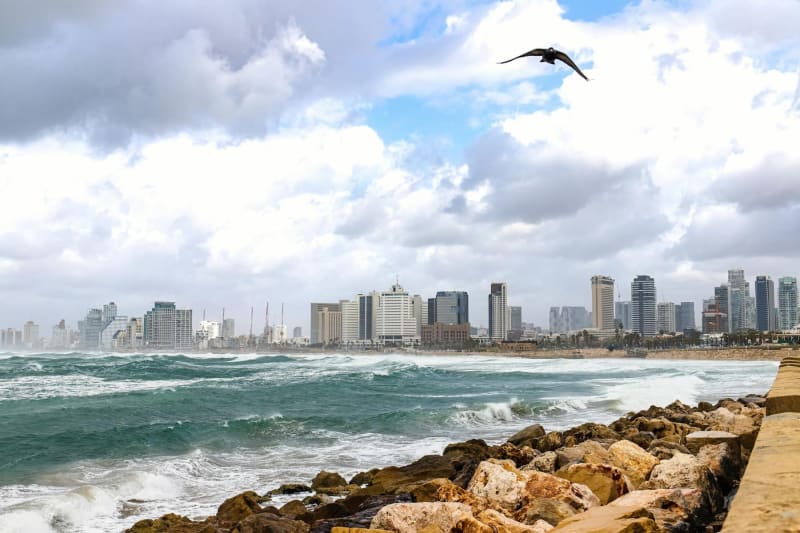
 Tel Aviv Beach
Fourteen kilometres of sandy Mediterranean shoreline, backed by Bauhaus architecture and non-stop energy.
Explore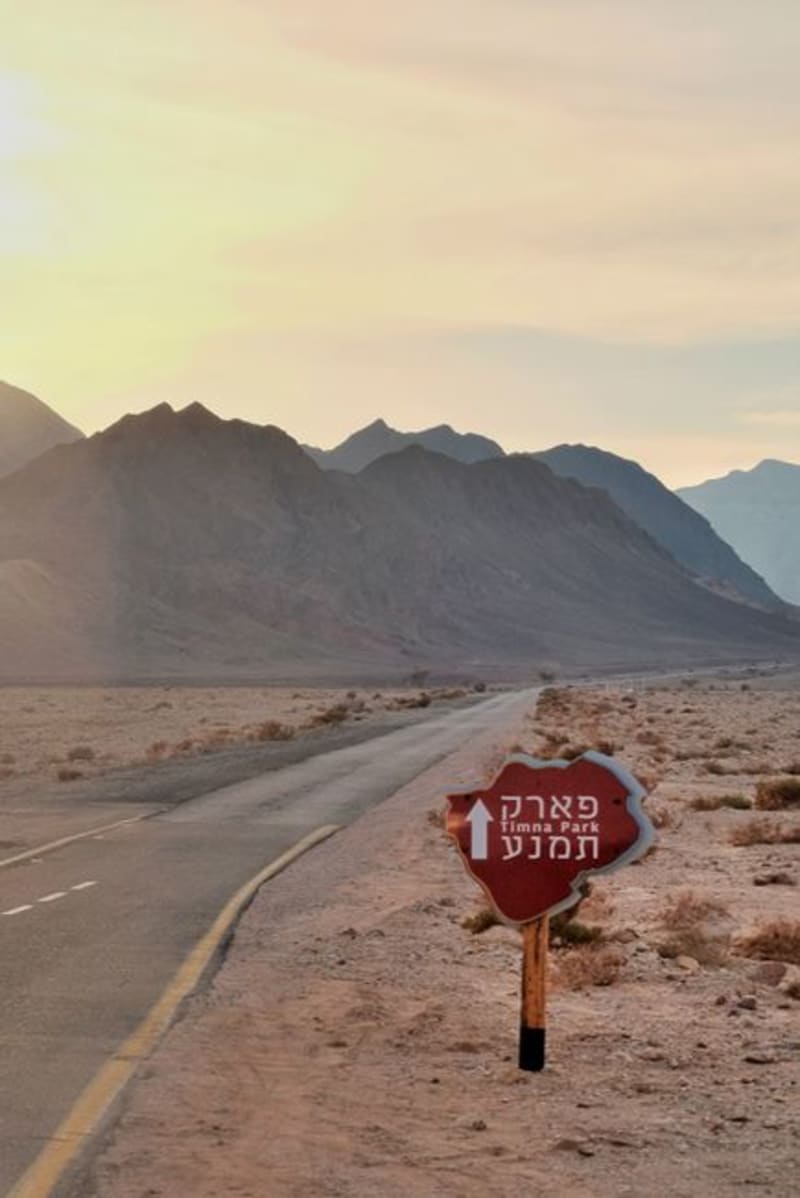 israel
 Timna Park
A desert valley near Eilat holding the world's oldest copper mines and sandstone formations sculpted into arches and towering pillars, still carrying the name of the biblical King Solomon though he likely never mined here.
Explore israel
 Tzfat
A blue-doored mountain town in the Upper Galilee where Kabbalah was born in the sixteenth century and every alley of the old artists' quarter still feels faintly mystical.
Explore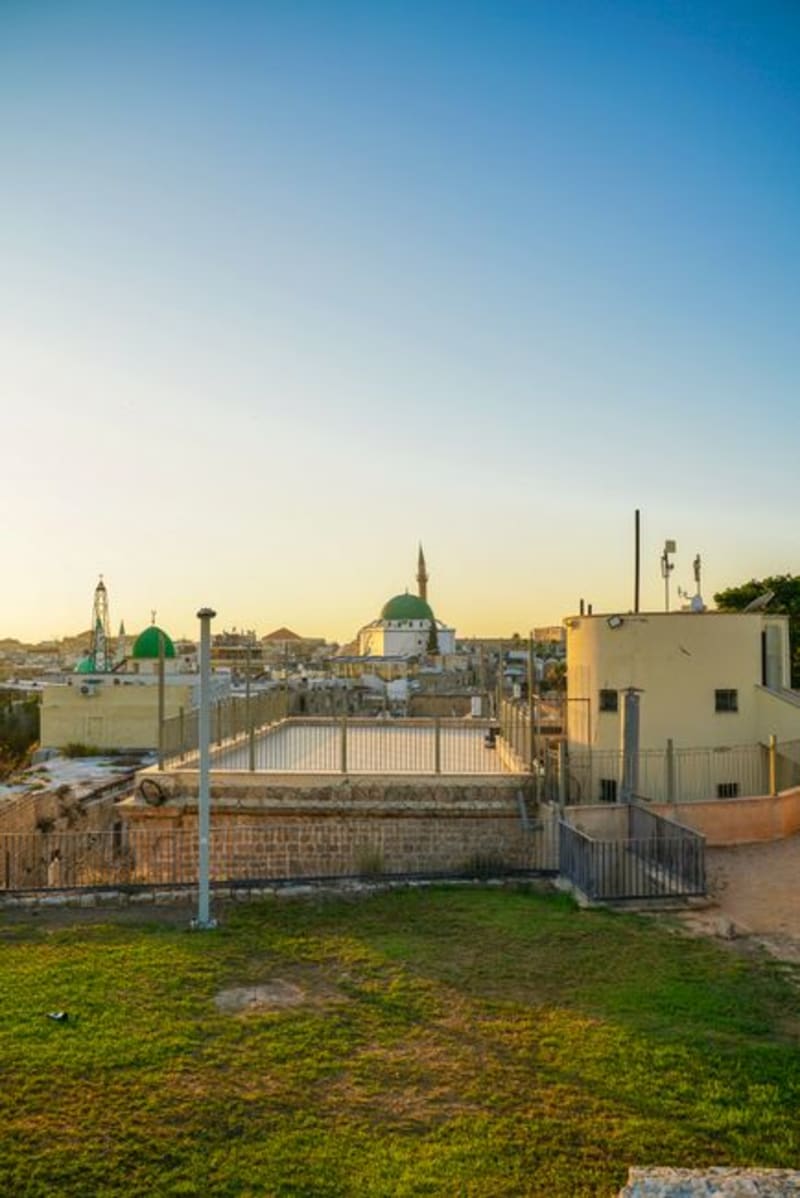 israel
 Akko
A walled Crusader port city where subterranean stone halls sit beneath a living Arab market, and the call to prayer echoes off Ottoman ramparts built on Templar bones.
Explore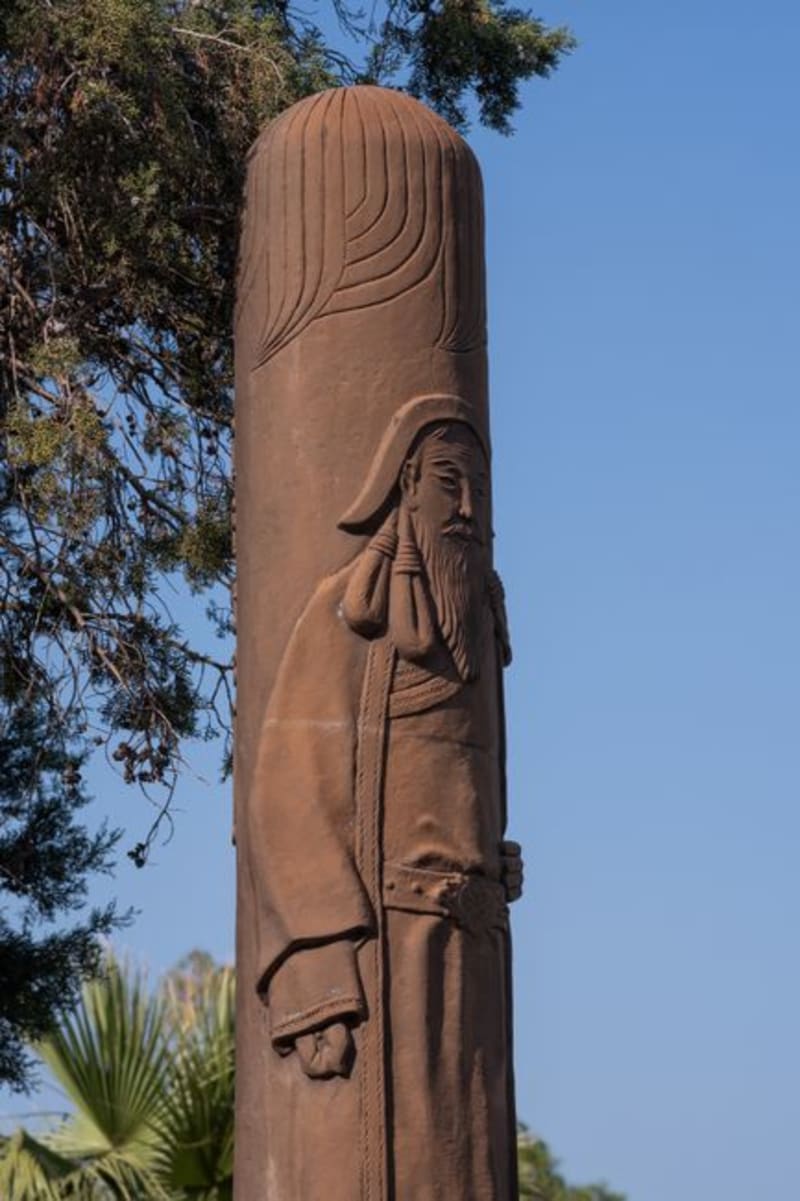 israel
 Ashkelon
A coastal park south of Tel Aviv layering Philistine ramparts, Roman columns, and a Crusader wall over a beach that's been fought over for three thousand years, now mostly used by joggers and picnicking families.
Explore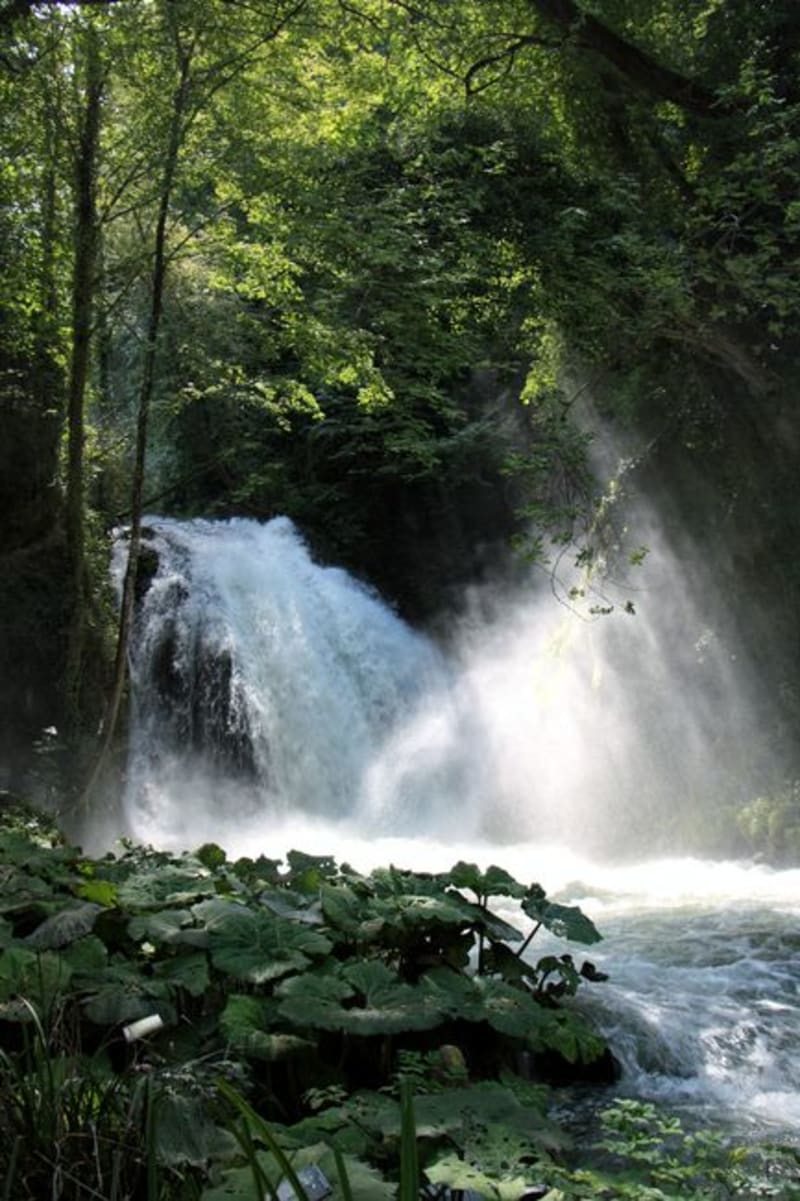 israel
 Banias
A spring-fed nature reserve at the foot of Mount Hermon where the Jordan River's largest source crashes over a waterfall past the ruined niches of an ancient shrine to the god Pan.
Explore