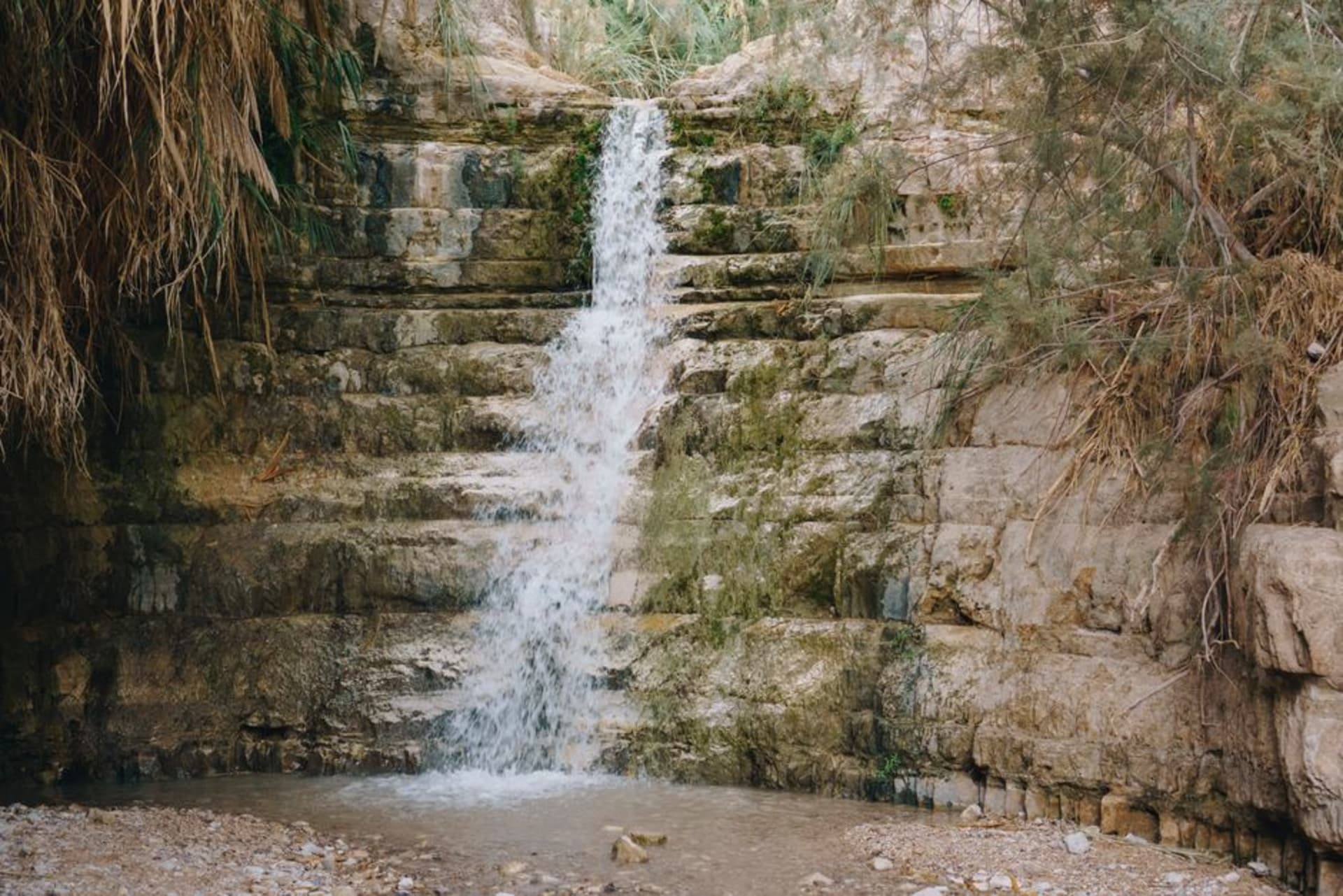
Ein Gedi
"Ten minutes earlier I was in a furnace. Then the canyon opened and there was a waterfall and a family of ibex staring at me like I was the strange one."
A freshwater oasis of waterfalls and ibex trails cut into the desert cliffs above the Dead Sea, where a spring-fed canyon proves the Judean Desert isn't as dead as it looks.
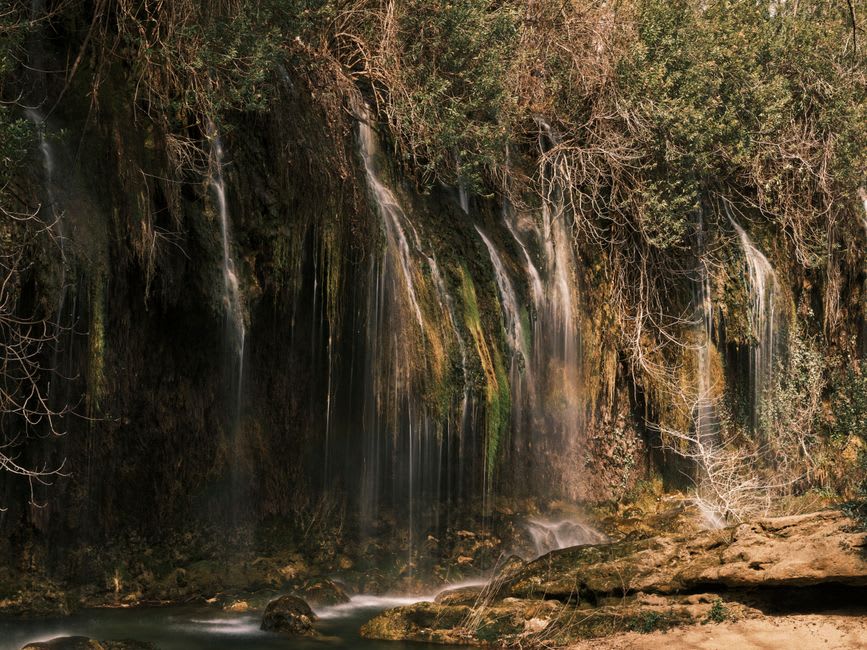
I hadn’t expected greenery in the Judean Desert, which is exactly the point of Ein Gedi and exactly why it caught me so off guard. I’d driven down from Jerusalem along the Dead Sea highway, past a landscape so relentlessly brown and folded it started to feel hostile, and then parked at a reserve entrance that looked like nothing much — until I walked twenty minutes up Nahal David canyon and the whole story changed. Springs feed year-round waterfalls here, keeping a ribbon of genuine jungle green alive in a place that receives almost no rainfall at all.
The lower falls are an easy, almost lazy walk, and I understand why they get crowded with families and school groups splashing in the pools below. But it’s worth pushing further up toward the upper falls and the hanging gardens, where the canyon narrows and the vegetation gets thicker and the crowd thins out considerably. I sat on a rock ledge halfway up, dangling my feet in cold spring water while the desert baked ten meters away on the other side of the canyon wall, and thought about how absurd the contrast was — an oasis this literal, straight out of the biblical stories where David hid from Saul in these exact caves.
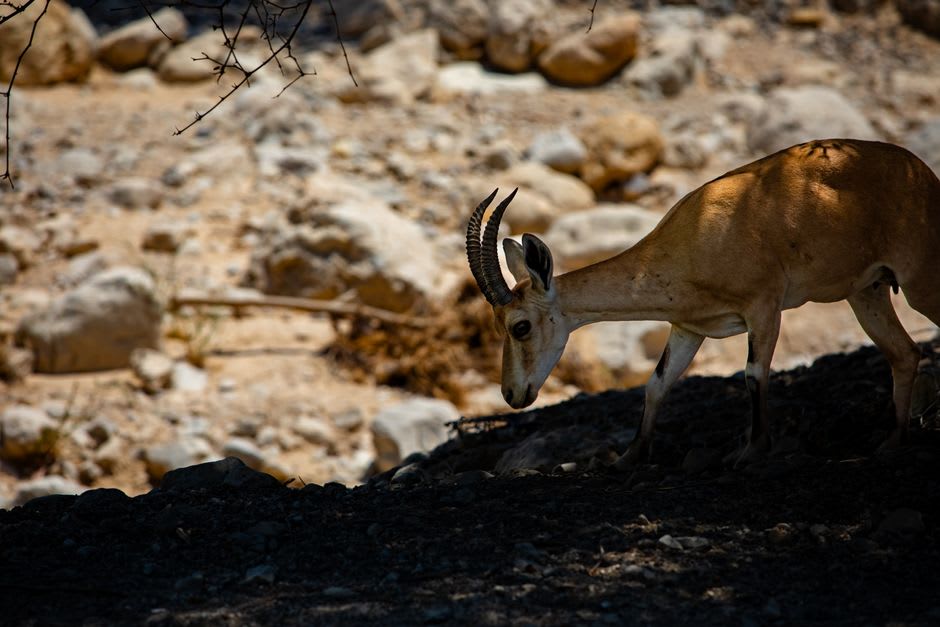
The animals are the other reason to come. Nubian ibex wander the trails with a total lack of concern for hikers, standing on ledges at impossible angles, and rock hyraxes — small, plump, oddly rodent-like creatures that are apparently the closest living relative to the elephant, a fact I still find hard to believe — sun themselves on boulders along the path without so much as flinching when you walk past. I stood two meters from an ibex family for a full five minutes, and they were considerably less interested in me than I was in them.
Afterward I drove the short distance down to the Dead Sea shore and floated in that impossibly buoyant, mineral-heavy water, salt stinging every scratch I’d picked up on the trail, which felt like exactly the right way to end a day that had started in a canyon and finished at the lowest point on Earth.
When to go: Early morning, before 9 a.m. if you can manage it — both for the cooler temperatures on the exposed sections and for a real chance at the trails before the tour buses arrive. Summer months push past 40°C by midday, which turns the upper trails from pleasant to genuinely risky.