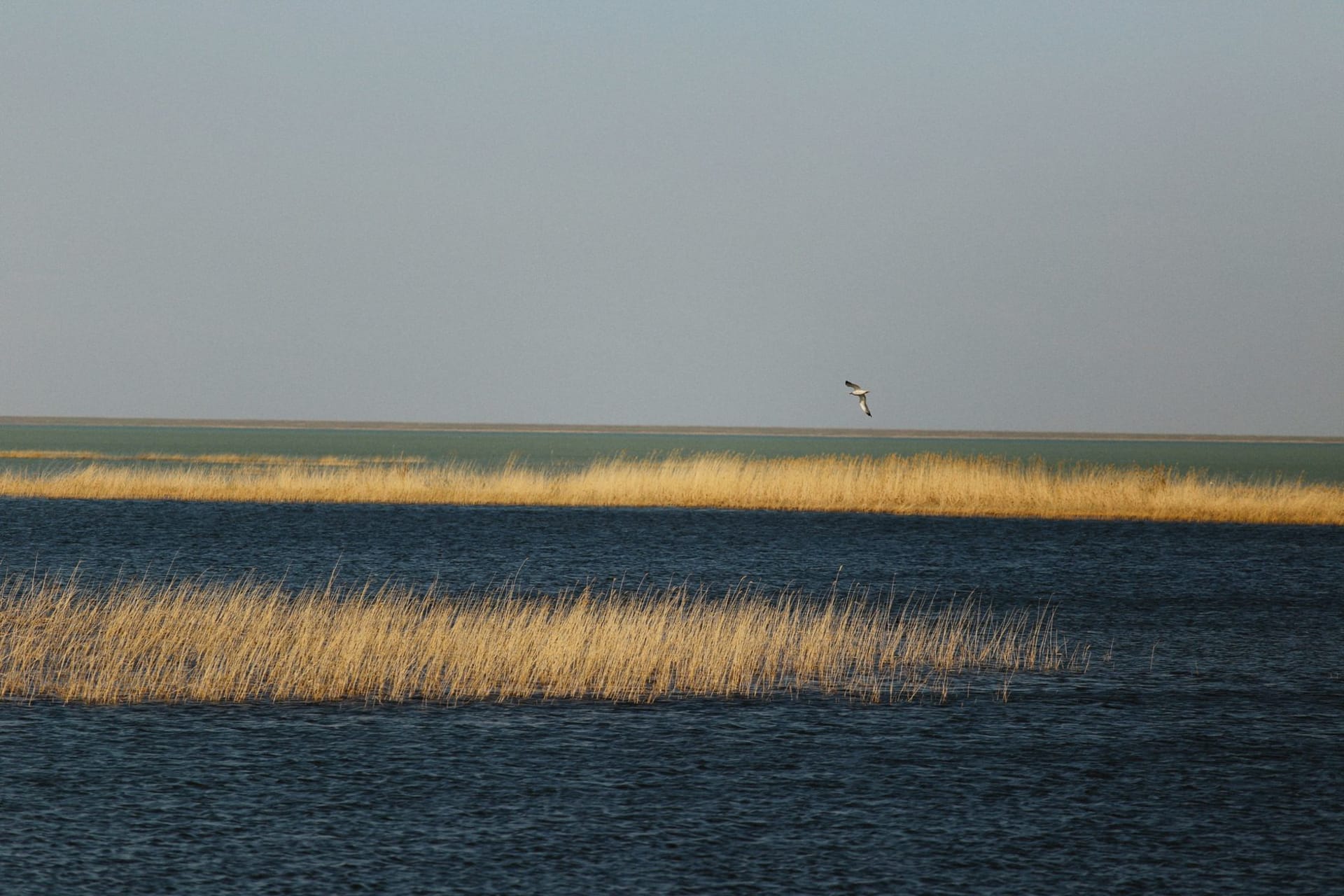
Mesopotamian Marshes
"The marshes are so quiet that when a heron lifts from the reeds, the sound of its wings feels like an announcement."
We left the village before dawn. My guide — a young Marsh Arab named Jabir who spoke enough English to narrate and enough French to laugh at my accent — pushed the wooden mashoof into the dark water with one long stroke of his pole, and the boat slid forward into a channel so narrow that the papyrus brushed both sides simultaneously. Above us, the stars were still out. The marsh smelled of water and decomposing reed and something ancient that I do not have a precise word for — the smell of a landscape that has been alive in the same way for ten thousand years.
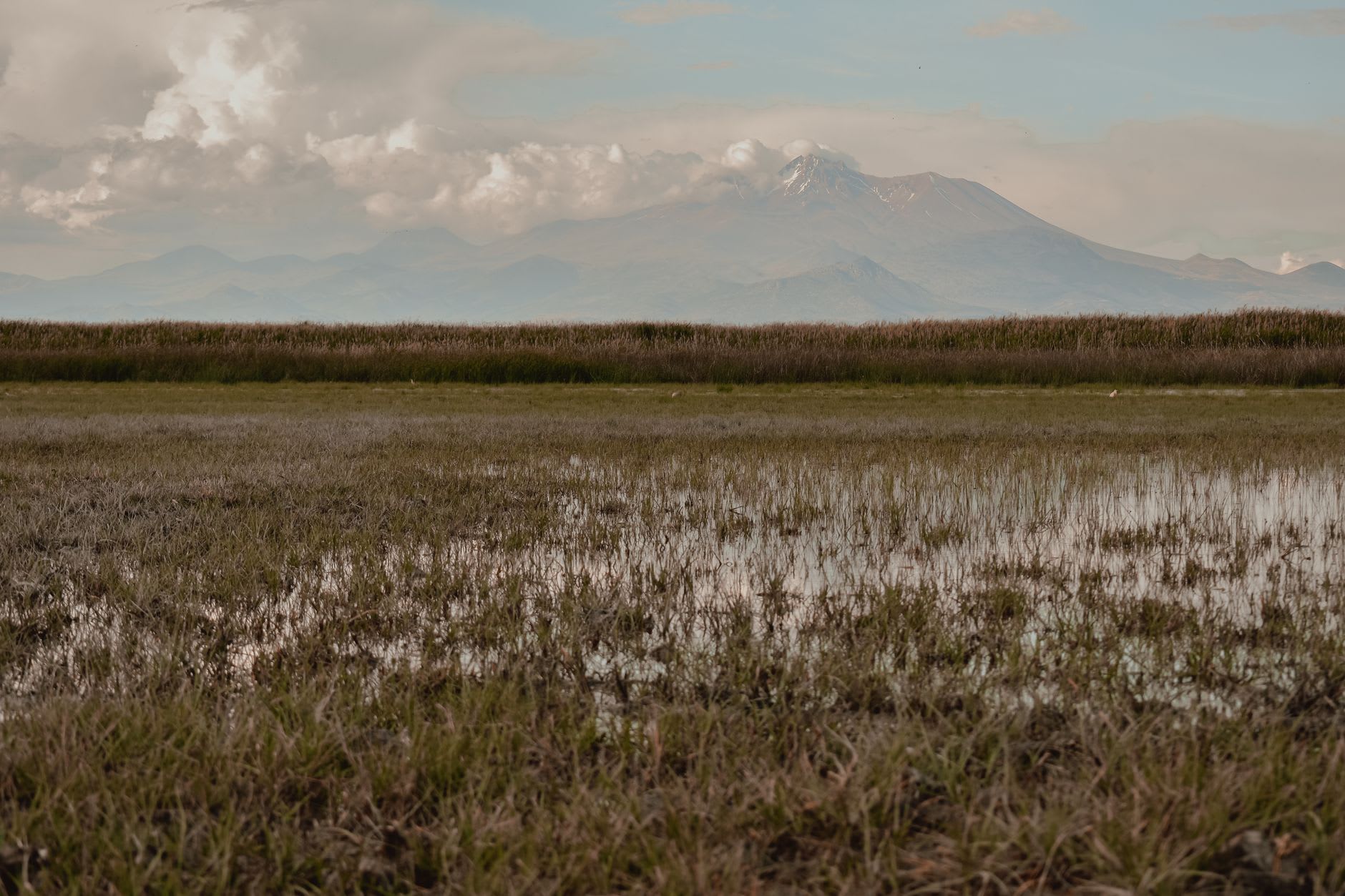
The Mesopotamian Marshes are what remains of a vast wetland system that once covered twenty thousand square kilometers in southern Iraq, at the confluence of the Tigris and Euphrates rivers. Saddam Hussein drained most of them in the 1990s as collective punishment against the Marsh Arab communities who had opposed him — a deliberate act of ecocide that destroyed one of the world’s most important wetland ecosystems and forced hundreds of thousands of people from their ancestral landscape. Since 2003, the marshes have been substantially restored, and the recovery has been remarkable: fish have returned, migratory birds have returned, and the Marsh Arab communities have begun returning too, rebuilding their extraordinary floating architecture.
The mudhif — the traditional Marsh Arab guesthouse — is one of the most remarkable structures I have ever been inside. Built entirely from bundled reeds without a single nail or piece of wood, its arched barrel vaulting creates a long interior space that is simultaneously simple and sophisticated, and the construction technique is depicted in Sumerian carvings from five thousand years ago. I sat inside one on reed mats while Jabir’s uncle — the sheik of a small community — prepared tea in the particular Marsh Arab style, dark and sweet and served in tiny glasses, and we talked about what the marshes had been and what they were becoming, and the word he used for the period of Saddam’s drainage was the same word that appears in Lamentations.
The birdlife here is extraordinary in a way that requires no ornithological knowledge to appreciate. Purple gallinules step across lily pads with an implausible delicacy. Grey herons stand in the shallows with the stillness of very old men who have decided the world is not worth hurrying for. Flocks of egrets lift suddenly from the reed beds in explosions of white that the morning light catches and turns briefly gold. The Mesopotamian Marshes are on the path of the Central Asian Flyway, and during migration season the skies above the water hold more birds than you can reasonably count.
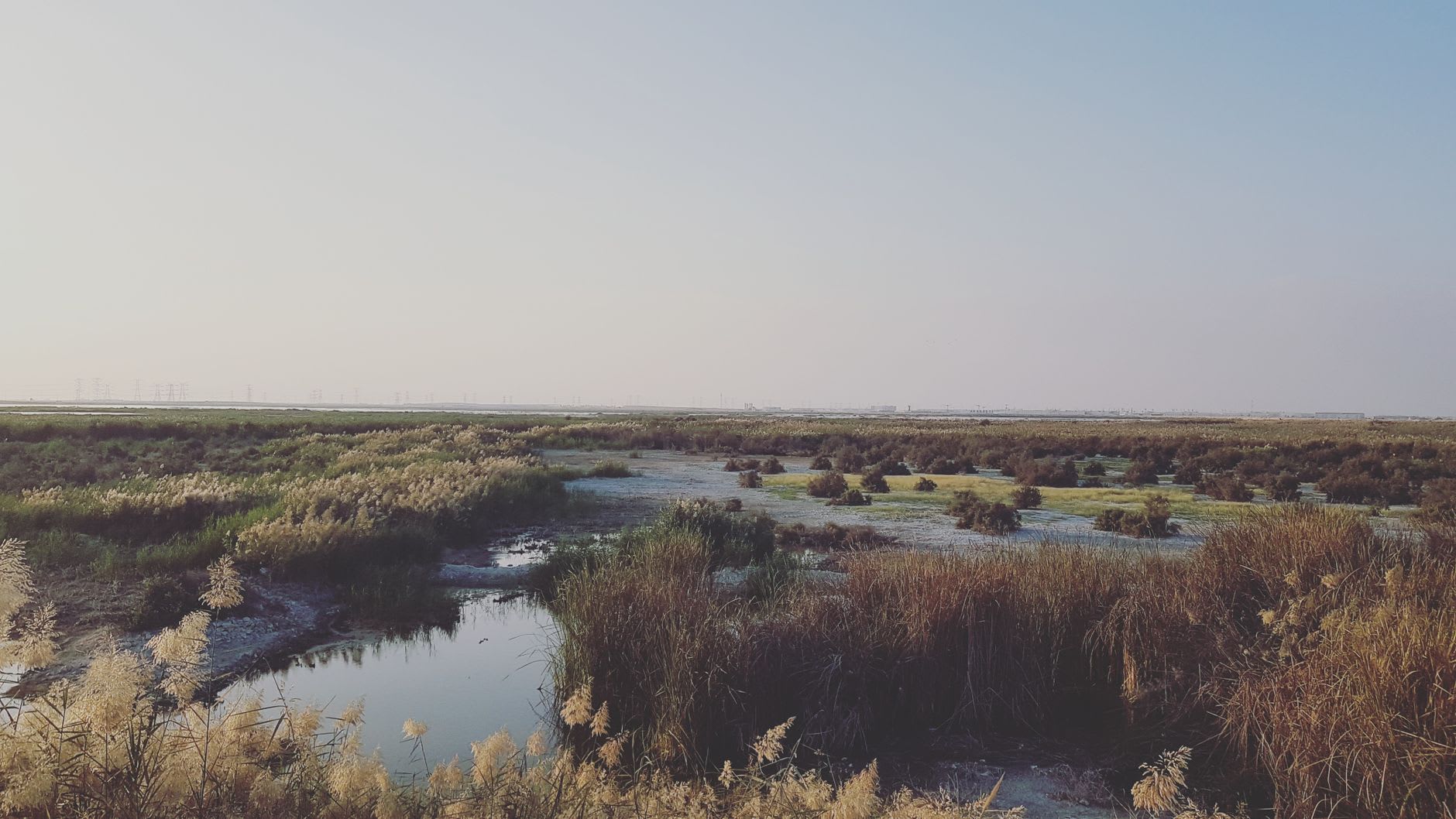
We spent the afternoon floating through channels that Jabir knew by a system of landmarks invisible to me — a certain bend in the reeds, a particular angle of water, a buoy made from a plastic bottle tied to a stake. We saw water buffalo standing chest-deep in a lagoon, moving with the slow dignity of animals who have been here long enough to be indifferent to boats. We saw a family on a reed island platform building what would become a new home, the children helping to carry bundles while their parents laid the foundations. It was, taken all together, one of those afternoons that recalibrate something in you — a reminder that the world contains landscapes and ways of living that exist entirely outside of the frame that most of my daily life provides.
When to go: October through April, with December through February being peak birdwatching season for migratory species. March and April are especially beautiful — the water levels are high from winter rains and the landscape is genuinely green. Avoid summer: the marshes in July are ferociously hot and the insects are a serious consideration.