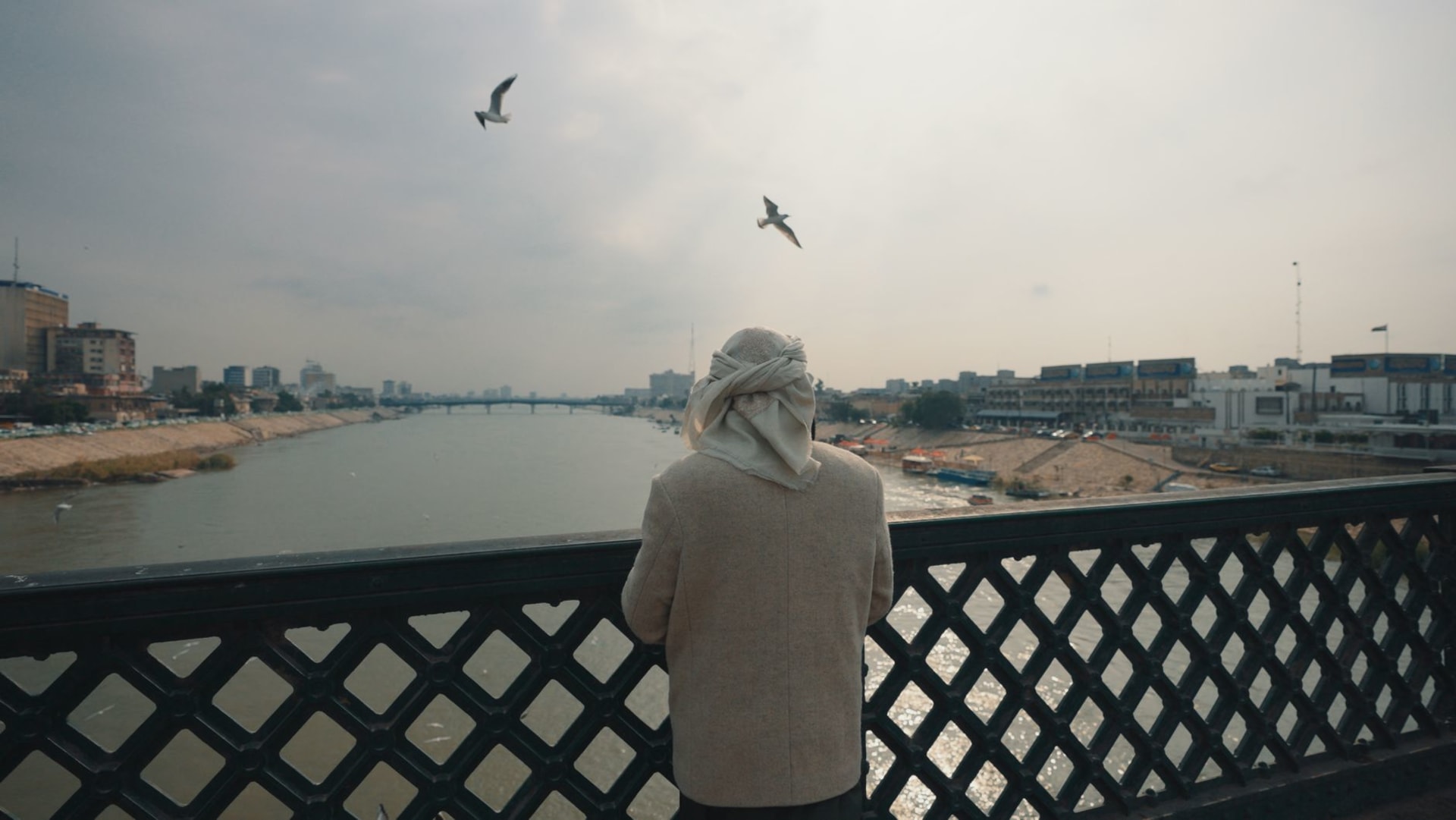
Baghdad
"Baghdad does not ask you to forget what happened here. It asks you to stay long enough to see what is happening now."
I arrived in Baghdad just as the day was losing its edge, when the forty-degree heat had dropped to something merely oppressive and the Tigris was catching the last orange light in long, slow ripples. My taxi driver, a man named Hassan who had studied electrical engineering and now drove foreigners because it paid better, pointed out the date palms flanking the expressway with a kind of proprietary pride. There were millions of them, he said. More per square kilometer than anywhere else on earth. He said this as though it settled something.
The first thing Baghdad teaches you is that it contains multitudes without apology. The Green Zone and its blast walls and its grim legacy exist, yes — but they occupy a smaller corner of the city’s consciousness than outsiders imagine. What occupies the rest is the river, the mosques, the traffic, the noise, and above all the food. Al-Rasheed Street in the old city retains a faded grandeur, its buildings decorated with early-twentieth-century tiles that survived everything by sheer stubbornness, and the tea houses along it still serve the small glasses of amber tea that have been the currency of conversation here for centuries.

The masgouf is the thing you have to eat in Baghdad, and ideally you eat it beside the river. It is a whole carp, butterflied and propped open on a stick beside an open flame — not over it, beside it — for hours, until the flesh turns golden and smoky and falls away in flakes that taste of the river itself. The restaurants along Abu Nuwas Street have been grilling masgouf over riverbank fires for generations, and on a Thursday evening the terraces fill with families and young couples and tables of men playing backgammon with a seriousness that implies money is involved. The smoke drifts over the water and mingles with the sound of oud music from somewhere nearby and the whole scene has a relaxed vitality that nothing in my previous understanding of Baghdad had prepared me for.
The Al-Mutanabbi Street book market happens every Friday morning and it is one of the most affecting places I have been in all of the Middle East. Named after the tenth-century poet, the street was the cultural heart of Baghdad for decades before a car bomb in 2007 destroyed it. It was rebuilt. The booksellers came back. Every Friday, stalls appear selling everything from Ottoman-era manuscripts to translated French novels to secondhand philosophy textbooks with Iraqi university stamps still in the covers. I spent two hours there and bought more than I could reasonably carry, including a battered Arabic edition of Albert Camus that I thought Pierre would appreciate and then realized I was already thinking in the third person.

The new Baghdad that nobody told me about exists most visibly in the neighborhoods of Karrada and Mansour, where cafes have opened in the last five years with the focused energy of people who have decided to claim normal life. Specialty coffee shops, galleries showing young Iraqi painters, rooftop bars serving mocktails with real citrus because the heat requires constant hydration. One evening I sat in a cafe in Karrada where a DJ was playing a set that moved between Lebanese pop and something that sounded like it was sampling traditional Iraqi maqam music, and the crowd was twenty-something Baghdadis who were there not because it was unusual to be out at night but because they had been out at night all their lives and simply preferred this particular cafe on this particular Friday.
When to go: October through April. Spring — March and April specifically — is close to perfect: mild mornings, warm afternoons, the date palms in their best light. Avoid the summer months entirely; Baghdad in July is forty-five degrees and serious about it.