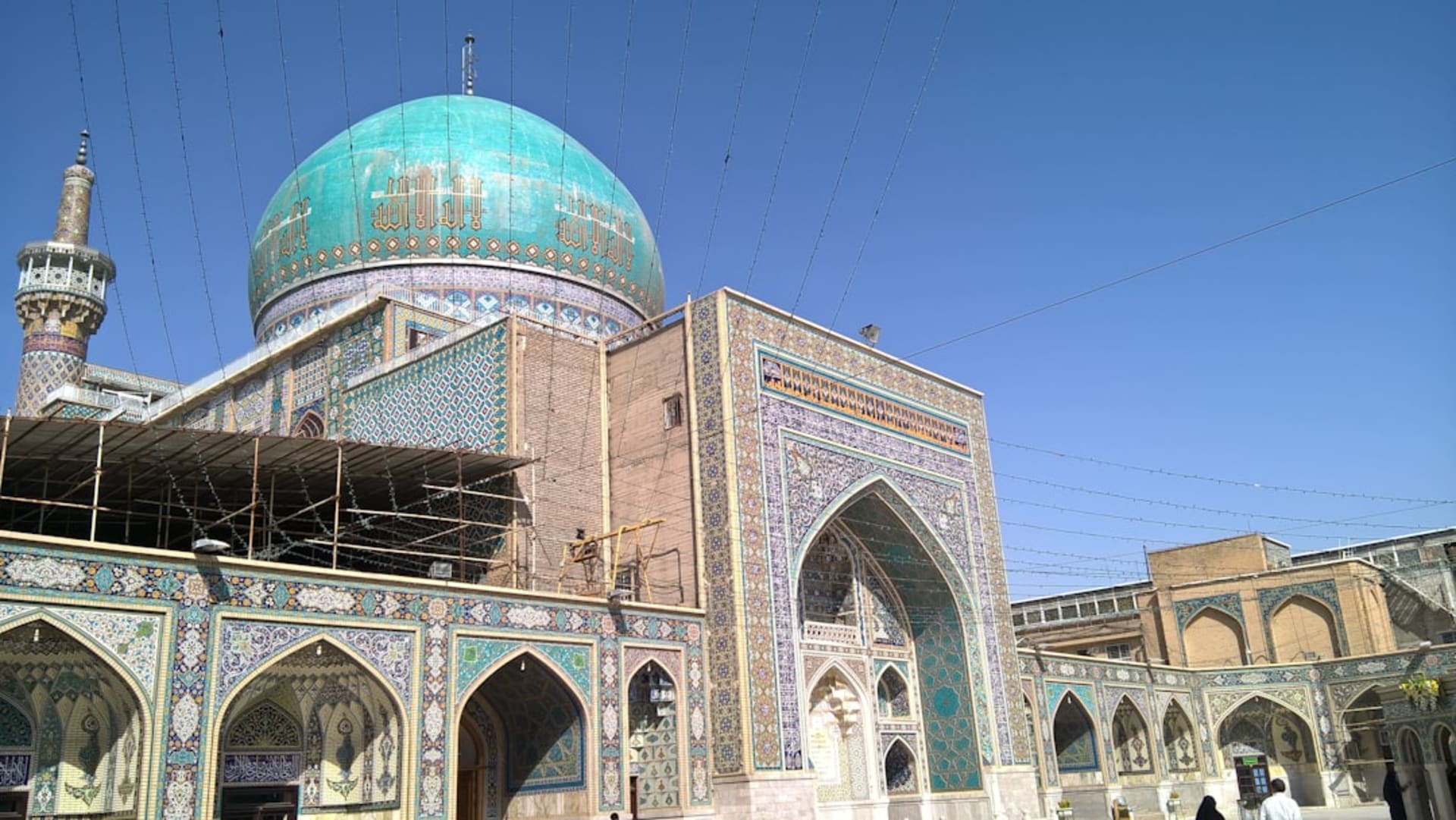
Tomb of Hafez
"I asked a stranger's grandmother whether I should trust the poet. She said yes without hesitating."
A garden pavilion where Iranians still come to ask a dead poet for advice — and get an answer.
I did not expect to cry at a cemetery, but the Hafezieh is not really a cemetery. It is a garden with one very famous grave in the middle of it, and on the evening we visited, an elderly woman in a black chador was sitting cross-legged on the marble steps with a copy of the Divan-e Hafez open on her knees, murmuring to herself. Lia asked, through the little Farsi we’d cobbled together plus a lot of gesturing, what she was doing. The woman said she was asking Hafez a question. This is called fal-e Hafez — opening the book at random for guidance — and Iranians of every age do it with total sincerity, the way some people flip a coin except the coin has been dead for six hundred years and never gets it wrong.
The Pavilion at Dusk
The tomb itself sits under an open marble pavilion with a turquoise-tiled dome, added in the 1930s by a French architect who somehow managed not to ruin it. Hafez’s alabaster sarcophagus, carved with two of his own ghazals, gets touched constantly — Iranians press their palms flat against the stone, eyes closed, the way you’d touch a doorway for luck. I did it too, feeling a little foolish, and felt nothing mystical whatsoever, which is probably the correct outcome for a French tourist.
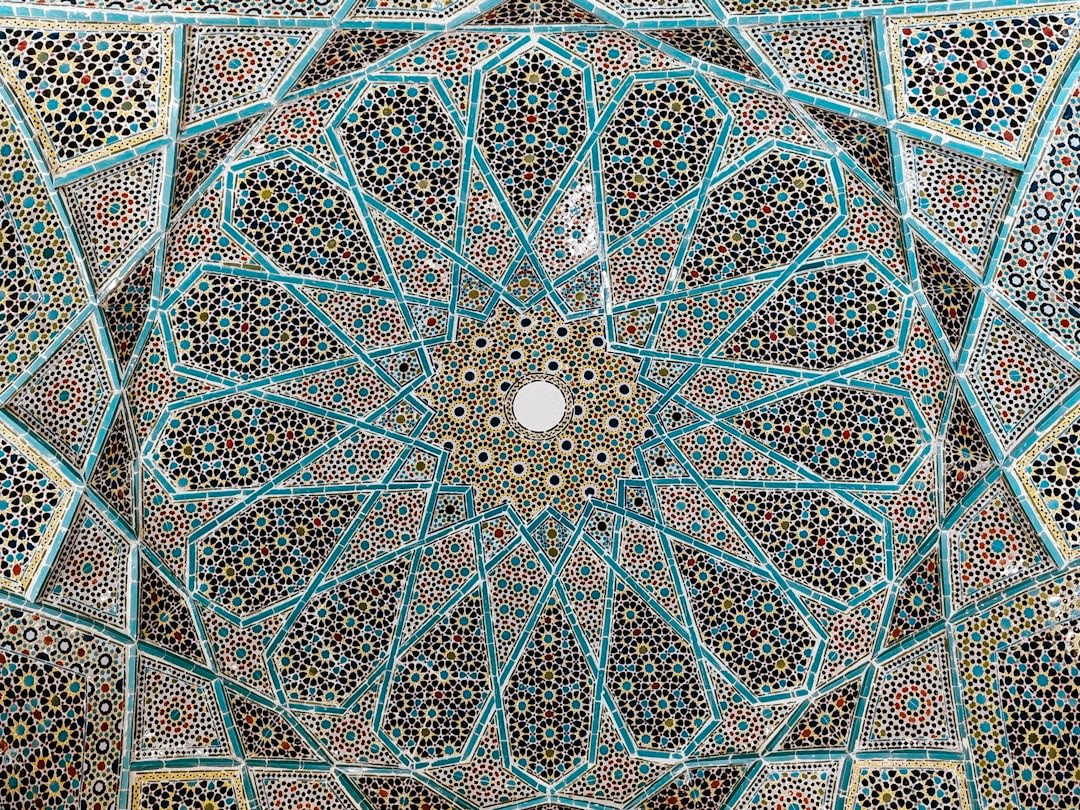
What moved me more was the garden around it — orange trees heavy with fruit nobody picks, cypress avenues laid out with the same geometric discipline as every Persian garden, and benches full of teenagers reading poetry aloud to each other, not as an assignment but because that’s what you do here on a Thursday night.
Why Iranians Take This Seriously
Hafez died in 1390 and is still, by a wide margin, the most quoted person in Iranian daily conversation — not politicians, not clerics, a lyric poet obsessed with wine, love, and the hypocrisy of religious authorities who tried to have him exiled. That his tomb has become something between a shrine and a living room tells you almost everything about how Iranians actually relate to faith, doubt, and beauty, often in the same sentence.
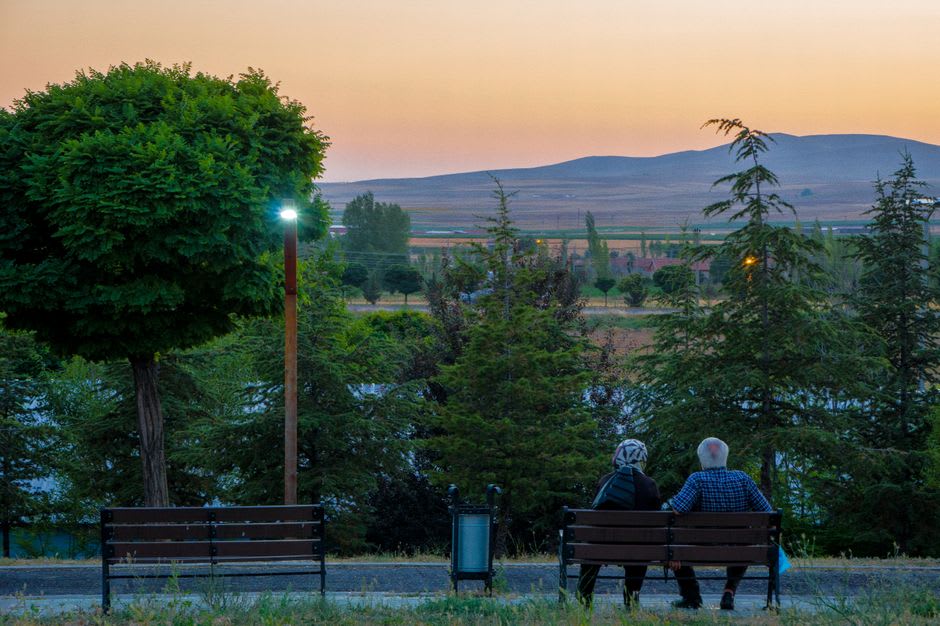
We stayed until the tea house at the edge of the garden started stacking chairs, drinking saffron tea from small glass cups while a man two tables over read a ghazal out loud to no one in particular, just because he liked how it sounded.
When to go: Early evening, any season — the garden is at its best as the light softens and local families arrive for a stroll. Avoid midday in summer when the marble radiates heat.