Taq-e Bostan
"The water has been mirroring these kings since before there was an Iran to rule."
A grove and reflecting pool outside Kermanshah where Sassanid kings carved themselves, larger than life, into a cliff face 1,500 years ago.
Taq-e Bostan surprised me by being, first and foremost, a park. Families were picnicking on the grass, kids feeding ducks at the edge of the spring-fed pool, and only past the tree line did the actual reason for the crowd become clear: a series of enormous rock reliefs carved directly into the cliff by Sassanid kings between the fourth and seventh centuries.
Kings Carved Into an Archway
The largest relief sits inside a deep arched niche, or taq, showing what’s believed to be the investiture of King Khosrow II — flanked by deities, mounted on an armored horse in a separate panel below, dressed for battle in full chainmail so detailed you can trace individual rings from ground level. I’d seen photographs of it before traveling, and none of them convey the scale properly; the archway itself is carved deep enough to walk into, and standing under it, the stone ceiling curving overhead, I felt genuinely small in a way that flat images never suggested.
The Boar Hunt Panel
Off to one side, a hunting relief shows a royal boar hunt in a marsh, elephants driving the animals toward archers on rafts, all rendered with an eye for chaotic motion that most ancient relief carving avoids in favor of stiff formality. I spent longer looking at this panel than the main archway — there’s a wit to it, a willingness to depict panic and disorder that felt almost modern.
A Spring That Never Stopped
The pool at the base of the cliff is fed by a natural spring that’s apparently been running since the reliefs were carved, and on a hot Kermanshah afternoon, the water reflecting the stone archway back at itself was the coolest, most pleasant spot I found in the whole city.
When to go: April to June and September to October, avoiding the intense summer heat of the Kermanshah plain. Late afternoon light works best for photographing the reliefs, when the sun angles directly into the carved niche.
Keep exploring
More from Iran
 iran
iran Tehran
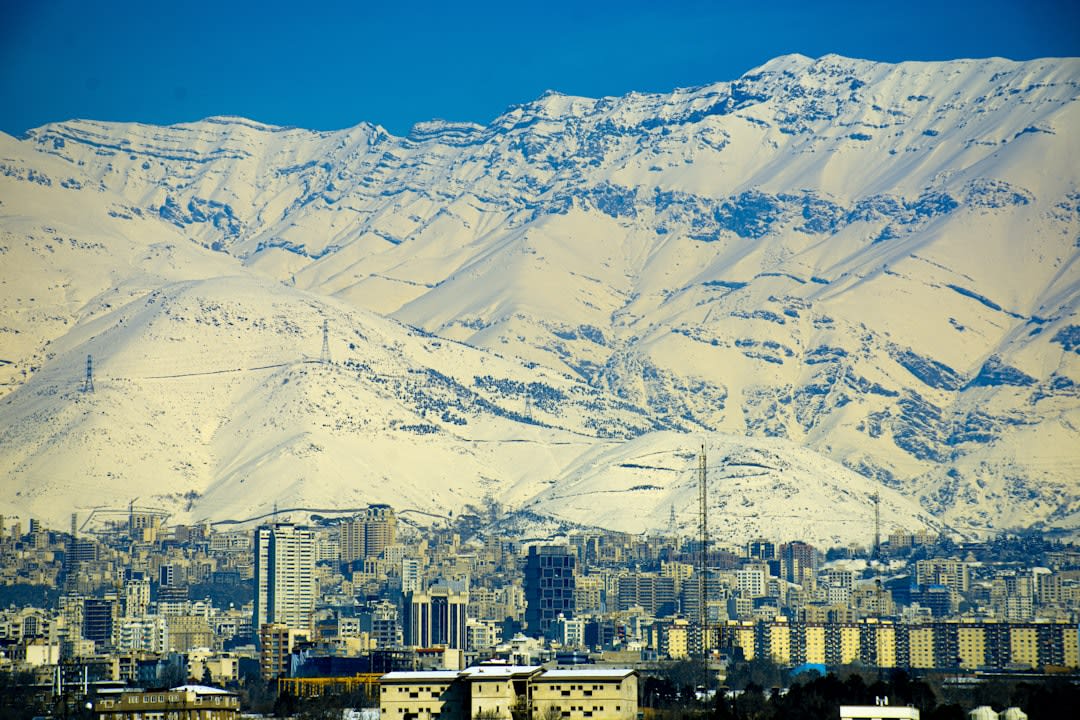
A sprawling, contradictory capital where Alborz snowpeaks appear at the end of every north-south street and a world-class art collection hides in plain sight.
Explore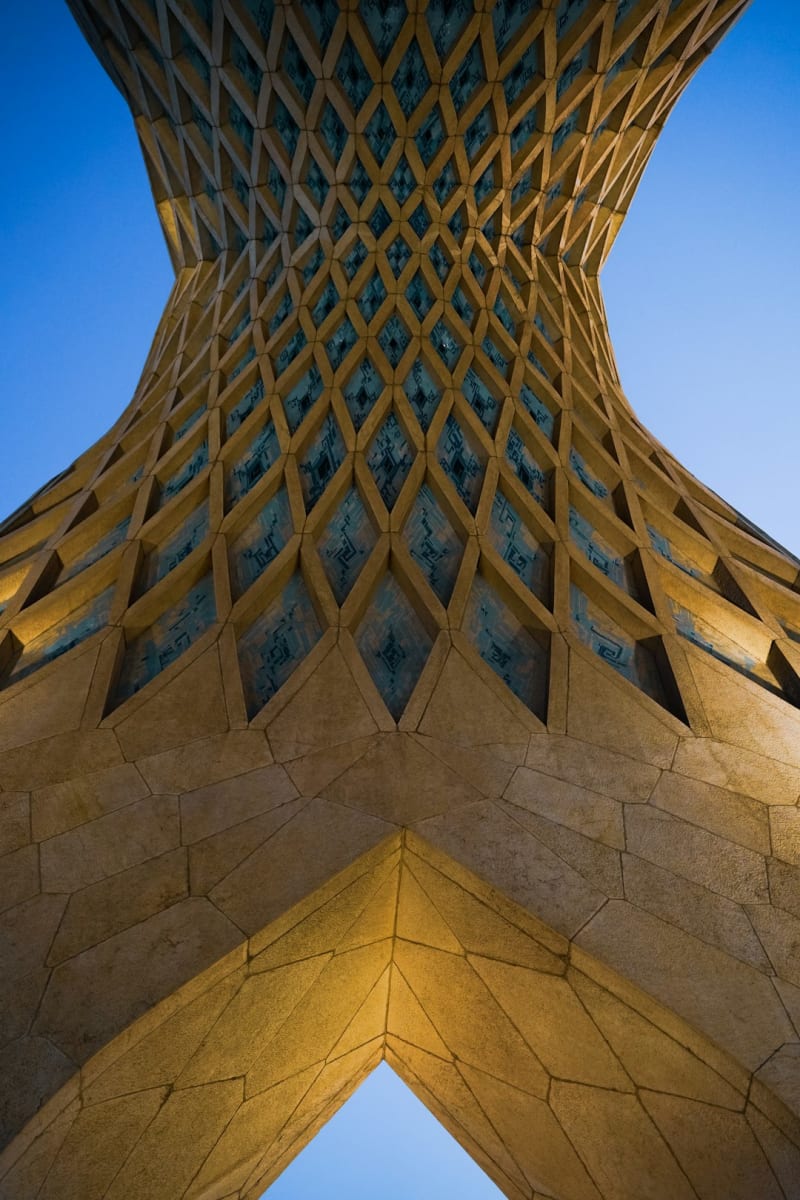 iran
iran Tepe Sialk
A seven-thousand-year-old mound on Kashan's outskirts, where a half-melted ziggurat quietly outdates almost everything else you'll see in Iran.
Explore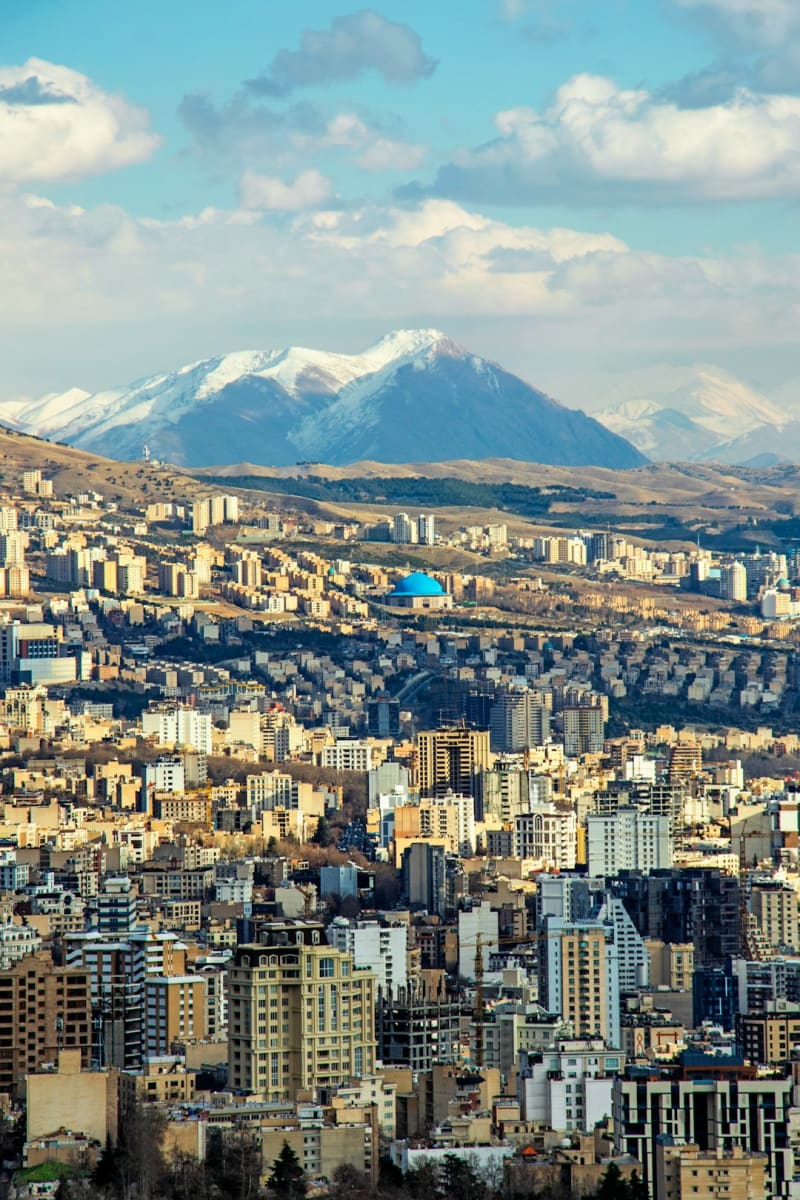 iran
iran Tochal
A seven-stage gondola that lifts you from Tehran traffic to 3,900 meters of Alborz alpine terrain in under forty minutes — ski slope in winter, hiking trail the rest of the year.
Explore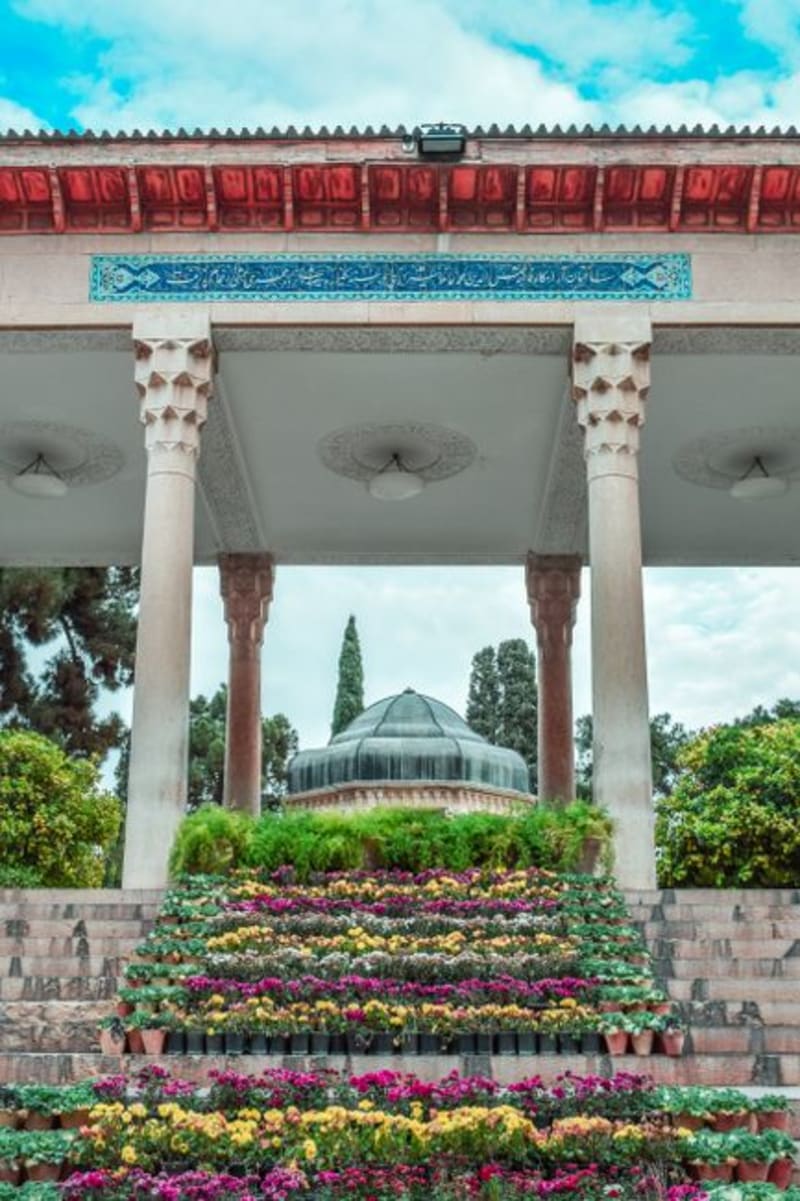 iran
iran Tomb of Hafez
A garden pavilion where Iranians still come to ask a dead poet for advice — and get an answer.
Explore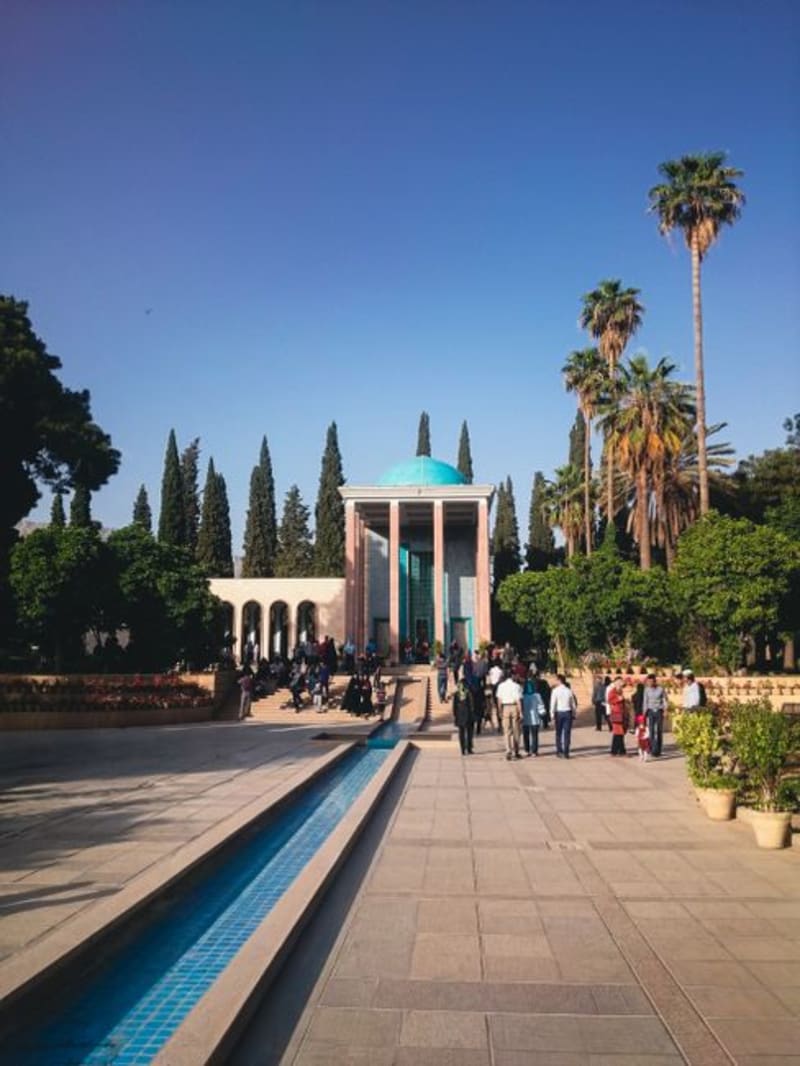 iran
iran Tomb of Saadi
A quieter, greener sibling to the Hafez shrine, built for the poet who wrote that all of humanity is one body.
Explore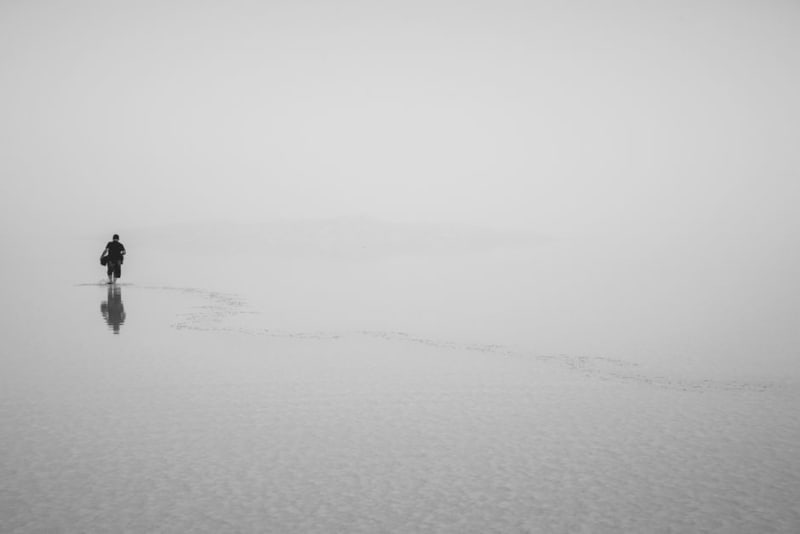 iran
iran Lake Urmia
A vanishing hypersaline lake the color of rust and rose, where you float without trying and the mountains of West Azerbaijan sit reflected in water that's disappearing faster than anyone can fix.
Explore