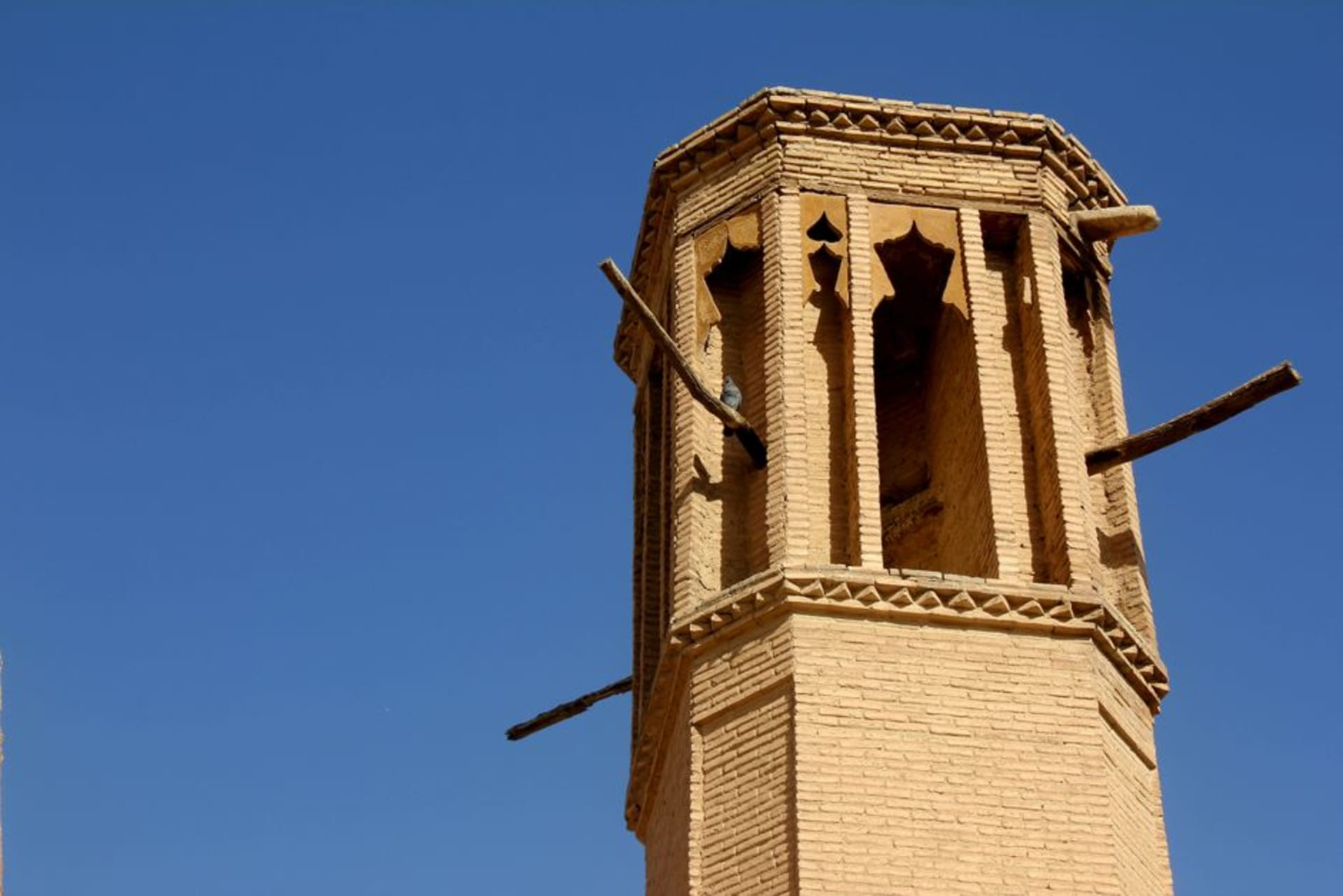
Shushtar
"An entire town built around water someone engineered two millennia ago, and it still works."
A 2,000-year-old hydraulic engineering system of canals, tunnels, and waterfalls that still irrigates the town today, and one of the strangest UNESCO sites in the country.
I’ll admit I went to Shushtar mostly out of curiosity — “ancient hydraulic system” doesn’t sell itself the way “ziggurat” or “palace” does — and left thinking it was one of the more genuinely mind-bending sites I saw in Iran. Shushtar’s water system dates to the Achaemenid period and was massively expanded under the Sasanians in the third century CE, reportedly with help from Roman engineers captured after the defeat of Emperor Valerian. It diverts the Karun River through a network of canals, tunnels, and artificial waterfalls to power watermills, irrigate farmland, and supply the town — and large parts of it are still functioning exactly as designed, which is the part that kept catching me off guard.
Standing Inside the Water
The core of the site is a series of stone structures where the diverted river drops in cascading waterfalls between levels, originally driving dozens of watermills carved directly into the rock. Walking the stone bridges and platforms between channels, with water roaring on multiple sides at different heights, felt less like visiting a ruin and more like standing inside a piece of still-operating machinery that happens to be two thousand years old. Lia, who has an engineering background, spent nearly an hour tracing the logic of the channel gradients out loud, genuinely delighted in a way I don’t often see her get about historical sites.
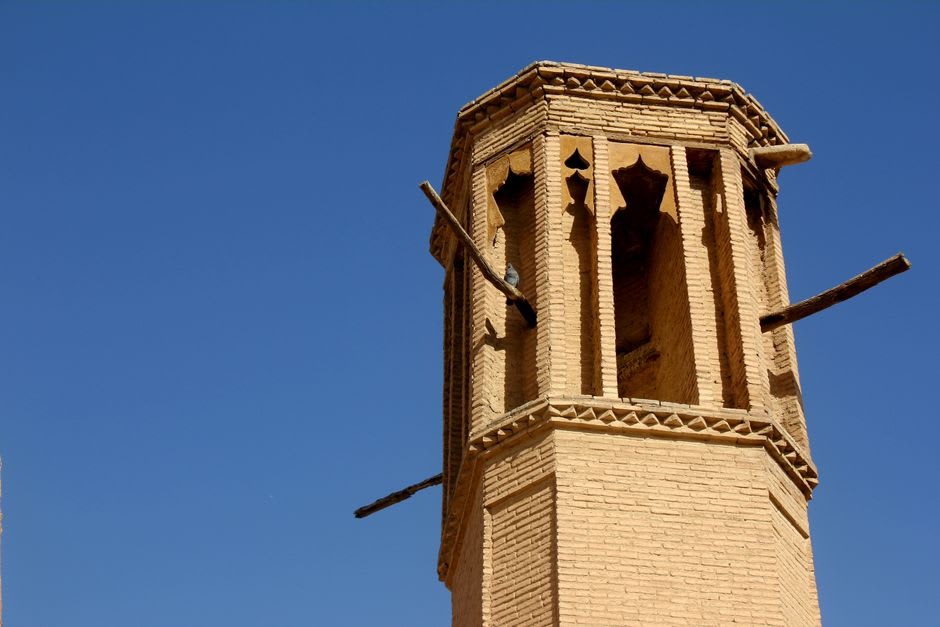
The Mizan and the Old Bridge-Dam
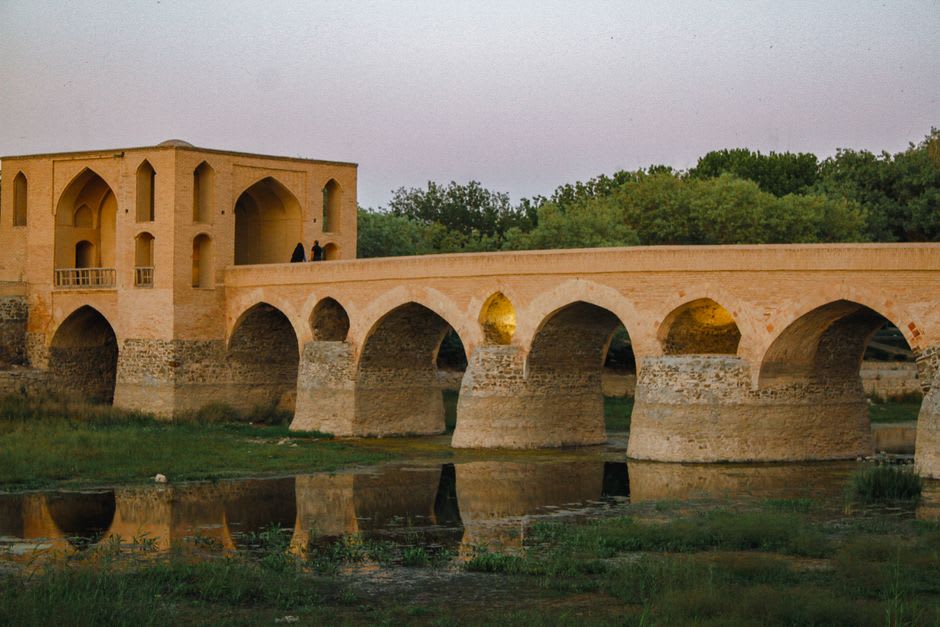
Downstream, the Band-e Kaisar — the “Caesar’s Dam,” attributed to those same Roman prisoners of war — was one of the first bridge-dams of its kind anywhere, combining a river crossing with water-level control. Much of it survives in fragments you can walk across. Below the main falls, locals still swim and picnic in the pools the system creates, treating a UNESCO World Heritage engineering marvel as their neighborhood swimming hole, which felt exactly right.
Getting Oriented
Shushtar is a small, unhurried town, easily visited as a day trip from Ahvaz or Shush, or an overnight if you want the falls at both sunset and sunrise, which look completely different. There isn’t much tourist infrastructure — a few simple guesthouses, tea shops overlooking the water — which is part of the appeal.
When to go: Winter and early spring, November to April, when the Karun’s flow is fuller and the Khuzestan heat hasn’t set in. The waterfalls are far more dramatic with higher water levels.