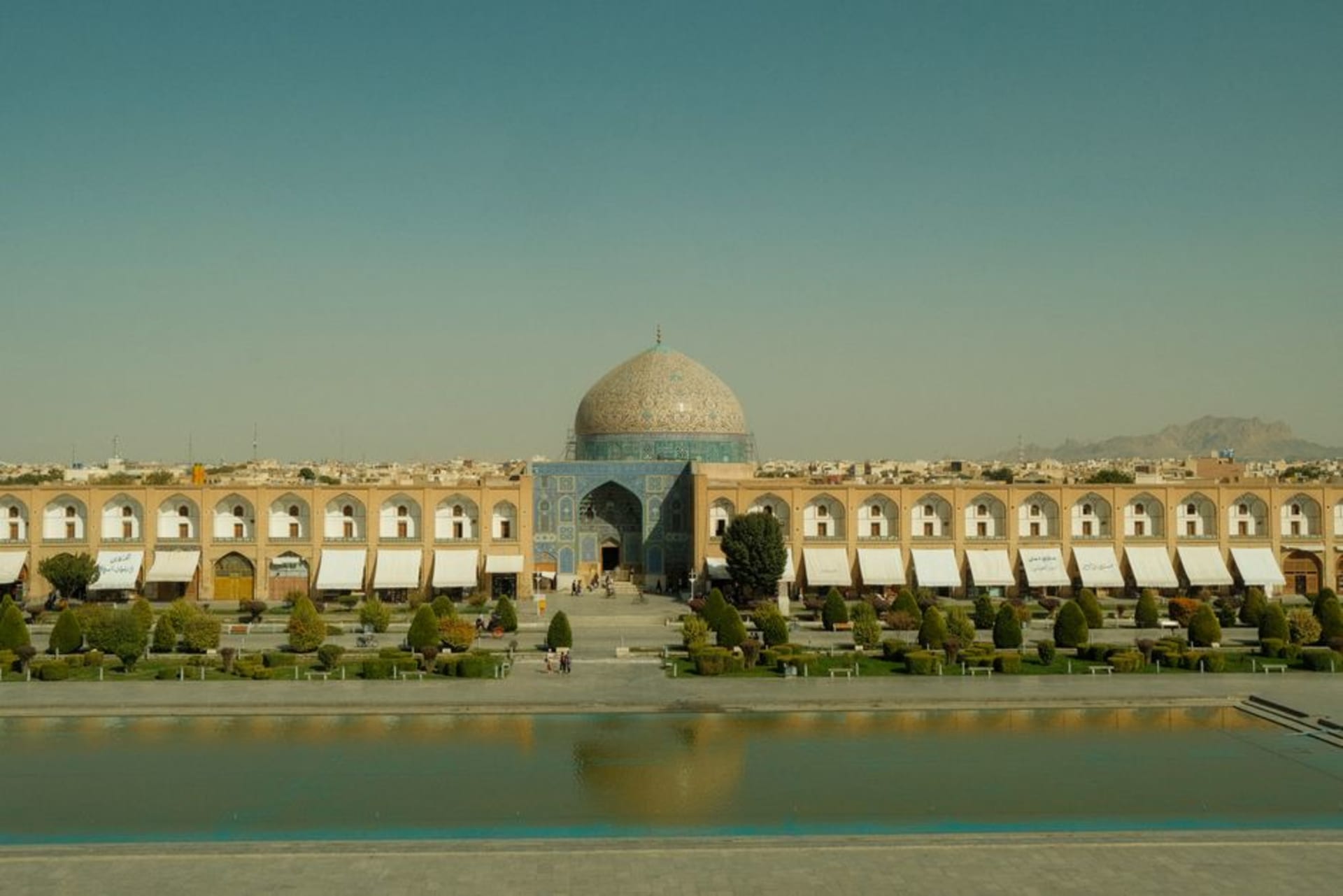
Shah-e Cheragh
"Every mirror fragment throws the light somewhere new. Standing still, I felt like I was moving."
A mausoleum lined floor to ceiling in cut mirror glass — the single most disorienting interior I've stood inside anywhere.
Shah-e Cheragh means “King of Light,” and I assumed, walking in, that this was poetic exaggeration. It is not. The shrine holds the remains of Ahmad and Muhammad, brothers of the eighth Shia Imam, and its interior — dome, walls, every surface of the burial chamber — is covered in millions of hand-cut mirror tesserae, so that a single incandescent chandelier turns the whole room into something closer to a kaleidoscope than a building.
Getting In as a Non-Muslim Visitor
Non-Muslim visitors are welcome, which surprised me — I’d assumed access would be restricted. At the entrance, a volunteer in a black chador handed Lia a full-length black covering, checked that my arms and legs were sufficiently covered, and then, unprompted, offered to walk us through personally, translating a few of the historical plaques and warning us gently not to photograph anyone mid-prayer.
The Physical Sensation of the Room
I have no better way to describe the effect than this: you lose your sense of where the walls actually are. The mirror-work breaks every straight edge into thousands of tiny reflective planes, so the architecture seems to shimmer and recede at once, like being inside a geode that someone lit from within. Pilgrims sit cross-legged on the vast Persian carpets underneath it, some weeping quietly, some simply resting, and the room somehow holds both the devotional weight of a Shia shrine and the pure sensory overload of walking into a diamond.
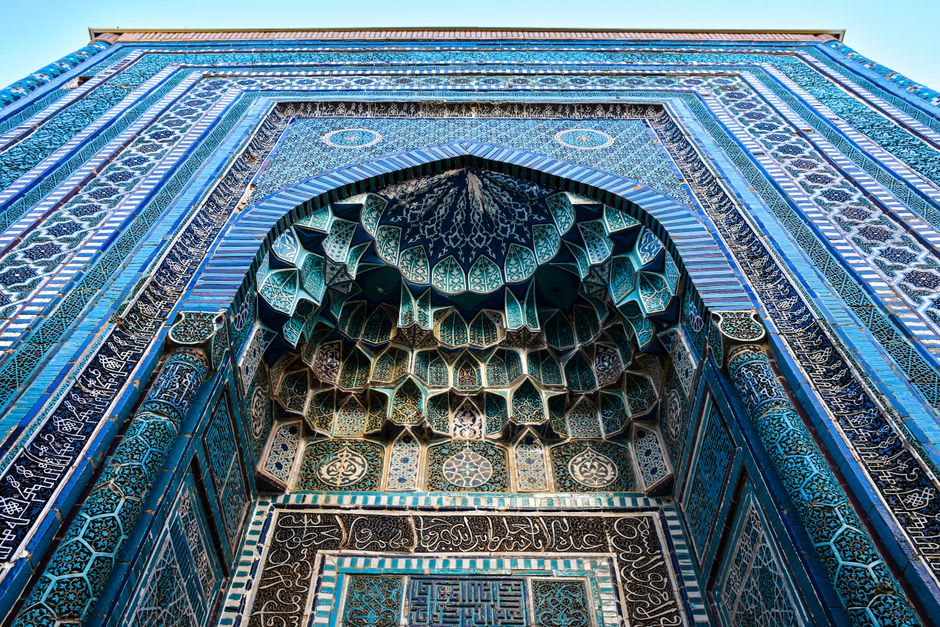
Our guide told us the mirror technique — aina-kari — began centuries ago as a practical fix, using broken shipments of imported European glass mirrors that had shattered in transit rather than wasting them, and it grew from repair work into one of the defining decorative arts of Iran. I have not been able to un-see that irony since: an entire aesthetic tradition built on turning breakage into radiance.
When to go: Evening prayer time, just after sunset, when the shrine is most active and the chandeliers are lit against the darkening blue-hour light outside. Dress modestly; a chador is provided for women at the entrance.
Keep exploring
More from Iran
 iran
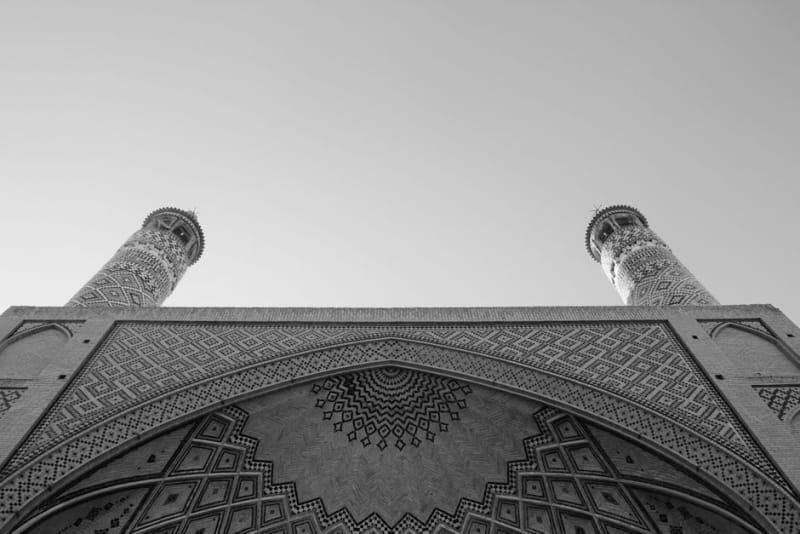
iran Monar Jonban, the Shaking Minarets
A fourteenth-century mausoleum on the edge of Isfahan where one minaret, gently rocked by hand, makes its twin sway in sympathy across a twenty-meter gap.
Explore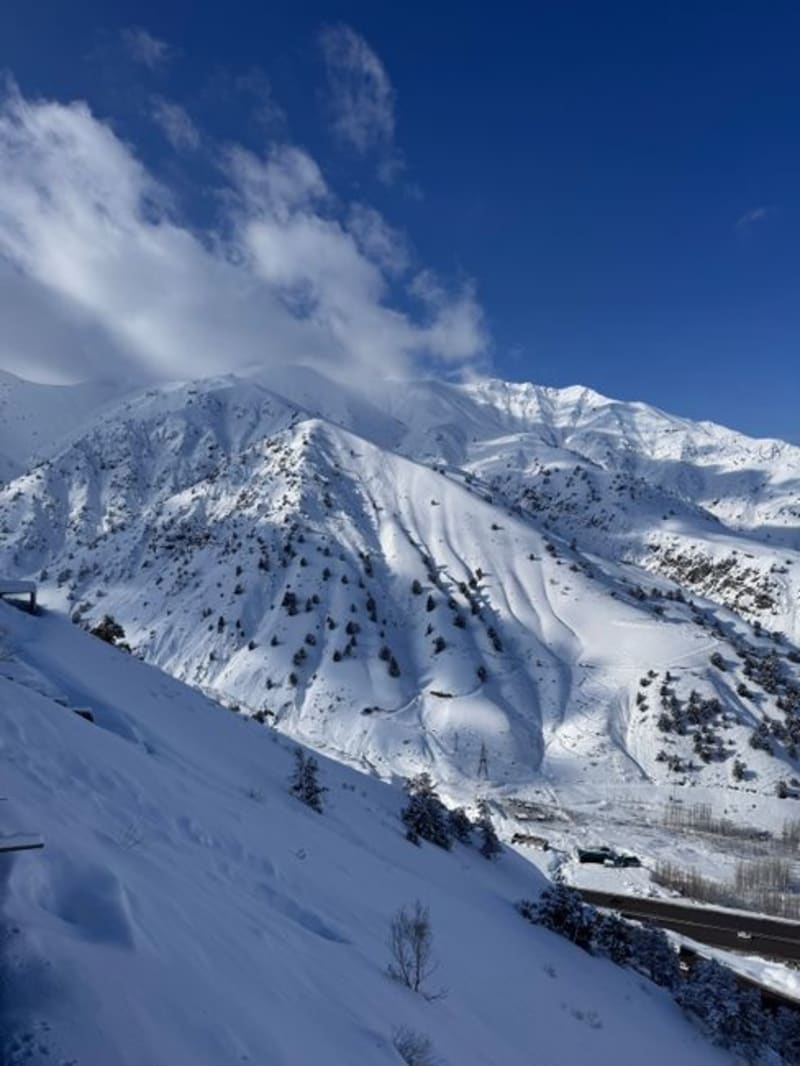 iran
iran Shemshak
A ski town ninety minutes from Tehran with steep, ungroomed terrain that draws serious skiers and a surprisingly relaxed après scene, out of sight of the capital's usual rules.
Explore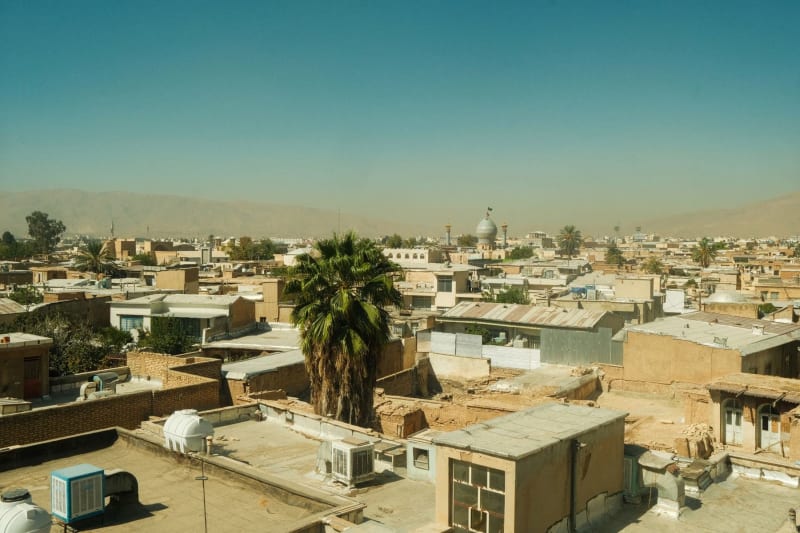 iran
iran Shiraz
City of poets, roses, and the kaleidoscopic Pink Mosque — where light itself becomes architecture.
Explore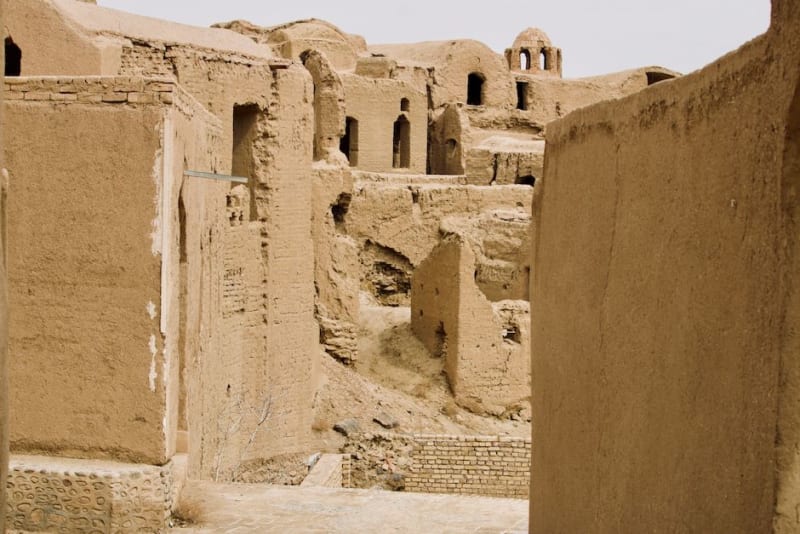 iran
iran Shushtar
A 2,000-year-old hydraulic engineering system of canals, tunnels, and waterfalls that still irrigates the town today, and one of the strangest UNESCO sites in the country.
Explore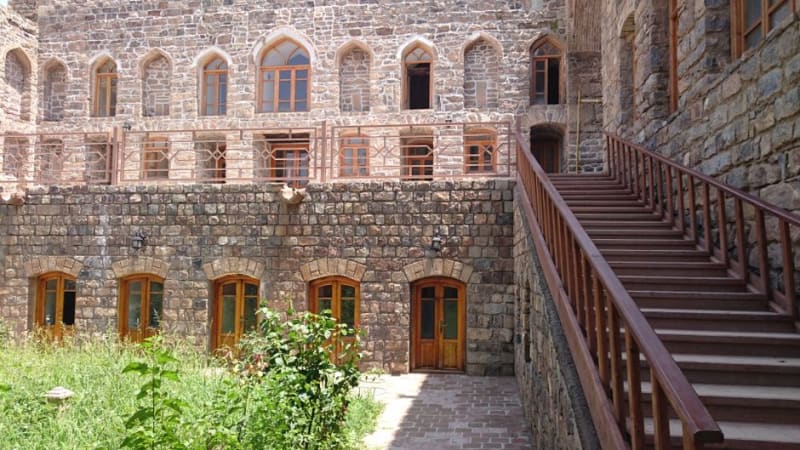 iran
iran St. Stepanos Monastery
A black-and-white striped Armenian monastery wedged into a gorge on the Aras River, older than most European cathedrals and improbably still standing at the edge of the Azerbaijan border.
Explore iran
iran Susa
One of the oldest continuously identified cities on earth, where Elamite, Persian, and biblical history stack on top of each other in a dusty Khuzestan mound.
Explore