Sarein
"Nobody comes to Sarein for architecture. Everybody comes for the water, and the water delivers."
A small hot spring town in the foothills below Mount Sabalan, where Iranian families come by the busload for mineral baths and we came for one very good, very ordinary weekend of doing absolutely nothing.
Sarein doesn’t try to be anything other than what it is: a small, slightly kitschy hot spring resort town in the foothills below Mount Sabalan, packed with domestic tourists on weekends and refreshingly free of the monument-chasing energy that defines most of an Iran itinerary. We ended up there almost by accident, after a friend in Ardabil insisted we couldn’t leave the province without a soak, and it turned out to be one of the most relaxing two days of the entire trip.
Mineral Water, Iranian-Style
The town is built almost entirely around its geothermal springs, with public and semi-private bathhouses lining the main street, most simple concrete buildings with separate men’s and women’s sections rather than the mixed spa culture you’d find in Europe. The water itself, rich in sulfur and minerals, runs hot enough that a full soak leaves your skin faintly tingling for hours afterward. Lia went into the women’s baths and came out saying it was the most genuinely relaxed she’d felt in weeks; I got roped into conversation with three retired men in the men’s pool who wanted to know, at length, what I thought of Iranian football.
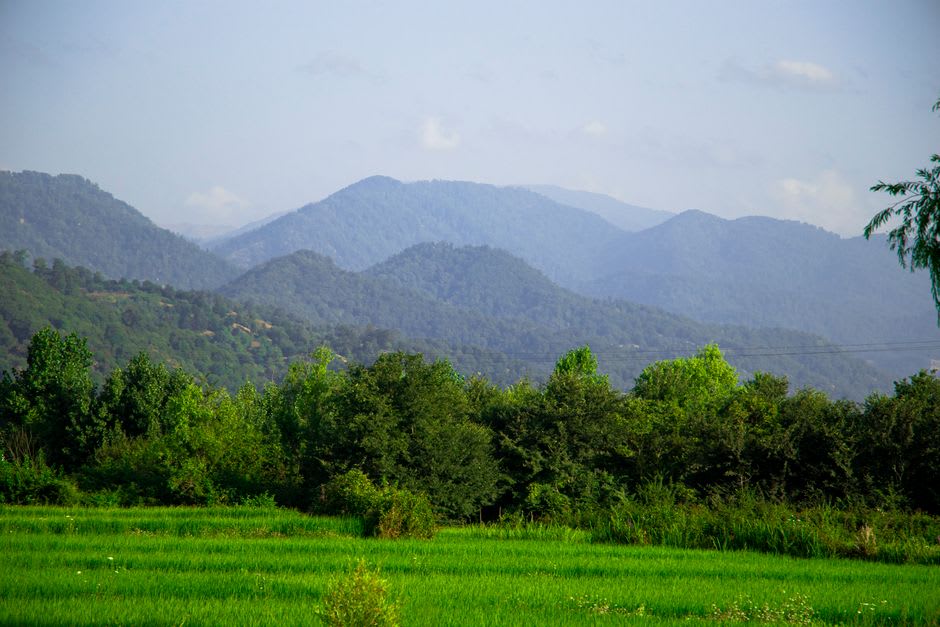
Sabalan Looms Over Everything
Mount Sabalan, an extinct volcano and Iran’s third-highest peak at over 4,800 meters, dominates the skyline from almost anywhere in town, its upper slopes holding snow well into summer. Serious hikers use Sarein as a staging point for multi-day treks to the crater lake near the summit, though we settled for a half-day drive partway up the lower slopes, past nomadic Shahsevan herders’ tents pitched in high summer pasture, sheep grazing right up to the roadside.
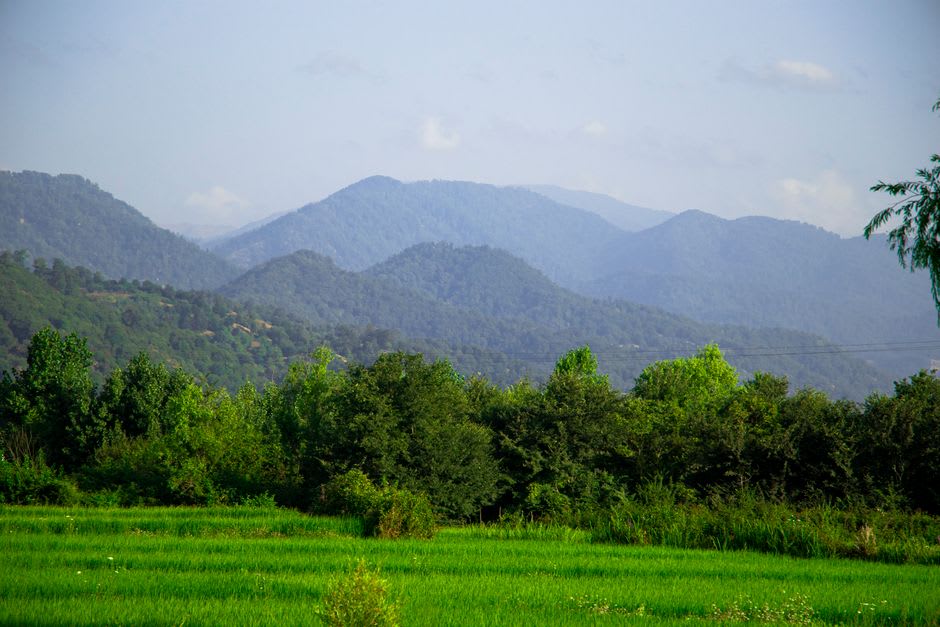
Unpretentious, and Better For It
There’s a slightly worn, unglamorous charm to Sarein — souvenir shops selling the same saffron and dried fruit as everywhere else in Iran, restaurants serving straightforward grilled kebab, families in matching tracksuits heading to and from the baths. It’s not a sophisticated town, and it doesn’t pretend to be. After weeks of chasing tile work and ruins, that was exactly the register I needed.
When to go: June to September for pleasant daytime temperatures and full access to the higher slopes of Sabalan; the baths themselves are enjoyable year-round, snow included.
Keep exploring
More from Iran
 iran
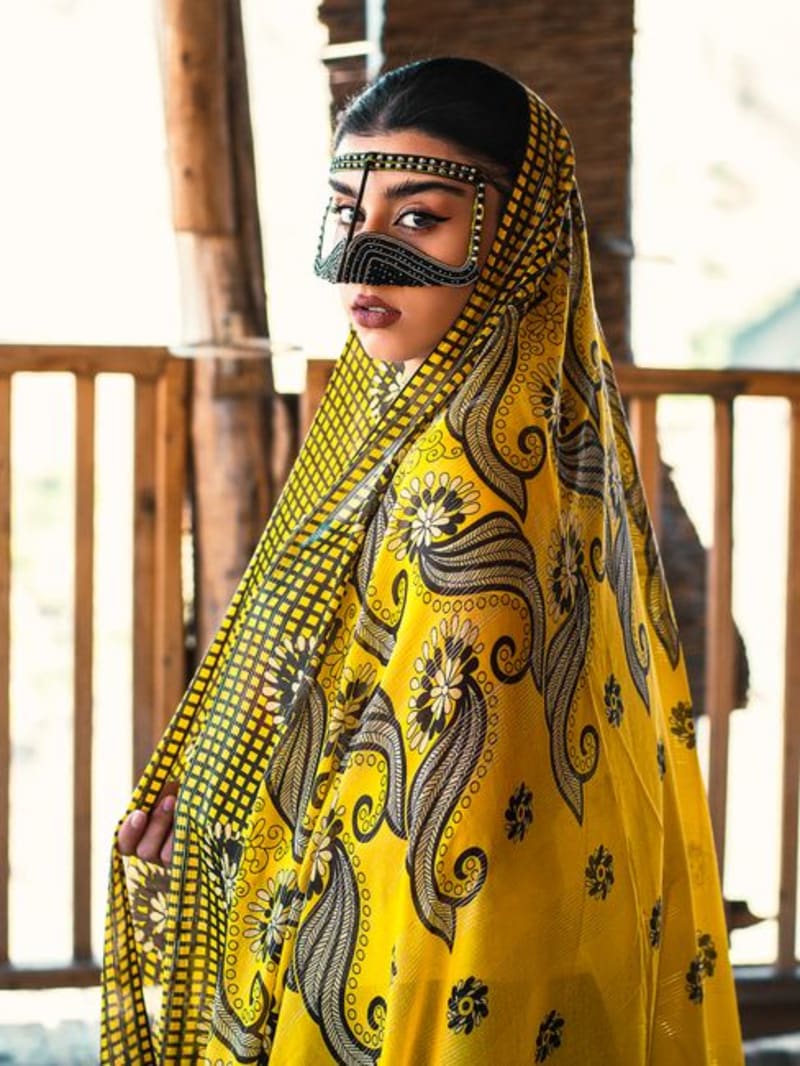
iran Sari
The provincial capital of Mazandaran, an under-visited base for the Caspian coast with a lively fruit-and-rice bazaar, a forest park at its edge, and none of the tourist infrastructure of Rasht.
Explore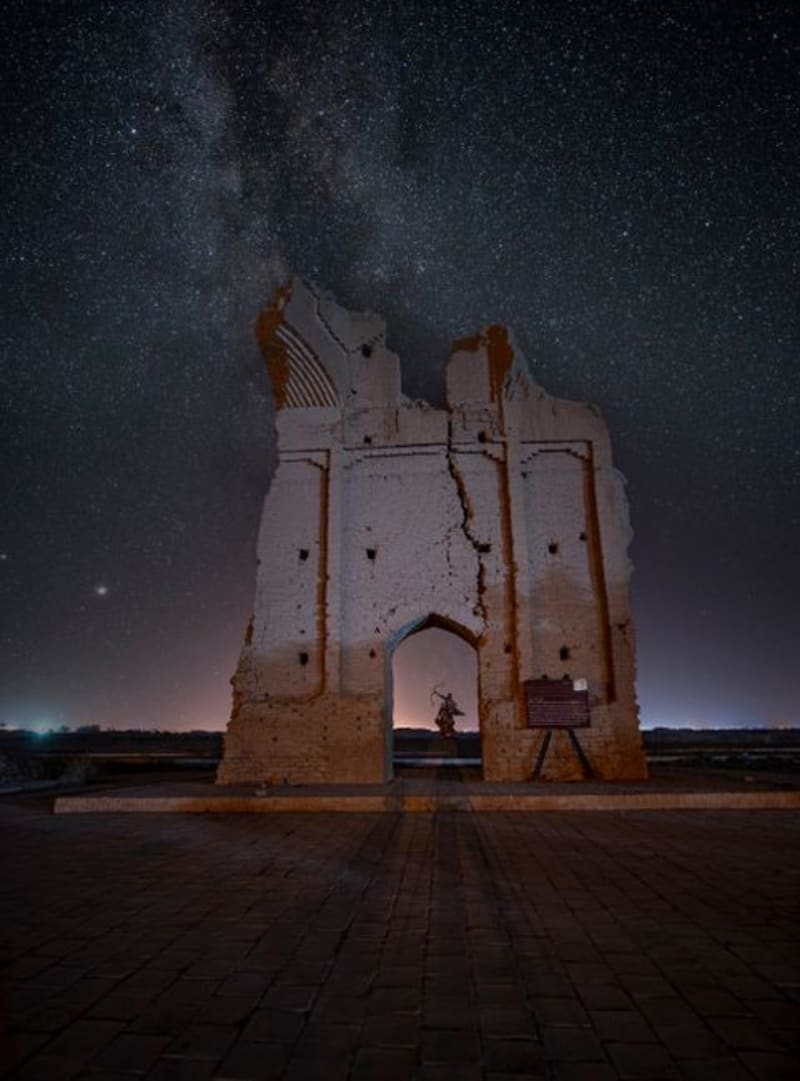 iran
iran Sar Yazd Castle
A fortified desert bank where villagers once locked their grain, gold, and daughters' dowries behind a single guarded door and a hidden qanat.
Explore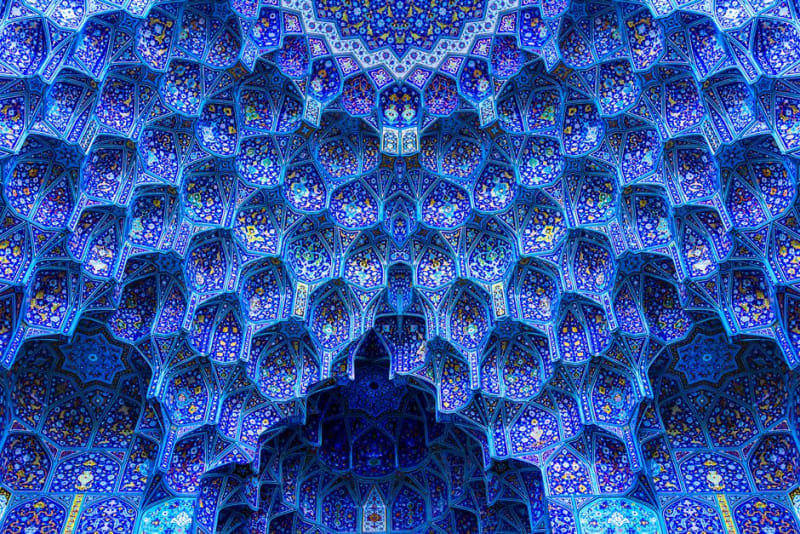 iran
iran Shah-e Cheragh
A mausoleum lined floor to ceiling in cut mirror glass — the single most disorienting interior I've stood inside anywhere.
Explore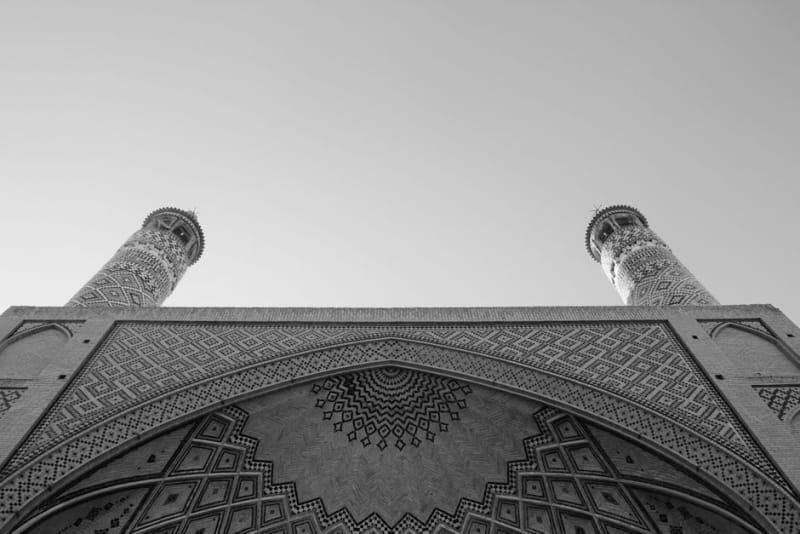 iran
iran Monar Jonban, the Shaking Minarets
A fourteenth-century mausoleum on the edge of Isfahan where one minaret, gently rocked by hand, makes its twin sway in sympathy across a twenty-meter gap.
Explore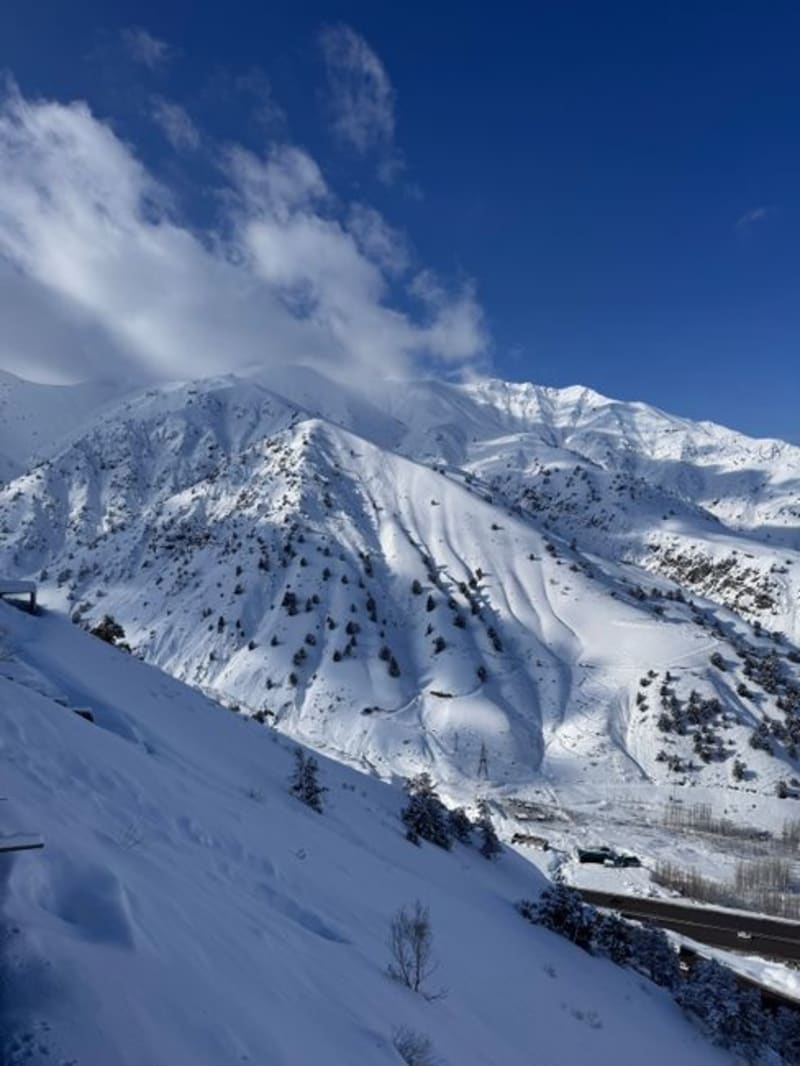 iran
iran Shemshak
A ski town ninety minutes from Tehran with steep, ungroomed terrain that draws serious skiers and a surprisingly relaxed après scene, out of sight of the capital's usual rules.
Explore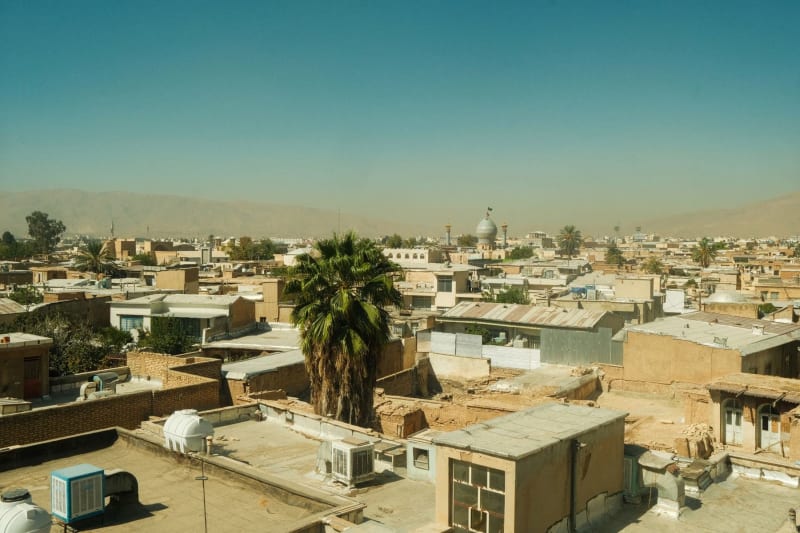 iran
iran Shiraz
City of poets, roses, and the kaleidoscopic Pink Mosque — where light itself becomes architecture.
Explore