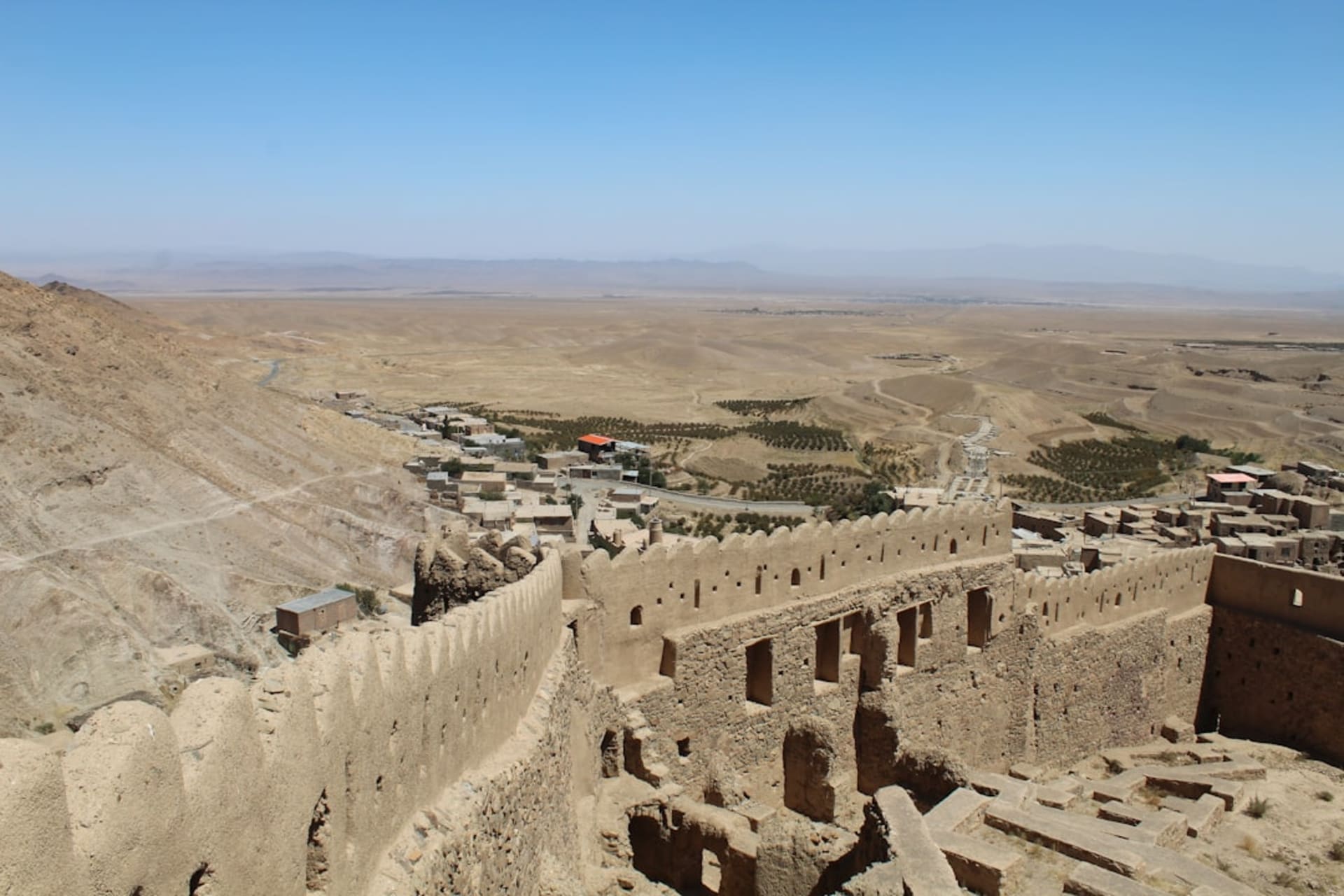
Qeshm Island
"I walked into a canyon barely wider than my shoulders and came out somewhere I didn't expect."
The largest island in the Persian Gulf, where wind and rain carved a canyon out of soft rock and mangrove forests grow straight out of the tide.
Qeshm is roughly ninety kilometers of island sitting at the mouth of the Strait of Hormuz, and it is big enough that most visitors only see a fraction of it in a single trip. I gave it four days and still left feeling like I’d skimmed the surface. Lia had found a photo of Chahkooh Canyon online months earlier — narrow, fluted walls the color of wet sand, carved by flash floods over thousands of years — and that single image was the reason we routed our whole southern Iran trip through here.
Chahkooh Canyon and Star Valley
The canyon delivers exactly what the photo promised, and then some. The walls narrow to less than a meter in places, smoothed into shapes that look almost deliberate, like something poured rather than eroded. We scrambled through in the late morning, when a shaft of light drops straight down the middle of the passage for maybe twenty minutes — our guide timed our arrival around it, and it was worth the planning. Star Valley, on the island’s other side, is a different kind of strange: wind-carved rock formations rising out of flat ground like a half-buried city, pale and ghostly at dusk. Locals call some of the shapes by names — the chess piece, the eagle — and once you hear the name you can’t unsee it.
Mangroves and the Hara Forest
What I didn’t expect was the mangrove forest on the island’s north shore, one of the largest in the Middle East. We took a small boat out at low tide, weaving between root systems that stand exposed like knuckles when the water drops, then disappear entirely at high tide. Our boatman cut the engine and let us drift for a while, silent except for birds — herons, flamingos further out — and the occasional splash of a fish. It felt less like Iran and more like a mangrove coast in Southeast Asia, which is precisely the kind of contradiction that makes this country impossible to summarize.
The Portuguese Fort and Qeshm City
Qeshm City itself is unremarkable, a modest free-trade port town, but the Portuguese fort at its edge is a reminder of how contested this strait has been for five centuries. We climbed the crumbling ramparts at sunset and watched container ships queue at anchor, waiting their turn through Hormuz. A fisherman selling shrimp from a cooler by the fort gate talked to us for twenty minutes about his son studying engineering in Shiraz, then refused to let us pay for the shrimp he’d given us to taste.
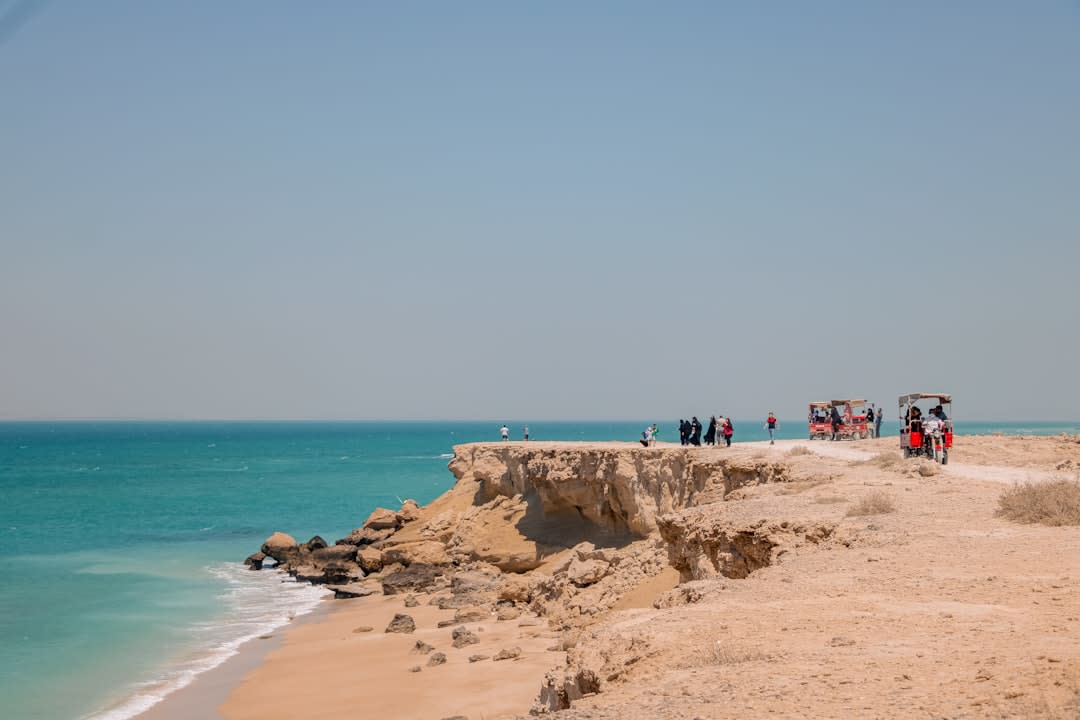
When to go: November through March. Summer humidity on Qeshm is brutal even by Persian Gulf standards, and the mangrove boat trips depend on tide timing that local operators only run reliably in the cooler months.