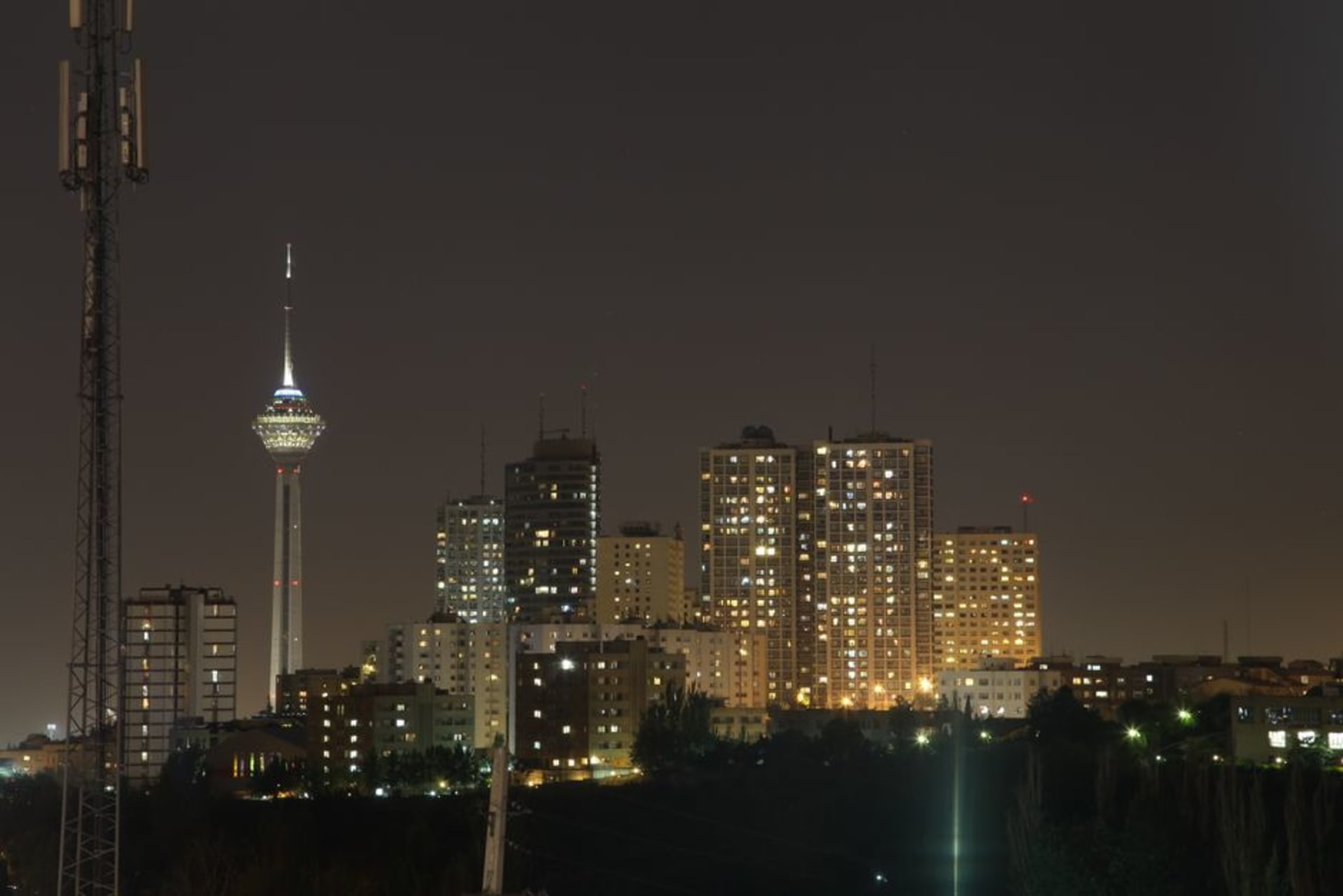
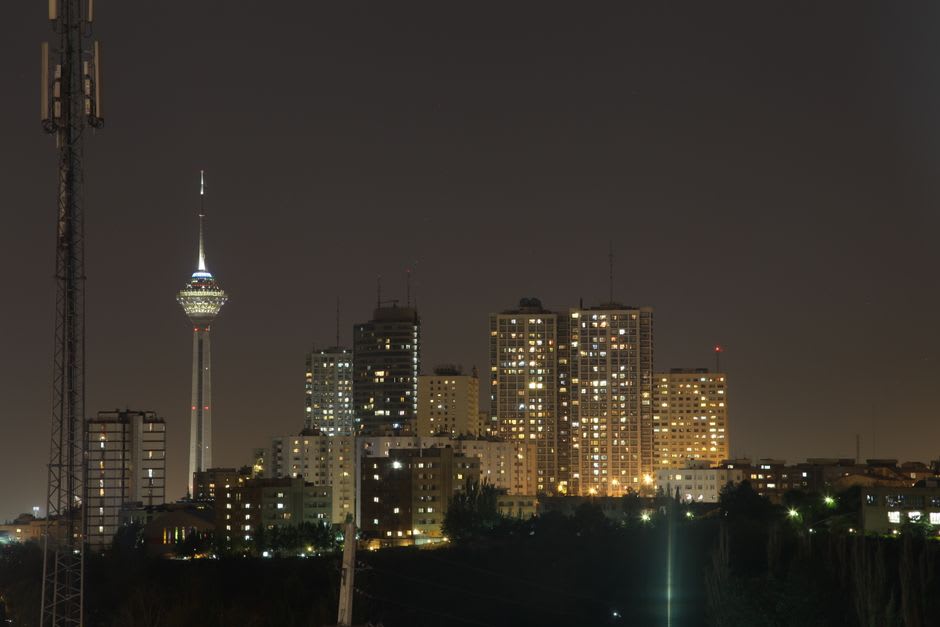
Natanz
"Everyone abroad has heard of Natanz for the wrong reason. I went for the pears and the tilework."
A pear-orchard town beneath the Karkas mountains, home to a Seljuk shrine complex and some of the sweetest fruit in Iran.
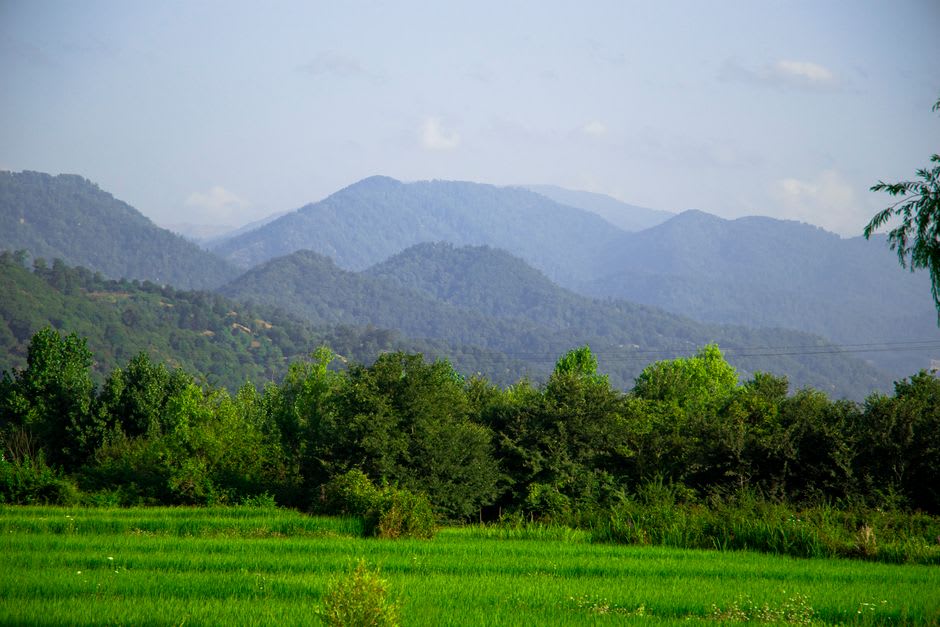
Natanz sits at a higher elevation than Kashan, tucked against the base of the Karkas range, and the drive up delivers the same relief every time — orchards replacing scrub, the air thinning and cooling, walnut and pear trees lining the roads in place of the sand-colored plain below. Outside Iran, the town’s name is mostly known from news coverage of the nuclear facility built nearby, buried in the surrounding hills. Almost nobody outside the country seems to know that Natanz is also home to one of the finest surviving Seljuk-era shrine complexes in Iran, or that it grows some of the best pears I’ve ever eaten.
A Minaret Leaning Into Nine Centuries
The town’s Seljuk shrine complex, built around the tomb of a local Sufi saint, includes a slender brick minaret dating to the twelfth century, along with a mosque and a mausoleum added over the following centuries. The minaret leans slightly, the way old minarets across Iran tend to, and its brick surface carries geometric patterns and a band of Kufic script running near the top — understated compared to the tile-heavy monuments of Isfahan, but remarkable simply for having survived this long relatively intact, through Mongol invasions and everything after.
The Orchards That Made the Detour Worth It
Natanz’s other claim to fame is entirely edible. The surrounding villages grow pears considered among the best in the country, along with pomegranates and walnuts, and roadside stalls sell them by the kilo for what felt like almost nothing. I bought a bag of pears from a farmer setting up his stand at the edge of an orchard, and they were so good — crisp, almost floral — that we ate half of them before reaching the shrine complex ten minutes later.
Lia, who grew up near pear orchards in the French countryside and does not hand out fruit compliments lightly, said these were the best she’d had outside of France. I’ve thought about that pear stand more than I expected to since leaving Iran.
When to go: September and October for the pear harvest, when roadside stalls are fullest and the orchards are at their most fragrant. Spring works well too, for blossom season and cooler temperatures for visiting the shrine complex.