Naqsh-e Rajab
"We had four fifteen-hundred-year-old royal portraits entirely to ourselves. Nobody else even slowed down."
A tiny, almost visitor-free cliffside gallery of Sassanian royal reliefs, five minutes from Naqsh-e Rustam and utterly ignored by comparison.
Naqsh-e Rajab sits a few hundred meters off the road between Persepolis and Naqsh-e Rustam, close enough that most tour buses drive straight past it without stopping, which is exactly why I loved it. It’s a small, shallow rock recess in a low hill, nothing like the scale of its famous neighbors, holding four Sassanian-era reliefs that get a fraction of the attention they deserve.
Four Kings, No Crowd
The carvings depict investiture scenes — Sassanian kings receiving the symbolic ring of kingship directly from the god Ahura Mazda — along with an equestrian portrait of Shapur I, the same king who appears gloating over a captured Roman emperor a short drive away at Naqsh-e Rustam. Here, though, the mood is calmer: formal, ceremonial, carved with a precision that has held up remarkably well given how exposed and unguarded the site is.
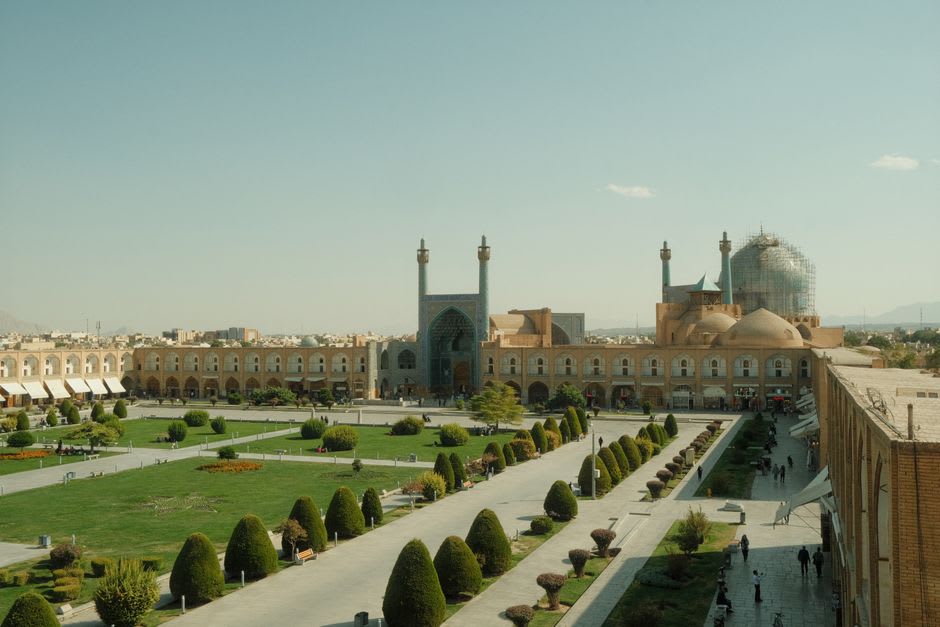
We were the only people there on a Tuesday afternoon, save for a caretaker dozing in a plastic chair by the ticket booth who woke up just long enough to point out a faded inscription in Middle Persian, Parthian, and Greek — trilingual, because Shapur wanted absolutely no ambiguity about who had won.
A Reminder That Not Every Wonder Needs a Queue
There’s a relief here of the high priest Kartir, one of the few non-royal figures given this kind of monumental treatment anywhere in Sassanian art, his portrait accompanied by a long inscription detailing his own religious career in almost bureaucratic detail — a strange, human footnote in a gallery otherwise reserved for kings and gods.
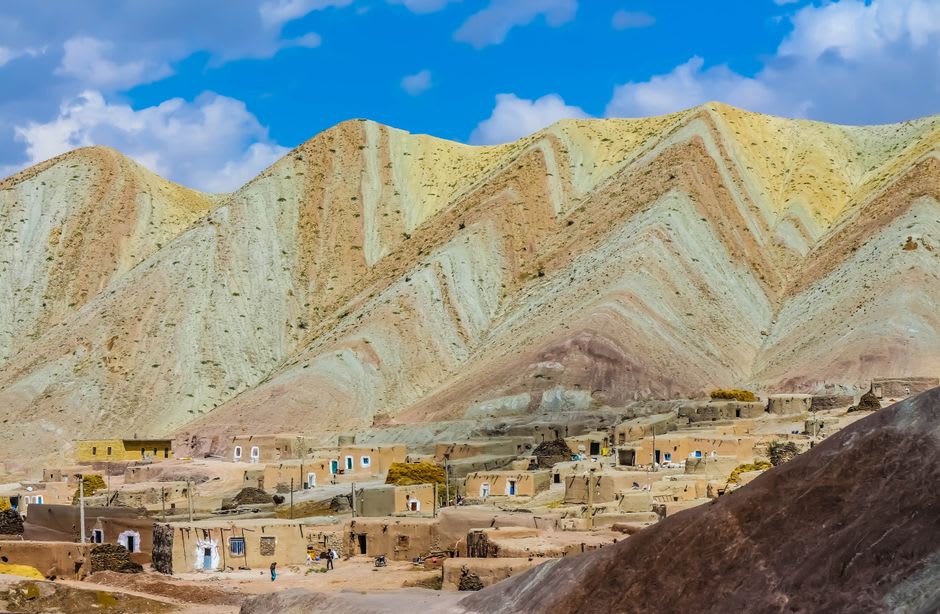
Lia and I ended up spending nearly forty minutes at a site most guidebooks allot a single paragraph, mostly because there was no pressure of a queue or a tour schedule pulling us onward. It was a useful correction to how we’d been moving through Iran’s antiquities — treating the biggest names as the whole story, when some of the best moments were sitting quietly in the gaps between them.
When to go: Combine it with Persepolis and Naqsh-e Rustam on the same day — it takes only fifteen to twenty minutes and needs no separate trip. Morning light works best for photographing the reliefs.
Keep exploring
More from Iran
 iran
iran Naqsh-e Rustam
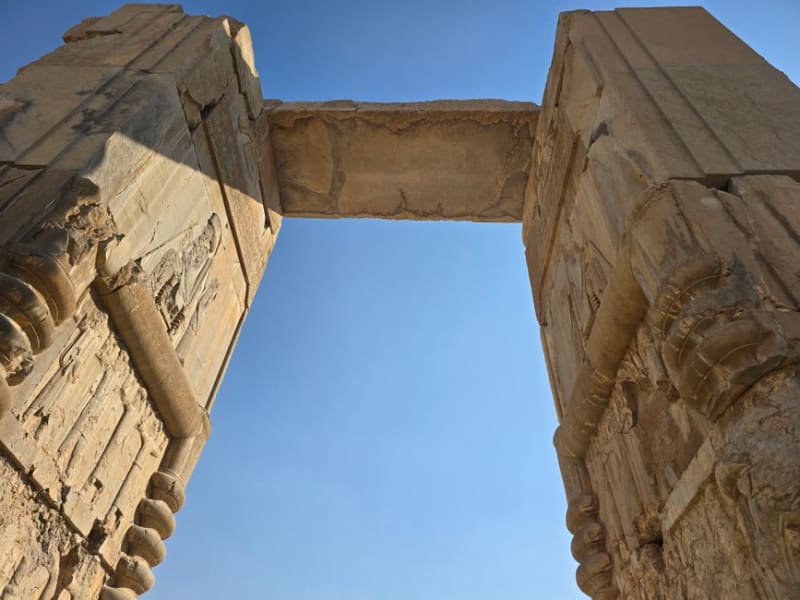
Four Achaemenid kings buried in a cliff face, carved twenty meters up — including Darius the Great, a short drive from Persepolis.
Explore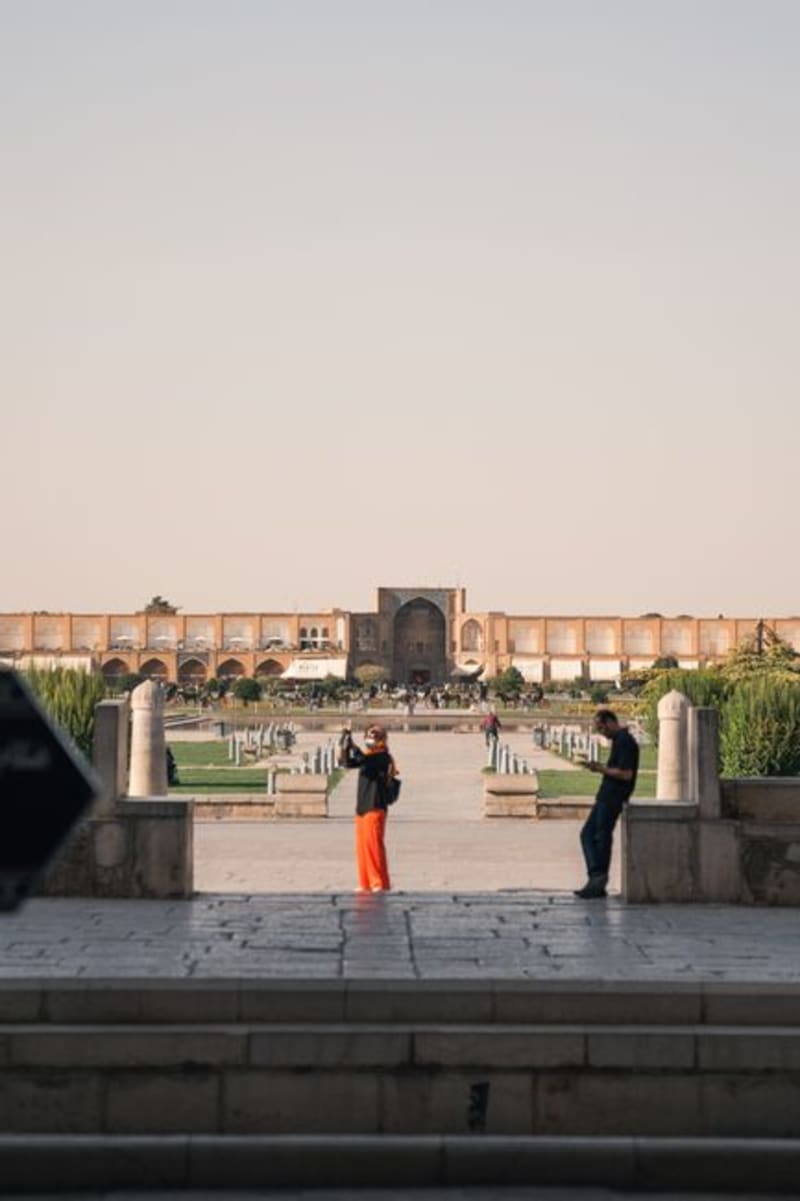 iran
iran Narenjestan-e Qavam
A merchant family's Qajar-era mansion and orange garden, decorated with mirror mosaics and a genuinely surprising basement bar.
Explore iran
iran Natanz
A pear-orchard town beneath the Karkas mountains, home to a Seljuk shrine complex and some of the sweetest fruit in Iran.
Explore iran
iran Niasar
A cool mountain town with a Sassanid fire temple, a waterfall carved into volcanic rock, and rose gardens that predate Kashan's own by centuries.
Explore iran
iran Niavaran Palace Complex
The last Shah's residence before the revolution, preserved down to the record player left mid-song — a stranger, more intimate history lesson than any museum plaque.
Explore iran
iran Palangan
A stone village built in staircases against a Zagros gorge, where the same river separates Sunni and Shia neighborhoods that share everything else.
Explore