A desert town where a mud-brick castle, an ancient ice house, and a working pigeon tower sit within walking distance of each other.
Meybod is often treated as a half-day add-on to Yazd, and I understand why given the geography, but I ended up wishing I’d budgeted a full day. Within a fifteen-minute walk of each other sit a three-thousand-year-old citadel, one of Iran’s oldest surviving ice houses, and a pigeon tower built for fertilizer rather than sport — three completely different solutions to the same desert, standing close enough to visit in a single unhurried afternoon.
Narin Castle’s Layered Walls
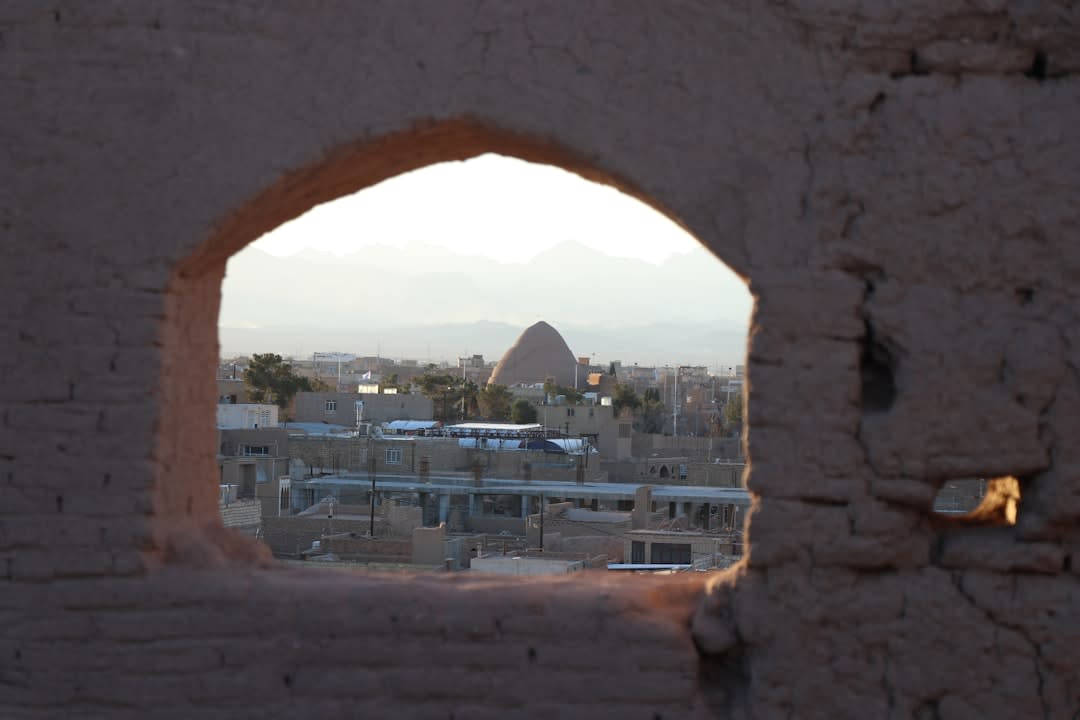
Narin Castle dominates the town from a raised mound, its walls built in distinct horizontal layers of compacted mud that you can read almost like tree rings — different eras of construction and repair stacked one on another over roughly three thousand years of continuous use. I climbed to the upper levels via a series of narrow interior staircases and ramps, and the view from the top stretches across Meybod’s flat rooftops to the desert beyond, with almost no modern development breaking the horizon in most directions. It’s one of the oldest structures still standing in Iran, and it doesn’t feel roped-off or precious — you can genuinely wander most of it.
An Ice House That Predates Refrigeration by a Millennium
A short walk from the castle stands a yakhchal, a conical mud-brick ice house that Yazdis used to store ice through the summer centuries before mechanical refrigeration existed anywhere on earth. Water was frozen overnight in shallow pools using the desert’s radiative cooling, then the ice was hauled inside the massive dome and packed in insulating layers that kept it solid through the hottest months. Standing inside the empty shell now, looking up at the domed ceiling forty feet overhead, I found it hard to process that this really worked, repeatedly, for generations, using nothing but geometry and night air.
The Pigeon Tower’s Practical Purpose
Nearby, a large circular pigeon tower — a kabootar khaneh — was built purely to harvest guano for fertilizing the melon and pomegranate fields around town, its honeycombed interior designed to house thousands of birds at once. It looks almost ornamental from outside, but the interior reveals a purely agricultural machine, thousands of small nesting niches stacked floor to ceiling. A caretaker let me climb partway up an interior ladder, and the scale of the operation — clearly built to house a genuinely enormous pigeon population — was more impressive up close than any description had prepared me for.
When to go: Late morning to early afternoon, paired easily with a trip toward Chak Chak or Kharanaq since Meybod sits roughly on the route between Yazd and both. Spring and autumn keep the walking between sites comfortable.
Keep exploring
More from Iran
 iran
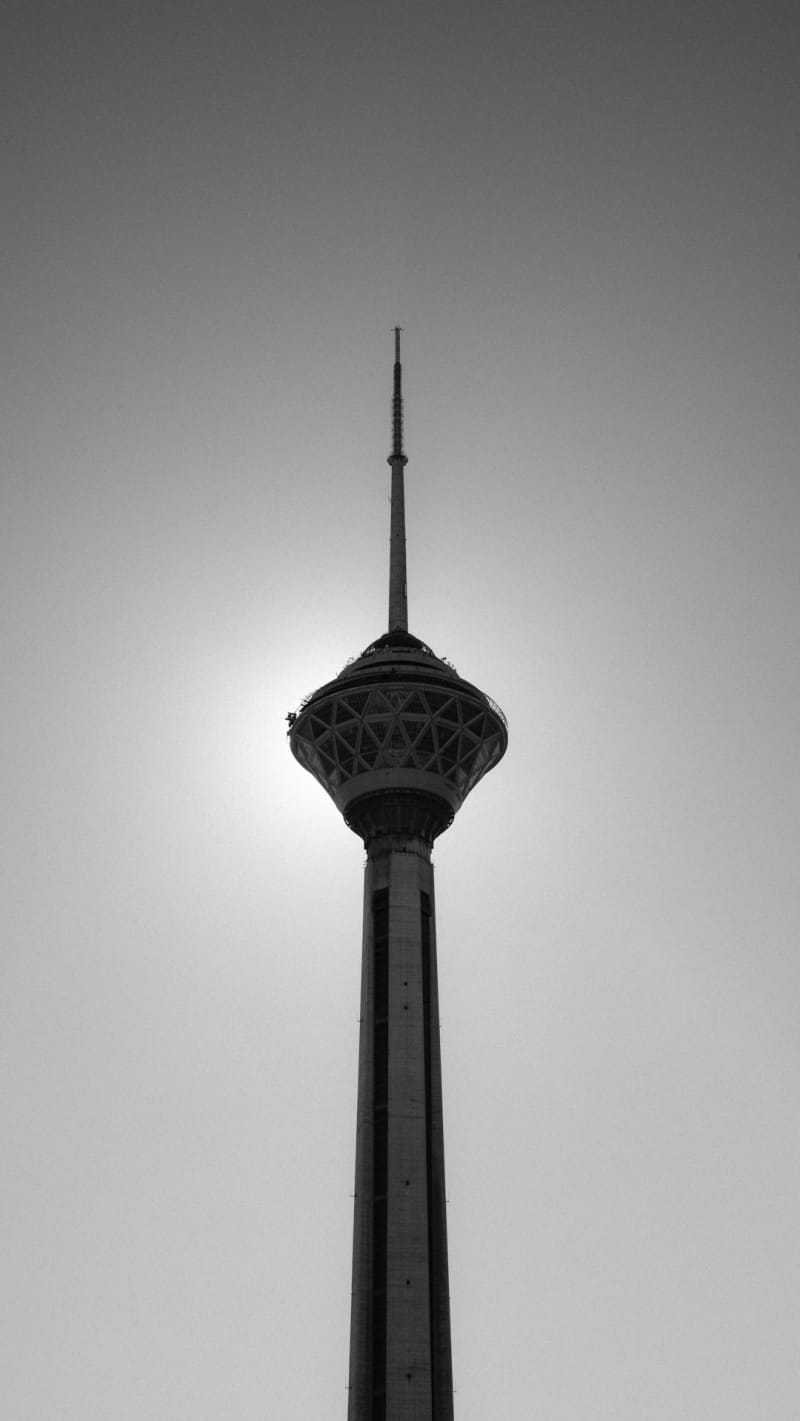
iran Milad Tower
Tehran's 435-meter needle, where a revolving restaurant and an observation deck give you the one view that makes the city's scale finally make sense.
Explore iran
iran Minab
A river-delta town near Bandar Abbas famous for its Thursday market, where Bandari women in colorful masks and embroidered dress sell spices, textiles, and livestock.
Explore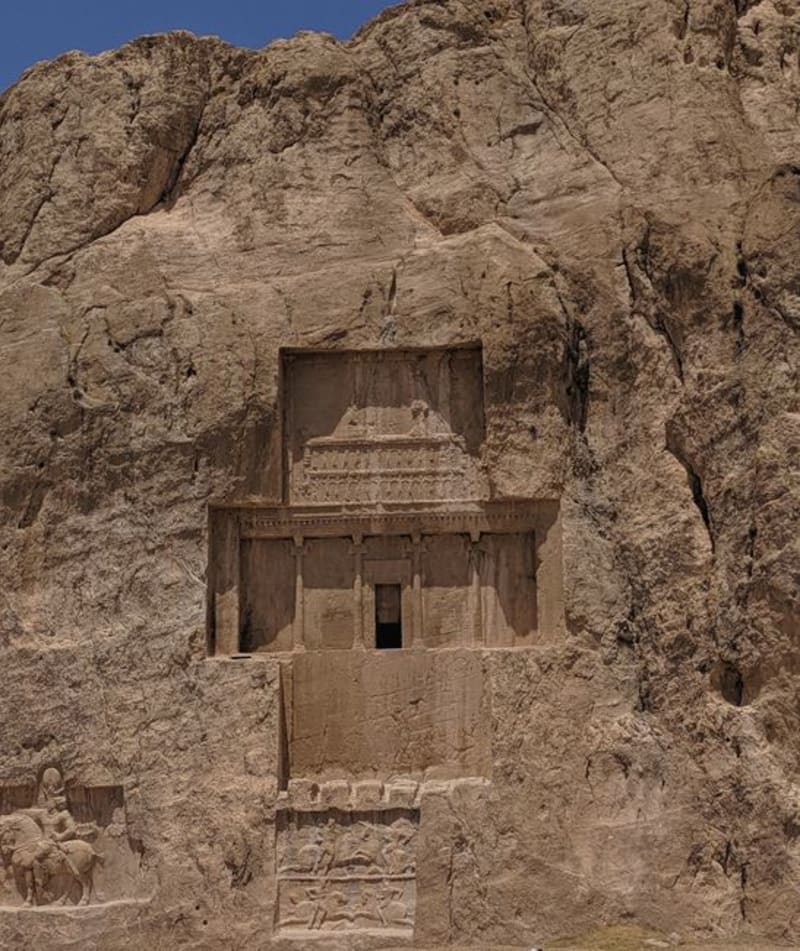 iran
iran Naqsh-e Rajab
A tiny, almost visitor-free cliffside gallery of Sassanian royal reliefs, five minutes from Naqsh-e Rustam and utterly ignored by comparison.
Explore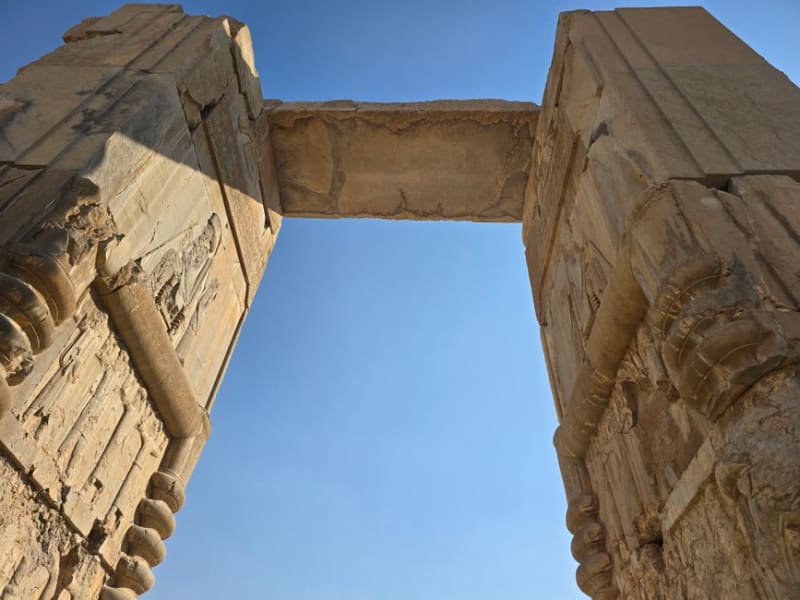 iran
iran Naqsh-e Rustam
Four Achaemenid kings buried in a cliff face, carved twenty meters up — including Darius the Great, a short drive from Persepolis.
Explore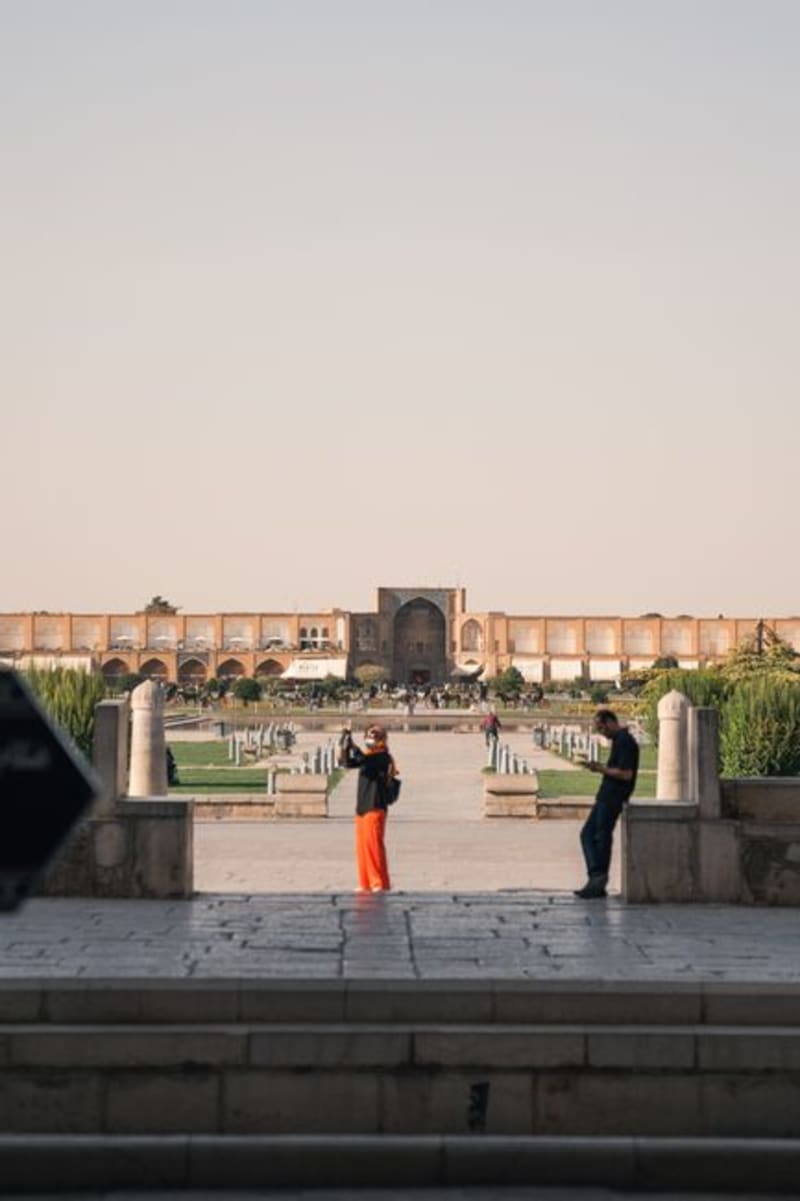 iran
iran Narenjestan-e Qavam
A merchant family's Qajar-era mansion and orange garden, decorated with mirror mosaics and a genuinely surprising basement bar.
Explore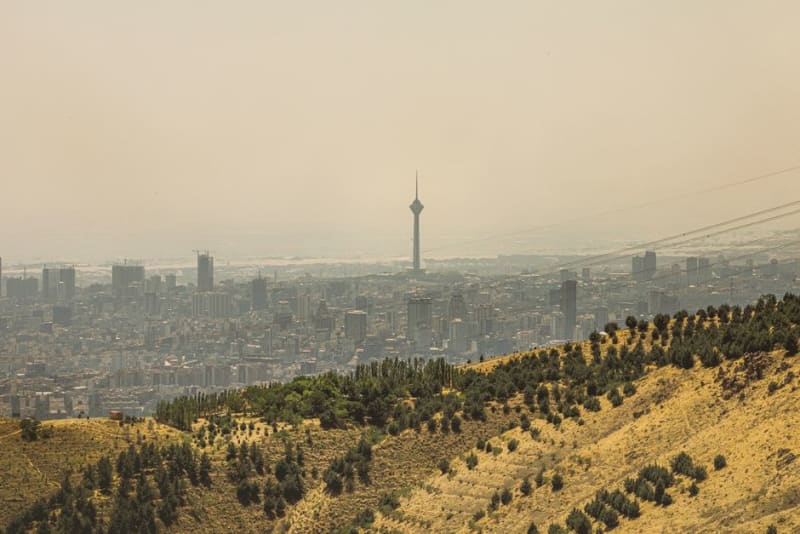 iran
iran Natanz
A pear-orchard town beneath the Karkas mountains, home to a Seljuk shrine complex and some of the sweetest fruit in Iran.
Explore